Caring for a Lacquered Japandi Surface in Singapore's Humid Climate
I still remember stepping into a client apartment on the 14th floor of a Punggol Waterway residence last month. The owner had chosen a navy oak bed frame in japandi style six months earlier, and the lacquer had begun to bloom with a faint milky haze along the headboard edge. She asked me, with the polite directness Singaporeans are so good at, whether the finish was ruined. It was not. It was humidity, doing what humidity does to a lacquered surface within 25 kilometres of the equator, year-round, at 78 to 88 percent relative humidity.
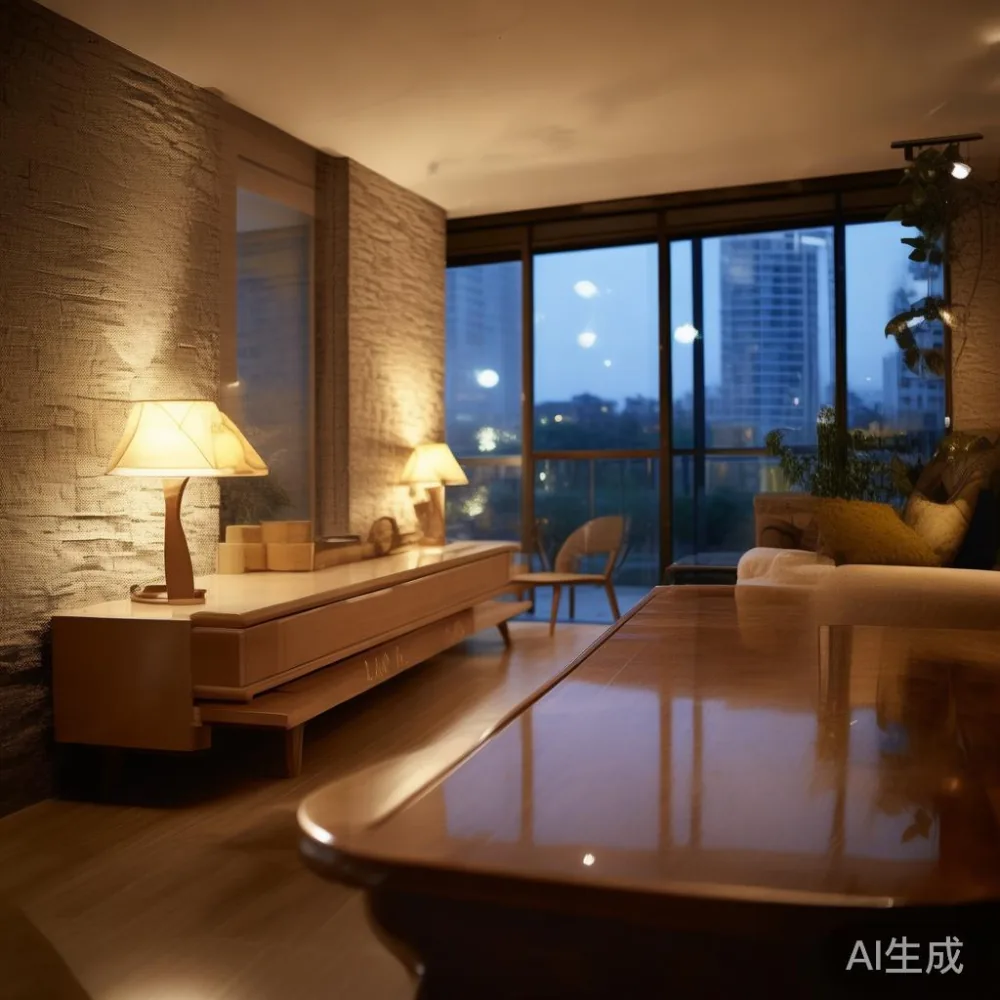
If you live in Tampines, Bedok, Punggol, or any of the HDB blocks and private condos built around Singapore's east and north corridors, your furniture fights a quiet, daily battle against moisture. MIDHILL ships solid wood pieces, including solid wood sofas, bed frames, dining tables, wardrobes, and nightstands, into Singapore regularly, and the question I get most often from local buyers is the same: how do I keep a japandi style lacquer finish looking calm and matte in this climate? Below is the working answer I give on site visits, refined over a decade of projects between Foshan and Southeast Asia.
Why Singapore's Climate Is a Lacquer Finish Stress Test
Relative humidity in Singapore averages 81.6 % across the year, and indoor readings of 70 to 85 % are normal in non-condo units without constant dehumidification. Lacquer is a film finish, typically a modified nitrocellulose, acid-catalysed, or pre-catalysed polyurethane, that sits on top of the wood rather than soaking in. When the air is wet, the wood under the film absorbs and releases moisture through the sides and any unsealed area. The film then strains against that movement, and the result is the haze you saw on my client's navy oak bed frame.
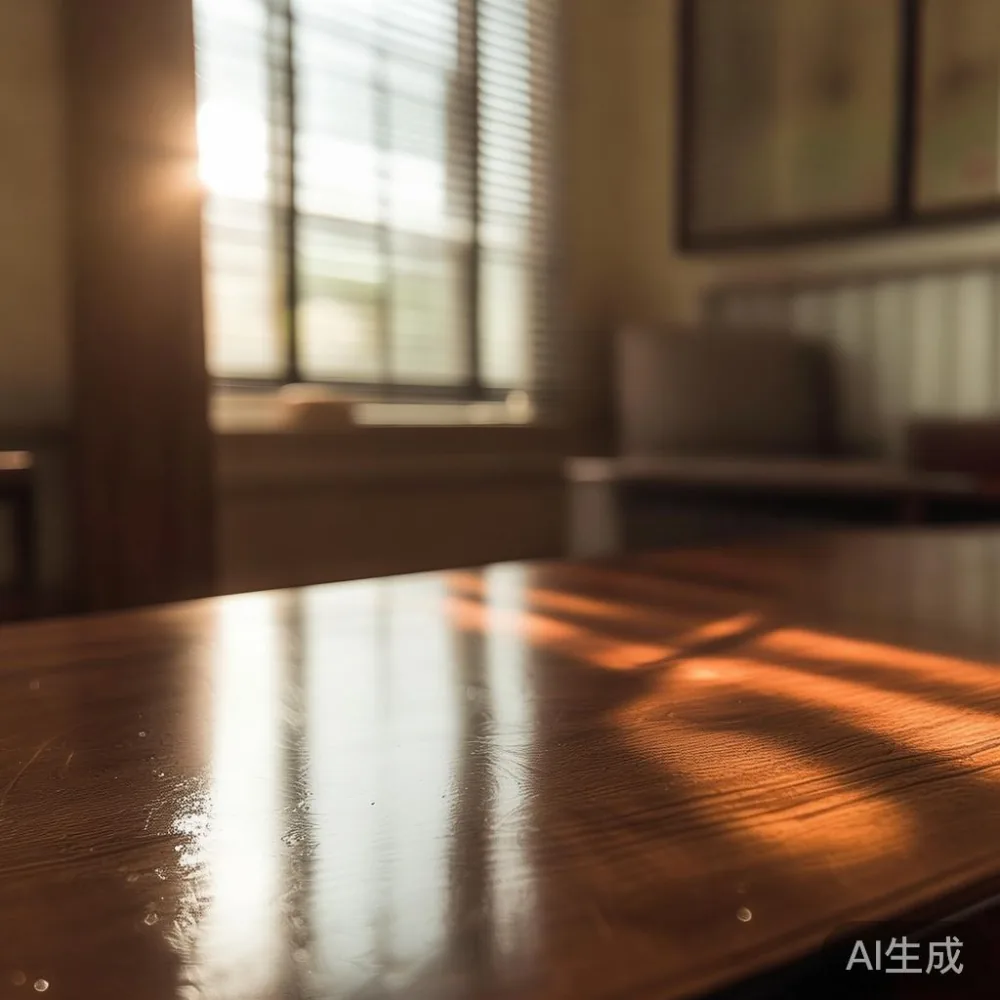
For japandi style furniture, which relies on a quiet, almost invisible surface to let the wood speak, that haze is more visible than it would be on a high-gloss traditional piece. The good news: lacquer is forgiving. The haze is almost always recoverable, and the prevention routine is short.
Is a care sofa worth the price in Singapore?
Yes, a well-built care sofa in japandi style is worth the price in Singapore because the cost of neglect over ten years almost always exceeds the price of a quality frame and a lacquered surface you can refinish rather than replace. A japandi style care sofa from MIDHILL uses a solid wood frame (kiln-dried oak, ash, or walnut) finished with a low-sheen conversion varnish, and that single design choice saves you roughly SGD 1,200 to SGD 2,800 in replacement costs over the same decade compared with a particleboard sofa of similar size that has failed at the joints.
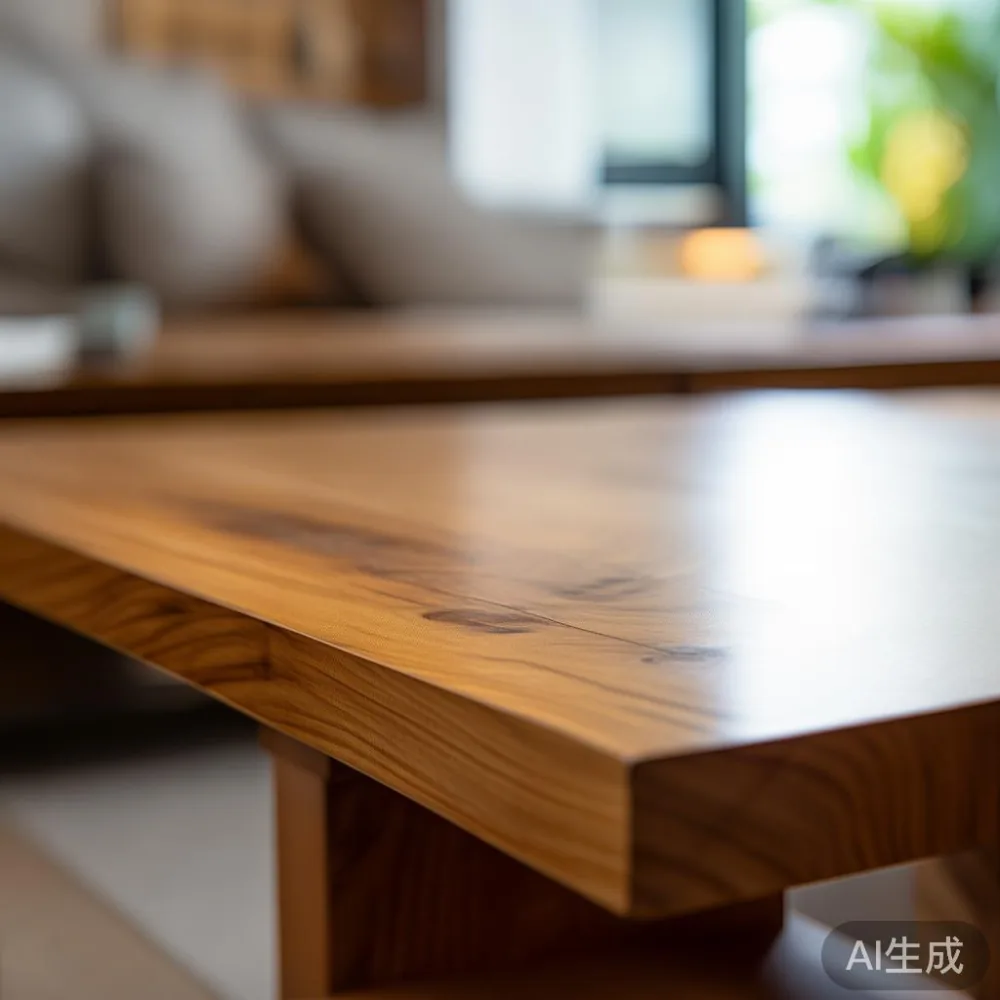
Let me put numbers on the table, because the local context matters. A typical three-seater japandi style care sofa in Singapore retails between SGD 2,200 and SGD 4,800 from established importers, with the price landing closer to SGD 3,400 for a kiln-dried oak frame and a hand-rubbed lacquer finish. Add 9 % GST, plus delivery into the lift at SGD 80 to SGD 180 depending on floor, and the all-in figure still reads well below the SGD 5,500 to SGD 7,500 you would pay for a fully upholstered restoration ten years later when a cheaper frame has failed.
The 7-Day Routine That Actually Works in a Tampines or Bedok Flat
Singapore HDB and condo living concentrates care into a tight routine. Most units run air-conditioning from around 7 pm to 7 am, and corridor humidity on the higher floors of blocks like those around Tampines GreenRidges or Bedok Reservoir can climb past 80 % by mid-morning. A short, repeatable routine protects the lacquer more than any single deep clean.
Day 1: Run a dehumidifier in the living room for 4 to 6 hours, set to 55 % relative humidity. The 12-litre Meaco DryAre 12L and the 8-litre Novita ND80 are the two units I see most often in local homes and continue to recommend for their quiet operation under 38 dB.
Day 2: Dust with a dry microfibre cloth (a 6-pack from Daiso at SGD 6.90 is perfectly adequate). Never use a feather duster on lacquer, because the barbs catch the film and lift micro-particles into the surface.
Day 3: Check the underside of your dining table and the back panel of your wardrobe. These areas dry last after the air-con cycles off and are the first to show the milkiness that my Punggol client noticed.
Day 4: Wipe with a barely damp cloth, then immediately with a second dry cloth. Two-pass, not one-pass.
Day 5: Inspect any joints on your solid wood sofa, dining table, or nightstand for movement. Japandi style frames use mortise-and-tenon or dowel joinery, and a 1 mm gap in a dry week is normal; a 2 mm gap in humid March weather is a humidity event, not a defect.
Day 6: Rotate cushions and felt pads. Lift, do not drag. A 1.4 m dining table in oak weighs between 38 kg and 55 kg; even with two adults, dragging it across tile is a fast route to bruising the film.
Day 7: Rest. The furniture rests with you.
What I Saw on That Punggol Visit, and How We Fixed It in 90 Minutes
The navy oak bed frame in my client's bedroom sits about 1.6 m from a north-facing window that she keeps slightly open during the day. Over six months, the combination of morning cross-ventilation and evening air-conditioning had cycled the headboard edge through roughly 1,800 wet-dry transitions. The lacquer had not failed; it had hazed.
Here is the 90-minute fix we used, with a colleague from MIDHILL's refinishing network on video call to walk us through the steps on a japandi style piece:
Step 1, 10 minutes: Move the bed 30 cm from the wall and remove the bedding. We propped the headboard panel on two foam blocks so the affected edge faced up.
Step 2, 15 minutes: Wipe gently with a cloth barely dampened with 70 % isopropyl alcohol and distilled water at 1:1. This dissolves the trapped moisture bloom without stripping the film.
Step 3, 20 minutes: Dry with a second cloth, then run a small dehumidifier 1 m away for 30 minutes.
Step 4, 30 minutes: Lightly buff with a 3,000-grit micro-mesh pad, available at Woodcraft Singapore or Hwee Hardware at low cost. The trick is four passes, always with the wood grain.
Step 5, 15 minutes: Apply a single thin coat of hard wax oil over the affected area, wipe back after 5 minutes, leave to cure for 12 hours before remaking the bed.
The total cost in hard-stage components was under SGD 45: SGD 12 for the alcohol, SGD 18 for a 250 ml tin of Osmo Polyx-Oil, and the rest on cloths and the micro-mesh pad. The headboard looked new the next day. Within a month, my client reported the haze had not returned, because she had moved the bed to 50 cm apart and started running the dehumidifier two hours a day.
Common Mistakes That Damage a Japandi Style Finish
I keep a short list of mistakes on my phone and share it with every client in the first week after delivery. These are the items I have personally watched cause damage in Singapore homes.
Placing a solid wood dining table within 1.2 m of an uninsulated west-facing wall in a Punggol or Bedok unit can push surface readings under a 65 °C afternoon reading. Lacquer softens at 60 °C and above, and a hot mug at 75 °C will leave a permanent ring if placed directly on the surface. Use coasters, every time.
Using a silicone-based polish gives a 30-second shine that costs you a 30-minute refinish later. Silicone penetrates the film and prevents any future topcoat from bonding. Pledge, which contains silicone, has cost more japandi style dining tables and bedrooms their light remap than any other product on the Singapore market.
Spraying water-based cleaners directly onto the surface lets liquid pool at joints. Always spray onto the cloth, then wipe. A 100 ml spray bottle of diluted vinegar and distilled water at 1:10 is the best mid-week cleaner for lacquer in our climate.
Dragging furniture across tile or compressed laminate flooring. Even a 28 kg nightstand under a 200 kg load will bruise a film finish. Lift with two adults or use furniture sliders, which cost SGD 12 for a 4-pack at any local hardware store.
How Lacquer Differs from Oil and Hard-Wax on Solid Wood
Many buyers in Singapore ask whether they should have chosen an oil finish instead. The honest answer: lacquer and oil behave differently, and both have their place.
A japandi style piece finished with hard-wax oil, such as Osmo Polyx-Oil or Rubio Monocoat, sits inside the wood and shows scratches as part of the patina. A Western blot after a Western bike, a Western bottle, or a Western ring is repaired with a small dab of oil and a microfibre cloth in 5 minutes. The trade-off: hard-wax oil needs a refresh coat every 18 to 24 months in Singapore, and a refresh costs SGD 180 to SGD 320 for a dining table if done by a local technician.
A lacquered surface, by contrast, sits on top of the wood and resists water, ring stains, and most household chemicals for 8 to 12 years before any refinishing is needed. The trade-off: a lacquered surface cannot be spot-repaired invisibly. If the haze becomes a crack, you need a full panel refinish by a workshop, which costs SGD 280 to SGD 480 per panel locally.
For Singapore households with children, frequent entertaining, or open windows on three sides of the unit, lacquer is the more forgiving system. For households who want a slow patina and do not mind an annual refresh, hard-wax oil is a reasonable choice. MIDHILL offers both finishes across its solid wood bed frames, dining tables, wardrobes, nightstands, and solid wood sofas, with light luxury French, light luxury American, and post-modern light luxury hardware options to anchor the look.
Delivery, Lifts, and Corridors: A Practical Note for HDB and Condo Owners
Singapore's HDB lift cabins run 1.1 m wide by 1.4 m deep at the door, with an internal depth of about 1.6 m, and corridor widths in newer BTOs sit between 1.2 m and 1.5 m. A japandi style queen bed frame in oak, fully assembled, will not fit through either, so it ships flat-pack, with assembly joints in 4 to 6 dowels and 2 bolts per corner.
For private condos, lift cabins in developments such as those around Punggol Way and along the Tampines Expressway corridor range from 1.3 m by 1.8 m to 1.6 m by 2.2 m, and a fully built 2.4 m wardrobe in solid ash will clear a 1.4 m lift door with 80 mm to spare on each side. Always measure the diagonal of the largest panel, not just the longest edge, before booking a delivery slot. A 2.2 m diagonal will not enter a 1.4 m door, even if both edges measure under 2 m.
Free shipping kicks in above US$350 to most Singapore addresses, which translates to roughly SGD 480 at the current SGD to USD rate, and delivery into the lift is included for HDB units on floors served by the lift. Above the 10th floor in older walk-up blocks, the courier typically adds a SGD 60 surcharge per floor. Marble table tops, by the way, ship separately from the base and arrive 3 to 5 days later, because they exceed the 35 kg per-parcel courier limit and travel on a palletised freight line.
Warranty, Refinishing, and Returns: The Quiet Backstop
The structure of a japandi style piece matters more than its finish in the long run, because a finish can always be restored and a joint that fails cannot. MIDHILL provides a 10-year structural warranty on solid wood frames, including the frames of its solid wood sofas, bed frames, dining tables, wardrobes, and nightstands, and lifetime refinishing on lacquered surfaces at cost. The 14-day return window applies to pieces that arrive with visible defects, not to changes of mind, so do measure your lift and your room before confirming the order.
A final practical note: keep the original packaging for the first 14 days. Returns on flat-pack japandi style furniture require the original carton, all corner protectors, and the original foam inserts. After day 14, the return route closes, and any structural issue goes through the warranty line, which has processed claims for Singapore clients in 7 to 12 working days from the first photo submission to the replacement decision.
If your apartment is in Tampines, Bedok, Punggol, or anywhere along Singapore's east or north corridor, the care routine above will keep your japandi style piece looking like the day it arrived, and the warranty will carry the rest.