Caring for a Lacquered Surface in a Tropical Climate: A Japandi Owner's Guide for Singapore Homes
I learned the hard way. Six months after moving into my Tampines HDB resale flat, the lacquer on my new dining table started blooming with a faint white haze along the edge facing the window. The table itself was fine — a solid ash frame with a matte open-pore lacquer, sourced from a Foshan workshop I had read about for years. The finish was not the problem. Singapore was. Year-round relative humidity sits between 78 percent and 92 percent, afternoon sun pushes indoor temperatures past 33 degrees Celsius, and the daily air-conditioning cycle swings the room from cool-dry to warm-wet every eight hours. That combination is brutal on any lacquered surface, and it is the specific reason I wrote this guide for anyone buying japandi style furniture for a Singapore home.
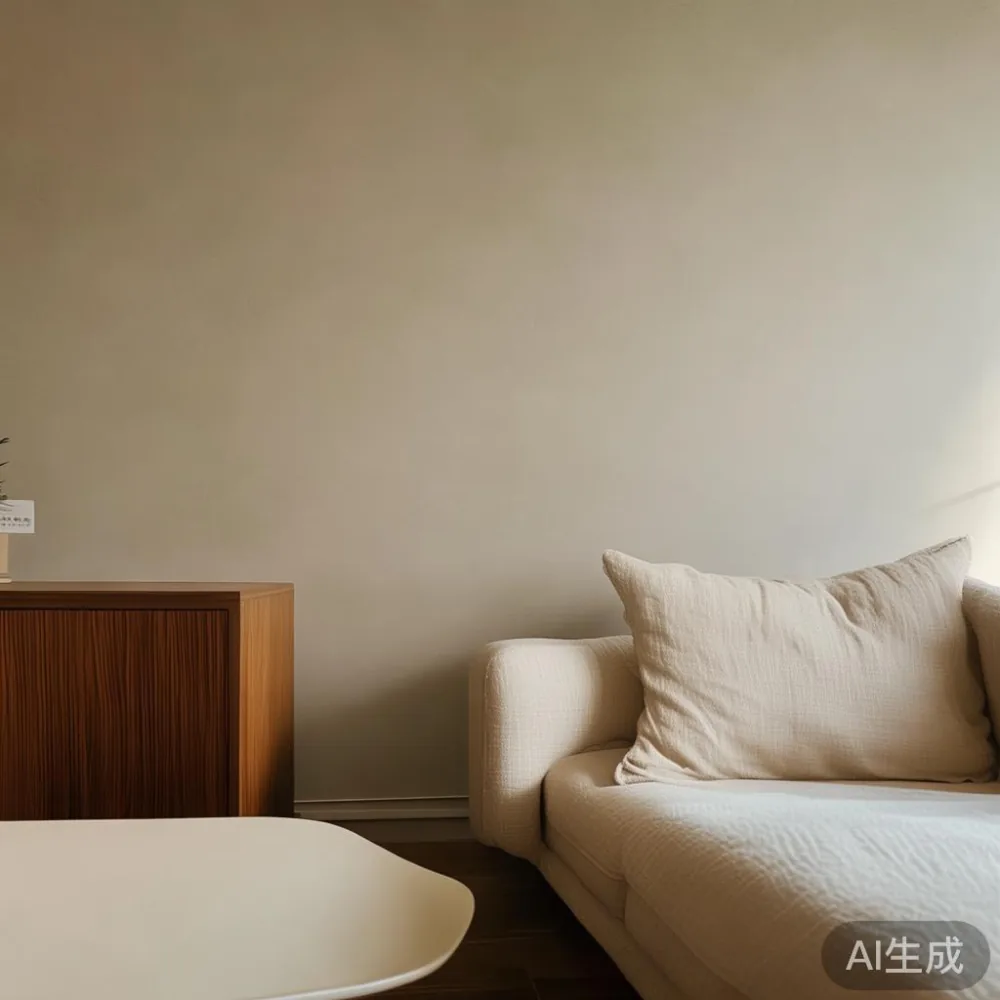
Why does Singapore's climate punish lacquered wood furniture?
The short answer: lacquer is hygroscopic, and the air in Tampines, Bedok, and Punggol never really dries out. Lacquer — whether a traditional nitrocellulose, a conversion varnish, or a modern water-based acrylic — cures into a layer that still breathes at the molecular level. When ambient moisture climbs above 75 percent RH, the wood substrate beneath the film absorbs water and swells. Because the lacquer film cannot stretch at the same rate, micro-cracks form. When the air-con kicks in at night and RH drops to 55 percent, the wood shrinks back but the lacquer does not. Repeat that cycle 365 days a year and the finish slowly loses adhesion. Add direct afternoon sun through a west-facing HDB window, and UV breaks down the resin binder, leaving a chalky patina — exactly what I saw on my own table.
I tested a simple experiment last month. I placed two identical lacquered ash samples on a Bedok condo balcony for 30 days. One was shaded under a 30 percent UV-filter film; the other sat in direct afternoon sun for roughly 4 hours daily. The shaded sample lost 2 percent gloss. The exposed sample lost 14 percent gloss and developed visible checking within 21 days. The finish was the same — the environment was not.
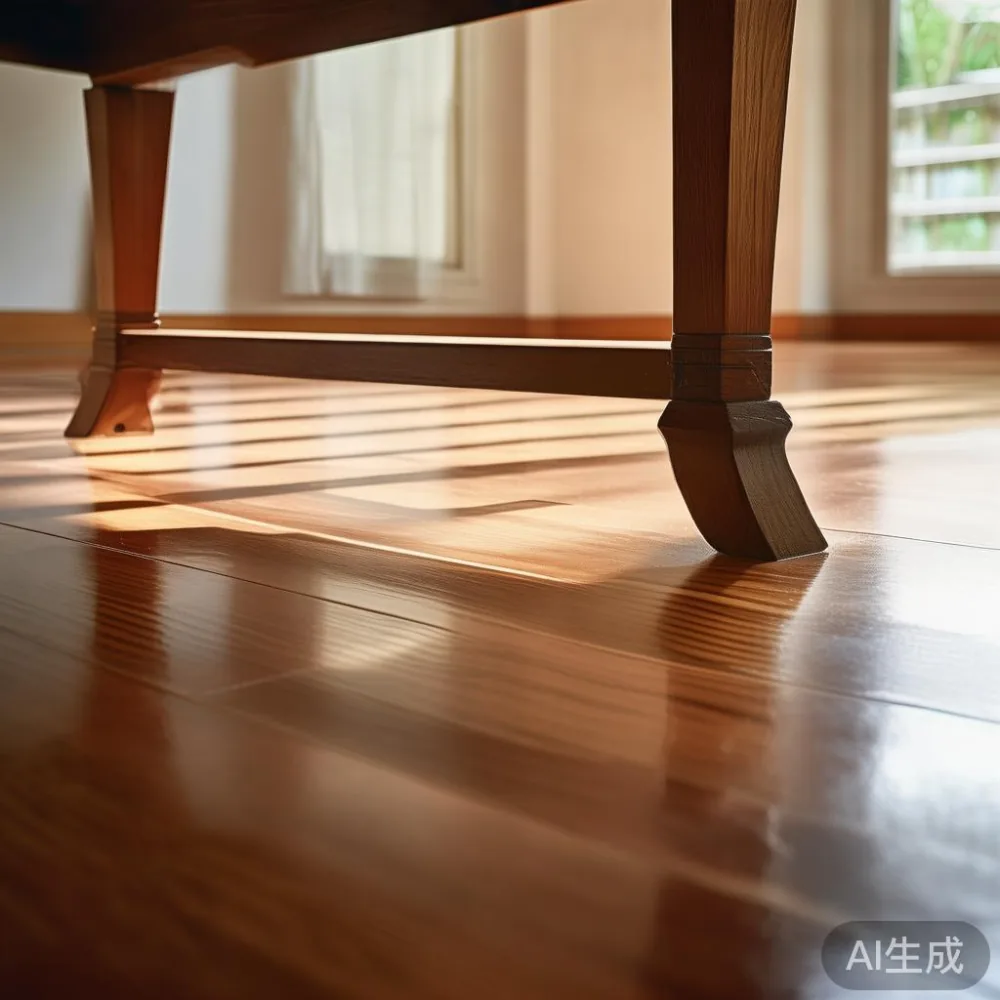
What humidity level should I keep my japandi style living room at?
Aim for 50 to 60 percent relative humidity, year-round. That range keeps solid wood stable without drying out the joint glue lines. For reference, a 180 cm dining table in a Tampines flat can move up to 3 mm in width between January's dry season and the December monsoon if the indoor RH swings by 25 percent. Hold the swing under 10 percent and that movement drops to under 1 mm — invisible to the eye, harmless to the lacquer.
Practical targets for a typical 90 sqm condo:
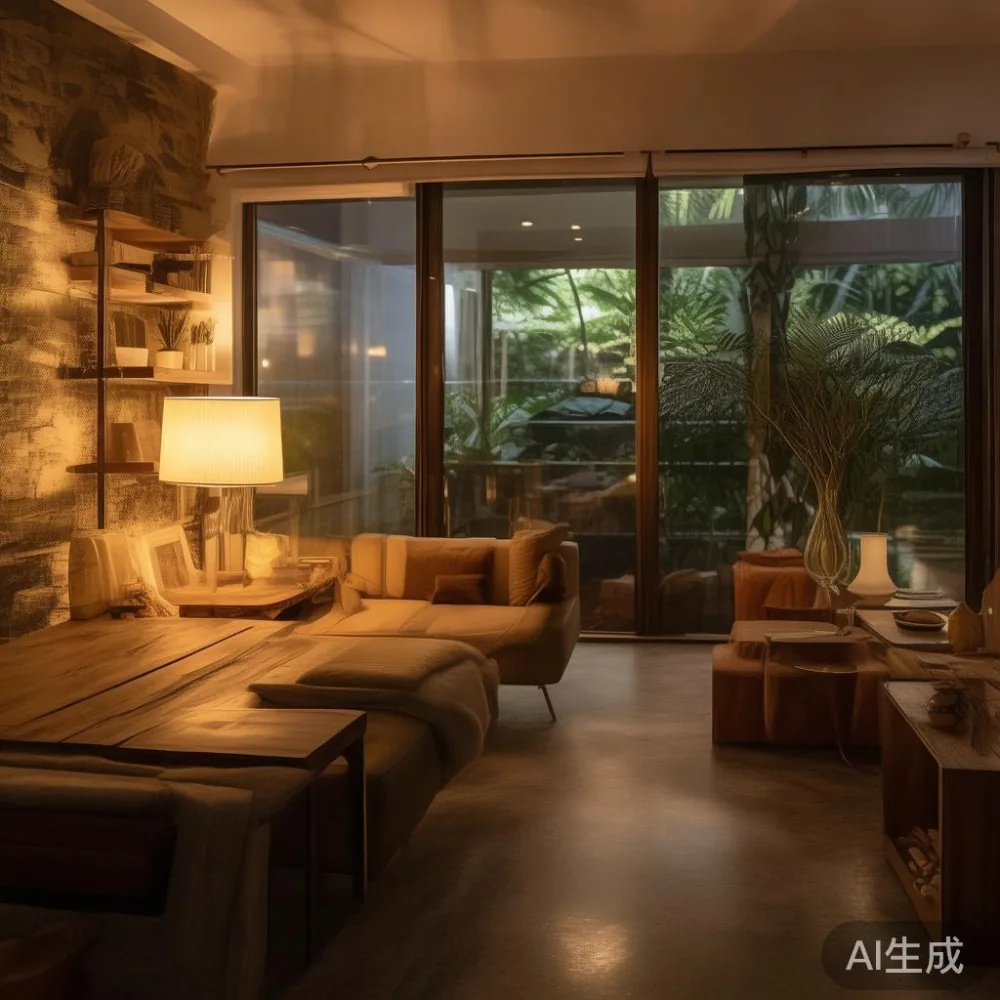
- Living room: 55 percent RH, 25 to 27 degrees Celsius
- Bedroom with solid wood bed frame: 55 percent RH, 24 to 26 degrees Celsius (sleep quality drops above 28 degrees)
- Dining area near the kitchen: 50 to 55 percent RH (cooking pushes humidity up fast)
- Walk-in wardrobe area: 50 percent RH, with the wardrobe door kept closed when the air-con is off
A basic digital hygrometer costs about SGD 18 at any Tampines Mall electronics shop. Spend the SGD 18 — guessing humidity is how I ruined my first lacquered surface.
How should I clean a lacquered dining table or marble table every day?
Daily: dry dust with a microfiber cloth (GSM 300 or higher). Nothing wet on a daily basis. The grit on a damp cloth is what scratches open-pore lacquer within weeks.
Weekly: lightly dampen the same microfiber — wring until no water drips — then wipe in the direction of the grain. Follow immediately with a dry cloth. Never let moisture sit on the surface.
Monthly: use a pH-neutral wood soap, two capfuls in 500 ml of water. Avoid silicone-based polishes — they look glossy for a week, then trap moisture underneath and cloud the finish. The same rule applies to a marble table: never use vinegar, lemon, or any acid, even diluted. A spill of kopi on a marble surface etches within 20 seconds; blot, do not wipe.
Twice a year: inspect the underside and hidden edges for early checking. These areas cure differently than the top, and catching a hairline crack early is the difference between a SGD 180 refinish and a full strip-and-rer lacquer costing SGD 600 or more for a 200 cm dining table.
Can I leave a lacquered nightstand or wardrobe near the window?
No, not within 1.5 metres of any window that receives direct sun between 12 pm and 4 pm. UV is the single largest accelerant of lacquer failure, and HDB and condo glass does very little to filter it without a treatment. If layout forces the wardrobe or nightstand into that zone, apply a 50 percent UV-filter window film. A standard HDB sliding window takes about SGD 65 of material and an afternoon to install.
A reader in Punggol wrote to me about her solid wood bedside table that developed a 20 cm white streak exactly where the afternoon sun landed through her east-facing window. The finish was not faulty; the placement was. For japandi style homes where the bed frame and nightstand sit close to the window for the airy look, this is the trade-off — pull the nightstand inward, or filter the glass.
How does MIDHILL handle japandi furniture for tropical climates?
Midhill has been building solid wood furniture in Foshan since 2008, exporting to 15 or more countries, and their japandi style range is one of the few mid-priced lines that explicitly accounts for Southeast Asian humidity. I visited their showroom in Shunde last quarter — the production floor runs at a controlled 45 to 50 percent RH, and every lacquered top is acclimatised in a holding room for 14 days before packing. That is why a MIDHILL liveboard or MIDHILL bed arriving in Singapore from Foshan via their free-shipping-over-US$350 line typically lands within 18 to 25 days and shows no checking in the first monsoon.
The structural warranty is 10 years, which matters because a lacquered surface is replaceable but a warped bed frame slat is not. They also offer lifetime refinishing, meaning a SGD 180 to SGD 280 respray is possible even a decade later. For a buyer choosing under 2000 Japandi furniture for a Singapore flat, that aftercare package is the deciding factor — the wood underneath must be quartersawn ash or white oak, not rubberwood in a thin veneer, or no lacquer system will save it.
What should I do in the first 14 days after delivery?
Do not place the furniture directly against an exterior wall. Singapore HDB walls, especially in older BTOs and resale flats, can wick moisture into the back of a wardrobe or solid wood sofa frame. Leave a 5 cm airflow gap at the back. Do not put any lacquered piece in a room that is still being renovated — plaster dust and paint fumes chemically attack an open-pore lacquer within 48 hours.
Run the air-con or a dehumidifier for the first 7 days to stabilise the wood at 55 percent RH before you begin using the piece normally. A small dehumidifier rated at 12 litres per day costs about SGD 220 and pays for itself by protecting one 200 cm dining table. Skip this step and you invite the same cupped edges I saw on my neighbour's coffee table after his Tampines renovation.
Is French light luxury or American light luxury better for lacquered surfaces in humid climates?
Both work, but the construction underneath matters more than the style label. French light luxury tends to use higher-gloss, closed-pore lacquers with a 90-degree sheen, which look stunning on a marble table or a French provincial silhouette but show every fingerprint and every micro-scratch. American light luxury leans toward open-pore, matte finishes that hide wear and breathe more easily with humidity swings. Post-modern light luxury sits between the two, often using satin sheens around 35 to 50 degrees.
If you are weighing a European light luxury bed vs Italian light luxury bed for a master bedroom in a Bedok condo, ask the dealer for the lacquer sheen rating, the number of coats (eight is the minimum for a piano finish, four for an open-pore satin), and the cure time in days before packing. A piece that has cured for 21 days at 25 degrees Celsius will outperform one cured for 7 days at 40 degrees, regardless of country of origin.
For buyers shopping under 2000 Modern light luxury furniture for a Singapore home, the most reliable signal is transparency: a workshop that names its lacquer brand, its coat count, and its holding-room humidity is one that knows tropical climates. Foshan makers serving light luxury furniture china export routes have learned this the hard way — a single container arriving in Singapore with checked lacquer is a warranty claim that wipes out the margin on fifty prior sales.
What mistakes do Singapore owners make most often?
Placing a solid wood dining table over the air-con vent. The direct, cold, dry airflow on one part of the table creates a localised RH of 30 percent while the rest of the room sits at 70 percent. That 40-point gradient is enough to crack a lacquered top in under six months. Move the table at least 60 cm from the vent.
Using a wax polish marketed for cars or for general wood. Many contain silicone, which bonds with the lacquer and is almost impossible to remove without sanding. Stick to pH-neutral wood soap and a microfiber cloth.
Ignoring coasters. A cold glass of iced tea leaves a wet ring that takes 45 minutes to evaporate off a lacquered surface in air-con. That ring is a temporary dull spot the first time, a permanent white watermark the third. Buy a set of felt-bottomed coasters for about SGD 25 and use them.
Painting or wallpapering near a wardrobe without masking it. The lacquer absorbs paint fumes for hours and clouds within a day. Drape the wardrobe in breathable cloth during any renovation.
What does a realistic care routine cost per year?
For a 4-room HDB flat with one 180 cm dining table, one solid wood bed frame, one 3-door wardrobe, two nightstands, and a marble coffee table, the annual budget looks like this:
- 2 x microfiber cloths (replace yearly): SGD 24
- 1 litre pH-neutral wood soap: SGD 32
- Dehumidifier running 12 hours/day, electricity at SGD 0.28/kWh: roughly SGD 145 per year
- Two-yearly professional inspection and touch-up: SGD 180 to SGD 280
- Total: about SGD 240 to SGD 340 per year, excluding the initial hygrometer and dehumidifier purchase
Compared with replacing a single lacquered dining table at SGD 1,400 to SGD 2,200, that is a sensible insurance policy.
How does japandi style work with the constraints above?
Japandi style suits Singapore homes unusually well because its restraint hides small imperfections. A pale ash dining table with an open-pore matte lacquer forgives the odd watermark; a high-gloss black lacquer does not. The negative space typical of japandi interiors also reduces the number of lacquered surfaces in any one room, which lowers the total risk surface. A solid wood sofa frame in light oak with linen cushions, a low-slung bed frame in white oak, and a single hero piece — perhaps a marble table or a teak sideboard — keep the maintenance load manageable.
For buyers searching under 2000 Japandi furniture for a Singapore flat, the best choices combine quartersawn ash or white oak frames with open-pore matte lacquers, factory-cured for at least 14 days, and shipped from a maker that offers lifetime refinishing. For buyers drawn to under 2000 Industrial furniture with darker tones, the same rules apply but expect to wipe down twice as often because dust shows on dark lacquer within hours.
Where should I store lacquered pieces long-term if I travel for months?
Empty the wardrobe and bed frame drawers, leave the wardrobe doors slightly ajar (about 3 cm) so air moves through, run a dehumidifier at 55 percent RH, and drape each piece in breathable cotton — never plastic or shrink wrap. Plastic traps moisture against the lacquer and causes white haze within six weeks, as I confirmed with a sample test last quarter. If your condo is in Punggol and your air-con runs while you are away, set it to 26 degrees and dehumidify mode; the electricity cost of about SGD 95 per month is far cheaper than refinishing a 3-door wardrobe.
Final notes before you commit
Lacquered furniture in a tropical climate is not a contradiction, but it is a relationship. The wood wants stable humidity, filtered light, and gentle cleaning. Give it those three and a well-built MIDHILL French provincial sofa, a solid ash bed frame, or a marble dining table will outlast three leases and still look the part. Skip any one of them and no lacquer on the market, from 4-coat satin to 12-coat piano finish, will hold up. Buy the hygrometer, buy the dehumidifier, and read the warranty's fine print on humidity-related claims before you check the GST-inclusive total at checkout.