In real rooms
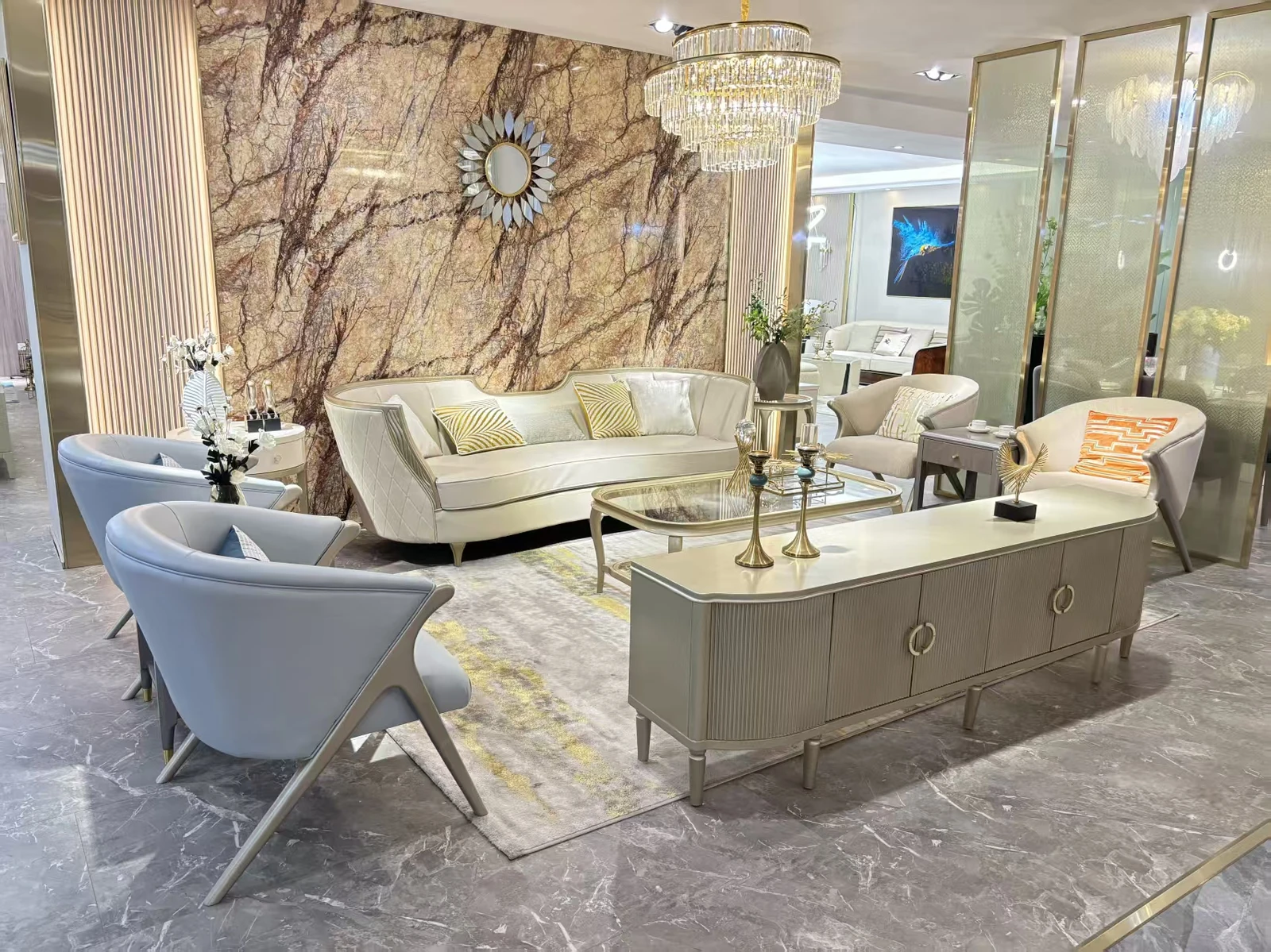
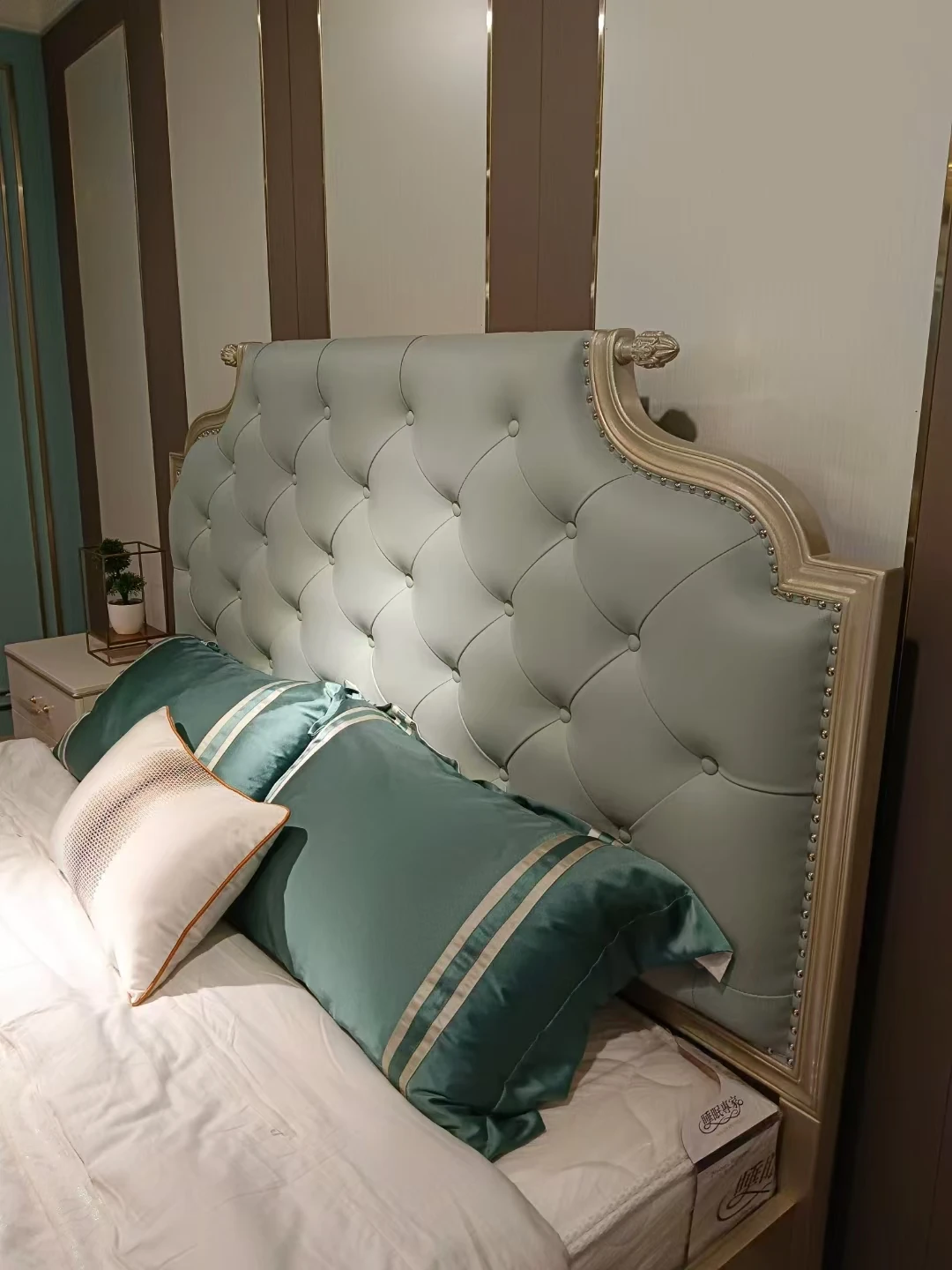
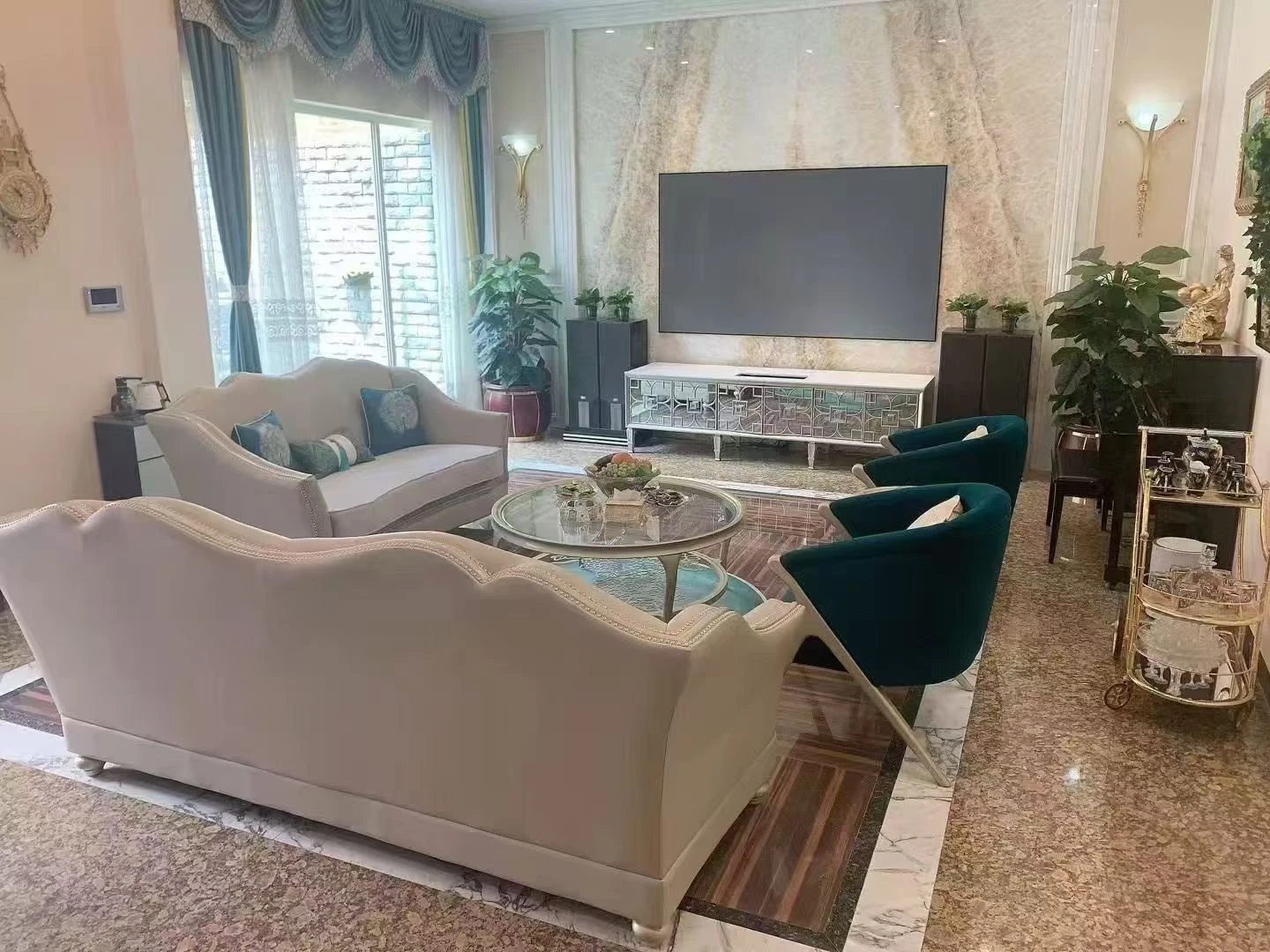
Singapore's Japandi Destination
Curated for the modern Singaporean home — discover how balanced design brings calm functionality and understated beauty to every room, from compact HDB living areas to extended condominium spaces.
Before purchasing, measure your room’s dimensions and note the floor type—hardwood, tatami, or heated ondol—since japandi pieces often feature low profiles and natural materials. Compare solid wood construction (oak, walnut) against engineered alternatives; inspect joinery for durability and finishes for eco-friendly credentials. Evaluate comfort: seat height should suit local dining habits, and cushion density must balance firmer Japanese aesthetics with Scandinavian coziness. Ask sellers about material origins, sustainability certifications, warranty terms, and customization options for fabric or wood tones. Prioritize versatility and timeless design over trends to ensure your space remains serene and functional across diverse households in Singapore, Malaysia, Japan, Korea, and Thailand.
Authentic japandi longevity comes down to three things: material honesty, joinery quality, and finish integrity. Look for solid Japanese white oak or ash with visible grain — never high-gloss laminates mimicking wood. Mortise-and-tenon or dowel joints indicate proper construction; avoid staples, particleboard cores, or glue-only assemblies. Upholstery should be natural linen, cotton, or wool blends, not synthetic velvets that pill within a year. In humid climates like Singapore or Bangkok, check whether wooden frames are pre-treated against moisture warping. Warning signs include veneer surfaces that peel at edges, wobbly legs without reinforcement, and cushions that compress permanently under light weight. Good japandi pieces feel substantial, join cleanly, and age gracefully — they should look better at ten years than on day one.
Japandi is not one-size-fits-all across Asia. In Singapore and Malaysia, high humidity demands teak or rattan over untreated oak, and compact HDB layouts call for low-profile modular pieces that maximise floor space. Japan embraces traditional cypress and hinoki, favouring minimalist forms that honour wabi-sabi weathering. Korea pushes for slightly more storage-integrated furniture—think raised platforms with hidden drawers—to suit denser urban apartments. Thailand leans into darker teak and woven textures that echo its own tropical vernacular, with deeper seating suited to a more relaxed indoor-outdoor rhythm. Across all five markets, the Japandi ethos stays the same: simplicity, warmth, natural materials—but the execution shifts dramatically with climate, space constraints, and local crafting traditions.
Japandi — the fusion of Japanese minimalism and Scandinavian functionality — draws growing interest across Singapore, Malaysia, Japan, Korea and Thailand, but buyers consistently raise the same practical questions before committing. Is it too cold or sparse for tropical climates? Does it work in smaller HDB and condo layouts common in the region? Will light wood tones match existing flooring or wall colours? Can pieces mix well with traditional Asian furnishings already at home? The answers are straightforward: Japandi thrives in warmth because natural materials like oak, teak and rattan soften its restraint; scale is key, so low-profile sofas and slim-leg tables suit compact living spaces without overwhelming them; and its neutral palette acts as a bridge, not a clash, when paired with existing décor. The style rewards patience — it is not about filling a room, but editing it.
Want the longer version? Browse all buying guides for this category.
Answers to what Singapore buyers ask most