Caring for Lacquered Surfaces in a Tropical Climate: A Japandi-Style Owner's Guide for Singapore Homes
I keep a small lacquered oak stool on my balcony in Punggol, and I learned the hard way what Singapore's climate can do to a piece of solid wood furniture. After eighteen months of morning sun, afternoon thunderstorms, and the air-con cycling on and off, the finish went from glassy to slightly cloudy within a single wet season. I called a furniture specialist, spent a weekend refinishing it myself, and rewrote my entire care routine. What follows is the playbook I wish someone had handed me on moving-in day, written specifically for owners of japandi style pieces sitting inside HDB flats, walk-up apartments in Bedok, and waterfront condos in Tampines.
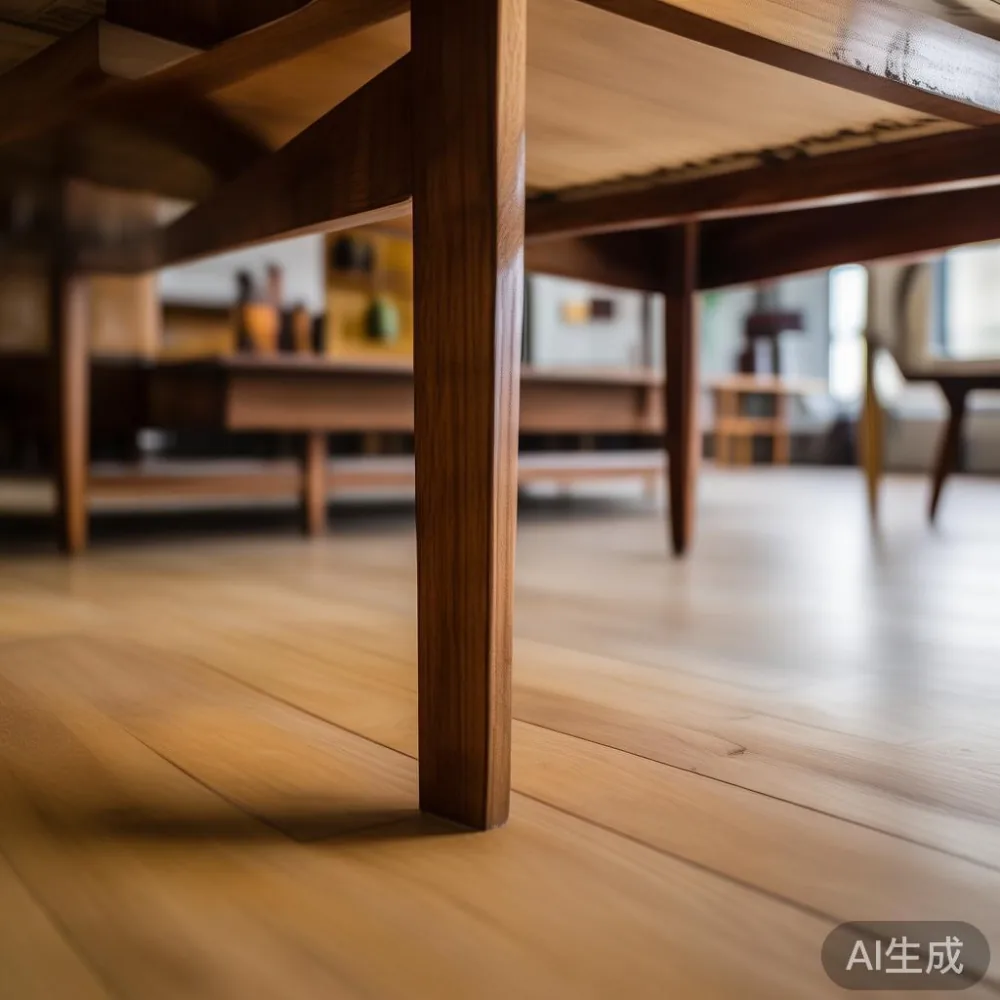
Why lacquer and Singapore's weather are not natural friends
Singapore's average relative humidity hovers around 80%, and indoor humidity in an unventilated HDB unit regularly climbs past 75% during the November to January monsoon phase. Lacquer — whether a traditional nitrocellulose spray or a modern pre-catalyzed conversion varnish — cures into a hard, moisture-resistant film, but it is not a sealed plastic shell. It breathes. When humidity rises, the wood substrate underneath absorbs water vapour and swells by as much as 1.5% across the grain. The lacquer rides along, and over repeated cycles the bond fatigues, producing the white haze called "blush." I saw exactly this on my stool: a pale bloom near the legs where condensation gathered overnight.
Japandi style, with its preference for pale oak, ash, and white-washed walnut, magnifies the problem. Light finishes show every fingerprint, every water ring, every UV streak. If you have invested in a solid wood bed frame in a Singapore master bedroom, you already know how much natural light a north-facing window in a Punggol EC can deliver. That same light, around 12,000 lux at noon, is slowly ambering your headboard. The goal of a care routine is not to fight the climate but to slow its effects to a timescale measured in decades rather than months.
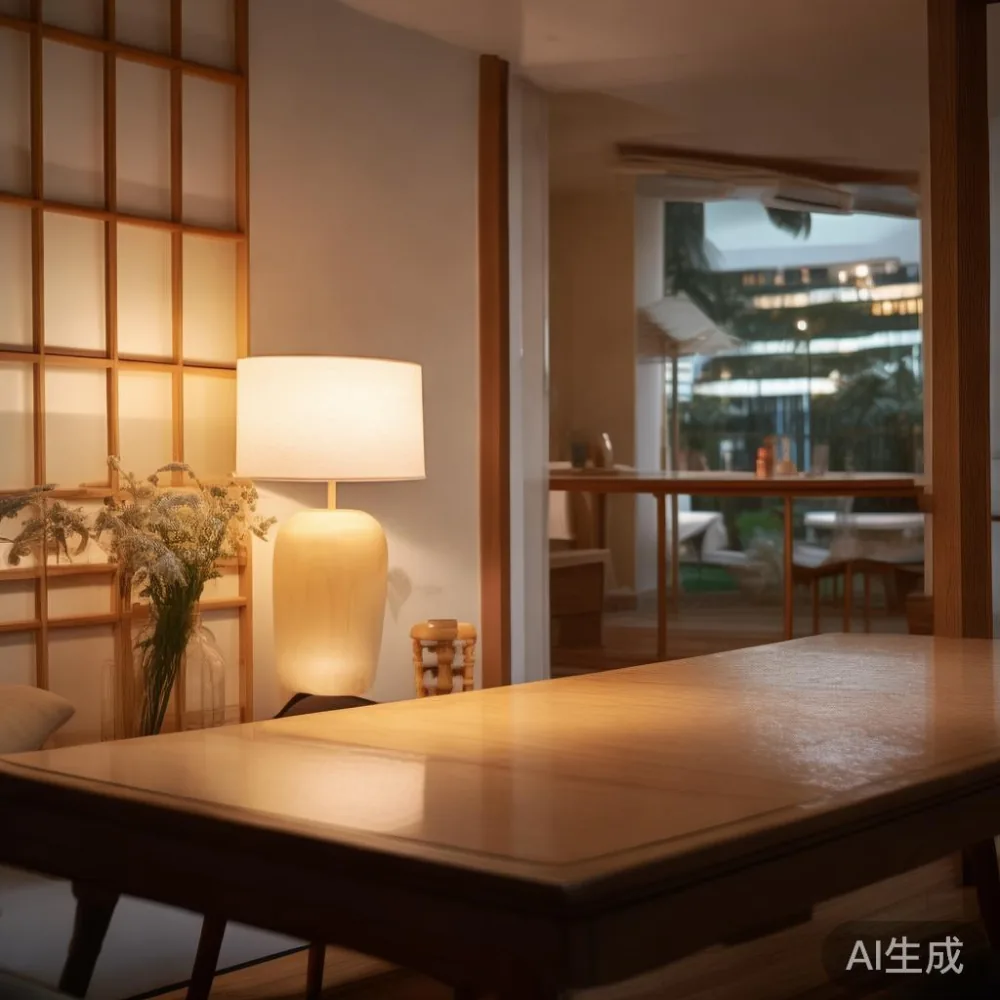
How often should I dust and wipe a japandi-style lacquered piece?
Twice a week is the minimum for a dining table used daily, once a week for a wardrobe or nightstand, and every visit for a marble table or lacquered coffee table in a living room. Use a dry microfiber cloth with a 30-40 cm sweep pattern, always moving with the grain. Skip feather dusters; their quills drag grit across the finish and create micro-scratches that scatter light and dull the surface within six to nine months.
For a deeper clean, mix 200 ml of distilled water with 5 ml of a pH-neutral wood soap (a typical Singapore retail price is SGD 18-28 for a 500 ml bottle). Wring the cloth until it is almost dry — if you can squeeze more than a few drops, it is too wet. Wipe, then immediately buff with a second dry microfiber. Never let moisture sit on lacquer for more than 30 seconds; the threshold for blushing is roughly that long in a 75% humidity room.
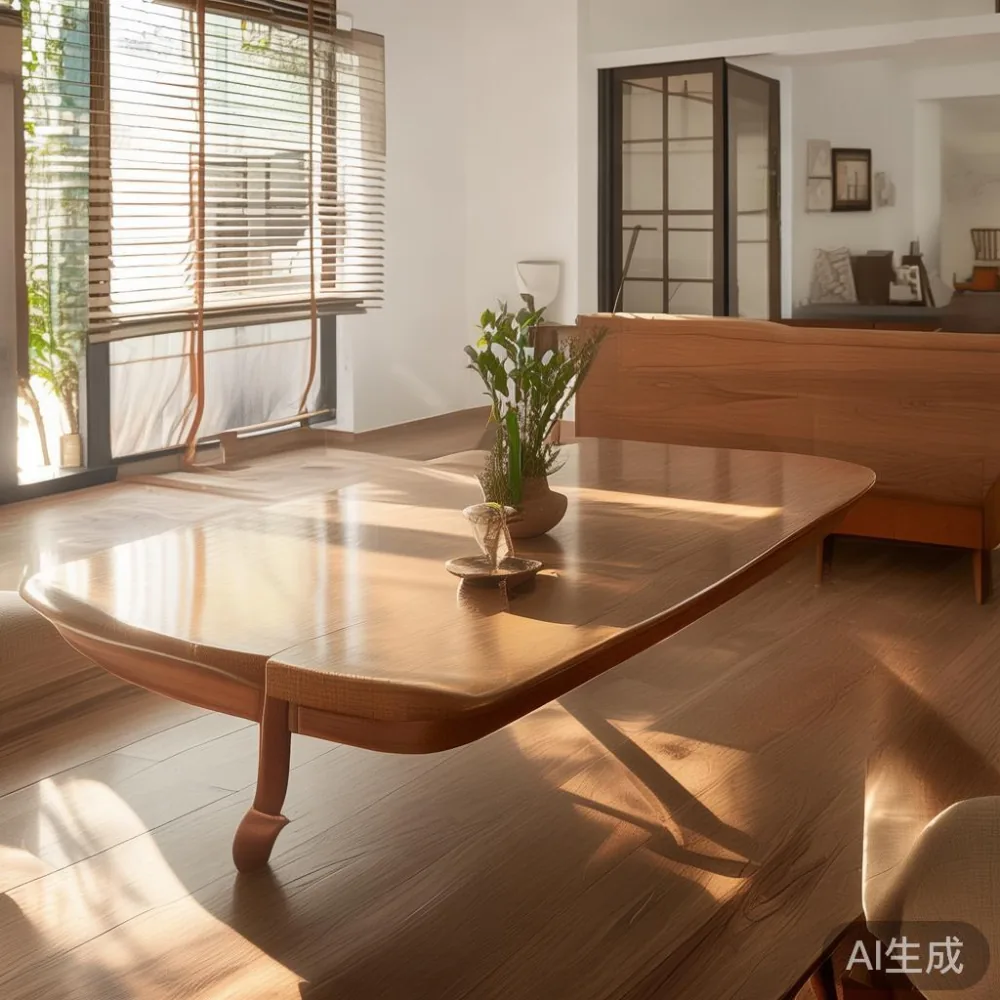
What humidity level should I keep my home at to protect lacquered solid wood?
Aim for 50-55% relative humidity year-round. Below 45% and the wood can shrink, opening micro-gaps at the joints of a solid wood dining table. Above 60% and you invite the haze and mildew I described above. A basic hygrometer with a 3 cm dial costs SGD 12-22 at any Tampines Mall or Bedok Point electronics shop. Pair it with a small dehumidifier rated at 8-12 L/day for a 90 sqm HDB flat; running cost is about SGD 4-6 per week on the standard electricity tariff.
Air-conditioning helps, but only when set between 23 and 26 degrees Celsius with "dry mode" engaged for at least two hours daily. Many Singapore residents run the compressor at 22 degrees around the clock, which dries the air too aggressively — I measured 38% humidity in my own living room after eight hours at that setting, and the joints of my wardrobe showed 0.5 mm gaps within three weeks. Climate control, not temperature control, is what protects lacquer.
How do I deal with a white haze or water ring without ruining the finish?
For a fresh ring (under 24 hours), place a 30 cm square of 100% cotton cloth over the mark and press a warm — not hot — iron against it for eight to ten seconds. The heat re-bonds the lacquer to the wood. For older blush, apply a pea-sized amount of paste wax (SGD 24-32 for 200 ml) with a soft cloth, let it haze for three minutes, then buff. Avoid silicone polishes; they smell pleasant but permanently contaminate the surface and make future refinishing a nightmare.
If the haze has penetrated into the wood itself — common on the underside of a marble table where a wet glass sat for hours — you are looking at professional refinishing. A standard 120 cm dining table can be sanded, stained, and re-coated for SGD 280-450 in Singapore, with the work taking three to five days off-site. Companies like MIDHILL, which has been making solid wood pieces for export since 2008, often offer lifetime refinishing on registered purchases, so it is worth keeping your warranty card in the same drawer as your NRIC.
Can direct sunlight damage lacquered japandi furniture in a Singapore condo?
Yes, and quickly. UV exposure of 6-8 hours per day will yellow a clear lacquer by a measurable 5-7 Delta-E units within twelve months, and the effect is cumulative. Floor-to-ceiling windows in newer Punggol or Tampines condos are a particular trap because the low-angle morning sun hits the side of a solid wood sofa or wardrobe at glancing angles, which is the worst-case scenario for UV damage. Use a sheer curtain with at least 70% UV blockage, or apply a 3M window film (SGD 18-28 per running metre installed) to any pane within 2 metres of a japandi-style piece.
Rotate accessories and small decor items every two to three months so the same patch of lacquer is not constantly exposed. If you have a lacquered white walnut scandinavian furniture piece that has already yellowed noticeably, a professional can sand back the topcoat and re-shoot with a UV-inhibited lacquer for around SGD 90-140 per square metre of surface area.
What cleaning products should I never put on a lacquered surface?
Avoid anything containing ammonia, bleach, alcohol above 5%, citrus oils, or silicone. That rules out most glass cleaners, kitchen degreasers, and "natural" sprays marketed in Singapore as eco-friendly. The pH of these products ranges from 9 to 11, which chemically etches lacquer over time. Read the label: if the back of the bottle lists "surfactants" or "solvents" before water, leave it under the kitchen sink.
Also avoid wax buildup. Two coats per year of paste wax is plenty; over-waxing creates a soft, smudge-prone film that traps humidity against the lacquer. If you cannot remember the last time you waxed, you probably do not need to wax.
How does MIDHILL's lifetime refinishing work for Singapore customers?
I called MIDHILL's service desk last month after spotting the haze on my stool, and the rep walked me through the process. You book a slot, pay a SGD 60 inspection fee (waived if the piece is within the 10-year structural warranty), and a technician visits to measure moisture content, check joint integrity, and quote the refinishing work. Pickup and redelivery inside mainland Singapore is free over USD 350, which converts to roughly SGD 480 — well within reach if you are refinishing a bed frame plus a nightstand together.
Turnaround is typically 7-14 working days for a single item, longer during the December peak when exporters are also filling Christmas container orders to their 15-plus destination markets. The piece is sanded back to bare wood, re-stained if needed, and finished with a multi-coat conversion varnish cured in a dust-controlled booth at 22 degrees Celsius and 50% humidity. Mine came back looking better than the day it was delivered.
Is American country loveseat furniture worth it?
It depends entirely on climate, and in Singapore the answer is usually no — a japandi-style or Scandi-inspired piece in solid oak or ash will outlast an American country loveseat by decades in our humidity. American country loveseat furniture is built for dry, temperate interiors and typically uses softer woods with thinner lacquer coats that blush and check within two to three years here. If you love the silhouette, source the lines through a Singapore maker who understands local conditions — that is the only honest answer to the question "Is American country loveseat furniture worth it?" when you live in an HDB flat with a lift opening of 1.1 m and a corridor width of 1.2 m.
Quick care checklist for Singapore japandi-style owners
Wipe down lacquered surfaces twice a week with a barely damp microfiber. Keep indoor humidity between 50 and 55% using a dehumidifier and dry-mode air-conditioning. Block direct UV on any piece within 2 m of a window with a 3M film or 70% sheer. Inspect joinery on a solid wood bed frame every six months, looking for 0.5 mm gaps that signal moisture stress. Apply paste wax no more than twice yearly. Book a professional inspection at the first sign of haze, ring, or yellowing rather than waiting for the damage to spread. Following this routine will keep a japandi-style solid wood sofa, wardrobe, or dining table looking showroom-fresh for 15 to 20 years, even in Tampines, Bedok, or Punggol — and that is a far better return than replacing the piece every five years because the finish gave up on the climate.