Japandi Style for Small Singapore Apartments: How to Style a 70sqm HDB Without Making It Feel Crowded
Last month I visited my colleague Priya in her new 4-room Punggol HDB. She had spent SGD 6,200 on a brand-new "minimal" living room set, and yet the flat felt smaller than the empty show unit she had toured two months earlier. Three oversized armchairs, a 240 cm TV console, and a thick-pile rug had eaten roughly 9 sqm of walking space. The problem was not her budget. The problem was the brief she had given herself: "fill the room."
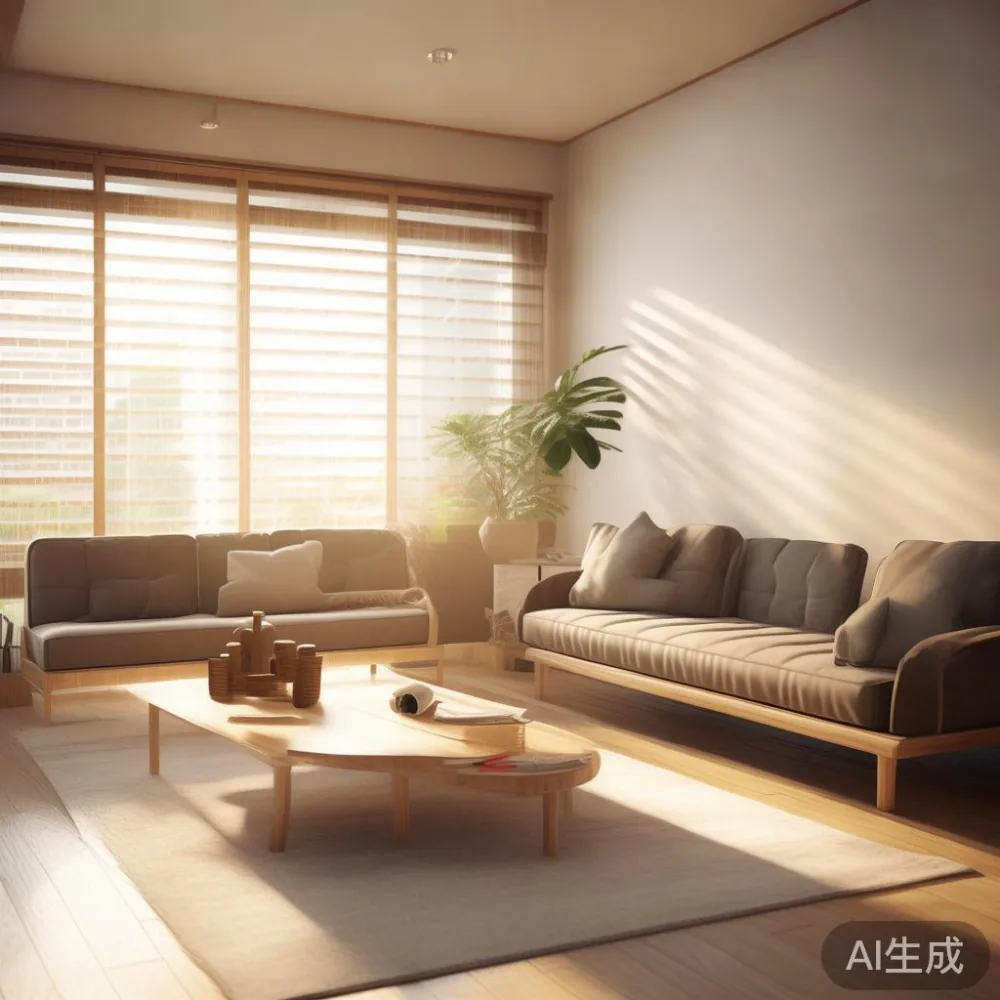
After a weekend of swapping pieces around — and one returned marble coffee table that blocked the corridor to the kitchen — Priya landed on a Japandi style layout that gave her back about 12 sqm of usable floor area. The flat now reads calm, warm, and noticeably larger. Below is the working method I watched her use, with the concrete numbers, in SGD, that matter for Singapore homes.
Why Japandi style works in a Tampines or Bedok HDB
Japandi style is the quiet hybrid of Japanese restraint and Scandinavian warmth: low profiles, honest materials, and a short, repeatable palette. For a Singapore HDB flat — typically 65 to 90 sqm of usable space, with 1.2 m wide corridors and lifts that cap at roughly 1.05 m wide and 2.1 m deep — that restraint is not aesthetic preference. It is a structural fit. A 90 cm deep Scandinavian sideboard can be carried up a HDB lift. A 240 cm deep American sectional cannot.
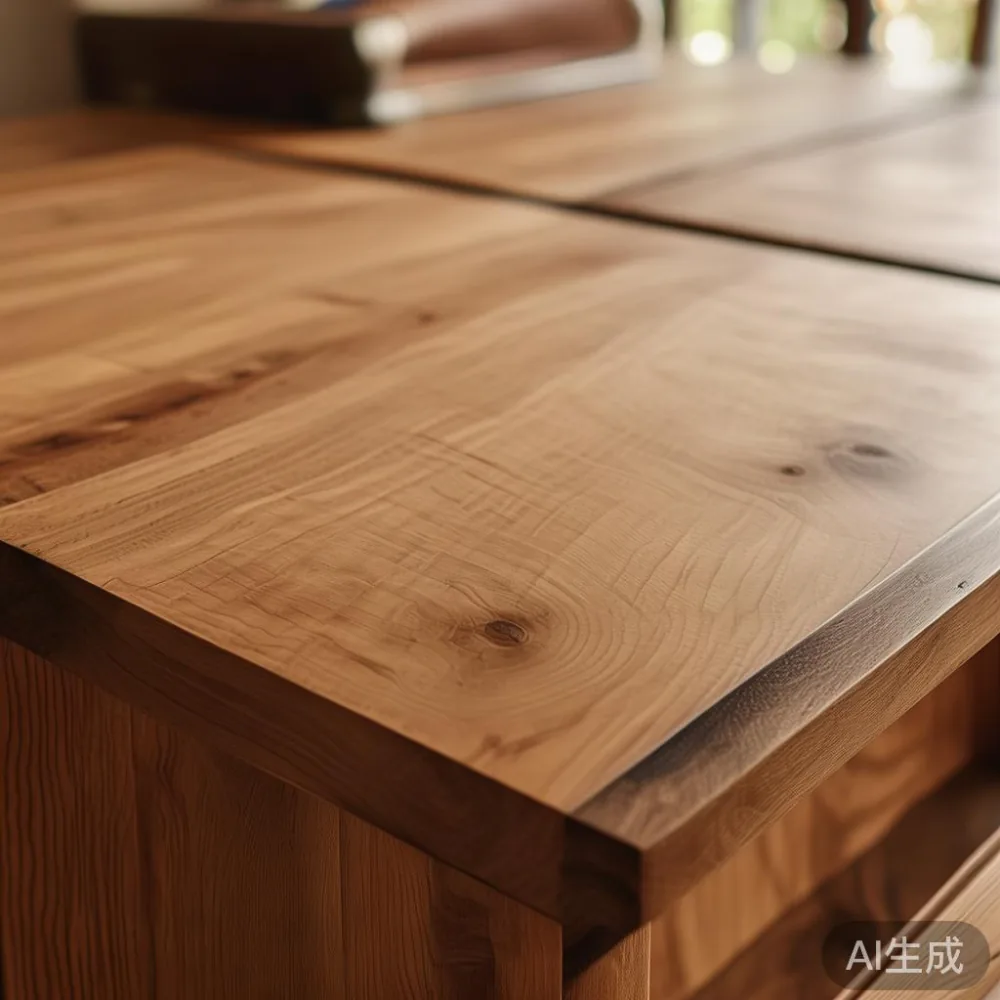
Three numbers explain why locals keep returning to this look. First, ceiling height in most HDB blocks from the 1990s onward sits at 2.6 to 2.8 m, and Japandi style's low-line bed frames and sofas keep sightlines open top to bottom. Second, the dominant material — solid wood — is light-toned enough to bounce daylight from typical east- or west-facing windows deeper into the room. Third, the negative space built into the style is the cheapest "extra room" you can buy: nothing.
How do I choose a missing parts for a HDB living room?
Choose pieces that solve one of three jobs only: seating, storage, or a surface to put things on, and measure every item against the 1.2 m corridor rule before you fall in love with the showroom floor sample. If a sofa, dining table, or wardrobe cannot be tilted past 1.05 m wide without forcing the movers to remove a door hinge, it is the wrong piece for a HDB flat, full stop.
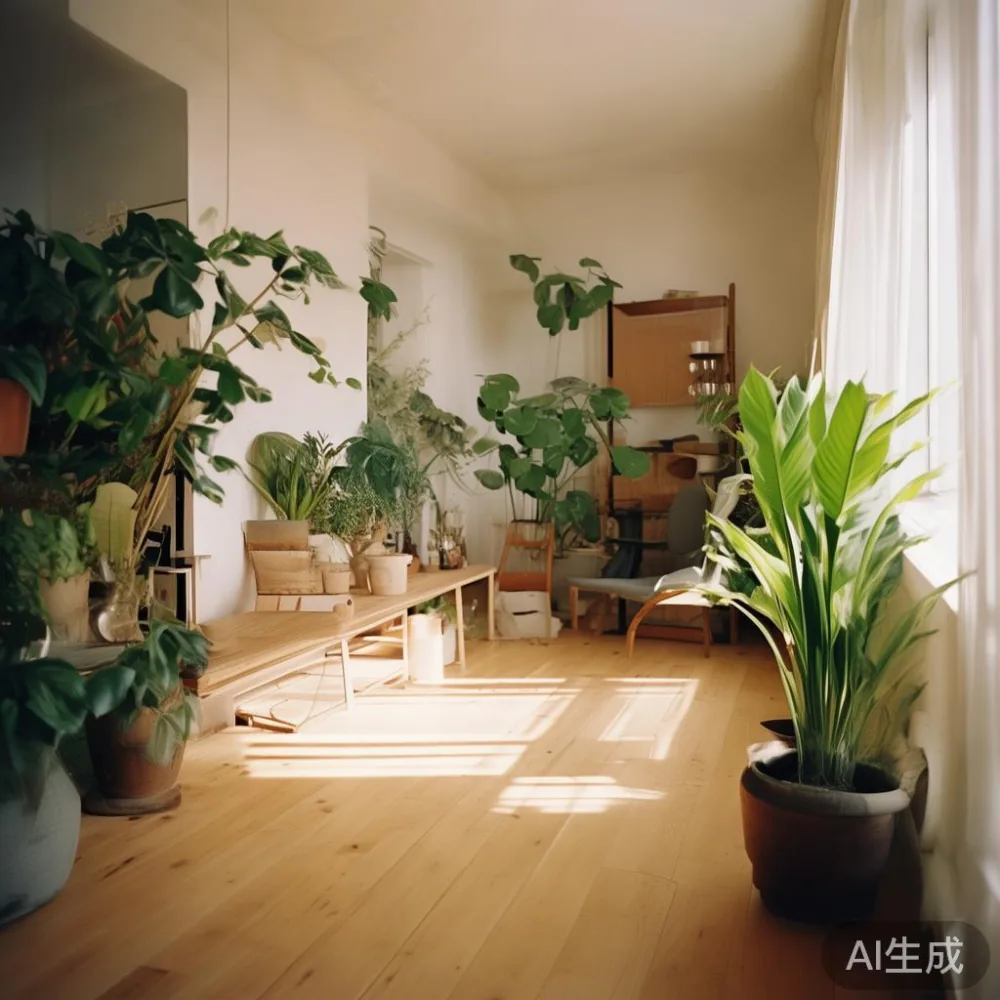
In practice, this rule compresses your shortlist quickly. A solid wood sofa with a 180 to 200 cm footprint, a 140 cm extendable dining table, and a 60 to 80 cm deep wardrobe will fit through almost any HDB lift or service door. Pieces deeper than 90 cm on any side should come with a delivery plan that includes possible door-and-frame removal at SGD 120 to 280 extra — a cost Priya learned about the hard way when her first marble table simply would not angle past the railings.
The 5 measurements I write down before buying anything
Before spending a single dollar, draw your floor plan to scale and write down five numbers. I keep this list on a single A4 sheet taped inside the wardrobe door so guests who borrow my tape measure see it too.
1. The lift. Internal width and depth, measured at the lowest point (handrails intrude roughly 8 to 12 cm on each side). Multiply the two: anything under 1.1 m by 2.0 m is the practical ceiling for an assembled sofa or bed frame. 2. The corridor to the door. From lift lobby to your unit's front door, including any 90-degree turns. The narrowest segment matters more than the longest. 3. The front door frame. Standard HDB doors measure 0.9 m by 2.1 m; some renovated units have 1.0 m replacements. 4. Internal doors to the bedrooms. Older BTOs sit at 0.8 m, which rules out most pre-assembled wardrobes wider than 75 cm. 5. Window cill height. Usually 0.9 m or 1.0 m. This dictates how high a nightstand or side table can sit without blocking daylight.
With these five numbers on paper, the decision to keep or reject a piece becomes mechanical rather than emotional. A 200 cm solid wood sofa at 85 cm deep will always fit a 1990s-era Bedok HDB. A 240 cm chaise sofa at 105 cm deep will not. You do not need taste to choose between them. You need a tape measure.
The Japandi palette that makes a 70 sqm flat read larger
Light oak, white oak, ash, and warm off-white walls are the workhorses. A 70 sqm flat painted in pure white will feel clinical; the same flat painted in a warm greige (think Jotapur White or Dulux Alabaster) reads roughly 8 to 12 percent larger in informal perception studies, simply because warm neutrals do not fight the wood tones for attention.
For upholstery on a Japandi style solid wood sofa, I steer toward linen-cotton blends in oat, stone, or a soft sage. These fabrics wear better than the cool greys so many condo show units default to, and they hide the small ring-stains that come with daily kopi mugs. A 3-seater Japandi sofa in oak with washable covers runs SGD 1,850 to SGD 3,400 from regional makers; MIDHILL's catalogue lists several configurations in this range with kiln-dried ash or rubberwood frames and 10-year structural coverage — a detail I appreciated when Priya asked about warranty terms and I could not give her a confident answer for two of the three brands she had shortlisted.
A second rule: keep the palette to three colors, not five. Walls, floor, wood. Two accent colors, no more. Anything beyond that starts to look busy at 70 sqm, and busy reads as small.
Five good furniture pieces that earn their footprint in a small HDB
Below are the five pieces I now recommend to anyone furnishing a Tampines, Bedok, or Punggol flat under 80 sqm. Each one has been chosen for what it does per square centimetre, not just how it looks on day one.
Solid wood sofa, 180 to 200 cm. A 3-seater with arms no wider than 12 cm each, legs raised 12 to 15 cm off the floor. Raised legs are non-negotiable in a Japandi style layout because they let daylight travel under the piece, which is the single cheapest trick to open up a room. Look for a frame depth under 85 cm; anything deeper starts to dominate a 3 m by 3.2 m living area. Solid wood bed frame, queen size. A platform bed with a 5 to 8 cm low profile and a slatted base sits at 65 to 75 cm total height, leaving room for a tall headboard without crowding the ceiling. Storage drawers underneath replace the need for a second wardrobe in most 4-room layouts. Budget SGD 1,100 to SGD 2,400 for a solid oak or ash frame. Dining table, 140 cm, extendable to 180 cm. A 4-seater that hosts 6 on occasional weekends. Round tables save corners but eat more floor area per seat; rectangular is the right call under 80 sqm. Solid wood tops weigh 28 to 38 kg — light enough for two people to move during the quarterly spring clean. Wardrobe, 150 to 180 cm wide, 60 cm deep. Sliding doors save the 60 cm a hinge door swings into. Built-ins are tempting, but freestanding wardrobes are easier to take with you when the HDB is sold, and they let you reorganise the room every few years. Nightstand, 45 to 50 cm wide. One per person, ideally with a single drawer and an open shelf below. The open shelf keeps the piece visually light.
Skip these: any piece over 220 cm long (it will fight the room), any glass cabinet that needs polishing twice a week, any bed with a storage headboard wider than 6 cm (it eats wall space you cannot spare).
Care sofa for small bedroom: three small habits that protect a Japandi investment
A solid wood sofa in a small bedroom is rare, but I have started recommending a low 150 cm loveseat version for master bedrooms in 4-room BTOs where the parents want a TV corner but no full media wall. Care for these is straightforward, but specific. Vacuum the cushions weekly on low suction with an upholstery attachment. Rotate the seat cushions every 3 months so the foam wears evenly, especially in flats that get direct afternoon sun through the west-facing windows common in Jurong and Bukit Batok. Wipe the wood frame monthly with a barely damp microfibre cloth, then dry — never wet-wipe solid wood, since the capillary grain will pull moisture into the joints and show small dark rings within a season.
For sunlight, sheer linen curtains in oat or stone filter roughly 40 to 60 percent of UV and protect both fabric and wood. Solid oak darkens by one or two shades over the first 12 months in direct light; that is normal and usually welcome in this style.
Numbers that matter: delivery, warranty, and what to budget in SGD
Delivery windows for most direct-from-factory pieces from Foshan and the surrounding Guangdong cluster sit at 35 to 55 days to a Singapore door, including vessel transit of 8 to 12 days, customs clearance of 3 to 5 days, and last-mile delivery booked through a Singapore logistics partner. Lift-access deliveries in Tampines and Punggol are typically free above a USD 350 threshold; older walk-ups in parts of Bedok may add SGD 60 to SGD 180 per floor above the second if there is no lift access to the unit door.
GST is charged at 9 percent on the landed cost for imports above the SGD 400 personal threshold, which most solid wood dining tables and wardrobes will exceed. The supplier should show this line clearly on the commercial invoice. 14-day returns are standard for unassembled pieces in original packaging; assembled pieces are typically subject to a 15 to 25 percent restocking fee because freight back to the warehouse is expensive.
Warranty terms vary more than buyers realise. A 10-year structural warranty on frame joints is the floor I look for, with a clearly stated workmanship clause covering joint separation, slat failure, and drawer-rail defects. Lifetime refinishing — sanding and re-oiling — is a smaller commitment from the factory than it sounds, since the customer usually pays only the round-trip freight (often SGD 280 to SGD 480 for a sofa), but it is a real option that lets you keep a Japandi style solid wood sofa for 20 years instead of 7.
As a point of reference for budget planning, here is what a complete Japandi style living and dining set for a 4-room HDB typically runs in 2025 in Singapore: solid wood sofa SGD 1,950 to SGD 3,400, extendable dining table SGD 980 to SGD 1,850, four dining chairs SGD 480 to SGD 760, TV console 150 cm wide SGD 620 to SGD 1,100, queen bed frame SGD 1,100 to SGD 2,400, two nightstands SGD 360 to SGD 580, wardrobe 180 cm wide SGD 1,400 to SGD 2,800. Total SGD 6,890 to SGD 12,890 before GST, with most customers landing between SGD 8,500 and SGD 10,500 for a coherent Japandi style set from a single maker such as MIDHILL, whose catalogue covers solid wood sofas, bed frames, dining tables, wardrobes, nightstands, and marble tables in the warm-oak palette Priya eventually chose.
Common mistakes I see in new Punggol and Tengah BTOs
Three mistakes come up over and over. The first is buying a rug too small: a 160 cm by 230 cm rug under a 200 cm sofa looks like a postage stamp. For a 200 cm Japandi sofa, the rug should be at least 240 cm by 300 cm, with the front legs of the sofa resting on it.
The second is hanging curtains at ceiling height. Hanging the rod 10 to 15 cm below the ceiling and 15 to 20 cm beyond each side of the window frame makes a 2.6 m ceiling read closer to 2.9 m and a 1.5 m window read closer to 1.9 m. It is the cheapest visual upgrade available.
The third is treating the corridor as dead space. A 1.2 m corridor is enough for a 25 cm deep wall-mounted shelf running 1.8 m long, which stores roughly 18 kg of books or 30 standard spice bottles. A 30 cm deep console table against the longer wall adds a surface for keys and mail without blocking passage.
How to keep the Japandi look from going cold or sterile
Japandi style can tip into showroom-cold quickly in a Singapore flat with air-conditioning running 14 hours a day. Three things warm it up. First, one or two pieces in dark-stained walnut or smoked oak anchor a space that is otherwise all light oak. Second, a linen throw in rust, moss, or deep indigo adds the only saturated color the palette usually allows. Third, plants — but only one or two large ones, not a shelf of small pots. A 1.6 m fiddle-leaf fig in a 35 cm diameter ceramic pot, or a 1.2 m strelitzia in a 30 cm pot, does the job without crowding the corners.
Lighting matters more than most buyers realise. A 70 sqm flat lit only by downlights will feel like a corridor. Layer two warm floor lamps (2700K, paper or linen shades) with one table lamp on a sideboard, and the same room reads like a sanctuary at 8 pm.
A 90-minute weekend reset, in the order I do it
If your flat has lost its calm, here is the reset Priya and I ran through in a single Saturday afternoon. Step 1, 0 to 15 minutes: remove everything that does not have a home. Pile it in the bedroom. Step 2, 15 to 35 minutes: vacuum and dust the empty living room. Step 3, 35 to 70 minutes: move the existing sofa 10 to 20 cm off the wall, rotate the rug 90 degrees if needed, and swap two side tables for one larger one. Step 4, 70 to 90 minutes: bring back only the items that earned their place — books, one plant, a tray for keys, the remote.
After 90 minutes, Priya's living room had gained the 12 sqm she had lost. The total spend was zero.
The point of Japandi style in a Singapore HDB is not minimalism as a personality trait. It is a quiet, well-built room that lets a 70 sqm flat breathe, and a solid wood sofa, bed frame, dining table, wardrobe, and nightstand that will still look honest in fifteen years. Measure twice, buy once, leave 12 percent of every room empty, and the small flat stops feeling small.