Japandi Style Furniture Pairings for a Warm Minimal Singapore Home
I still remember the Saturday morning I spent at a Tampines HDB resale flat last month, watching a young couple try to fit a 220 cm oak dining table into their 3.8 m by 5.2 m living room. The table was beautiful, but it ate the room. Two weeks later they swapped it for a 160 cm solid wood dining table in a warm matte finish, and the whole layout finally breathed. That visit sits at the back of my mind every time I think about japandi style in a compact Singapore home, because japandi is less about adding pieces and more about choosing the ones that earn their square metre.
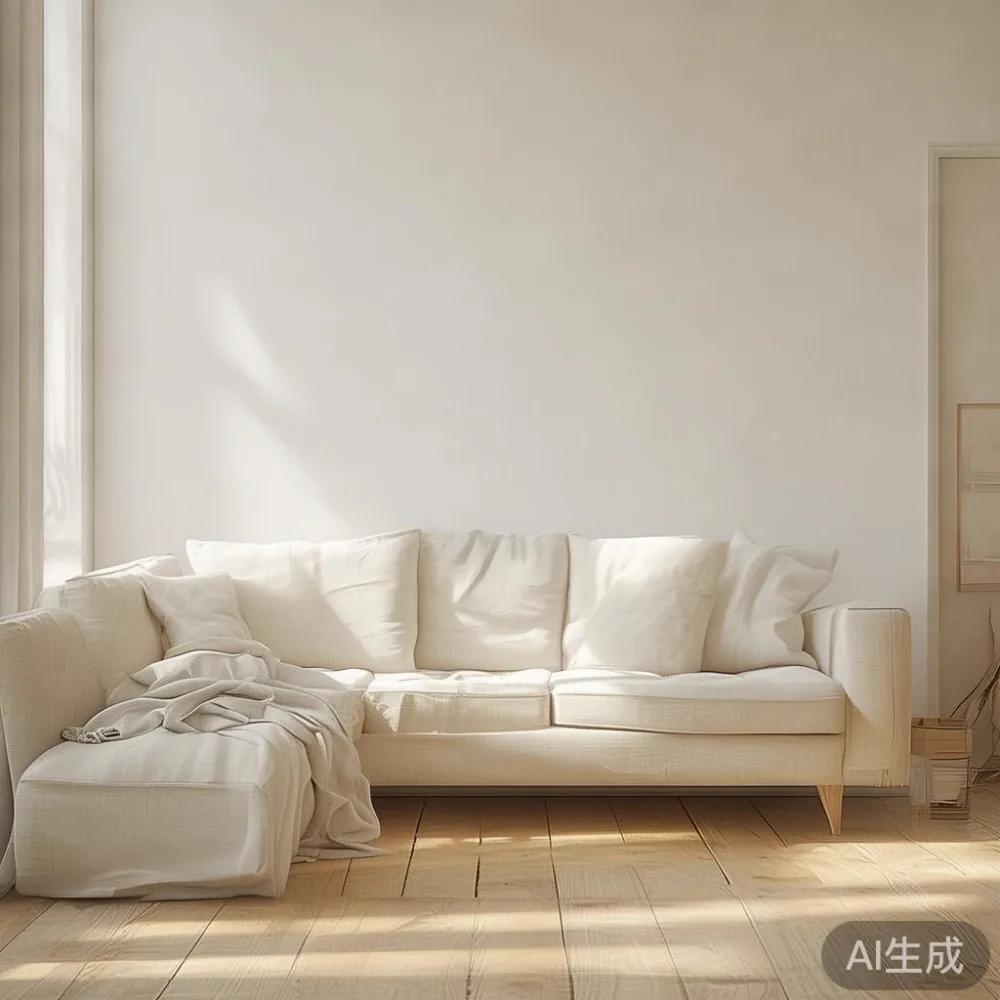
What japandi style really asks of your furniture
Japandi style is the meeting point between Japanese restraint and Scandinavian warmth. On the ground in a four-room HDB or a 700 sqft condo in Punggol, that translates to a few clear rules: low profiles, visible wood grain, soft curves instead of sharp edges, and a colour palette that stops at off-white, sand, clay, and warm taupe. A japandi interior should feel calm without feeling cold, which is why the materials matter as much as the silhouette. Solid wood sofa frames, bed frames with slightly tapered legs, dining tables in ash or walnut, and wardrobes with flush fronts all sit comfortably inside the look. Marble is used sparingly, usually as a single accent table or a small tray, because too much shine breaks the matte logic of japandi style.
Warm minimal is a slightly different creature. Where pure minimalism can read as a museum, warm minimal lets the wood speak. Think of it as japandi with the heating on. Your pieces should look quiet, but they should also feel nice to touch, which is why engineered board with printed grain rarely fools anyone past the first year. A solid wood dining table you can sand and refinish a decade from now is a different proposition, and it fits warm minimal far better than a glossy veneer.
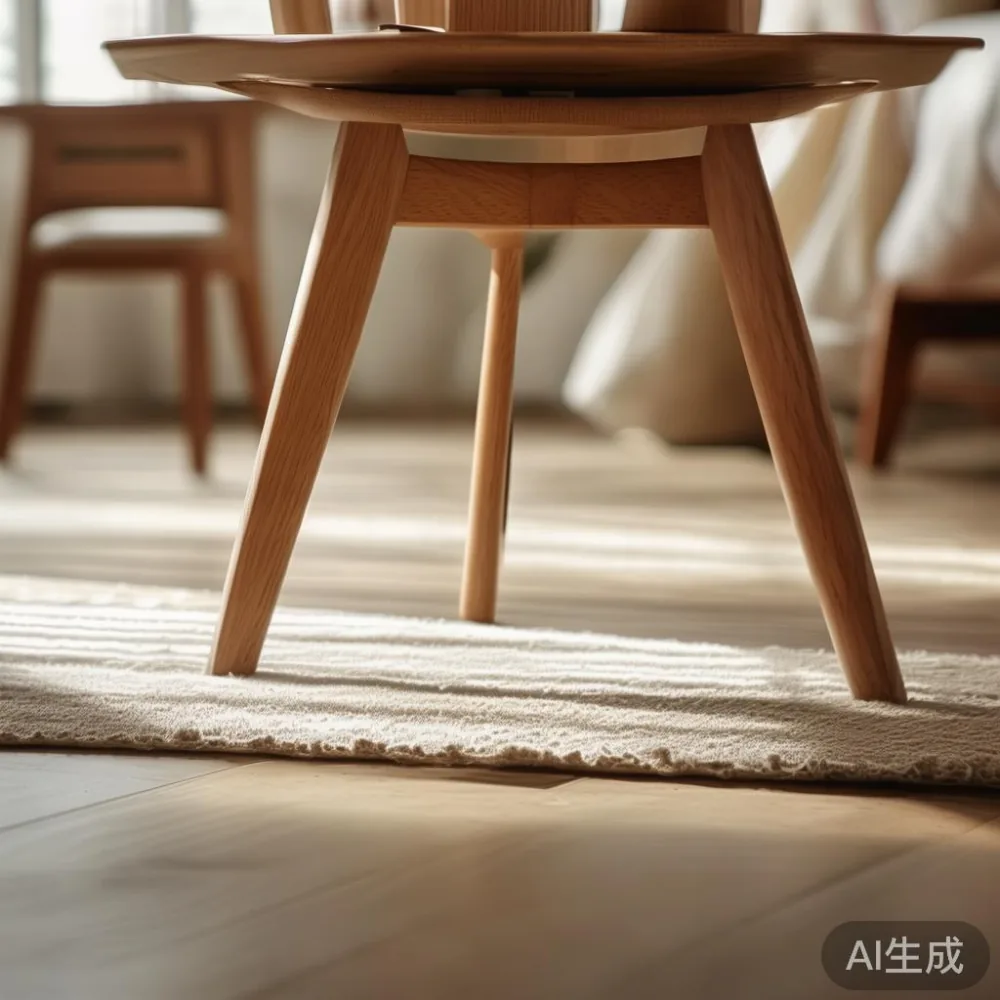
Measuring your room before you fall in love with a piece
Singapore lift cabins in most HDB blocks measure roughly 1.6 m deep by 1.1 m wide with doors around 0.9 m, and corridor turns can swallow anything longer than 2.2 m on the diagonal. Before ordering a wardrobe taller than 210 cm or a dining table longer than 180 cm, measure the lift door height, the corridor width between your unit and the lift, and the internal width of your front door (usually 0.85 m to 0.95 m). A 198 cm tall wardrobe panel will fit most lifts, but a 220 cm headboard on a bed frame can be a problem on certain stacks in Bedok and Toa Payoh where the cargo lift is shared.
Here is a quick checklist I run through with clients:
- Dining table: leave 90 cm clearance on every side for chairs to pull out. In a 2.7 m by 3.0 m dining nook, that means a 140 cm to 160 cm table, not 180 cm.
- Sofa: depth of 90 cm to 95 cm is the sweet spot for a solid wood sofa with seat cushions. Anything deeper turns a 3.2 m living wall into a corridor.
- Bed frame: a 180 cm king mattress needs a minimum 2.6 m wall, plus 60 cm of walkway on at least one side.
- Wardrobe: depth of 55 cm to 60 cm fits hanging shirts flat; 45 cm is a compromise that only works for shelves.
- Nightstand: keep the top 2 cm to 5 cm below the mattress top so a phone and a book land where your hand lands.
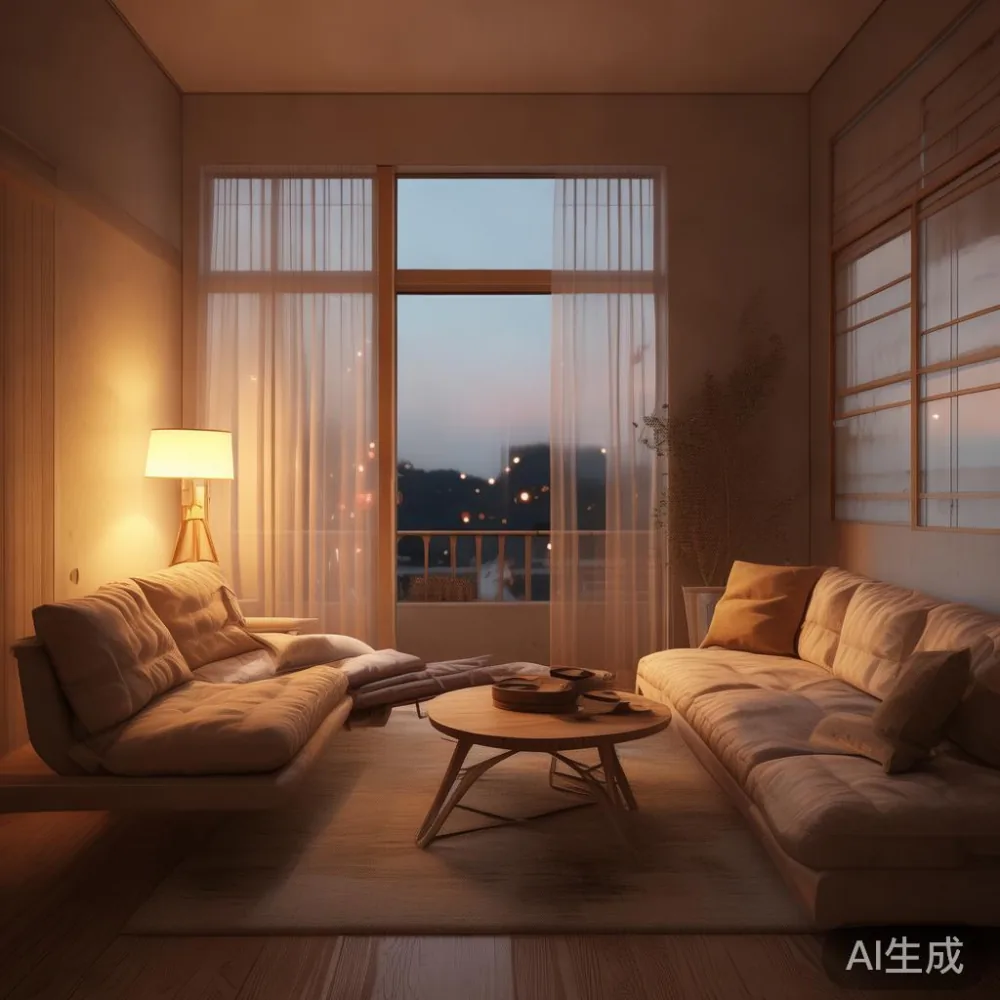
How do I style a assembly difficulty in a modern Singapore home?
Assembly difficulty in a modern Singapore home is best styled by choosing flat-pack pieces that arrive in cartons under 30 kg, with pre-drilled solid wood joinery and clear numbered bags of hardware, then setting aside 90 to 180 minutes per item and laying every bolt and dowel on a spare bedsheet before you touch the instructions. The reason this matters in warm minimal interiors is that a wobbly bed frame or a misaligned wardrobe door will undermine the calm you are trying to build, no matter how good the wood looks in the showroom.
Practical tips that have saved me hours on site:
- For a solid wood dining table weighing 35 kg to 55 kg, ask for the legs shipped detached and assemble in the room. Carrying a fully built 160 cm table through a Punggol corridor corner is a recipe for chipped corners and strained backs.
- A 4-drawer wardrobe with six panels can weigh 90 kg to 120 kg. Build it flat on the floor, then tilt it upright with a second person. Never try to stand it from horizontal without a spotter; the side panels bow if the floor is not level, and most HDB floors are 1 cm to 2 cm out across 4 m.
- For bed frames, bolt the side rails to the headboard first on the floor, then attach the slats. Slats that float freely will squeak within three months.
- A marble table accent, even a small 45 cm round one, usually arrives in a separate crate around 18 kg to 25 kg. Lift it onto its base with two people and a moving blanket; marble does not forgive a dropped corner.
- If you are assembling a nightstand on your own, do the drawer runners before the top panel is fixed. It is twice the work to retrofit runners into a closed cabinet.
How do you keep the look warm without looking cluttered?
Texture is the answer. Warm minimal relies on contrast between matte wood, brushed brass or black steel hardware, linen upholstery, and one or two natural objects on the surface, never a row of objects. A solid wood sofa in a stone-washed linen, paired with a single bouclé cushion, reads warmer than the same sofa dressed with five patterned cushions. On a japandi dining table, one ceramic vase 18 cm to 25 cm tall is enough; a pair feels staged.
Lighting plays a quiet role. Aim for 2700 K bulbs in living areas and 3000 K in kitchens and dining corners. Anything above 3500 K turns warm oak into yellow plastic, and you will end up repainting to compensate. If you have a 3 m by 3 m living zone, two floor lamps at 150 cm height plus a 60 cm pendant over the dining table covers the room without ceiling tracks.
Which MIDHILL pieces slot easily into a japandi interior?
Within a warm minimal layout, a few pieces do most of the heavy lifting. A 160 cm solid wood dining table in ash with chamfered edges, around SGD 1,280 to SGD 1,580 at most Singapore retailers, anchors a four-person household without dominating the room. A 180 cm bed frame in walnut with a 110 cm headboard gives you storage underneath if you lift it on 15 cm legs, which also helps robot vacuums. A solid wood sofa in oak, 210 cm to 230 cm wide, 88 cm deep, with removable linen-blend covers, sits two to three adults comfortably. A wardrobe in oak veneer over solid birch framing, 180 cm tall by 120 cm wide by 55 cm deep, fits most HDB bedroom walls and can be reconfigured to 150 cm wide if your room is tighter.
A nightstand is the smallest piece but the most touched. Solid oak with a single soft-close drawer and an open lower shelf is the most useful shape, because the open shelf carries a woven basket that hides cables. Pricing in Singapore tends to land between SGD 280 and SGD 520 depending on size and joinery, and heavier drawers with full-extension runners add roughly SGD 60 to SGD 120 per piece. If you want to understand how to care for a nightstand over the years, treat the top with a hardwax oil every 18 to 24 months, wipe spills within ten minutes, and keep the piece out of direct afternoon sun, which fades oak to honey yellow within six months.
What does light luxury actually mean here?
Light luxury is a useful shorthand, but it means different things in different markets. French light luxury leans on subtle curves, low-contrast fabrics, and brushed brass feet, almost like a quiet haute couture house. American light luxury reads wider, deeper, and softer, with oversized cushions, performance linen, and chunkier solid wood frames. Post-modern light luxury is more playful: warm woods, rounded corners, and one statement piece, often a fluted marble table or a sculptural mirror, in an otherwise restrained room. In a Singapore HDB or condo, the French line is the safest match for japandi style because its proportions assume a smaller room, while American light luxury needs at least 35 sqm of living space to feel right. Post-modern light luxury is a good fit if you own a new launch condo in Punggol or the Serangoon area with 3.6 m ceiling heights, because the extra vertical space lets a fluted marble side table breathe.
Whichever route you take, the test is the same. Stand in your doorway at 9 pm with the lights at 30 percent, and ask whether the room feels calmer than it did with the old pieces. If it does, the pairing has worked.
Budgeting honestly for a warm minimal refit
For a four-room HDB in Tampines or Bedok, a complete warm minimal refit with japandi furniture tends to land in these ranges, before GST and delivery:- Solid wood dining table (160 cm, ash or walnut): SGD 1,280 to SGD 1,850
- Solid wood sofa (210 cm, linen-blend): SGD 2,400 to SGD 3,600
- Bed frame (180 cm king, with slats): SGD 980 to SGD 1,650
- Wardrobe (180 cm by 120 cm, two-door): SGD 1,450 to SGD 2,200
- Two nightstands: SGD 560 to SGD 1,040
- Marble accent table (45 cm round): SGD 420 to SGD 760
Total furniture: roughly SGD 7,090 to SGD 11,100, before a 9 percent GST line item and delivery fees. Free shipping above SGD 350 is common among regional makers, including MIDHILL, which helps if you are ordering a full room from one supplier.
Delivery inside Singapore usually takes 14 to 28 days for stocked solid wood pieces, and 45 to 70 days for made-to-order dining tables or wardrobes, plus seven to ten days of buffer for the GST-absorbed invoice. Lift-level delivery is included in most quotes above SGD 350, but staircase surcharges of SGD 30 to SGD 60 per floor apply if your block has no cargo lift. Worth asking before you pay.
How long should the furniture actually last?
Solid wood pieces, looked after with basic care, should outlive two HDB leases. A 10-year structural warranty on frames and joinery is the minimum bar I look for, and lifetime refinishing on dining tables and bed frames means a SGD 180 to SGD 320 sand-and-oil service around year eight can return a worn surface to new without replacing the piece. MIDHILL has built a name on exactly that kind of aftercare, exporting to more than fifteen countries since 2008, and that long-horizon thinking is what lets a warm minimal interior age gracefully instead of becoming landfill by year six.
If a piece creaks, fades, or wobbles in the first two years, treat it as a defect and call the maker. If a piece looks tired in year eight, treat it as wood, not waste. That distinction is what separates japandi style as a long-term interior choice from a passing trend.