How to Style a Small Apartment Without Making It Feel Crowded
Small Singapore apartments can feel calm, generous, and carefully composed when every piece earns its place. The trick is not simply to buy less furniture, although reducing excess helps, but to control scale, circulation, visual weight, and storage in a way that suits HDB flats and private condos from Tampines to Bedok and Punggol. Japandi style offers a practical route: pale timber, clean-lined forms, restrained details, and tactile textiles that bring warmth without adding clutter.
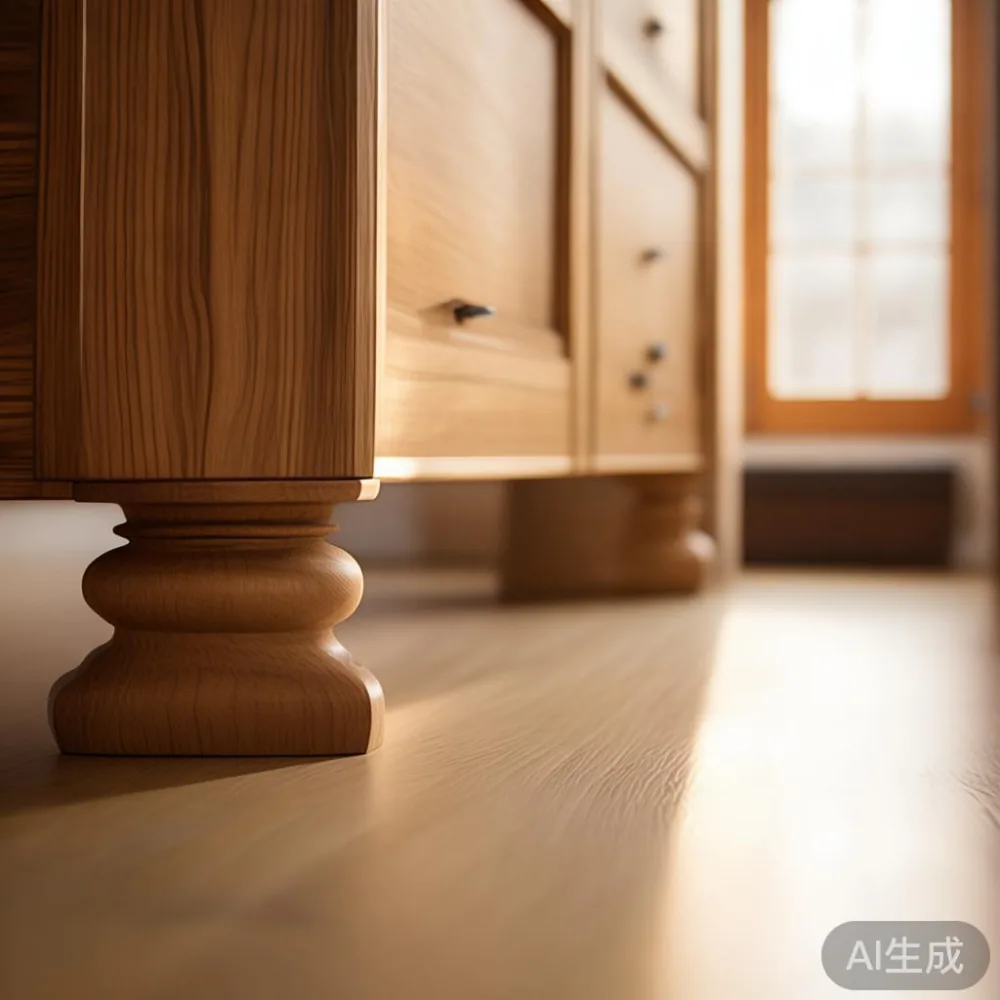
I visited a 68 sqm HDB flat in Tampines last month to test that approach. The original arrangement contained a 210 cm sofa, a bulky dining table, and freestanding storage that left only 52 cm beside the main door. We replaced them with a 168 cm solid wood sofa, a 120 cm dining table, and a 168 cm wardrobe with closed fronts. The result was not a showroom apartment; it was a home with more usable breathing room, better lighting, and a clearer daily routine.
The measurements below are designed for real Singapore constraints, including older HDB corridors, compact lift lobbies, and condos with narrower dining zones. Prices use SGD and exclude the 9% GST where applicable. MIDHILL furniture is made by a Foshan solid wood specialist established in 2008, with 10-year structural coverage and lifetime refinishing support.
What makes Japandi style work in a small Singapore apartment?
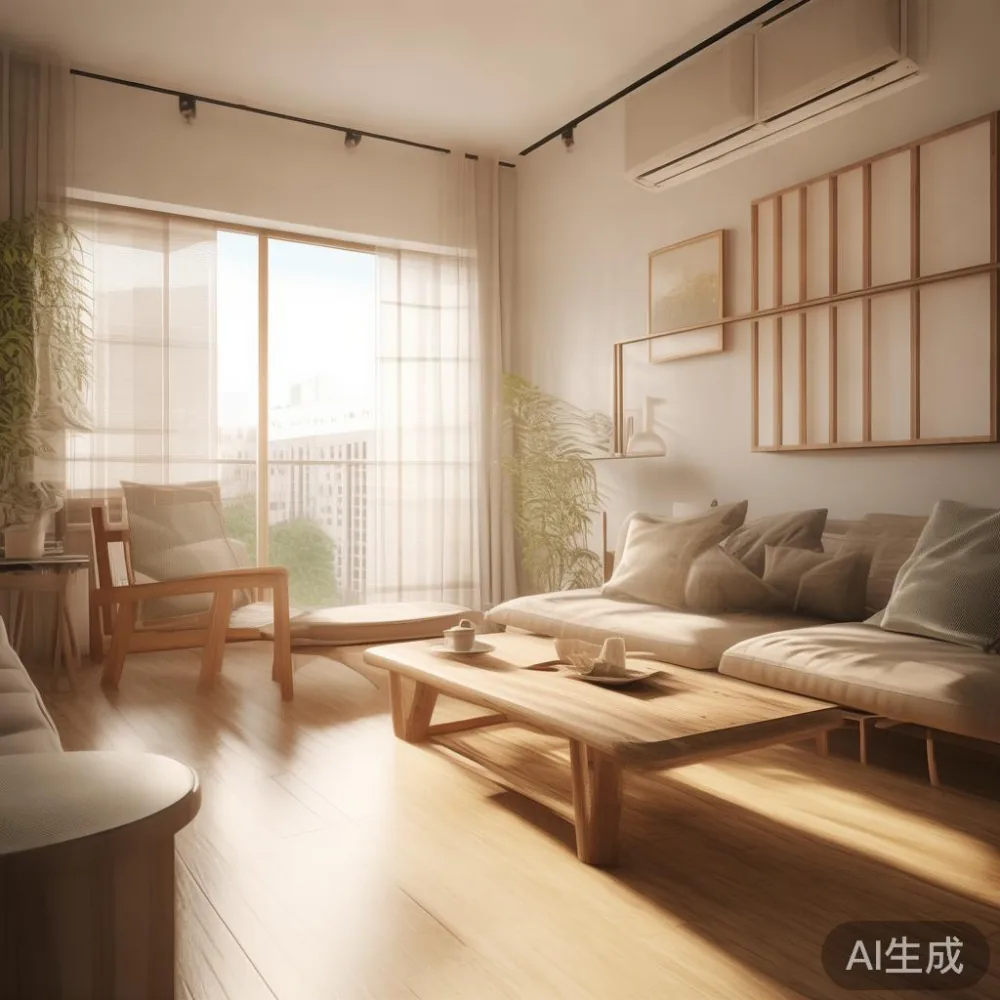
Japandi style combines Japanese restraint with Scandinavian warmth. It is especially useful in compact urban homes because low-profile forms, vertical storage, pale surfaces, and uncluttered layouts can make a room appear larger. The objective is not to create a perfectly neutral gallery. Natural grain, woven fabric, linen curtains, stoneware, and one or two matte-black accents provide contrast and character.
For a living room, a solid wood sofa between 165 cm and 180 cm wide usually balances comfort and circulation. A pair of matching nightstands may be unnecessary if one narrow table serves a queen bed, while a marble table can provide a compact surface for coffee, books, and a tray. In a dining zone, a 120 cm table seats four without demanding a separate sideboard. For sleeping areas, an oak or ash bed frame should sit close enough to the wall to preserve a passage of at least 60 cm on its busiest side.
Light-luxury positioning matters here, but scale matters more than ornament. French light luxury might suggest a pale upholstered seat with refined timber legs; American light luxury often favours generous comfort and uncomplicated detailing. Post-modern light luxury allows a little more geometry, such as an offset nightstand or a rectangular marble table. Japandi style keeps these influences quiet, tactile, and proportion-conscious.
Measure the room before choosing furniture, then measure again after delivery. Photograph the lift, corridor turns, and front door. A dining table with a 140 cm top may fit inside a 110 cm lift diagonally, yet still be difficult to manoeuvre through a 90 cm corridor corner. Practical planning prevents the polished look from turning into a stressful moving day.
How much space should you leave between furniture?
Useful space is more valuable than perfectly aligned pieces. In a compact HDB living room, allow 75 to 90 cm between the front edge of a sofa and a coffee table. This permits walking, tray placement, and seated legroom. A dining chair pulled back usually needs about 60 cm behind it; with 4 dining chairs, a 120 cm table may require a room at least 285 cm wide when the chairs are in use.
Keep 90 cm clear beside a sofa used as a passage, and avoid placing a tall floor lamp within 15 cm of a curtain. Leave 5 to 8 cm between large furniture and the wall where visual separation is helpful, but push smaller pieces closer when floor area is tight. The bed is a common pressure point. A queen bed measures about 152 cm by 203 cm in Singapore, while a king can reach 193 cm by 203 cm. A 168 cm-wide bed frame leaves only 16 cm on each side of a queen mattress in a 200 cm bedroom.
Wardrobes should not interrupt the route from the bedroom door to the bed. If the available wall is only 120 cm, an open rail plus one shelf can be more useful than forcing in a 150 cm unit. Sliding doors preserve clearance but need at least 4 cm of installation space at the sides and around the top. In humid Singapore conditions, solid wood should be finished with a suitable protective coating and allowed to acclimatise according to the maker’s instructions.
A reliable rule is to assign each area one primary function. The living room handles conversation, the dining table handles meals or work, and the bedroom handles sleep. Smaller pieces should support those functions rather than create several competing centres. This is how a small apartment can feel composed without looking sparse or crowded.
Which sofa and bed frame suit a compact flat?
A solid wood sofa with a 168 cm width and 78 cm depth is a sensible starting point for many Singapore living rooms. Seat height around 42 cm is comfortable for most adults, while arms no higher than 58 cm preserve the sightline across the room. Low backs create visual openness, and slim legs of 12 to 16 cm can make the body appear lighter. For narrow rooms, a 3-seat configuration is easier to arrange than a deep sectional.
When comparing a European sofa vs French provincial sofa, consider depth and the effect of decorative curves rather than labels alone. A European sofa with a 90 cm depth may overwhelm a 260 cm living room, while a French provincial sofa with carved edges and loose cushions can add visual detail without needing much width. Choose a clean silhouette, firm seat support, and removable covers for a family home in Bedok or Tampines.
The same approach applies to sleeping furniture. For anyone searching for the best Japandi bed for 2026, focus on the slat spacing, centre support, and total footprint rather than a fashionable name. A solid wood bed frame with a 15 cm side rail and 20 cm headboard can feel substantial while retaining useful floor visibility beneath. A queen model should include centre legs and a reinforced middle beam for two adults, while a single bed benefits from wall support.
Material finish also influences maintenance. Oak and ash have visible grain and suit Japandi style; walnut creates a darker contrast but can make a small room feel more enclosed. A matte finish disguises minor marks better than a high-gloss surface. Ask for care guidance, test the sample, and check whether replacement hardware or refinishing service is available over the product’s 10-year structural warranty period.
How do I make a dining area feel lighter?
A dining table is often the largest object in an HDB dining room, so begin with footprint. A 120 cm by 75 cm table can seat 4 people and leave room to pass when the chairs are pushed in. A 100 cm round table can also suit four, although larger parties may need an extension. Oval edges soften collisions in a narrow zone and create a gentler Japandi style profile.
Use a solid wood dining table with a light or medium natural finish, then limit visual clutter above it. One pendant centred over the table is usually enough; if the ceiling is low, a shade no more than 30 cm above the tabletop may feel compressed. Two smaller pendants can work in a room above 260 cm wide. Curtains should stop cleanly beside the window rather than gather across the table.
A marble table can be useful as a side or console surface, but it should not compete with the dining setting. A 45 cm round marble table beside a 168 cm sofa could hold a cup and a book while taking up less visual width than a rectangular unit. Since stone is heavy, check its weight before carrying it upstairs and select a lifting plan for the lift and corridor. A 35 kg tabletop may require at least 2 people and a padded moving strap.
Decorative styling should stay low. One ceramic vessel, a single branch, and 2 to 3 books create enough texture for a 120 cm table. Avoid permanent centrepieces that interfere with meals. In an open-plan condo, a slim console behind the dining table can define the space, provided at least 90 cm remains between the console and the nearest seat.
Can a Japandi-style wardrobe make a bedroom feel bigger?
Closed-front storage is one of the most effective ways to reduce visual noise. A full-height wardrobe with flat oak doors, recessed handles, and a pale finish can blend into a bedroom wall. If your search is about how to choose Mid-century modern wardrobe, compare the depth, interior fittings, and door movement with your room’s measurements. Mid-century references often include tapered legs, warm timber, and modest hardware, but a wall-mounted or fitted design usually works better in a small bedroom.
A 168 cm-wide wardrobe may suit a room where a 200 cm unit would project too far into the circulation path. Internal layouts can include a hanging section for 80 cm, a double hanging zone for 140 cm, shelves for folded items, and drawers for smaller belongings. Adjustable shelves at 5 cm intervals are more adaptable than fixed compartments. Drawers should have runners that support at least 20 kg when loaded.
Mirror doors can help reflect light, yet they also reveal fingerprints and reflect architectural interruptions. Brushed aluminium handles in warm silver or black create a crisp contrast. If a rented flat cannot accept drilling, tension-rod installations and modular storage can provide a temporary solution, although capacity and stability should be checked carefully.
For bedside storage, one nightstand between 35 cm and 45 cm wide is enough for a lamp, phone, and water. If the bed sits in a narrow alcove, wall-mounted ledges can replace the table. Choose a nightstand at least 5 cm below the mattress top so it does not interfere with sitting up in bed. This minor proportion detail keeps the bedroom calm and functional.
How can lighting and colour prevent a small flat from feeling crowded?
Light colours can broaden a room, but they should be balanced with texture and contrast. Warm white walls around 70 to 80 per cent reflectance work well with pale oak, oatmeal fabric, and sand-coloured curtains. Cool clinical white may feel stark in north-facing HDB rooms, while very dark walls absorb light and make compact corners appear tighter.
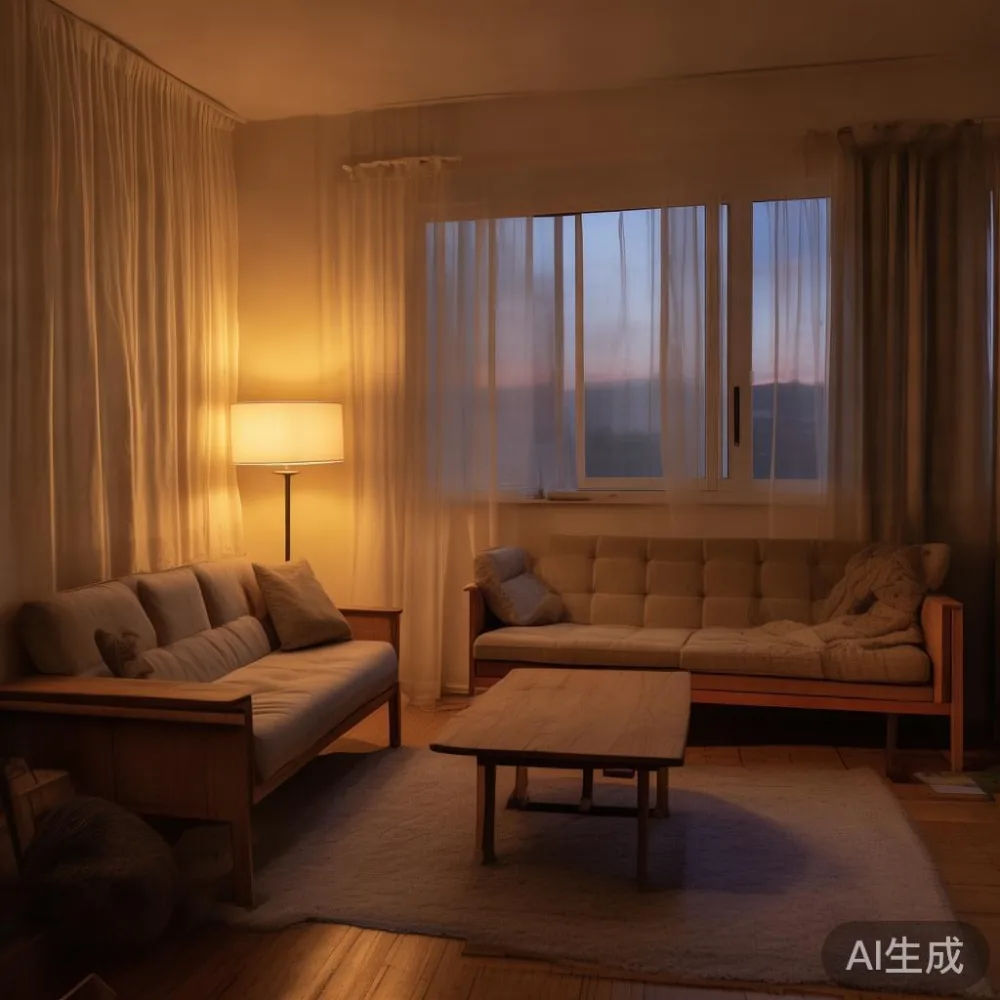
Layer 3 kinds of light: ambient ceiling illumination, task lighting at the dining table or bed, and a low accent source near the sofa. A 5 W bedside lamp with a warm 2700K bulb is sufficient for reading, while a 12 W floor lamp placed behind a chair can soften the corner without adding a bulky central table. Keep cords along walls rather than across the main route.
Mirrors should face or sit near a window to multiply daylight, but avoid covering an entire wall. A 60 cm by 160 cm mirror can brighten a bedroom entrance. Large art may feel crowded above a low sofa; one 70 cm by 90 cm print with generous wall space is easier to absorb. Plants help, too, but select them according to the available light and ceiling clearance rather than adding numerous tiny pots.
Curtains fitted close to the wall can make a window look wider. For a 140 cm opening, consider 2 panels of approximately 75 cm each, mounted 10 cm beyond each side. They should end 1 to 2 cm above the floor for a clean appearance. This kind of coordinated styling is quiet rather than showy, with Japandi style carried through proportion, texture, and restraint.
What should you check before ordering from Singapore?
Check the product dimensions, delivered dimensions, access route, and total cost before checkout. For shoppers comparing under 2000 American furniture, remember that overseas brands may quote prices before local delivery, assembly, or tax. A Singapore order should show the item price in SGD, any applicable 9% GST, delivery charges, and the delivery window clearly. MIDHILL provides free shipping for qualifying orders over US$350, although the amount is converted at checkout, so compare the final SGD total rather than assuming a fixed local threshold.
Delivery normally takes 5 to 14 days after production and dispatch, depending on the piece and route to Singapore. Larger wardrobes and dining tables may require 10 to 20 days. A lift reservation should be arranged with the building management where necessary. Record the lift car’s internal dimensions and door width, including any narrow corridor turns around the lobby.
For international purchases, the phrase European sofa vs French provincial sofa may be less useful than checking seat density, frame material, removable covers, and local after-sales support. Likewise, if a specification uses imperial measurements, ask for exact centimetres. Singapore furniture is usually described in cm, while queen and king bed labels may still follow international sizing conventions.
Confirm whether assembly is included, how many people are needed, and whether the packaging can be removed without scratching the floor. A 70 kg wardrobe needs at least 2 people, and a 90 kg dining table may need 3 or 4. The 10-year structural warranty should be understood alongside finish care, while lifetime refinishing support can add long-term value when terms and service conditions are documented.
Singapore’s 14-day return policy is another reason to inspect specifications carefully, especially for made-to-order sizes and non-standard finishes. Check the condition requirements for assembled furniture and the collection arrangements. For a small flat, the right piece is not simply attractive in isolation; it must move safely through the lift, fit the intended wall, support daily routines, and remain comfortable after years of use.
How do I create a calm final layout?
Start with a floor plan, a tape measure, and 3 priorities: seating, sleeping, and storage. Remove anything that serves none of them, then sketch possible furniture at true scale. A 1 cm drawing error matters when a 60 cm passage is the difference between an easy and frustrating room. Photograph the arrangement from the doorway because that is where spatial crowding becomes most obvious.
Repeat key materials across the home to create continuity. Oak on the bed frame, dining table, and wardrobe can make separate rooms feel related without requiring identical furniture. Add only a few dark accents, such as 2 matte-black lamp shades or one framed print. This balance between pale timber and controlled contrast reflects French light luxury or American light luxury without overwhelming a compact space.
Post-modern light luxury can appear in one asymmetrical object, perhaps a rectangular marble table with a circular side table nearby. The rule is to vary one dimension at a time rather than fill the room with competing statements. In Japandi style, craftsmanship, grain, joinery, and texture provide the detail.
Most importantly, leave room for life. A tray for keys, a basket for textiles, and 1 lamp with a warm glow are enough. The best-looking compact apartment is not the one with the fewest objects; it is the one where every object has a purpose and the circulation feels effortless. For specifications and direct access to MIDHILL’s solid wood collection, visit www.midhill.co.