Understanding Solid Wood Furniture Prices: What Drives Them
Solid wood furniture can look deceptively similar across several showrooms, yet its prices may differ by thousands of dollars. The reason is rarely the logo on the price tag. It is the timber species, grade, thickness, construction method, hardware, finish, engineering, logistics, and warranty behind each piece. For Singapore buyers furnishing an HDB flat in Tampines, a Punggol condo, or a compact Bedok home, understanding these variables can make a meaningful difference to both the budget and the final installation.
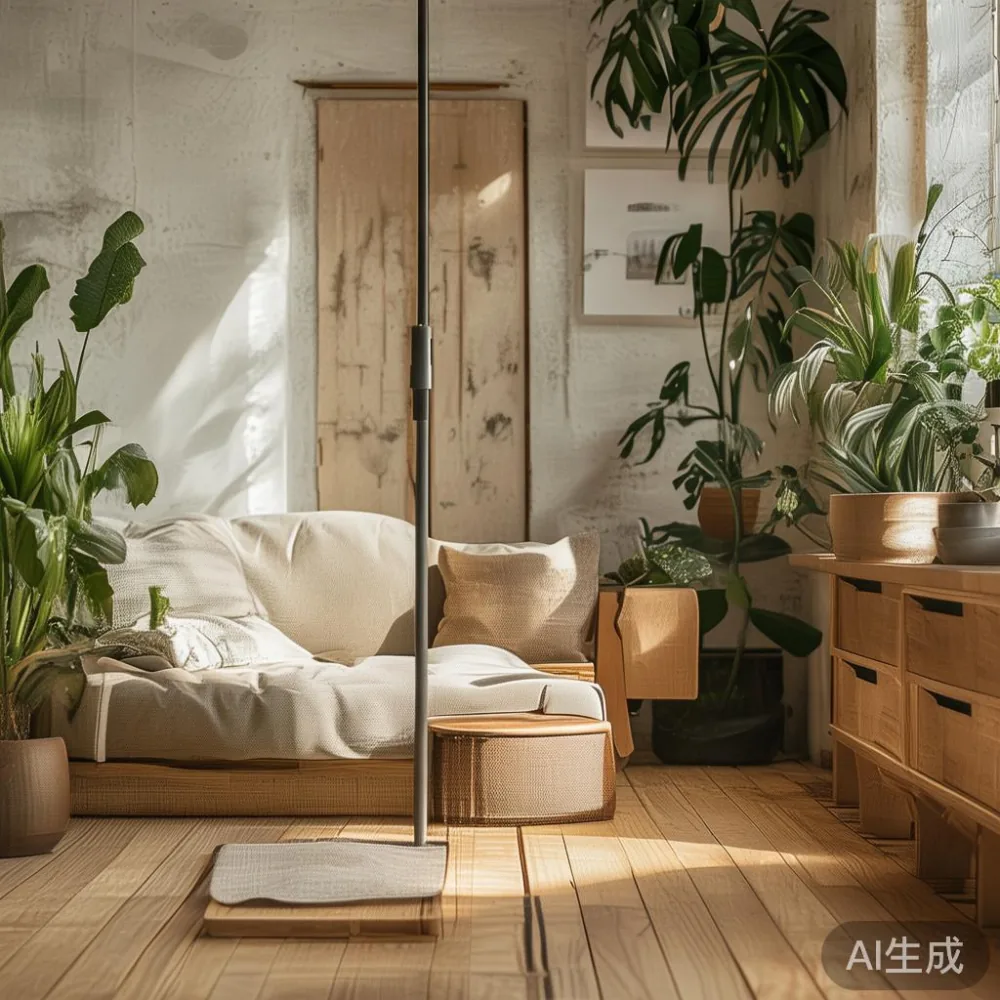
This guide explains what actually drives the price of solid wood furniture while keeping the focus on practical rooms such as the living area, bedroom, dining space, and entrance. It also considers narrow lift access, common corridor widths, delivery constraints, and Singapore’s 9% GST. The examples sit comfortably within Japandi style: restrained silhouettes, warm natural materials, functional storage, and furniture designed to work with pale walls, linen upholstery, and uncluttered spaces.
Why does solid wood furniture cost so much?
Solid wood is not a single material or a fixed price. It is a category that includes species such as oak, ash, walnut, teak, and rubberwood, each with different properties, availability, processing requirements, and market values. A visible oak dining table with long grain and knots will not cost the same as a rubberwood table with a quieter, more uniform appearance. A walnut bed frame can also command a higher material price than a similarly engineered ash frame.
Price is further affected by yield. If a log produces a lower proportion of furniture-grade boards after defects are removed, the usable material becomes more expensive per cubic metre. Thickness matters too: an 18 cm deep drawer front requires more timber than a 12 cm front, and solid wood bed frames often use components between 4 cm and 8 cm thick. A 200 cm dining table made with 6 cm legs and a 4 cm apron has a different raw-material requirement from a 160 cm version with 4 cm legs and a 3 cm apron.
Last month I visited a Singapore workshop where a craftsman showed me 3 solid oak boards that looked almost identical. One had been air-dried for 36 months, another kiln-dried for 14 days, and the third had been repaired with filler across 4 small knots. Their stickers were close, but their labour, stability, and finishing requirements were not. That visit confirmed that “solid wood” alone is not enough to compare products intelligently.
A fair comparison should ask for the species, dimensions, moisture treatment, finish, construction details, and warranty. It should also establish whether the quoted price is before or after GST and whether delivery and assembly are included.
Which wood species changes the price most?
Species is one of the clearest price drivers. White oak and ash are often chosen for Japandi style because their open grain and restrained colours work well with light finishes. Walnut has a darker tone and more dramatic figure, which can increase board cost. Teak suits humid environments but may carry a higher price depending on grade and origin. Rubberwood can offer a more controlled entry point, especially when paired with veneer or carefully selected solid components.
Grades also affect cost. “A-grade” alone may be too vague because it does not reveal whether the grade covers knots, sapwood, colour variation, or one side only. For a dining table, buyers should inspect the full top from edge to edge. A 220 cm top uses more board than a 180 cm top, while a 28 cm-wide top can reveal defects that would disappear in a 12 cm shelf.
Environmental certification, traceability, and kiln treatment add another layer. Certified sourcing, controlled drying, and documented moisture content are worthwhile in Singapore’s humid conditions. Proper seasoning helps reduce splitting and movement across seasonal changes. It also requires space and time, both of which enter the final price.
The grain direction must be considered as well. Matching grain across 5 or 6 components of a wardrobe can increase waste and assembly time. It is one reason a decorative wardrobe may cost more than a visually simpler unit even when both use the same nominal wood and board thickness.
How much do dimensions, weight, and joinery add to the cost?
Dimensions matter because wood has weight and because oversize components need accurate handling. A 180 cm solid wood dining table may weigh 48 kg, while a 240 cm version can weigh 72 kg. A 2-door wardrobe might weigh 95 kg; a larger 3-door model can reach 140 kg. Those figures affect workshop handling, packaging, loading, transport, and installation.
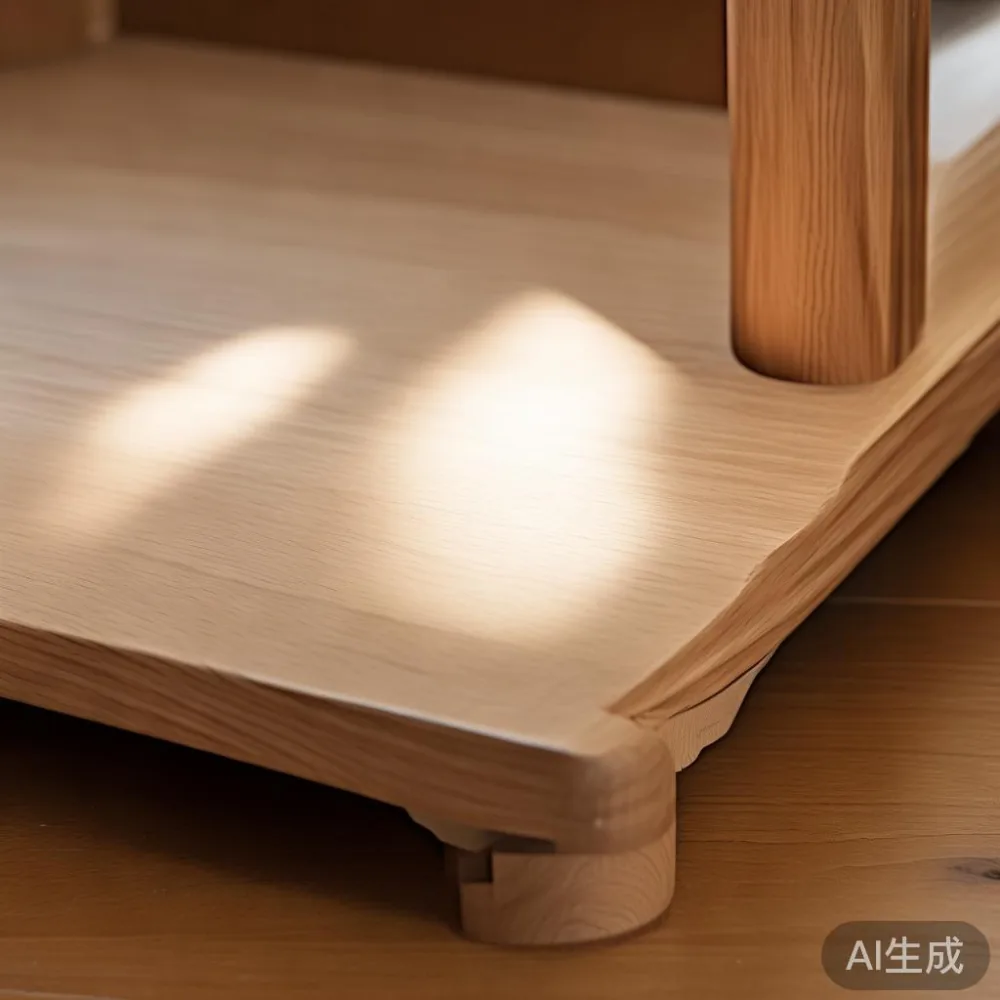
Joinery is another less visible price driver. Dowels, mortise-and-tenon joints, corner blocks, and concealed fasteners can demand more preparation than simple assembly with visible screws. Dovetail drawers are still valued, but they are not automatically the only sign of quality. A well-braced drawer with dovetail corners, solid drawer sides, and a suitable runner can serve many years without being decorative at every joint.
Engineered reinforcement can also influence the price. A long bed frame may need a centre support, curved plywood insert, or metal bracing to control deflection over a 5-year period of daily use. A wide wardrobe may need anti-tip fittings, adjustable hanging rods, and reinforced shelf edges. These details are practical rather than ornamental, especially in compact Singapore homes where walls, corners, and storage demands vary.
Do not confuse weight with quality. A 120 kg table may simply contain thick, low-grade components, while a 52 kg table with well-seasoned timber and balanced construction may be more durable. Ask how the piece is designed to flex, which joints carry the load, and what support is used beneath a heavy mattress or across a wide span.
Do hardware, drawers, and finishes explain large price differences?
Yes. Hardware can shift a furniture price by several hundred dollars because a wardrobe can contain 8 to 15 hinges, several runners, handles, hanging rods, and internal fittings. Soft-close hinges and full-extension ball-bearing runners cost more than basic hinges and fixed runners, but they influence daily usability. A nightstand may use 2 premium hinges and 2 full-extension runners, adding a smaller but still measurable amount.
Surface finish is equally influential. Lacquer, oil, wax, stain, and paint require different preparation. A 5-coat lacquer process may add days of curing and controlled handling. Natural oil can look refined but may require maintenance depending on use. The price should account for the number of coats, preparation, edge treatment, and repairability. A water-based finish with a 2-year finish warranty may offer better long-term value than a cheaper process with unclear aftercare.
This is where light-luxury positioning becomes more useful than vague prestige language. French light luxury often evokes pale woods, elegant profiles, and subtle upholstery. American light luxury tends to pair solid timber with generous comfort and familiar detailing. Post-modern light luxury can use clean planes, crisp geometry, and restrained contrast. All 3 approaches can suit Japandi style, but the finish and proportion must be intentional.
For example, a French light luxury dining table might use a slim 3 cm top, softened corners, and a pale oak finish. That requires controlled moisture and careful sanding. If you are researching how to choose light luxury bed, look beyond the headboard and examine slat spacing, centre support, fastener placement, and the finish used on hidden areas.
How should I compare a solid wood bed frame, sofa, and dining table?
Compare the amount of solid wood in the visible and structural parts, not just the product name. A solid wood sofa may have an exposed timber frame, a plywood seat deck, webbing, foam, and fabric or leather upholstery. Its price can be higher because of the upholstery labour even when the timber is ordinary. A solid wood bed frame can cost less than a sofa because it has fewer upholstered surfaces, but a slatted base and matching nightstands can bring the room total upward.
A solid wood dining table introduces questions of top construction and stability. Check whether the top is made from 1 broad board or several joined boards, whether movement joints have been used, and how the legs connect. A marble table sits in a different material category; its price includes stone selection, cutting, edge profiles, support structure, and reinforcement beneath the slab. A 140 cm round marble table may need a heavier base than a rectangular version, and the stone itself can weigh 70 kg to 110 kg.
Here is a practical Singapore comparison before GST:
- A 160 cm solid oak dining table with 4 legs: about SGD 1,650 to SGD 3,200.
- A 180 cm solid wood sofa with 3 seats: about SGD 2,300 to SGD 5,400.
- A 180 cm solid wood bed frame with slats: about SGD 1,250 to SGD 3,100.
- A 120 cm 2-door solid wood wardrobe: about SGD 1,450 to SGD 3,600.
- A 45 cm solid wood nightstand: about SGD 420 to SGD 980.
- A 120 cm round marble table: about SGD 1,800 to SGD 4,600, depending on stone and base.
These are comparison ranges, not fixed selling prices. A configuration, wood grade, finish, and delivery address can change the final figure. At a 9% GST, SGD 2,000 becomes SGD 2,180 before any delivery charge.
What does delivery to a Singapore HDB flat really involve?
Delivery is not simply “free”. It is a sequence of tasks, and access determines the labour. A standard HDB lift opening may measure 90 cm by 140 cm, although older blocks and building-specific conditions vary. A furniture lift with a door width near 80 cm may not accept a 90 cm-wide wardrobe carcass. Common corridors can be 120 cm to 180 cm wide, while a tight turn around a staircase may reject a long rigid package even when it fits the lift.
Measure the route before ordering: entrance door, corridor turns, lift car dimensions, lift door, bedroom doorway, and the intended assembly position. For a 6-panel wardrobe, flat-pack delivery can reduce the package width, but assembly still matters. A 2-door wardrobe might arrive in 2 or 3 cartons; a bed frame in 2 cartons; a dining table in 1 to 3 protected sections depending on top length and access.
Large furniture can attract a delivery surcharge of SGD 100 to SGD 450 or require a crane, hoisting, or a second crew member. An early morning or evening delivery slot may be restricted in some Singapore estates. Plan for 7 to 21 delivery days after production, and allow another 30 to 90 minutes for installation if the product is assembled on site.
MIDHILL states that shipping is free for orders over US$350, but Singapore buyers should confirm the local currency threshold, GST treatment, access charges, and delivery lead time before payment. It also offers a 14-day return window and a 10-year structural warranty, which can reduce perceived risk even if the upfront price is not the lowest quote.
For project-based enquiries, MIDHILL provides references including api.midhill.co. Anyone comparing European light luxury for hotel work should request a written specification covering wood species, moisture content, dimensions, tolerances, finish samples, hardware, packaging, and installation sequence rather than relying on a mood board alone.
Is a low price possible without compromising the wood?
Yes, but savings usually come from a clearly defined choice rather than a hidden downgrade. A buyer may choose a less expensive species, a simpler front profile, fewer drawers, standard runners, or a flat-pack wardrobe instead of a fitted installation. A thinner dining top can reduce material use, but only if the span and support remain sound.
When reviewing under 2000 Modern furniture, compare the complete specification. A SGD 1,680 dining table at 180 cm may be sensibly made with solid rubberwood, a stable stretcher system, and a durable finish. It should not be compared directly with a SGD 1,980 table that uses selected solid oak, more complex joinery, and premium hardware. The lower figure is not deceptive if the differences are disclosed.
Red flags include unexplained “wood blend”, no thickness dimensions, photographs that hide the back or underside, unclear moisture treatment, and a warranty that covers only replacement parts. Ask for close-up photographs, a cut sample, and the full drawing. If you are weighing Rustic for dining room ideas against Japandi style, remember that “rustic” can be achieved through grain, knots, texture, and a solid top rather than artificially distressing every edge.
For wardrobes, the phrase how to choose Japandi wardrobe is useful shorthand for a disciplined approach: flat or lightly profiled fronts, integrated pulls or simple handles, a warm wood tone, aligned doors, and internal organisation matched to the room. If you want a named design reference, the MIDHILL light luxury wardrobe collection can be evaluated against those proportions, along with hinge quality, hanging space, shelf load, and delivery access.
What questions should I ask before paying for solid wood furniture?
Ask: “Which tree species is used, and where?” “What are the board dimensions?” “How was the timber dried, and what moisture range applies?” “Which parts are solid wood, and which are plywood, veneer, metal, or stone?” “How are drawers and doors suspended?” “What is included in the finish warranty?” “Can I see a physical sample?”
Then add 3 local questions: “Will this fit the lift and corridor?” “What is the delivered price including 9% GST?” “How many days from order to delivery?” These answers reveal more than a broad product label.
Buyers should also check the care instructions. Solid wood responds to humidity, sunlight, spills, and heat. Keep a dining table away from a window with direct afternoon sun, use coasters and felt pads, and maintain indoor humidity where practical. A nightstand should not sit directly against a damp bathroom wall. These habits add service life without requiring replacement.
How do I make the final price decision?
The price of solid wood furniture is driven by the sum of material, precision, design, hardware, finish, access, and after-sales support. A lower number may reflect simpler construction, while a higher number may pay for selective timber, better components, controlled finishing, or easier ownership. Neither is inherently better; clarity is what matters.
For a Singapore home, set a room budget before comparing individual pieces. A dining room at SGD 4,000 before GST might include a SGD 2,200 table, 4 chairs at SGD 260 each, a SGD 800 sideboard, and delivery. A bedroom at SGD 3,500 before GST might include a SGD 1,800 bed frame, 2 nightstands at SGD 450 each, and a USD 650 or SGD 950 wardrobe depending on specification. Separate furniture, accessories, GST, and access fees so the total remains understandable.
Choose materials that suit the space and the way you live. Japandi style is not a fixed shopping list; it is a balance of proportion, texture, and restraint. A compact 150 cm dining table in a narrow Tampines dining area may serve better than an oversized model. A flat-front wardrobe can preserve visual calm in a Punggol bedroom, while a carefully proportioned solid wood sofa and light oak bed frame can create continuity without making the home feel heavy.
Request the final specification in writing, measure the route, compare like with like, and consider the 10-year structural warranty, lifetime refinishing, and 14-day return policy as part of the price. A well-chosen solid wood dining table, wardrobe, nightstand, sofa, bed frame, or marble table should not merely fill a room; it should make the room easier to use every day for years.