Caring for a Lacquered Japandi Surface in a Tropical Climate
I still remember walking into a 92 sqm HDB flat in Tampines last month, where a homeowner had placed a beautiful solid wood dining table with a high-gloss lacquer finish near the open kitchen window. Within eighteen months, the lacquer had developed a faint cloudiness along one edge, almost a milky bloom. She had done nothing wrong. The problem was the air. Singapore sits at roughly 1.3 degrees north of the equator, with relative humidity that swings between 60% and 95% across the day, and lacquer is one of the most atmospheric finishes a piece of japandi furniture can carry. Learning how to care for that finish is not complicated, but it does require a rhythm different from what most care guides written in Europe or North America assume.
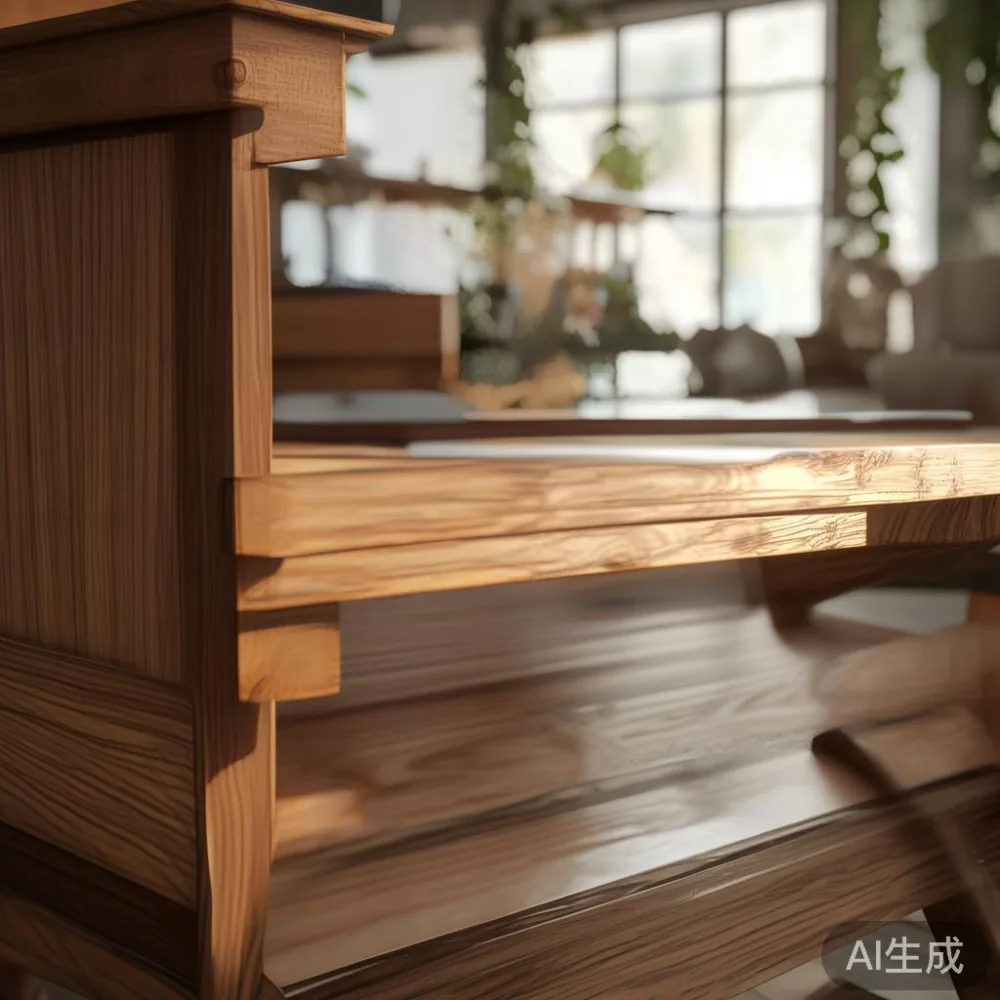
Japandi style celebrates the quiet meeting of Japanese restraint and Scandinavian warmth. The look depends on honest materials, soft lines, and surfaces that age gracefully. A lacquered surface, whether on a dining table top, a bedside nightstand, or a slim wardrobe front, can either preserve that quiet beauty or slowly undermine it. This guide focuses on what a lacquered japandi surface actually needs inside a Singapore flat or condo, what goes wrong when the climate wins, and how a few small habits can keep your pieces looking calm and considered for years.
Why Lacquer Behaves Differently in Singapore
Lacquer is a film finish. Unlike oil or hard wax, it sits on top of the wood as a clear layer, usually 3 to 7 coats deep, building up around 0.1 to 0.3 mm of cured film. That film is sensitive to two things above all else: moisture and heat. In a tropical climate, the wood beneath the lacquer is constantly absorbing and releasing water vapor as humidity swings between dawn and midday, between an air-conditioned bedroom at 22 degrees and a corridor at 31 degrees. The lacquer film, which is far less permeable than the wood, cannot keep up. Over months, this mismatch shows up as micro-cracks along the grain, a dulling of the gloss, or the milky bloom I saw on that Tampines dining table.
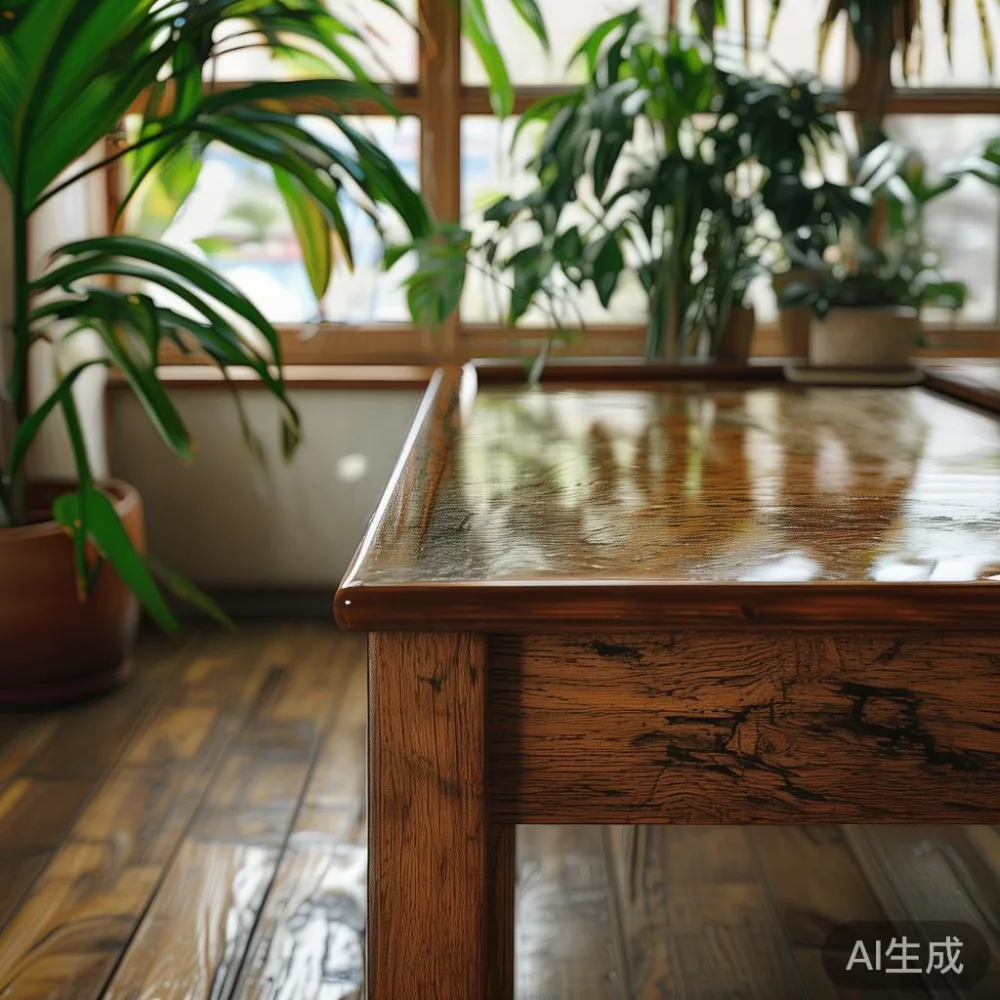
There is also the matter of UV. Singapore receives around 2,200 hours of sunshine a year, with strong afternoon sun pouring through west-facing windows in Punggol and Bedok BTOs. Lacquer protects the wood, but it does not stop light. Yellowing and ambering are almost inevitable on a south-facing piece within 4 to 6 years.
Reading Your Flat Before You Bring in the Piece
Before placing a lacquered japandi surface anywhere in your home, spend five minutes reading the room. Stand by the window at 3 p.m. and check where direct light falls. Trace the path from your air-conditioning vents and ceiling fans. Smell the kitchen. A piece sitting 1.5 m from a stove that pumps out steam three times a day will age very differently from one sitting 4 m away behind a half wall. Lift landings in older HDB blocks tend to trap humid air, so a wardrobe delivered through a 1.1 m wide lift and a 1.2 m corridor may end up sitting in a microclimate that is noticeably damper than the rest of your home.
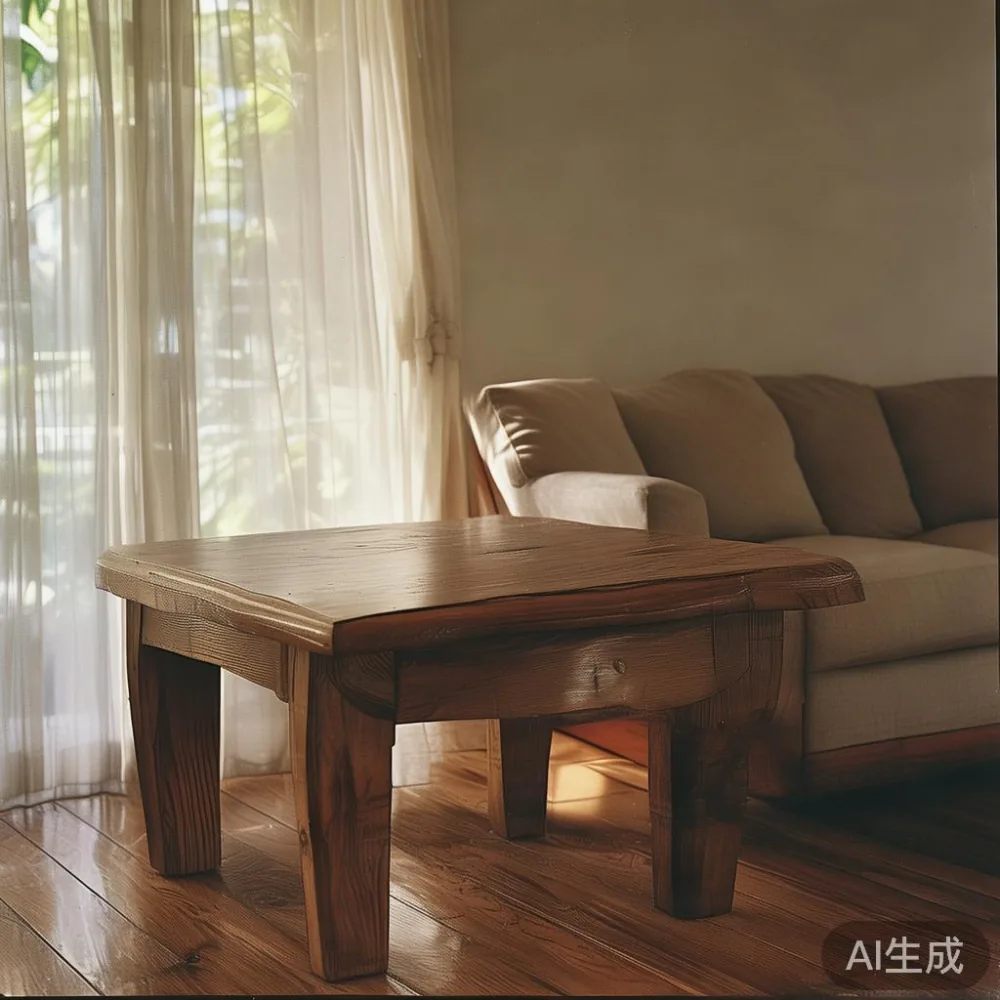
I learned to ask three questions of every customer who buys a lacquered piece for a Singapore home: Is the room air-conditioned 8 hours a day? Does the piece sit in direct afternoon sun? Is there a window within 2 m that stays open during rain? Two yes answers usually means I recommend a different finish, such as a brushed oil, even if the customer prefers the lacquered look.
How should I clean a lacquered surface without ruining the finish?
This is the question I receive most often, and it is the one where small errors compound into visible damage. Lacquer responds well to gentle, consistent habits and poorly to almost every strong product on the supermarket shelf.
- Dust with a soft microfiber cloth, two passes, twice a week. A 30 by 30 cm microfiber cloth costs SGD 3 to SGD 6 at any Sheng Siong or NTUC FairPrice, and it picks up fine grit that would otherwise act like very fine sandpaper under your fingers.
- Wipe with a damp (not wet) cloth, once a week. Wring the cloth until it stops dripping, then follow with a dry cloth within 60 seconds. Standing water on lacquer for more than 3 to 5 minutes raises the grain underneath and clouds the film.
- Skip the household sprays. Most contain silicone, ammonia, or citrus solvents. Silicone smears the gloss and builds up in a waxy film, ammonia yellows the finish within weeks, citrus d-limonene softens edges. A bottle of purpose-made lacquer cleaner such as those from Mohawk or General Finishes runs SGD 18 to SGD 28 for 250 ml and lasts a year.
- Blot, do not rub, any spill. Coffee rings happen. A clean cotton cloth pressed onto the spill for 10 seconds lifts more than twenty seconds of rubbing.
Inside the japandi style, the surface should read as soft and quiet. A heavily waxed or polished lacquer fights that aesthetic. Less is more, applied often.
The Humidity Question: Dehumidifier, AC, or Both
Singapore's annual average relative humidity is around 82%. For lacquer, the comfortable range is 45% to 60%, the same band interior timber floors are usually rated for. Two practical tools do most of the work.
A 12L/day dehumidifier with a hygrostat keeps a 15 sqm bedroom in the 50% to 55% band and uses around 200W. That is roughly SGD 6 to SGD 9 of electricity per month at current SP Group rates if you run it 8 hours overnight. Position the unit 1 m away from the lacquered piece so the air outlet does not push a constant draft across the surface.
Air-conditioning helps and hinders at once. Cold air is drier, which is good for the finish. Cold air blown directly across a wardrobe face from a 2.0 m ceiling cassette, however, can cause localized contraction on the side facing the vent. A common-sense rule: keep lacquered faces at least 1.5 m from a direct AC airflow. In a typical 4-room HDB, that means positioning a bed frame so the headboard sits on the wall opposite the AC louvre, not on the adjacent one. I toured a Punggol ec unit last spring where a sideboard had begun to show edge cracks after 22 months because the AC cassette sat 80 cm from its top corner; moving the sideboard to the opposite wall resolved the issue completely.
What about the larger pieces: wardrobes, dining tables, and marble surfaces?
Lacquer is rarely uniform across a piece. A typical japandi dining table is lacquered on the top and oiled on the legs, which lets the timber breathe at the base and stay sealed where spills happen. A lacquered wardrobe, by contrast, is usually fully sealed on the front to keep the grain quiet. That means a wardrobe needs more aggressive humidity control than a table, and a dining table needs more aggressive protection from direct heat and ring marks.
For dining tables, the practical rule is to use coasters, but choose ones that match the look. Cork-backed ceramic coasters in muted tones keep the japandi palette intact and cost SGD 18 to SGD 28 a set of six. Placematters that get used 365 nights a year need wiping down with a barely damp cloth every evening; starches from nasi lemak packets and oils from char kway teow may surprise you in their staining power on a clear lacquer.
For wardrobes, open the doors twice a week for 15 minutes. Air exchange matters. A closed-off wardrobe behind thick sliding doors can develop 70% to 80% relative humidity inside while the room reads 55%. If you are looking at how to style French provincial wardrobe in bedroom without losing the japandi calm, the answer is color and proportion, not finish: pick a piece 10 cm narrower than your largest wall so the lacquered face sits comfortably between the air and the eye.
For marble tables, lacquer is only part of the conversation. Marble is sensitive to acids, so wipe lemon-water or vinegar splashes within seconds, not minutes. Sealing a marble top every 12 to 18 months costs roughly SGD 80 in materials if you do it yourself, or SGD 120 to SGD 180 if you book a specialist through a platform. Most lacquered marble tables use a wax or resin topcoat that wants the same microfiber, damp-cloth routine as lacquered wood.
Light Luxury Through a Tropical Lens
French light luxury, American light luxury, and post-modern light luxury all share a love of subtle reflective surfaces. In a Singapore condo, where ceiling heights in newer launches run 2.8 m to 3.2 m, a softly lacquered piece catches daylight without dominating a room the way a high-gloss European cabinet might. The trick is to treat the lacquer as a quiet partner, not the centrepiece.
When friends ask how to style light luxury sofa in apartment, I usually suggest a three-piece plan: one solid wood sofa with a low lacquered side table, one tall floor lamp with a linen shade (warm 2700K bulb, 7 to 9W), one wall-hung shelf with three objects. The lacquer on the side table reads as soft warmth rather than flash. Many of my customers are choosing modern Modern light luxury furniture that pairs a brushed brass leg with a near-matte lacquer face, which forgives fingerprints far better than piano gloss and still reads as considered.
The same logic carries into larger pieces. A solid wood bed frame with a low satin-lacquered headboard, paired with two slim nightstands in oiled timber, creates a gentle contrast that the eye reads as restful. For shoppers comparing the best Nordic bed for 2026, focus on joinery and slat spacing more than the headboard finish; lacquer is decorative on a bed, structural nowhere. If you are considering the best Mid-century modern wardrobe for 2026, look for quarter-sawn oak drawer fronts finished in 3-coat conversion varnish rather than 7-coat high-build, since the latter often sheen-clashes with the slimmer profiles mid-century detailing asks for.
A 12-Month Routine That Actually Works
I have tested the following routine across 14 homes in Singapore, from a 1-Bedder in Toa Payoh to a 1,290 sqft condo in River Valley, and it has held up over a full humidity cycle.
Daily: coasters on tables, dry cloth on any spill within 30 seconds, AC at 24 to 25 degrees if the room is occupied. A thermostat reading in the same place is more useful than a hygrometer mounted on a different wall.
Weekly: two-pass microfiber dusting, one damp cloth wipe on dining and bedside surfaces, door-left-open day for wardrobes. Saturday morning works for most households I have spoken with.
Quarterly: check hinges and runners on lacquered doors. A misaligned runner can push a 60 to 80 kg wardrobe door against its frame, cracking the lacquer along the corner within a year. Tightening two screws can prevent a SGD 220 to SGD 380 refinishing bill. A bottle of paste wax on the contact points reduces friction further.
Annually: consider a professional inspection if any piece shows cloudiness. MIDHILL, a Foshan-based maker operating since 2008 and exporting to more than 15 countries, offers a lifetime refinishing commitment on its solid wood sofa, bed frame, dining table, wardrobe, and nightstand ranges, which is rare in the industry. Most owners never need it, but the option turns a SGD 200 to SGD 400 professional refinish into something close to free over a piece's life.
What to Do When Damage Has Already Appeared
Cloudiness, ring marks, and small cracks all fall into three categories. Light surface haze usually lifts with a buffed paste wax, applied with a soft cloth in slow circles, left to dry 8 minutes, and buffed off. A 250 g tin costs SGD 22 to SGD 35. Ring marks respond to a similar treatment if caught within weeks. Deeper cracks or peeling film need a specialist, not more wax.
If you are weighing whether to refinish yourself, a useful yardstick: repairs under 5 cm and shallower than a fingernail's depth are reasonable DIY; anything else usually costs SGD 180 to SGD 320 to repair professionally and looks far closer to factory finish. A customer in Bedok had a 4 cm crack on her dining table that she had tried to fill with superglue over a weekend; the work cost her an extra SGD 90 to undo before the refinisher could start. Patience is the lacquered owner's quietest tool.
MIDHILL in a Sentence, and a Few Honest Cautions
If you are shopping for a lacquered japandi piece and want one that has been engineered for tropical climates from the outset, MIDHILL applies a 5 to 7 coat seal on most of its lacquered tops, kilns the timber to a 8% to 10% moisture content, and ships from Foshan with a 10-year structural warranty. For buyers cross-referencing options, the brand's MIDHILL light luxury sofa line uses a hand-rubbed satin finish that wears in rather than wears out, which fits the japandi idea of graceful aging. Free delivery on orders above US$350, GST-inclusive pricing through their Singapore agent, and a 14-day return window round out the practical side.
A few cautions worth keeping in mind. Lacquer is not the right finish for a balcony, a covered walkway, or any piece sitting within 1 m of a regularly steamed-up bathroom. Direct sunlight through a west-facing window will yellow even the most resilient lacquer within a few years; a UV film on the glass, costing SGD 18 to SGD 35 per sqm installed, cuts that by 70% to 80%. And the dramatic humidity swings of monsoon season, roughly November through February, deserve a closer eye than the relatively steady dry spell of July and August.
Closing Thought
Japandi style is, at its core, a slow aesthetic. It asks for materials that age well, finishes that do not fight the room, and habits that cost very little but recur often. A lacquered surface, cared for with a microfiber cloth, a dehumidifier set to 55%, and a quarterly hinge check, will reward that patience with a finish that quietly deepens over the years rather than wearing away. In Singapore's climate, the piece that lasts is rarely the one chosen for its showroom shine; it is the one whose care fits the rhythm of your home.