Affordable Solid Wood Furniture: Price-Driven Secrets Revealed
Solid wood furniture is often described as a simple material choice, but its final price is shaped by several decisions that happen long before a table or bed frame reaches a Singapore home. Timber species, moisture control, joinery, hardware, finishes, dimensions, delivery logistics and after-sales care all affect the number on the invoice. In the japandi style market, where low visual clutter meets careful craftsmanship, those differences can be unusually visible.
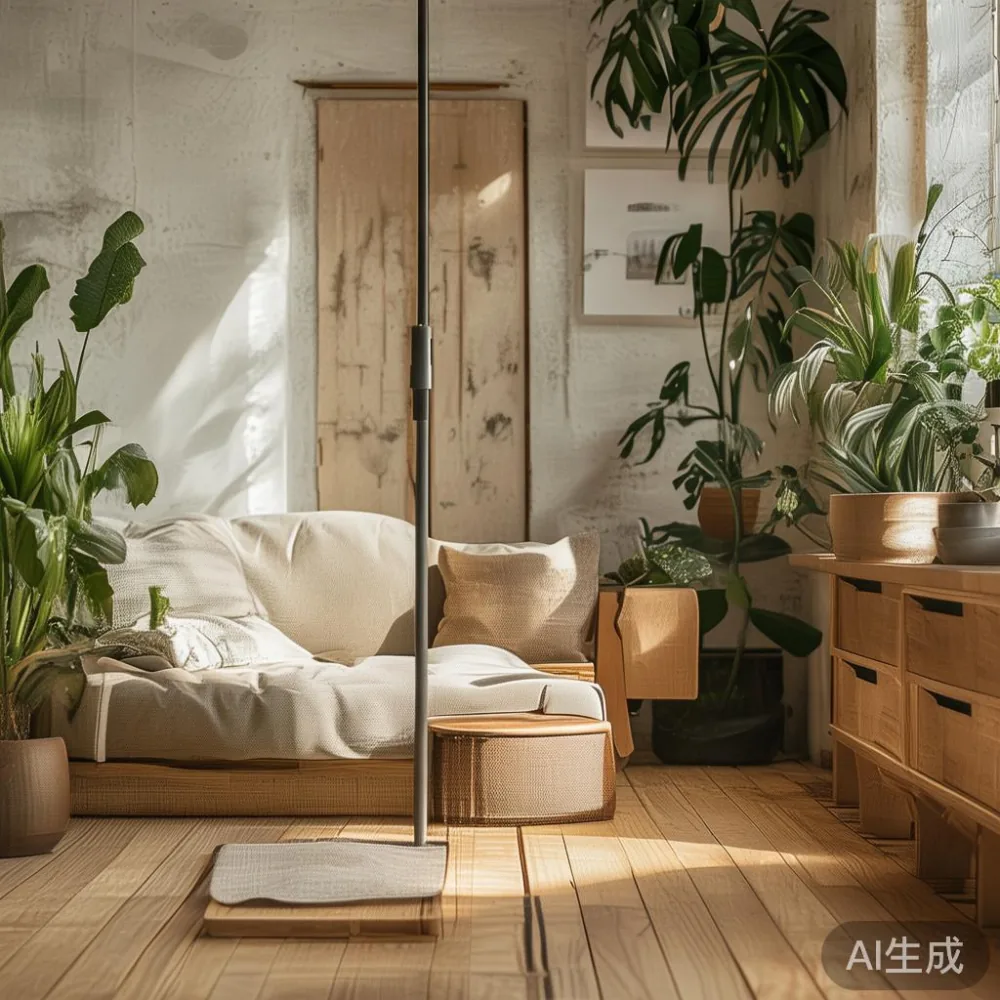
For Singapore residents furnishing HDB flats in Tampines, Bedok or Punggol, and condo owners balancing storage with lighter interiors, price is rarely about appearance alone. A 180 cm dining table must pass through a corridor and fit into a lift. A 210 cm wardrobe must be angled through a doorway. A compact nightstand may need to work beside a bed in a room measuring only 3.2 metres across. The right comparison is not simply two products with the same material label; it is two pieces with the same practical performance, construction standard and ownership experience.
This guide explains the actual cost drivers behind solid wood furniture, including solid wood sofa frames, bed frames, dining tables, wardrobes, nightstands and occasional marble tables. Prices are expressed in SGD and include Singapore GST assumptions where applicable. They are practical reference points rather than permanent offers.
Why does solid wood furniture cost different amounts for the same design?
The first factor is the timber itself. Solid wood is not one commodity. Oak, ash, beech, walnut, teak and other species differ in density, grain, movement and workability. White oak typically costs more than common pine because it is slower-growing, carefully selected and harder to machine consistently. Walnut carries a scarcity and figure premium, while teak can command more because of its weather resistance and oil-rich character.
Species alone does not explain a large price gap, however. A lower-grade board with poor moisture treatment can be less useful than a responsibly dried higher-grade board. The meaningful comparison is grade to grade, condition to condition and construction to construction. Ask which species is used on the visible surfaces, which parts are solid timber, and whether back panels, drawer bottoms and internal rails share the same standard.
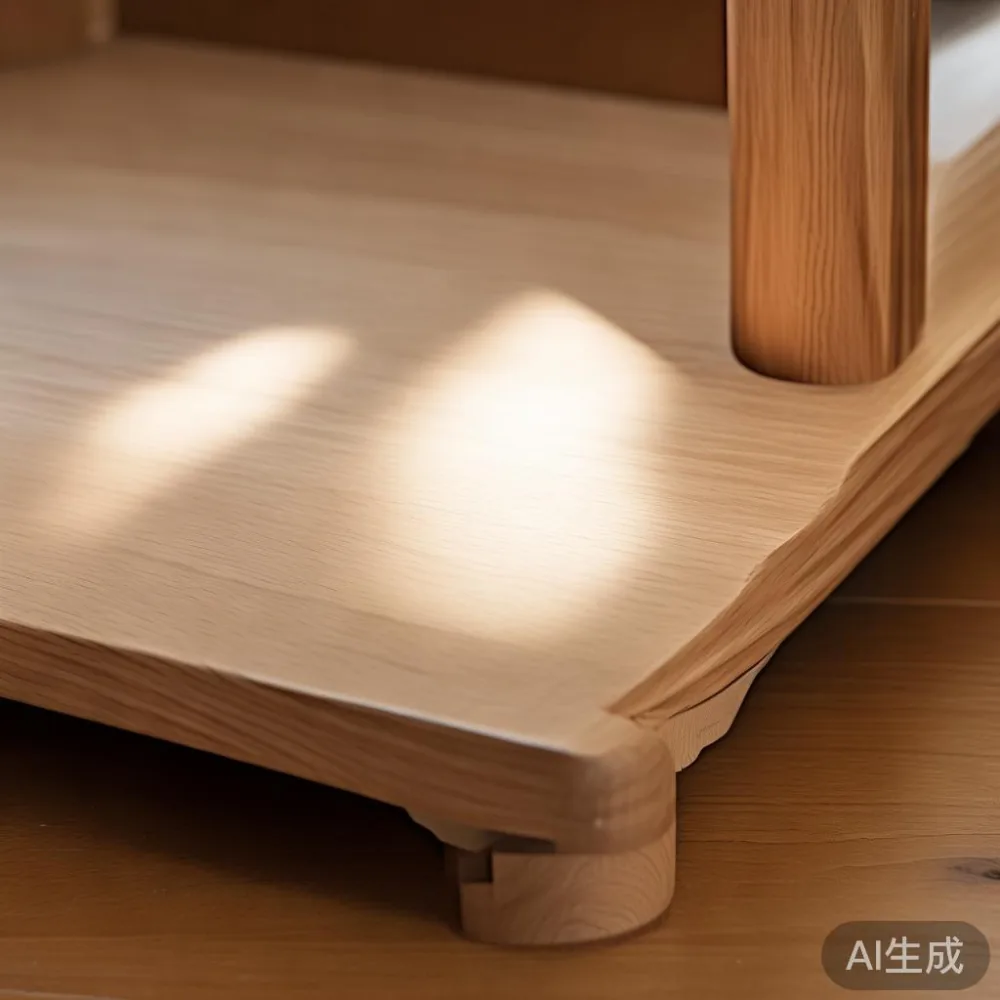
The second factor is moisture content. Singapore’s humidity changes through the year, and wood expands or contracts as it absorbs or releases moisture. Furniture intended for local conditions should normally be conditioned for the destination climate rather than dried only for a cooler factory environment. For solid wood dining tables and bed frames, stable moisture control reduces the risk of checking, warping and joint movement.
Consider a table delivered at approximately 8% moisture content for a dry climate. If it is used in Singapore, where relative humidity can remain near 80%, it may absorb moisture and move. A piece conditioned around 10% to 12% for a humid tropical environment is often more suitable. The exact figure must be confirmed by the maker, because species and design matter.
Third, grading affects both appearance and waste. FAS timber, often discussed in international trade, selects broad areas of clearer grain for faces. furniture-grade material prioritises strength, appearance and cutting yield. A factory that matches grain and colour across a wardrobe can use more timber than one producing purely functional panels.
This is where the japandi style brief becomes financially meaningful. Pale oak, light ash and restrained finishes require careful selection to avoid distracting knots, strong colour variation and mismatched grain. Refining one dining table top to create continuity across a 200 cm surface can take more than 30 minutes; selecting and assembling boards for a 240 cm top may take several hours.
Ask for clear photographs of the actual wood, the grade, the thickness and the finished dimensions. Marketing terms such as “natural wood” or “solid timber” are not enough on their own. A drawer box with 12 mm solid sides, a 18 mm back and solid wood runners may justify a higher price than a similarly styled unit built around thinner panels and hidden hardware.
How much should construction details change the price?
Joinery is one of the clearest reasons two furniture items can differ by hundreds of dollars. Dowelled joints, mortise-and-tenon joints, dovetails, biscuits and carefully applied screws each have a role. The key is not whether a joint is fashionable, but whether it suits the load and movement of that component.
A dining table carrying four to six adults needs a stable base, secure apron-to-leg connections and an underside that limits twisting. A bed frame supporting two people needs strong rails and a well-supported slat system. A wardrobe holding 60 kg of clothing needs reliable hanging rails, adjustable hardware and panels that do not bow. A solid wood sofa may look simple, but its frame still needs joints that remain stable under repeated sitting and standing.
Machine-assisted joinery can be accurate and economical for repetitive components. Hand-finishing the visible corners of a 120 cm nightstand adds labour but can improve the result where the eye lingers. In japandi style furniture, that visible detail often has a greater effect on perceived value than a decorative feature hidden inside a cabinet.
Hardware creates another tier of price. A standard wardrobe may use painted steel hinges and a zinc-plated rail system. A higher specification might use soft-close hinges, full-extension ball-bearing drawer runners and solid brass handles. A table may use concealed steel brackets or traditional wooden pegs and braces. Each choice affects cost, maintenance and the way the furniture feels in daily use.
Do not confuse expensive hardware with appropriate hardware. A 75 cm wide drawer running on a 60 cm slide may bind. A 210 kg bed frame may need supports spaced to prevent a mattress from sagging. The right specification depends on dimensions and use. A quotation should show the component rather than simply attach a brand name.
Back construction is often overlooked. A wardrobe with a 4 mm fibreboard back may be adequate for clothing, while a 9 mm plywood back can offer greater stability. Solid wood back panels add material and weight but are not automatically necessary for every use. The useful question is whether the construction suits the item, its expected load and the movement of its main panels.
A realistic Singapore pricing band for a 180 cm dining table in a restrained japandi style might be SGD 1,800 to SGD 4,500, depending on species, joinery and finish. A 180 cm bed frame might range from SGD 1,200 to SGD 3,800. These are broad comparisons, not guarantees, because a solid walnut dining table and a simple solid ash table do not belong in the same specification bracket.
How do finishes, surfaces and marble affect the final invoice?
Finishing protects wood and establishes its final colour, texture and sheen. It is not simply a coat of varnish. A thorough process may include sanding to 120, 150 and 220 grit, sealing, filling, staining or toning, and applying several protective layers. Fine sanding matters because coarse scratches remain visible under bright condo lighting and interrupt the calm character associated with japandi style.
Water-based finishes often support low-odour use and easier maintenance, but the coating still needs correct preparation. Oil finishes can highlight grain and support repair, while harder lacquers resist marks but may require specialist refinishing when damaged. The finish should match the household’s habits, not only its aesthetic preference.
Repairability affects lifetime cost. A minor scratch in a hard-wax-oiled surface can sometimes be treated locally. Damage to a film finish may require a larger section to be refinished. MIDHILL offers lifetime refinishing, which is a meaningful ownership inclusion, although the precise scope should be confirmed for each product and finish.
Colour matching can also affect cost. Ten sample legs from the same batch will not always look identical under one lighting condition. Selecting and sequencing components by tone adds time. For a white-oak nightstand, that selection may add SGD 80 to SGD 250 compared with accepting more variation. For a matching 240 cm wardrobe, the difference may be greater.
Marble tables introduce a separate cost structure. The stone slab must be selected, cut, polished and supported by a compatible base. Natural marble varies in vein pattern, thickness and structural performance. A marble table with a 20 mm top may weigh about 100 kg to 140 kg, depending on size and density. That weight influences packing and delivery, especially where a service lift has a stated capacity of 500 kg or 800 kg.
A 120 cm round marble occasional table may fall around SGD 1,600 to SGD 3,800 with a metal or solid wood base. The price should reflect stone quality, edge treatment, base material and installation access. A marble dining table is not merely a solid wood dining table with a decorative top: it has different tolerances, weight and maintenance needs.
What do dimensions, delivery and Singapore access add to the cost?
Size affects material use, but not always in a simple ratio. A 200 cm dining table uses more timber than a 140 cm table, yet its top may be supported by fewer or lighter components if the design is efficient. A 220 cm wardrobe is heavier than a 180 cm model and usually requires more careful handling. In Singapore, the route into the home can become as important as the product itself.
Measure the lift door, lift car, turning space, corridor and bedroom doorway before ordering. A lift opening of 80 cm cannot accommodate an 84 cm wardrobe side panel without tilting or adjustment. A corridor of 105 cm may allow a 90 cm panel to pass if the trolley has enough turning clearance. A staircase with a 90 cm handrail and 105 cm treads can create a different problem altogether, even when the furniture fits the lift.
Long items should be checked against ceiling height as well as width. A 210 cm bed frame may be difficult to turn upright in a 205 cm-high corridor. A 180 cm dining table carried vertically may clear a 180 cm doorway but collide with a ceiling fan, light fitting or overhead pipe.
Delivery timing and access need to be written down. A supplier charging SGD 120 for doorstep delivery may not include carrying the item to the bedroom or assembling it upstairs. White-glove delivery may cost SGD 220 to SGD 450 for a multi-piece order, especially in a condo without a loading bay. Confirm whether the stated price includes GST, floor surcharges, lift reservation and assembly.
For a practical budget, set aside SGD 100 to SGD 400 for delivery and installation beyond free doorstep shipping thresholds. The furniture order itself can be planned against the home’s measurements. That avoids paying for a large piece that cannot enter the intended room.
Production timing also affects quotations. Stock pieces may leave within 7 to 14 days. Made-to-order furniture commonly takes 30 to 60 days, with complex wardrobes or stone tables taking 45 to 90 days. Peak renovation periods can add another 7 to 14 days. A clear lead time is more useful than a vague “fast delivery” statement.
Returns and warranty terms belong in the total-cost calculation. A 10-year structural warranty signals confidence in frame and structural components, while a 14-day return policy can reduce risk if an item does not match expectations. These protections do not make a poorly specified product attractive, but they add measurable ownership value.
How do I compare two solid wood pieces without being misled?
Compare the specification sheet rather than the mood photograph. Begin with the dimensions and tolerances, then identify timber species and whether every visible part is solid wood. Confirm the thickness of tops, legs, drawer sides and rails. Ask for the grade, moisture treatment, joinery type, hardware specification and finish schedule.
Next, compare delivery scope. Check whether the quote includes GST, delivery to the unit level, carrying upstairs, assembly and removal of packaging. A lower furniture price can become more expensive once lift fees, extra trips and specialist handling are counted.
Last on the checklist, compare ownership support. A 10-year structural warranty and lifetime refinishing may justify a moderate difference between two similarly built pieces. A 14-day returns policy is useful for remote purchases, although buyers should understand whether return freight is included or refunded.
I tested this approach last month while helping my colleague compare two japandi style bed frames before her Punggol condo move. One listed at SGD 1,499 with “solid wood” in the description. The other was SGD 1,899, with confirmed ash, 35 mm legs, a reinforced centre rail and dowelled corner joints. The cost difference was SGD 400, but the second frame had a 10-year structural warranty and clearer care provisions. She chose it because the specification and ownership terms could be verified, not because a sales script called it premium.
That distinction matters in light-luxury positioning. French light luxury often emphasises pale woods, tactile upholstery and subtle detailing. American light luxury tends toward generous proportions, comfort and a warmer expression. Post-modern light luxury can combine clean architectural lines with crafted or contrasting elements. Across these vocabularies, modern light luxury furniture is not defined by a single material or embellishment; it relies on proportion, finish, function and restraint.
For a guest room, European light luxury for guest room projects often require a compact bed, slim nightstand and controlled palette. In a secondary bedroom measuring 3.0 metres by 3.4 metres, a 160 cm bed frame, two 45 cm nightstands and 60 cm of circulation space may fit without crowding. If the room measures 2.7 metres by 3.2 metres, a 150 cm bed may create the more workable arrangement.
Those decisions connect material to architecture. Japandi style works well in HDB flats because its simple forms can make compact rooms appear composed, provided dimensions remain honest. Pale finishes reflect daylight, but large slab furniture can visually reduce space. Slender legs help visually, yet they may require better internal bracing. A 180 cm dining table in a compact dining zone should leave at least 75 cm around each side for chairs and movement; in a narrow kitchen, a 140 cm table may function more comfortably.
What should a fair solid wood furniture quotation include?
A useful quotation should show enough detail for a buyer to explain the price without relying on showroom language. For a 200 cm dining table, it should state the species, top thickness, base design, finish, tolerances, delivery lead time, delivery charge, GST treatment, structural warranty and return terms.
The same applies to a wardrobe. Confirm external dimensions, internal drawer dimensions, shelf spacing, hanging rail capacity, back-panel material, hinge type and installation inclusions. A 210 cm wardrobe may include 180 cm of hanging space, but only after accounting for the carcass, door thickness and support rails. Door swing into the corridor may require a 90 cm clearance.
For a nightstand, state whether the top is solid wood, the drawer box material, the slide type and the dimensions. A 50 cm nightstand with a 42 cm drawer may offer enough room for a book and glasses, while a smaller 40 cm unit may suit a narrow bedside zone. Sockets, charging cables and a 70 cm high mattress should influence drawer height rather than being added later.
For a solid wood sofa, distinguish the frame from the upholstery. Ask whether the frame uses kiln-dried hardwood, the type of joint, the seat support system and the foam density. A three-seat sofa measuring 220 cm may need 85 cm to 90 cm of door clearance depending on its packed shape and turning angle.
If a buyer searches for the best European light luxury sofa for 2026, the result may still be a simple sofa. A well-proportioned frame, supportive seat and durable fabric can matter more than an elaborate arm profile. Reviews and physical testing remain useful, but construction documentation should carry more weight than a trend label.
Buyers comparing Japanese bed vs Mid-century modern bed should focus on structure, dimensions and visual line. A Japanese bed may favour a low profile and compact footprint, while a Mid-century modern bed may use tapered legs and a pronounced headboard. Both can be made in solid wood. For under 2000 Mid-century modern furniture, a 150 cm bed frame, 110 cm sideboard or 140 cm dining table may fit many project budgets, provided the finish and timber are clearly stated.
Buyers considering a marble table should verify the slab dimensions, edge profile, weight, base design and installation path. Buyers considering European light luxury for guest room should allow for a mattress that suits the frame rather than assuming standard dimensions will fit every design.
MIDHILL was established in 2008 and exports to more than 15 countries. Those facts provide context for manufacturing reach, but the most useful evidence remains product-level: clear measurements, honest specifications, a 10-year structural warranty and service that continues after delivery. That is how a price becomes more than a number. It becomes a balance between material, construction, access, appearance and long-term ownership.
Before paying, spend 10 minutes comparing the wood grade, thickness, joinery, finish, warranty and delivery terms. Then spend 10 minutes measuring the lift and corridor. That simple exercise can reveal a difference of SGD 300 to SGD 1,500 between a merely attractive piece and one that is genuinely fit for the home.