How to Choose the Right Furniture Size for a Singapore HDB Living Room (Without Losing the Japandi Calm)
I spent the first Saturday of last month at a friend's new 4-room BTO in Punggol, tape measure in one hand and a cold kopi in the other. We were trying to fit a 240 cm solid wood sofa into a living room that, once the dining table and a 3-seater were accounted for, gave us about 190 cm of usable wall length before the corridor swing ate into it. That afternoon turned into a proper field test — corridor widths measured against a sample wardrobe door, lift clearances checked against a dismantled bed frame, and three different coffee table footprints sketched on the floor with masking tape. Everything I write below comes from that visit, plus a decade of conversations with buyers in Tampines, Bedok, and Toa Payoh who have wrestled with the same numbers.
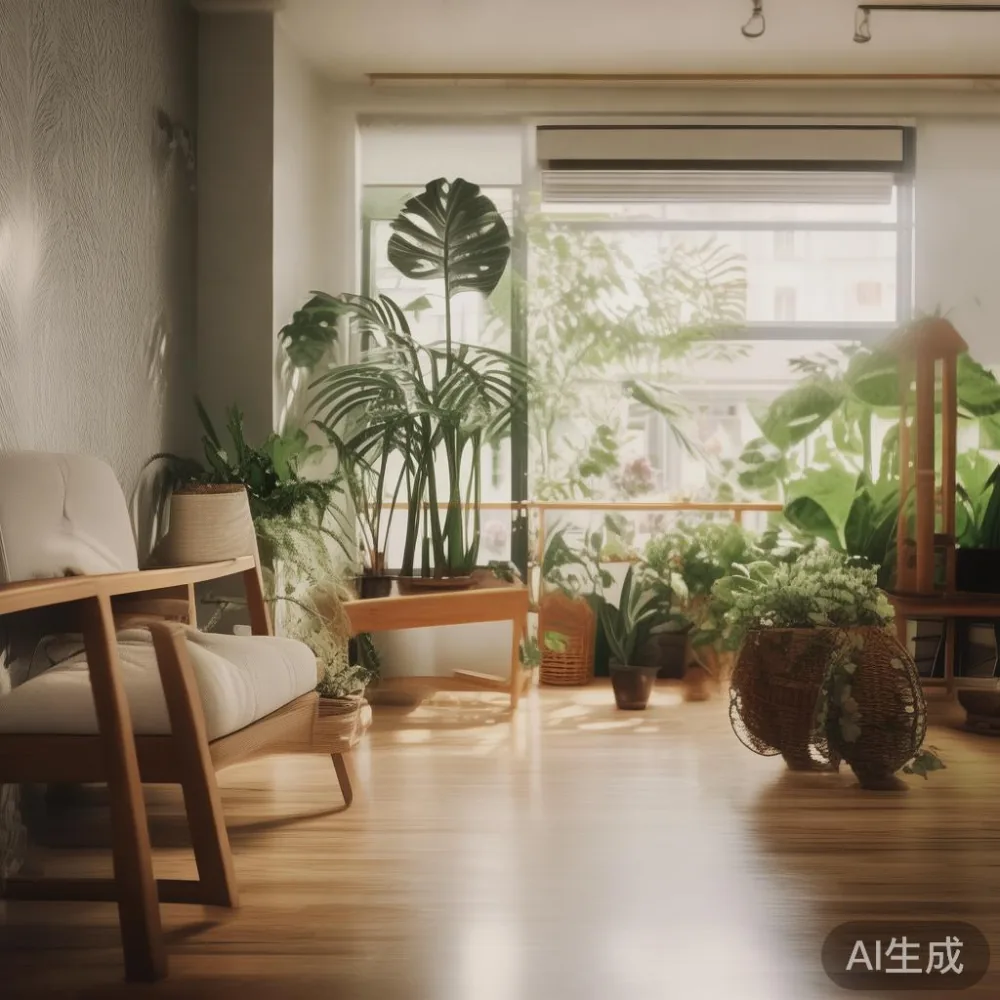
Japandi style — the quiet union of Japanese restraint and Scandinavian warmth — works particularly well in Singapore HDB flats because it is built for tight footprints. Low profiles, slim legs, light oak and ash tones, and a calm material palette all do the same thing visually: they make a 30 sqm living room feel like 40. None of that, though, helps if a 210 cm dining table cannot physically make it up the lift on the 12th floor of a Bedok block. Sizing in Singapore is a constraint problem before it is a style problem, so let us start with the constraints.
What Are the Actual Size Limits of a Singapore HDB Living Room?
The honest answer is: smaller than the floor plan suggests. A typical 4-room BTO living room measures roughly 3.2 m × 3.6 m (about 11.5 sqm) once you subtract the air-con ledge and the structural column. After the TV console (usually 30–40 cm deep) and a 180–210 cm sofa, you are often left with 70–90 cm of walkway, which is the minimum a person needs to pass behind a seated guest without asking them to stand up. For a 5-room flat in Tampines, the same room stretches closer to 4.0 m × 4.2 m, which buys you another 60–80 cm of breathing space and makes a slightly deeper 95 cm sofa viable.
The lift and the corridor are the real gatekeepers. Most HDB passenger lifts have an internal cabin of about 1.5 m × 2.0 m with a door opening of roughly 0.9 m. A king-size bed frame at 180 cm wide will go in vertically, but a fully assembled 200 cm wardrobe has to be flat-packed and reassembled in the bedroom — which is precisely why MIDHILL ships its wardrobes in flat-pack form with numbered panels, and why the company's drivers in Singapore always confirm lift dimensions 48 hours before delivery. Corridor widths in newer BTOs are 1.2 m, older ones in Bedok can dip to 1.05 m, and any piece deeper than 60 cm needs to be carried on its side.
How Do I Pick a Sofa Size That Does Not Swallow the Room?
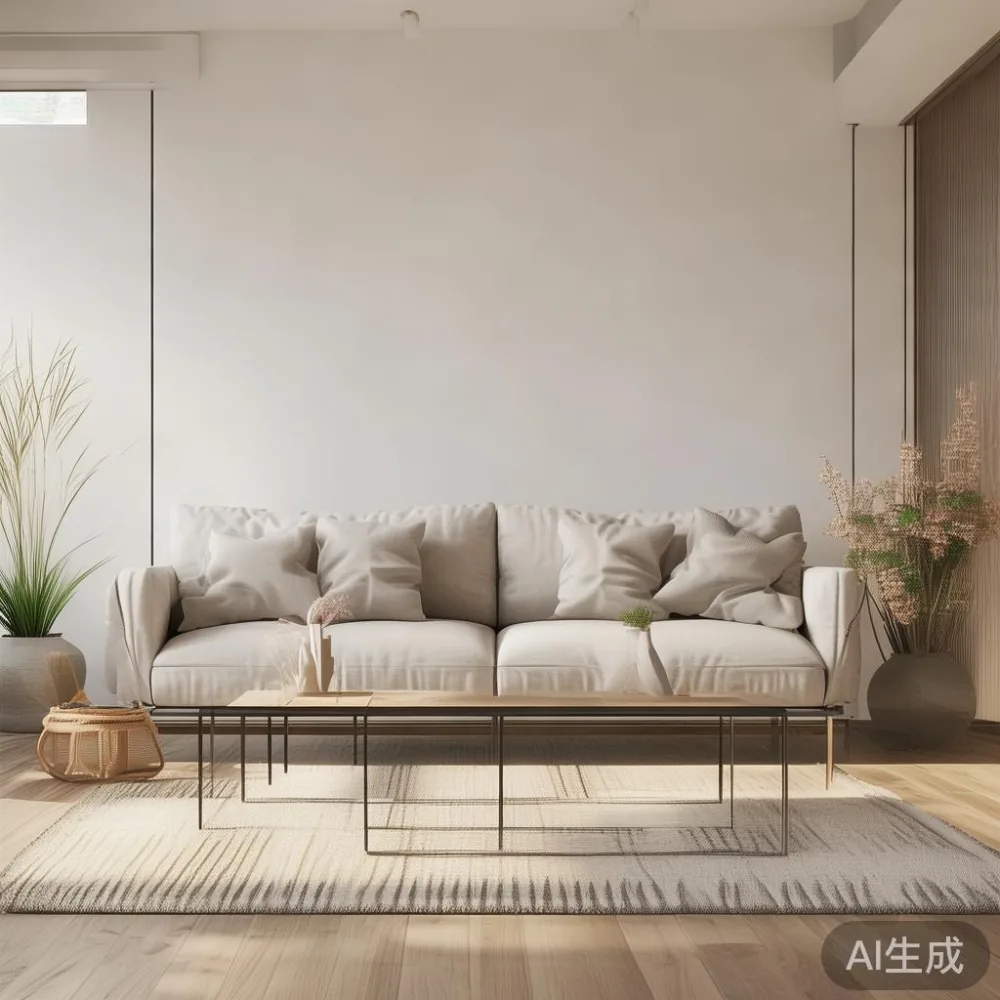
Choose a sofa 25–35 cm shorter than the longest uninterrupted wall, and keep the seat depth at 85–90 cm for a 2-seater and 90–95 cm for a 3-seater if you want to lounge, or 80 cm if you prefer upright sitting. In a 4-room flat, that almost always means a 180–200 cm solid wood sofa with a slim 8–10 cm armrest and 18–20 cm legs — the legs are not decoration, they are the reason light passes under the frame and the room reads as airy rather than crowded. A common mistake I see in Punggol show flats is a 240 cm L-shape pushed against a 3.2 m wall; the corner then blocks the corridor to the kitchen and forces the TV console into a narrower 25 cm depth, which is too shallow for cable management.
Fabric matters as much as footprint. A 3-seater in a 2.0 m × 0.95 m frame weighs between 55 kg and 75 kg depending on the hardwood (ash tends to be lighter at around 580 kg/m³, walnut closer to 640 kg/m³), and that weight is something to think about for the lift crew and for your floor load. For a small Japandi living room, a tight-weave linen or a cotton-linen blend in oatmeal, stone, or muted sage holds the Scandinavian half of the palette; pair it with one bouclé accent chair if you want texture without visual noise.
How Do I Choose a Fabric Sofa for a Home Office?
Pick a compact 2-seater around 150–170 cm wide with a seat depth of 55–60 cm, an armrest height that matches your desk at 72–75 cm, and a washable, tight-weave performance fabric in a neutral tone so the piece reads as a sofa, not as office furniture. In a Singapore HDB study nook — often the spare bedroom in a 3-room flexi layout or the corner behind the dining area in a 4-room — this size lets you sit at a laptop for two hours without a stiff back and still nap on a Saturday afternoon. The fabric choice is the practical bit: a removable, machine-washable cover at 30°C handles the humidity that walks in from the corridor every time someone comes home from Bukit Batok in the rain.
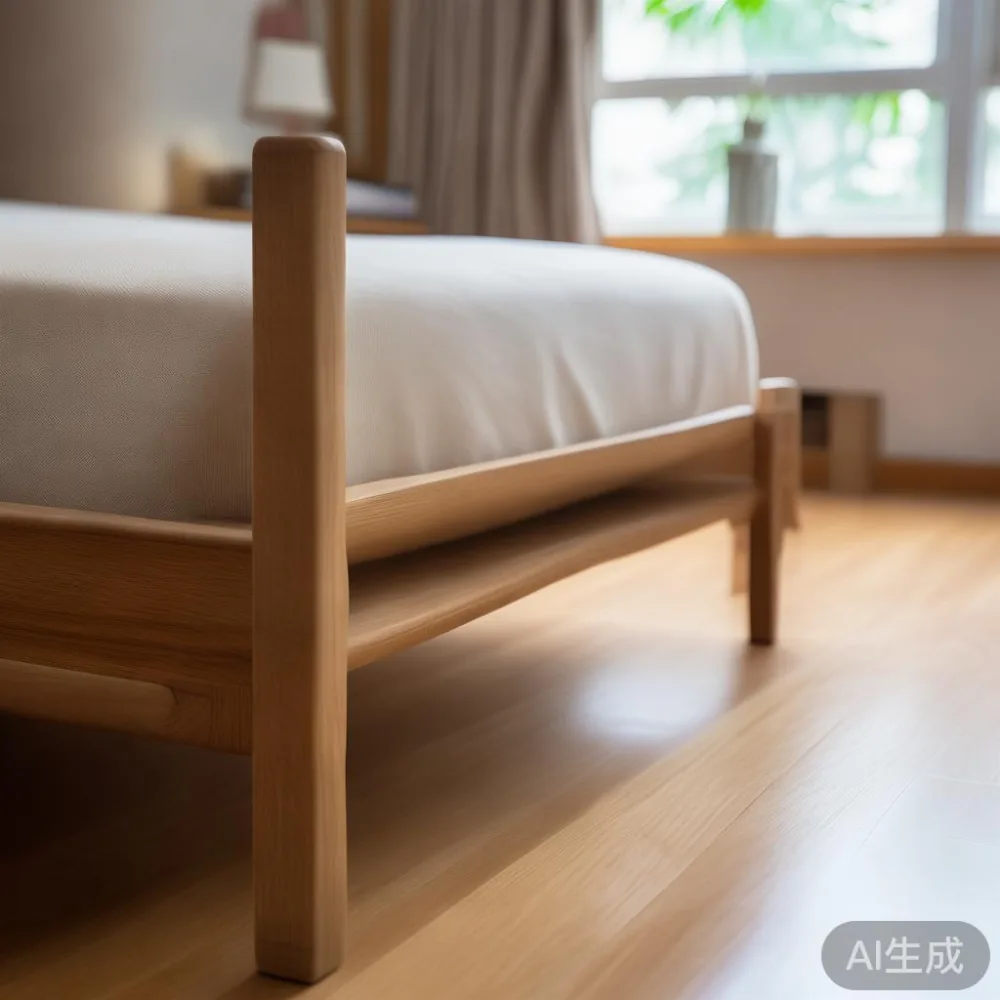
Frame construction still has to follow the Japandi logic. A solid wood sofa frame in ash or rubberwood at 18 mm thickness will outlast a particleboard frame by a wide margin, and the joinery — mortise and tenon at the corners, dowels at the rails — is what keeps the piece quiet when you shift position on a Zoom call. Lift access for a 160 cm sofa is easy in any HDB block; it is the corridor turn into the spare bedroom that occasionally forces a vertical carry, so check that the bedroom door is at least 80 cm wide before you order.
How Big Should a Dining Table Be for a 4-Person HDB Household?
A rectangular table 140 cm long × 80 cm wide seats four comfortably with 60 cm of elbow room per person; a round table needs 110–120 cm in diameter to seat the same four, because the geometry wastes more space at the corners. For most HDB dining areas — which are usually 2.4–2.8 m wide in a 4-room flat and 2.8–3.2 m in a 5-room — the round 110 cm version is the most forgiving, because there are no sharp corners to walk around and the table visually shrinks the footprint when paired with slim chairs that have a 45–48 cm seat width.
Material and weight go hand-in-hand here. A solid ash dining table at 140 × 80 × 75 cm weighs roughly 32–38 kg, which two delivery men can carry up a 12th-floor walk-up alternative lift without strain. Marble tables are a different story: a 120 cm round marble top alone can weigh 70–85 kg, and the assembly is usually a two-technician job. They are stunning in a post-modern light luxury setting — pale Carrara or honey onyx against oak floors — but they need a lift with a rated load of at least 1000 kg, which every HDB passenger lift meets, plus a corridor wide enough to angle the top through the doorway. MIDHILL's Singapore team confirms both before a marble table leaves the warehouse, and the company's standard delivery takes 14–21 days from order to doorstep including GST at 9%.
What About the Bedroom — Bed Frame, Wardrobe, and Nightstand Numbers?
A queen bed frame at 152 cm × 188 cm fits any HDB master bedroom and leaves 60–70 cm of walkway on each side, which is enough to make the bed without gymnastics; a king at 183 cm × 188 cm needs a master bedroom of at least 3.0 m × 3.2 m and a wall uninterrupted by the door swing. A standard 3-door wardrobe at 180 cm wide × 60 cm deep × 220 cm tall fits a couple's clothing comfortably, but anything deeper than 65 cm starts to crowd the bed — in a Japandi palette, the wardrobe doors should be flat slab in light oak or ash with recessed finger pulls, never mirrored across the full front, because mirrors reflect clutter and break the calm. Nightstands sit best at 45–50 cm wide × 40 cm deep × 55–60 cm tall, which is roughly even with the mattress top and lets you reach a phone without stretching.
For lift access, a flat-packed wardrobe from a brand like MIDHILL arrives in 4–5 cartons, each under 35 kg, and reassembles in 60–90 minutes with the included hardware. That matters because older HDB blocks in Bedok and Marine Parade occasionally route delivery through a service lift with a 1.2 m door and a 1.8 m cabin, and a fully built wardrobe simply will not fit. The 10-year structural warranty on frame and joinery is the part that pays off here, since wardrobe panels take the most punishment during a move.
How Do I Keep the Japandi Look Once Everything Is Inside?
Stick to a maximum of three wood tones — usually one primary oak or ash, one darker accent in walnut or smoked oak, and one black or off-white for hardware — and resist the temptation to add a fourth. Japandi style lives on restraint; the moment you introduce a teak side table, a rosewood bench, and a pine shelf in the same room, the calm evaporates. Lighting helps too: a 3000K warm-white bulb at 800–1000 lumens for the main ceiling, a paper lantern or linen drum shade at 2700K for the ambient layer, and a single reading sconce at the bed head. Anything cooler than 3500K will turn your light oak into a grey-green that fights the wood.
Rugs anchor the seating area without crowding it. In a 3.2 m × 3.6 m living room, a 200 cm × 250 cm rug sits under the front legs of the sofa and the coffee table, with 50–60 cm of bare floor visible around the edges. A 240 cm × 300 cm rug would swallow the room and erase the boundary between seating and walkway. Coffee table dimensions matter here as well: keep it at 110–120 cm long × 55–60 cm wide × 38–42 cm tall, which is roughly two-thirds the length of the sofa and level with the seat cushions. Marble tables in this size range weigh 25–35 kg and stay put on a felt pad, which protects both the table and the floor from the daily shuffle.
How Do I Budget Honestly, Including Delivery and GST in Singapore?
Plan for the furniture subtotal to be roughly 70% of your landed budget, delivery at 8–12%, and GST at 9% on the full landed value. A realistic Japandi living-and-dining set for a 4-room flat — 3-seater solid wood sofa, 140 cm dining table with four chairs, TV console, coffee table, and a 3-door wardrobe — lands between SGD 6,800 and SGD 9,200 before GST, and between SGD 7,400 and SGD 10,000 after. Free shipping usually kicks in above a USD 350 threshold, which at current rates converts to roughly SGD 470–480, so most full-room orders qualify. Refinishing and a 14-day return window absorb the risk if a piece does not suit the room once it is assembled.
One last number worth memorising: the corridor turn. Measure from your flat's front door to the lift lobby, then add 30 cm for the door swing and another 20 cm for the angle of carry. Anything deeper than that total, multiplied by 1.1 for furniture packaging, simply will not make it into the home in one piece. That single measurement has saved more Singapore households from disappointment than any styling tip, and it is the first thing I check before approving any piece from the MIDHILL catalogue for a customer in Tampines or Punggol. Once the numbers line up, the Japandi calm follows almost on its own.