Caring for a Lacquered Surface in Singapore's Tropical Climate
I spent last month wandering through a Tampines HDB flat where my colleague had just unpacked a 2.4-metre solid wood dining table finished in a soft, low-sheen lacquer. Within six hours of the delivery team leaving, the wood had already begun to react to the 32°C air and the 82% humidity reading on her Xiaomi hygrometer. That afternoon, we pulled out two microfibre cloths, a bottle of distilled water, and a tube of neutral pH balm, and we spent forty minutes walking through what the brand's care sheet should have said in plain language. This guide is the version I wish every Singapore homeowner received at the door, written specifically for pieces finished in open-pore or closed-pore lacquer and styled in a japandi aesthetic, where the wood itself is meant to breathe a little, even when the climate around it does not.
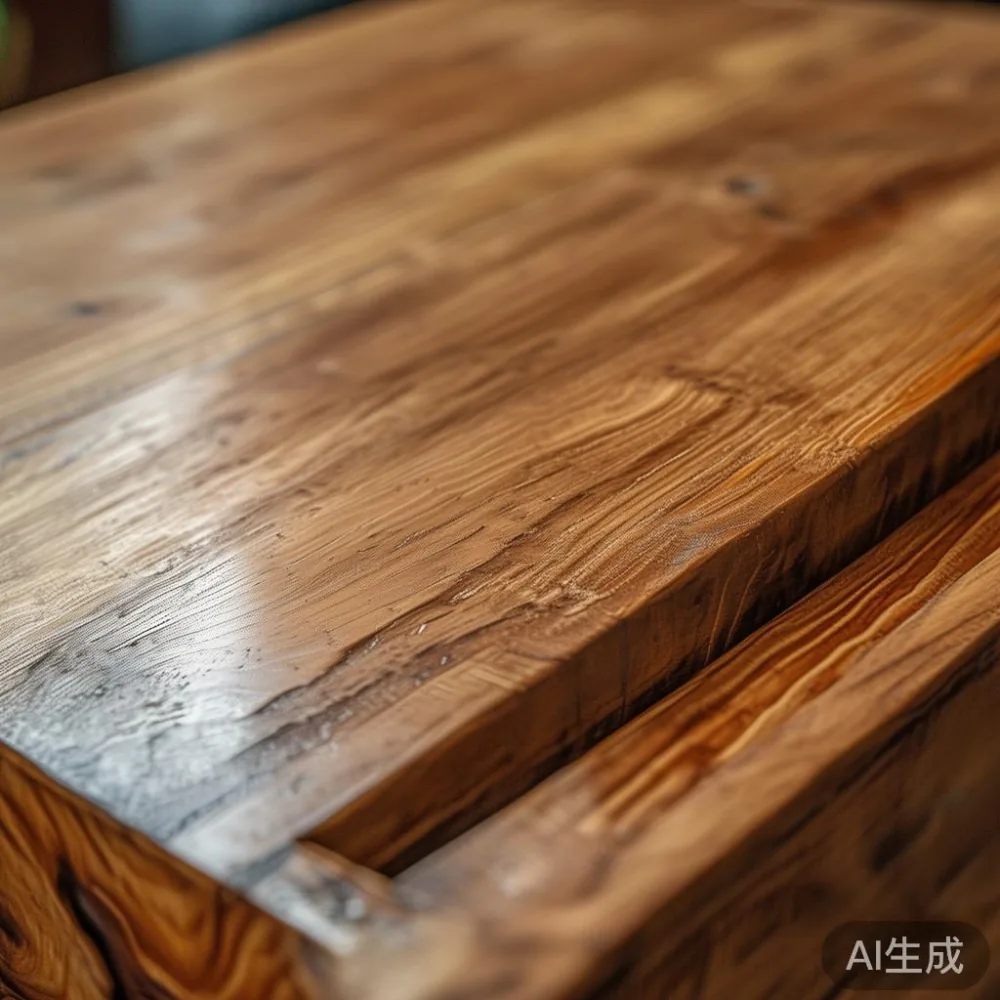
Why does a tropical climate punish lacquered wood in the first place?
Singapore sits within one degree of the equator, and the relative humidity inside an air-conditioned HDB flat rarely drops below 65%. A lacquer film, whether it is a NC (nitrocellulose), AC (acid-catalysed), or PU (polyurethane) coating, is technically a barrier, but it is a barrier with a job to do. It must let the wood expand and contract with seasonal swings while resisting water vapour, UV, skin oils, and the constant opening and closing of doors. When the underlying timber swells faster than the lacquer can stretch, micro-fissures appear along the grain. When the air dries out during a dehumidifier cycle, the same film can craze into a spider-web pattern that no amount of buffing will hide. Add to that the salt-laden breezes from the east coast in Bedok and the afternoon sun that pours through a Punggol condo's west-facing balcony, and you have a finishing system that is working harder than the same film would in, say, Copenhagen or Kyoto.
What humidity level should I keep my japandi style dining table at?
Aim for 55% to 65% relative humidity at room temperature, ideally between 22°C and 26°C. In a japandi style interior, where the palette is calm and the wood tones are usually ash, oak, walnut, or beech, the eye notices every ripple the fibre picks up. A small thermo-hygrometer costs around S$18 to S$35 at any Challenger or Harvey Norman outlet and is worth more than any wax or oil you will ever buy. If your flat routinely sits above 70% RH, run a dehumidifier for two to three hours a day in the room where your bed frame or wardrobe lives. If it drops below 50% in an over-air-conditioned bedroom, place a 30 cm ceramic dish of water near, never on, the nightstand to slow the swing.

How do I choose a entryway furniture for a entryway?
Pick an entryway piece in solid wood with a closed-pore lacquer, sized under 40 cm deep so it clears the average 1.2 m HDB corridor, finished in a tone that echoes the japandi style of the living room beyond it. The first mistake I see in Punggol walk-ups is a beautiful French provincial coffee table usa import that is too deep to angle past the lift door; the second is an open-shelf console that grabs humidity on its first morning and never lets go. For Singapore entryways, a slim solid wood console (38 cm deep × 90 cm wide × 78 cm tall), paired with a single drawer lined with felt, gives you a landing zone for keys, masks, and the small ceramic tray that catches the day's mail without forcing the wood to fight the climate.
Daily care: what should I actually do each week?
A japandi interior rewards restraint, and so does lacquer. Once a week, take a clean microfibre cloth (wash it without fabric softener, softener leaves a silicone film that dulls the sheen) and wipe the surface with the grain, using only a cloth that has been lightly misted with distilled water. Hard tap water in Singapore contains enough calcium to leave a faint haze after eight to ten wipes, and that haze is permanent once the lacquer has cured around it. After the damp wipe, follow immediately with a dry cloth. For a solid wood dining table that sees three meals a day, this routine takes four minutes. For a wardrobe that mostly stands still, once every ten days is enough.
Monthly care: the balm routine
Every three to four weeks, apply a pea-sized amount of neutral pH furniture balm, never silicone-based polish, never aerosol spray, never a wax that contains carnauba above 8%. Work it into the cloth first, then into the wood, in the direction of the grain. Buff off the excess after ten minutes. A 150 ml tin runs about S$28 to S$45 and will last a four-seater dining table roughly six months. The balm feeds the lacquer, fills the micro-fissures before they become visible cracks, and keeps the surface matte in the way a japandi interior expects.
What should I avoid putting on or near lacquered japandi style furniture?
A short blacklist saves more wood than any product ever will. Avoid rubber feet under vases, the sulphur in rubber blackens lacquer within weeks. Avoid coasters with cork backing on a hot kopi, cork holds moisture against the film. Avoid placing a marble table within 60 cm of a window that gets afternoon sun, the thermal mass of stone amplifies the heat the lacquer has to absorb. Avoid wet towels draped over the back of a chair, especially after a beach weekend at East Coast Park, salt plus moisture plus heat is the trifecta. And avoid sliding ceramics, even small Japanese cups, across the surface; lift them instead. One scratch at a dinner party costs more to repair than a year of balm.
How does MIDHILL handle the climate side of things at the workshop level?
The piece my colleague received, and the dining table I now keep in my own dining room, both came from MIDHILL, a Foshan workshop that has been finishing solid wood for export since 2008 and ships to more than fifteen countries, Singapore included. The reason their japandi style pieces hold up here is not a single magic step. It is a sequence: kiln-drying the oak and ash to a 9% to 11% moisture content, sealing the end-grain with two extra coats, using an AC lacquer catalysed at 55°C rather than a softer NC finish, and adding a final hand-rubbed matte top coat that has been tested in a 35°C, 90% RH chamber for 240 hours before shipping. MIDHILL also offers a ten-year structural warranty and lifetime refinishing, which matters in a climate where even the best-finished piece will want a refresh after eight to ten years. Their flat-pack cartons are sized to fit a standard HDB lift (the deepest carton for a 1.8 m wardrobe is 58 cm × 38 cm × 192 cm, well inside the 1.1 m door and the 2.1 m cabin), and delivery to a fifth-floor walk-up in Bedok typically lands within 14 working days of order, with two movers, no GST line on the invoice because exports are zero-rated, and free shipping above US$350, which most dining tables and bed frames easily clear.
Spot repairs and the 14-day return window
If your table arrives with a swirl mark in the lacquer, document it on the delivery day and photograph it under the bedroom light, not the corridor fluorescent, then email the brand the same evening. A reputable maker will arrange a touch-up or a swap within the 14-day return window. Outside that window, small repairs are straightforward: a cotton bud dipped in a 1:4 mix of isopropyl alcohol and distilled water will lift most water rings within thirty seconds, provided the ring is less than forty-eight hours old. Older marks need a 1500-grit wet sand, a re-coat of the same lacquer family (your workshop can identify it from a phone photo of the sheen), and a fourteen-day cure before you place anything back on the surface. For deep scratches that go through to the wood, leave the spot alone until a refinisher can tint the fill, mismatched brown is worse than an honest scratch.
Living with lacquer: what changes after year one?
By month twelve, a well-cared-for japandi style piece develops a soft patina that the catalogues cannot fake. The corners catch a faint sheen from years of sleeves brushing past, the centre of the dining table holds a memory of every meal, and the nightstand top carries the soft imprint of a book light and a ceramic cup. This is the finish working as it should, breathing with the climate, recording the household, refusing to look like plastic. If, instead, the surface is sticky in the morning, hazed by lunchtime, and cracking at the joints by the second monsoon season, the lacquer was either the wrong family for the timber or the home is swinging more than 20% RH between night and day. Correct the climate, replace the piece, or accept that the wood wants to be finished in oil instead. Lacquer is a beautiful, durable choice, but it is a partnership, not a varnish-and-forget.
Frequently asked questions from Singapore owners
Can I use Pledge or a silicone spray on my lacquered dining table? No. Silicone migrates into the wood, prevents future re-coats, and turns the next refinisher's job into a three-day strip rather than a one-day refresh. Stick to neutral pH balm.
How do I get white haze off a black japandi style bed frame? Mix 30 ml distilled water with 5 ml white vinegar, wipe once with the grain, dry immediately, then balm. The haze is usually mineral deposit, not damage.
Is a marble table safe next to a lacquered wardrobe? Yes, provided the stone is at least 15 cm from the wood and the room humidity stays below 65%. Marble is porous and will off-gas moisture in a tropical climate.
Will the lift fit my new solid wood sofa frame? Most HDB lifts are 1.1 m wide by 1.4 m deep by 2.1 m tall. A three-seater solid wood sofa in flat-pack usually arrives in two cartons under 55 cm deep. Measure first, then order.
How long should I wait before placing objects on a newly delivered table? Fourteen days for full lacquer cure, seven days for light use under coasters. Lift, do not slide, for the first month.
A short checklist before you sign for the delivery
Confirm the moisture content of the timber at delivery with a pin meter if the brand offers it. Aim for 9% to 12%. Wipe the carton tops with a dry cloth before opening, HDB corridors collect fine construction dust that floats onto fresh lacquer. Have two soft blankets ready to lay the panels on during assembly. Set up a dehumidifier in the room for the first seventy-two hours. And keep the small tin of balm you bought for the table next to a cotton cloth in the same drawer as the coasters, so the routine becomes invisible by week three. A japandi style home is built on small, repeated gestures, and so is the care of the lacquer that finishes it.