Living with Wood: Humidity, HDB Flats, and Japandi Furniture in Singapore
Last September I visited a client in a 980 sq ft Punggol HDB flat on the 14th floor. She had bought a beautiful solid wood sofa frame online from an overseas seller, and within four months the tenon joints at the armrests had begun to gap by roughly 2 mm. Her air-conditioner ran at 23 °C most evenings, the windows stayed shut, and the indoor relative humidity sat stubbornly between 78 % and 82 %. The frame was not defective — it was simply fighting a climate it was never designed for. That afternoon, walking back through the corridor with my measuring tape, I realised how much Singapore-specific humidity thinking matters for anyone investing in a japandi style interior.
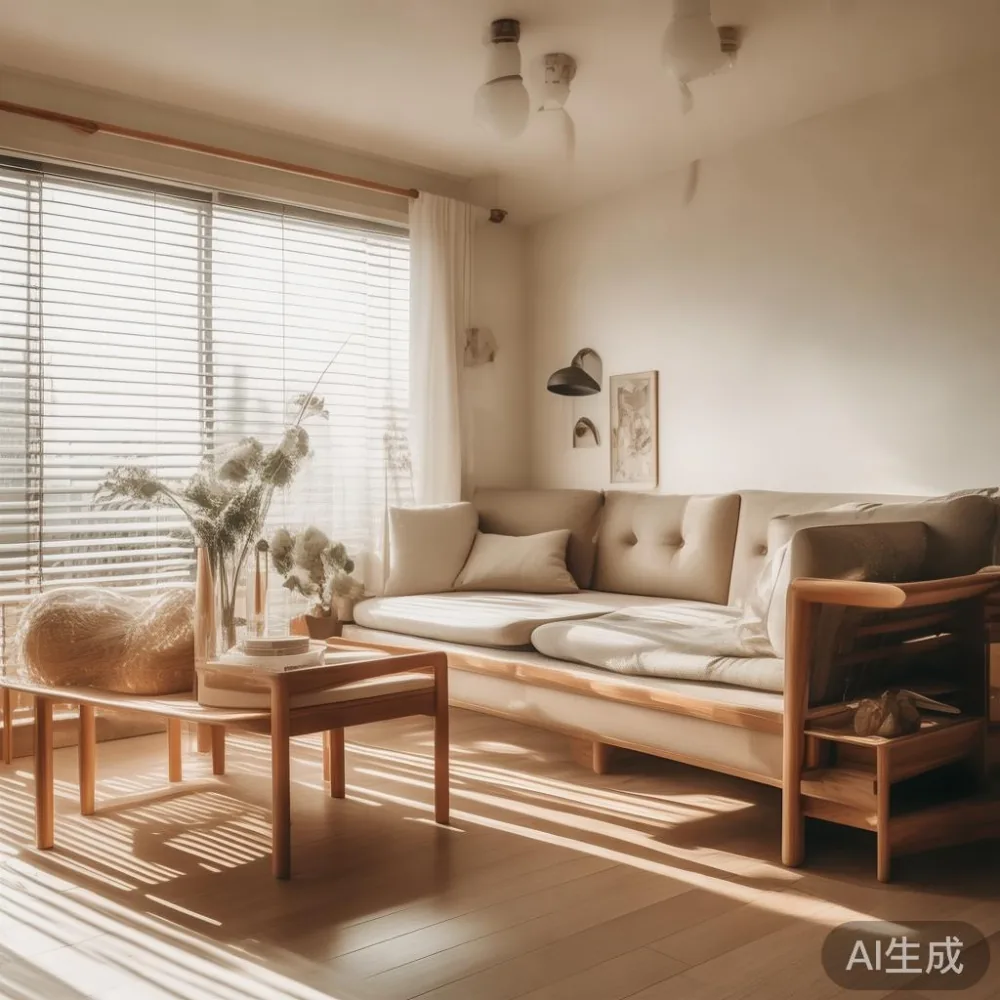
Singapore's average humidity hovers around 80 % year-round, with monsoon stretches from November to January pushing it past 90 %. For owners of bed frame, dining table, wardrobe, and nightstand pieces made of solid wood, this is not a small concern. Wood is hygroscopic: it absorbs and releases moisture as conditions change, expanding across the grain and contracting again. A 180 cm oak dining table can move 4 to 6 mm across its width between a dry air-conditioned afternoon and a humid pre-dawn morning. Multiplied over a year, that is the difference between a piece that stays quiet and a piece that cracks, warps, or pops its joinery.
MIDHILL, the Foshan workshop I have visited twice since 2019, builds for these realities. Their team kiln-dries oak and ash to a target 8 to 10 % moisture content — calibrated for tropical rather than temperate shipping — and they pre-shrink large panels for at least 60 days before assembly. That process is one reason pieces arrive in Tampines, Bedok, and Bukit Timah homes stable enough to pass a 10-year structural warranty.
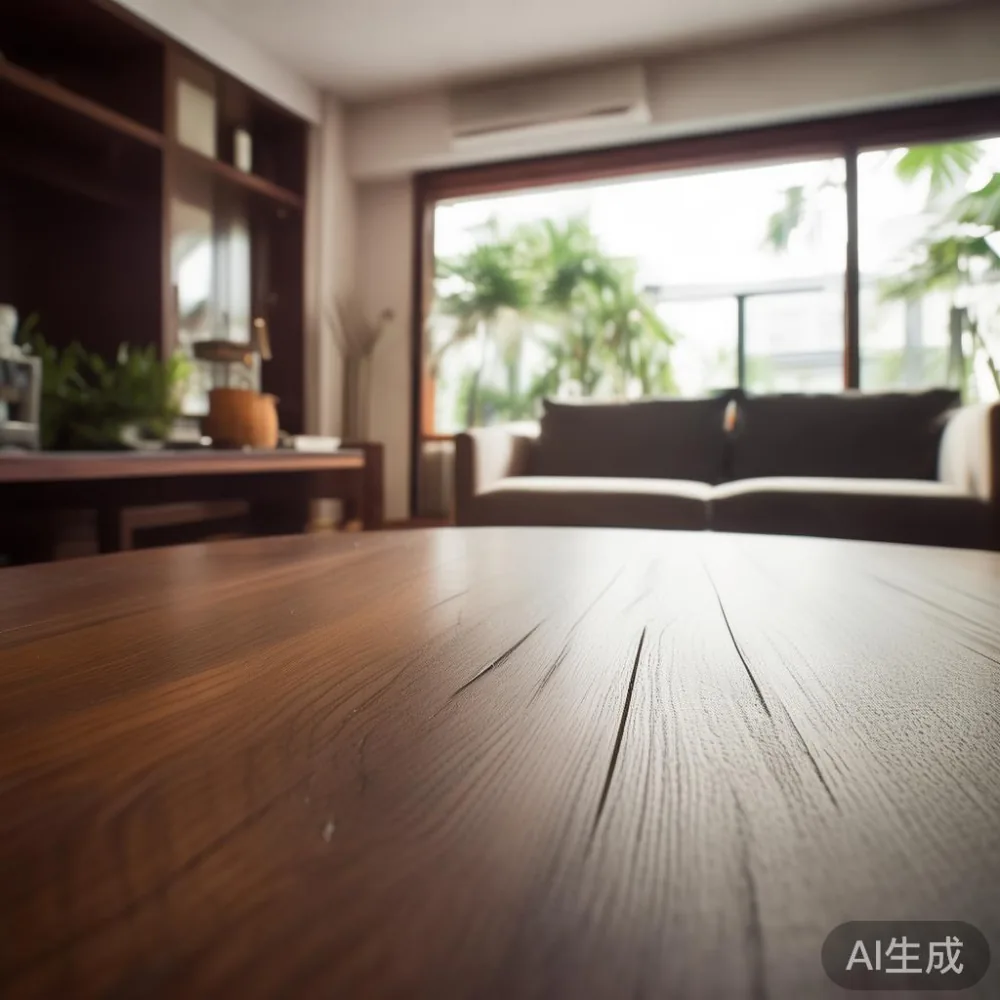
Why does Singapore's humidity break ordinary wood furniture?
The short answer: solid wood is always in motion, and the tropics never let it rest. Singapore's outdoor relative humidity averages 78 to 82 %, and even air-conditioned interiors typically sit between 55 and 70 % unless a dehumidifier is running. Wood wants to equilibrate with that ambient moisture. A 200 cm wardrobe made from poorly seasoned ash will swell at the top, push against a plaster ceiling, and bind at the doors. A solid wood sofa frame built with butt joints instead of mortise-and-tenon will rack sideways as the side rails expand. The problem is rarely a single dramatic failure; it is a slow, seasonal drift.
From a physics standpoint, the relevant numbers are clear. Oak moves roughly 2.6 % tangentially and 4.8 % radially for every 10 % change in equilibrium moisture content. A 4 cm-thick oak plank in a Bedok condo can therefore shift by 1 to 2 mm across its width each season. Over five years, that adds up to movement that cheap plywood and paper veneer simply cannot mask.
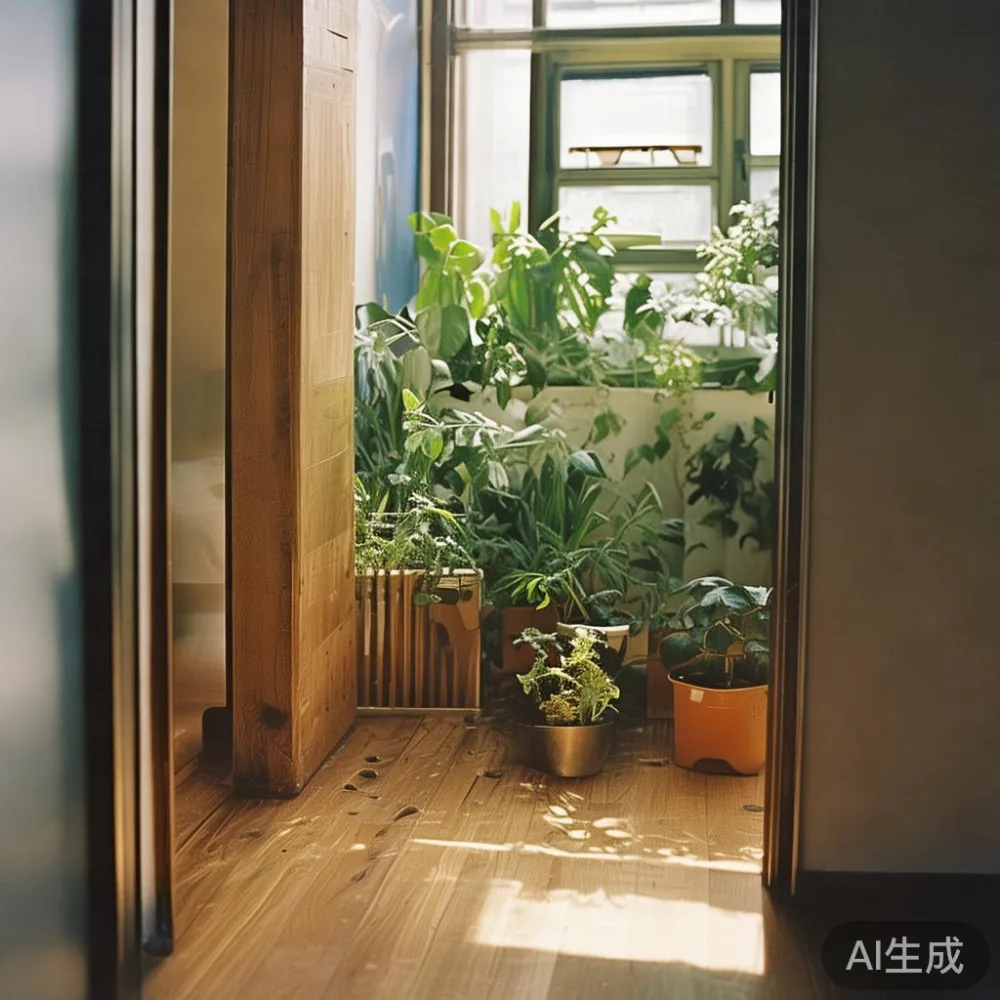
How do I choose a coastal style for a HDB living room?
Choose coastal styling through material, not through colour: pick weathered white oak or ash with a wire-brushed, matte finish, pair it with linen and rattan, and keep humidity between 55 and 65 % to stop the wood from swelling against your feature wall. In a 90 sq m HDB living room, one statement piece — a 150 cm marble table with a timber base, or a low-profile solid wood sofa in pale oak — does the heavy lifting; resist the urge to cover every surface in rattan, or the space loses its calm japandi backbone.
Coastal and japandi share the same instinct for restraint. Both favour horizontal lines, pale wood, and a single warm accent. In HDBs, where ceiling heights are typically 2.6 m and corridors run 1.2 to 1.5 m wide, oversized pieces will physically block lift access during delivery and visually crowd the room. Measure your lift door — most HDB service lifts are 90 cm wide by 210 cm tall — before ordering anything longer than 190 cm.
What should I look for in a Japandi solid wood bed frame for a tropical climate?
Look for four things: kiln-dried timber at 8 to 10 % moisture content, mortise-and-tenon or dowel joinery, floating-wood slats with at least 5 mm of expansion gap, and a factory finish rated for 70 %+ humidity. A bed frame built this way will hold its geometry through Singapore's monsoon months without the side rails cracking or the centre beam crowning. The japandi style tradition already suits this — low platforms, slim posts, no ornamental carving — so the silhouette is honest about what the wood is doing.
A queen-size platform typically weighs 45 to 55 kg in solid oak, while a king-size crosses 70 kg. That weight matters in HDBs: many older blocks in Bedok and Tampines have lift capacities of 630 kg, and a king mattress, frame, and two delivery technicians can quickly approach that limit. Confirm the lift rating before scheduling delivery, and disassemble the frame in the corridor if necessary — most MIDHILL bed frames split into headboard, side rails, and slat kit for exactly this reason.
Will a Japandi dining table really survive a non-air-conditioned balcony?
Honestly, no — and you should not expect it to. A dining table left on an open service balcony will reach 86 %+ humidity during the Northeast Monsoon and drop into the low 50s on a dry February afternoon; that 30-point swing is what cracks tops and loosens breadboard ends. If you want an outdoor dining moment, use a covered porch with ceiling fans, or treat the table with a marine-grade hard wax oil and accept that you will refinish it every 18 months. Indoors, with air-conditioning on for six to eight hours a day and a dehumidifier in the service yard, a japandi oak table will look the same in year eight as it did on delivery day.
For Singapore homes, the safest japandi layouts place the dining table at least 60 cm from any external wall, away from direct afternoon sun on the west side, and clear of the kitchen doorway where steam spikes local humidity. A 160 cm table seats four comfortably with 70 cm of clearance; 180 cm seats six with the same clearance and reads more deliberately in an open-plan condo.
How does delivery actually work in Tampines, Bedok, and Punggol HDBs?
Delivery teams typically arrive within a 4-hour window, and the job takes 45 to 90 minutes depending on access. Most service lifts in newer Punggol BTOs measure 1.1 m wide by 2.1 m tall, which fits a king-size headboard flat; older Bedok blocks run narrower at around 90 cm, so taller headboards must be tilted. Freight lifts in condos usually handle 1.5 m pieces without disassembly. For addresses above the 20th floor, expect a SGD 25 to SGD 60 lift-surcharge on top of free delivery over US$350 (roughly SGD 480), and 14-day return windows apply once the piece is in your home.
Singapore's 9 % GST applies to the full invoice and is itemised separately. Most local freight forwarders add SGD 40 to SGD 90 for HDB doorstep carry-ins if the lift cannot be used. MIDHILL's white-glove option covers two-man carry-in, room-of-choice placement, and debris removal — useful when a 180 kg king-frame-and-mattress combination cannot be left in the corridor without blocking a fire escape.
Which wood species actually hold up best in Southeast Asia?
White oak and ash are the most reliable, followed by teak and Burmese walnut. White oak's tight grain and high tannin content resist the surface mould that plagues untreated pine or rubberwood in 80 % humidity. Teak's natural oils repel moisture, which is why old Singaporean door frames from the 1960s are still straight — but it is expensive and visually heavier than japandi palettes typically want. Ash offers the cleanest light tone and machines beautifully for slim japandi joinery.
Avoid MDF cores wrapped in thin wood veneer for wardrobes longer than 150 cm. The veneer checks and lifts within 18 to 24 months in non-air-conditioned rooms, and once it bubbles it cannot be repaired invisibly. A solid-wood wardrobe from a workshop that controls moisture content through the entire supply chain — from kiln to container to your bedroom — is the more honest investment. MIDHILL's 10-year structural warranty is written around exactly this kind of climate-stability claim.
How should I care for solid wood furniture in a high-humidity home?
Keep indoor humidity between 55 and 65 %, wipe spills within 10 minutes, and refinish high-touch surfaces every 24 to 36 months. A small dehumidifier set to 60 % in the bedroom or living area is the single most effective intervention; it costs around SGD 280 to SGD 450 to buy and roughly SGD 15 a month to run. Rotate the nightstand lamps and ornaments quarterly so any single surface does not stay in shadow, where it can develop a faint two-tone patina.
For daily cleaning, use a damp — never wet — microfibre cloth and a pH-neutral soap diluted 1:100. Avoid silicone polishes, which seal the surface and prevent the wood from breathing naturally. If the piece ever feels sticky in the monsoon months, that is the surface moisture reacting with old wax; buff it with a soft dry cloth and the issue disappears. The lifetime refinishing service offered by responsible makers is meant for the deeper work: sanding back the patina, re-oiling with a hard wax, and refreshing the joinery without dismantling the piece.
Is Post-modern light luxury design compatible with Japandi restraint?
Yes, when you let the materials do the talking. Post-modern light luxury leans on tactile contrast — a fluted travertine marble table against pale oak, a brushed-brass handle on a flat-front wardrobe, a single curved-back solid wood sofa in a room of straight lines. The japandi framework keeps the palette quiet and the negative space generous, so the post-modern accent reads as a focal moment rather than clutter. In Singapore terms, that translates to one or two pieces per room that cost meaningfully more than the rest and earn their place through material honesty.
The French light luxury approach leans even further toward refined surfaces — think limewashed oak, hand-finished edges, and integrated stone. American light luxury skews slightly more architectural, with chunkier profiles and deeper seats. Both work in HDBs as long as the footprint is restrained. A 110 cm-wide nightstand in solid white oak, for instance, anchors a primary bedroom without crowding the door swing, and a 60 cm marble-topped bedside round adds the post-modern shimmer without sacrificing japandi calm.
What about a Post-modern oak king bed in a smaller HDB bedroom?
It fits comfortably in any HDB master bedroom over 12 sq m, provided you confirm lift access for the 200 cm-long headboard. A Post-modern oak king bed typically weighs 78 to 92 kg and arrives in three or four boxes; the headboard panel is the awkward piece, usually 110 to 130 cm tall and 12 to 18 cm deep. In newer Punggol BTOs with 1.1 m service lifts, the panel goes in flat. In older Bedok blocks, it must be tilted and threaded through a 90 cm doorway, which adds about 20 minutes to delivery but never requires dismantling the frame.
For a 13 sq m HDB bedroom, leave at least 70 cm of walking space on both sides of the bed and 90 cm at the foot. Wall-mount a slim 30 cm-deep shelf in place of a second nightstand if floor area is tight, and use an integrated LED strip behind the headboard to replace bedside lamps — that single move saves roughly 0.4 sq m of usable space.
Final thoughts before you buy
The furniture industry in Singapore is full of pieces that photograph beautifully and then deteriorate within two monsoon cycles. The honest path is to ask every seller three questions: what moisture content is the wood dried to, what joinery holds the load-bearing joints, and what warranty specifically covers humidity-related movement. The answers — 8 to 10 %, mortise-and-tenon, and a decade or more — tell you almost everything you need to know. A japandi interior built on solid, properly seasoned timber is the one that still looks calm in 2035, when the next round of monsoon humidity rolls in over Tampines and the lift doors close on another careful delivery.