Japandi Furniture Delivery in Singapore: What Actually Happens After You Click Buy
I still remember standing in the lift lobby of a 12-storey HDB in Tampines with a 2.1-metre solid wood bed frame strapped to a dolly, sweating through my shirt. The order was mine. The surprise was the lift: only 1.1 m wide and 1.4 m deep, door opening 0.9 m. The frame had to come up the staircase in two halves, and the courier had to reverse-cut 2 chair legs to clear the dog-leg turn on the ninth floor. That afternoon taught me more about online furniture than any product page ever had. If you are furnishing a Japandi-style home in Singapore — Bedok, Punggol, Sengkang, Toa Payoh, anywhere with corridors that were not designed for Scandinavian dining tables — this guide is for you. We will walk through delivery windows, lift and door realities, packing sizes in cm, weights in kg, assembly time in minutes, and the real numbers you should expect to pay in SGD, GST included.

Why delivery is the make-or-break moment for japandi style furniture
Japandi style looks effortless in photographs: a low-slung solid wood sofa, a pale oak dining table, a slim wardrobe with visible joinery, maybe a marble table lamp glowing in the corner. What the photos do not show is that most japandi pieces are built from solid hardwood — white oak, ash, walnut, teak — and hardwood is heavy. A four-seater dining table in solid white oak typically weighs 55–75 kg before packaging; a king-size bed frame in ash usually runs 60–90 kg. Once you add a 8–12 cm thick plywood crate with foam corners and a corrugated outer box, you are looking at outer dimensions of roughly 170 cm × 90 cm × 35 cm for a single dining tabletop, and over 220 cm in length for a bed headboard.
Those numbers matter because Singapore delivery is constrained by physics, not by marketing copy. The standard HDB lift opening is 0.9 m wide × 2.1 m tall; newer BTOs in Punggol and Sengkang offer 1.0 m × 2.1 m. Private condos usually give you 1.1 m × 2.1 m or 1.2 m × 2.2 m. A flat-pack wardrobe from a brand like MIDHILL — solid wood construction, ten-year structural warranty, lifetime refinishing support — is engineered with the 0.9 m door in mind. Drawers and side panels are designed to detach, so the heaviest single piece stays below 35 kg. That is not a coincidence. It is the difference between a one-hour carry-up and a three-hour dismantling in the corridor while your neighbour's dog barks at the dolly.
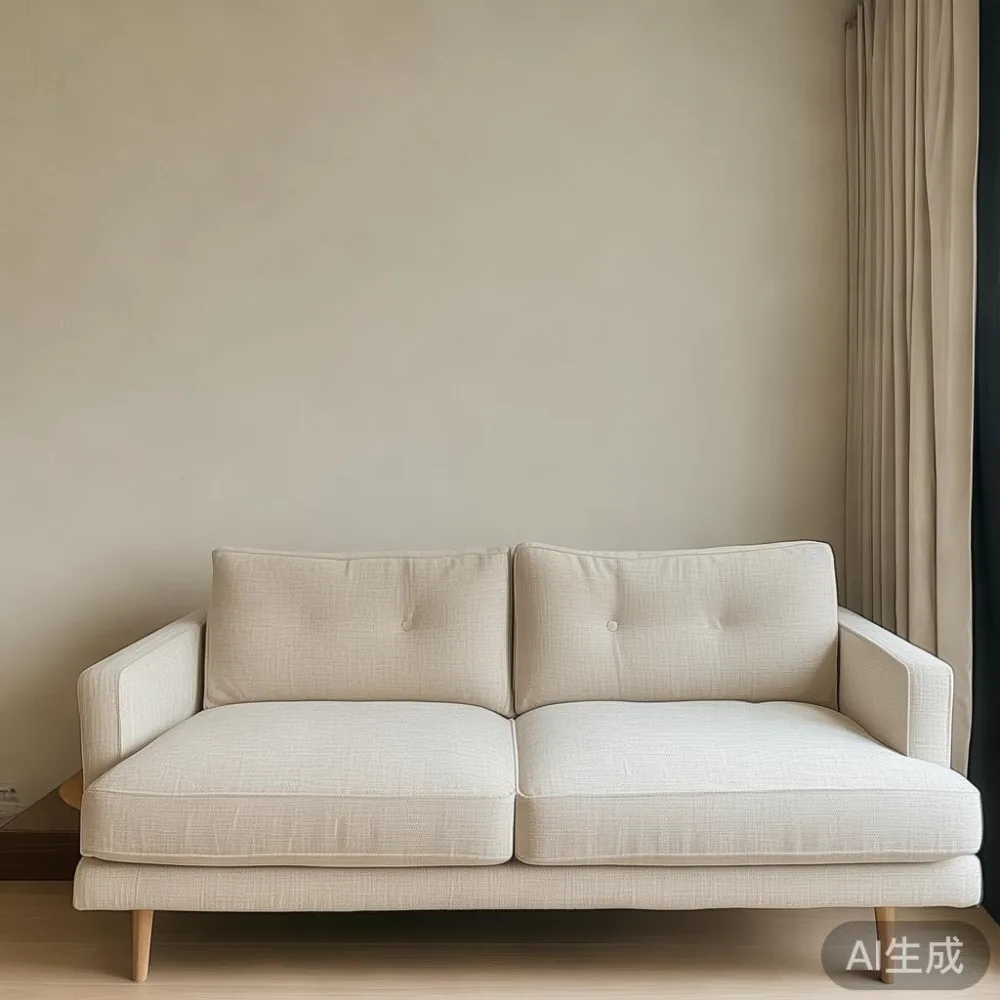
Is American sectional sofa furniture worth it?
An American sectional sofa is worth it only if the brand has engineered it for non-American lift dimensions — anything taller than 2.05 m coiled bodies will simply not enter a Singapore HDB lift, and anything wider than 1.8 m single-piece will not pivot around a corridor dog-leg. The honest, lift-first answer is this: an American sectional sofa is worth it when the back, armrests, and seat modules ship separately, each carton staying under 32 kg and under 90 cm wide, so two installers can carry each piece up without a lift at all. Anything else is a delivery theatre dressed up as value.
Post-modern light luxury sofas borrow the American sectional silhouette — deep seats around 60 cm, chaise extensions of 160–180 cm — but pair it with lighter oak frames and removable linen-blend covers. When you are reading the spec sheet, look for module weight (under 35 kg per box), carton width (under 95 cm), and whether the backrest bolts on or is integrated. Integrated backs save 20 minutes of assembly but add 15 kg to the heaviest carton. Bolted backs cost you a hex key and 15 minutes, and save your lift door frame. For a 2-seater sofa for kids room in a Japandi palette, you want the bolted-back version: lighter covers, easier to clean, and the single boxes stay under 28 kg so you can move the sofa between rooms during a play-area reconfiguration.
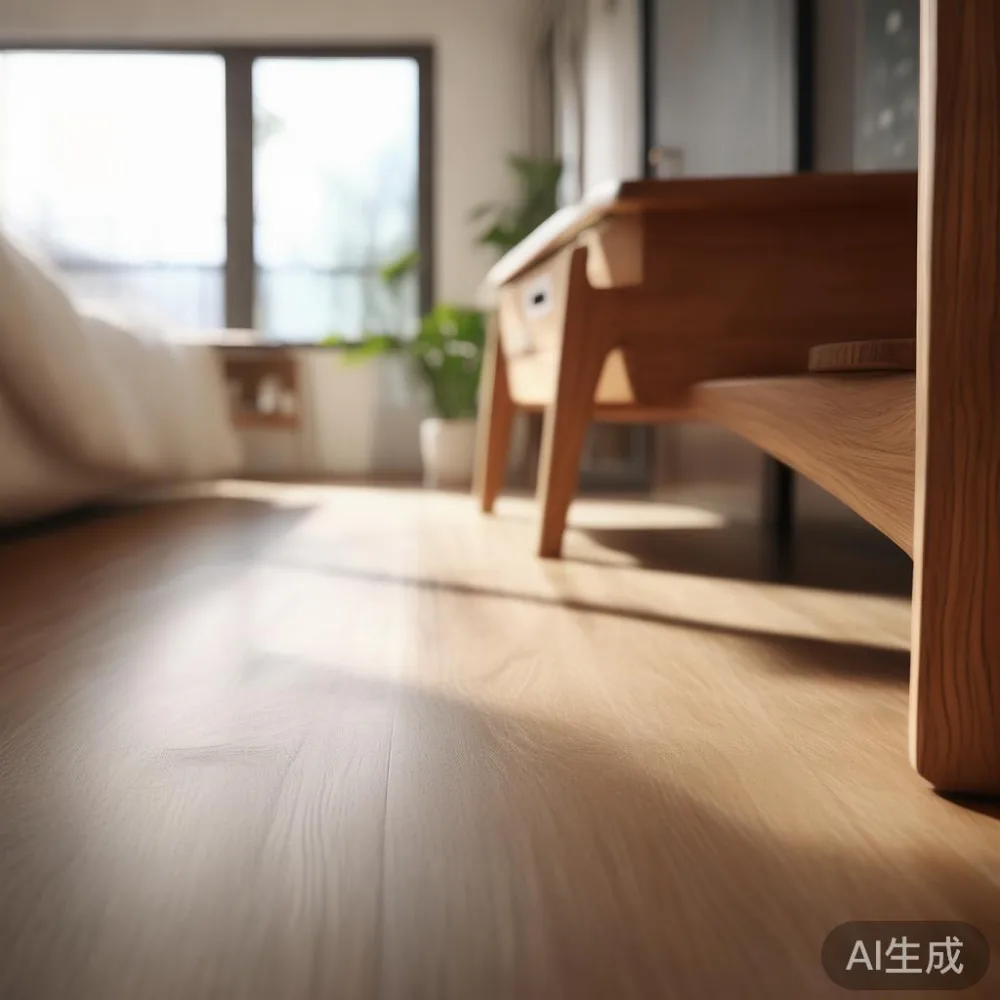
What actually fits inside a Singapore HDB or condo — real measurements, not marketing
Before you check out, measure three things with a steel ruler, not a guess: your lift door width, your corridor turning radius, and the diagonal of your front door. Then check the brand's single-box maximums. A serious solid wood dining table from a Foshan workshop will publish carton dimensions down to the centimetre and a clear weight in kilograms, because the export team has been shipping to 15-plus countries since 2008 and learned the hard way that guessing is expensive.
Here is a realistic cheat sheet I use when consulting for friends in Bedok and Tampines:
- Solid wood bed frame (queen): outer carton 215 cm × 35 cm × 25 cm, 48 kg. Fits any HDB lift lying flat if you tilt at 5 degrees.
- Solid wood nightstand: 55 cm × 45 cm × 40 cm, 18 kg. Single box, never an issue.
- 4-seater dining table: two cartons, tabletop 170 cm × 90 cm × 12 cm at 32 kg, legs 80 cm × 60 cm × 30 cm at 18 kg. Two-person carry, no lift needed for the legs.
- 2-door wardrobe 120 cm wide: three flat packs, longest 165 cm, heaviest 28 kg. Designed for stair carries.
- Marble table (coffee or side): single carton 70 cm × 70 cm × 45 cm, 38–45 kg depending on stone thickness. This is the one piece where a lift is non-negotiable.
- Solid wood sofa 3-seater: two cartons, longest 180 cm, heaviest 42 kg per box. Needs a lift or a strong husband.
Anything heavier than 50 kg per carton, or longer than 200 cm, will need a special arrangement: timed lift booking with the MCST, staircase carry at SGD 80–150 per floor, or a HIAB lorry with a side-gate at SGD 220–400 per delivery. Last month I visited a Punggol Waterway condo where the MCST required 48-hour notice for any furniture over 1.8 m, and the management fee was SGD 25 per visit. That is a real cost line, and it belongs in your budget.
Delivery timelines in Singapore — what 14 days really means
A brand that says "ships in 14 days" in Singapore usually means one of three things: ready-stock dispatch in 7–10 working days from a regional warehouse, made-to-order production in 25–35 days from a Foshan factory, or pre-order with an estimated factory slot of 45–60 days. None of those is bad, as long as the website is honest about which one you are buying. The trap is a brand that says 14 days and means 45, with no tracking between day 14 and day 40. I have watched friends wait eight weeks for a dining table because the website language was vague.
When MIDHILL publishes a delivery window, it gives you three concrete data points: production days, sea-freight days to Singapore, and last-mile scheduling. For ready-stock Japandi pieces — nightstands, small dining benches, side tables with marble tops — the realistic Singapore door-to-door is 10–14 working days, free shipping above US$350 (about SGD 480 at today's rate), 9% GST calculated at checkout. For made-to-order solid wood sofas, bed frames, wardrobes and 6-seater dining tables, the realistic window is 35–50 days door-to-door, with a tracking link that updates at production milestones: cutting, sanding, finishing, packing, container loading, Singapore port, last mile. Lifetime refinishing is included, so if a finish wears in year three, you can request a re-finish and only pay the courier fee, usually SGD 60–120 within mainland Singapore.
Returns are 14 days from delivery for ready-stock items, which is the standard Foshan export policy. Made-to-order pieces are non-returnable unless there is a manufacturing defect — that is fair, because a custom dining table in your specific oak stain cannot be resold. Read the policy page before you pay, not after.
Assembly at home — what 30 minutes looks like with two people
The honest assembly time for a Japandi-style solid wood bed frame is 25–35 minutes for two adults with a cordless drill, four hex keys, and one cup of tea. A solid wood sofa takes 40–60 minutes because you are bolting on legs, slotting backrests into a metal rail, and attaching the linen covers with zippers. A wardrobe takes 90–150 minutes, sometimes longer if the wall is not flat. A dining table takes 10 minutes because the legs bolt on with four M8 bolts and you are done. A marble table takes five minutes, but two people because of the weight, and you put felt pads on the bottom before you place it on the floor.
What slows assembly down is never the furniture. It is the wrong screwdriver, a missing wall stud, or a partner who "helps" by holding the headboard at the wrong angle. My colleague learned this last month assembling a queen bed frame in her Punggol BTO. The headboard bolt was metric M10, and she had only SAE hex keys from a tool kit bought in 2014. The furniture brand sent a replacement bolt kit by next-day courier, free of charge, because the support team understood that hardware frustration is the number-one cause of negative reviews. That is what a ten-year structural warranty actually pays for: not the breakage, but the missing 2 mm Allen key.
For tools, keep these on hand before the courier rings: cordless drill with a 4 mm and 5 mm hex bit, a rubber mallet, a 4-foot level, a stud finder, a furniture felt pad pack (about SGD 8 at any neighbourhood shop), and a roll of painter's tape to mark the wall position before drilling. Total investment: about SGD 35. Time saved: easily one hour per piece. Sanity saved: priceless.
The real cost of "free shipping" in SGD, including GST and lift fees
Free shipping above US$350 sounds generous until you do the maths. At a conversion of roughly 1 USD = 1.37 SGD, the threshold is about SGD 480. A solid wood dining table in oak usually lands between SGD 1,200 and SGD 2,400, so you clear the threshold easily. A solid wood sofa in post-modern light luxury fabric lands between SGD 1,800 and SGD 3,800. A queen bed frame in ash lands between SGD 900 and SGD 1,800. A two-door wardrobe lands between SGD 1,400 and SGD 2,600. Add 9% GST on the landed value, plus a SGD 25–60 lift-booking fee if your MCST charges one, plus optional staircase carry at SGD 80–150 per floor if you live above the eighth floor and the service lift is out of service. The all-in number on your invoice is usually 8–14% above the sticker price, and that is normal.
What you should not pay: installation fees above SGD 150 per piece for standard assembly. What you should expect to pay: a small lift-booking fee that the MCST collects directly, and a tip (not mandatory, but appreciated) of SGD 20–40 per installer if they carried a 70 kg marble table up three flights without complaining. Tipping is not a Chinese export tradition, so do not feel obligated. A handwritten thank-you note in the courier's app goes further than cash.
How to read a product page so you are not surprised on delivery day
A trustworthy Japandi furniture product page — whether for a solid wood sofa, a bed frame, a dining table, a wardrobe, a nightstand, or a marble table — will publish five things you can verify before you pay. First, the exact outer carton dimensions in cm for every box, not just the furniture dimensions. Second, the gross weight per box in kg. Third, the assembly time in minutes for two adults. Fourth, the country of origin and the workshop address (Foshan solid wood makers typically publish this because BSCI and FSC audits require it). Fifth, the warranty in years and what it does not cover (cosmetics, fabric, marble veining). If a page is missing three of those five, assume the worst and budget an extra SGD 200 for surprises.
French light luxury positioning — think pale oak, washed linens, slim brass handles — is one of the easier styles to deliver because the pieces are visually light and the cartons are usually under 30 kg per box. American light luxury leans heavier and deeper, with sectionals that test lift limits. Post-modern light luxury sits between the two, with modular pieces that ship in flat-packs and assemble without power tools. For a Singaporean home with helio-grade constraints — tight lifts, narrow corridors, MCST rules — post-modern light luxury flat-pack is the most forgiving delivery experience you can buy today.
A realistic 30-day plan for furnishing a japandi style home in Singapore
Week one: measure your lift, your corridor, and your front door. Photograph each. Save the photos on your phone under the album name "Furniture Delivery" so the courier team can see them before they dispatch. Week three: order your anchor pieces — bed frame, wardrobe, dining table — because they have the longest production lead time of 35–50 days. Week four: order your soft pieces — solid wood sofa, nightstands, a marble side table — because they are usually ready-stock and arrive within 14 days, filling the gap while you wait for the anchors. Week six to eight: assembly happens on weekends, two hours per Saturday, two people, one cordless drill. Week nine: live with the pieces for seven days, photograph any finish issues or wobbles, and send them to the brand's after-sales team within the 14-day return window for ready-stock items. That is a plan that respects the physics of Singapore delivery, the reality of japandi style construction, and your own weekend schedule.
One last piece of advice. Buy the biggest, heaviest, most-deliverable piece from a brand that publishes its carton dimensions in centimetres, its weights in kilograms, its warranty in years, and its workshop address in Foshan. Then buy the smaller Japandi accessories — a marble table lamp, a nightstand with rattan drawer front, a solid wood stool — from the same brand so consolidation shipping is one delivery, one corridor dance, one tip jar. That is the unglamorous reality of buying japandi style furniture online in Singapore, and it is the only path to a living room that looks like the photograph and feels like home.