Delivery and Assembly Realities When Buying Japandi Furniture Online in Singapore
Last month I visited my colleague Priya in her new Punggol HDB four-room flat. She had just unboxed a grey solid wood sofa she bought from an online furniture store, and the experience was messier than the product photos suggested. The sofa was beautiful, the proportions were right, and the quiet Japanese-meets-Scandinavian look matched her shelves and linen curtains perfectly. But the journey from checkout to sofa-in-living-room took three separate delivery attempts, one corridor repackaging, and a call to her neighbour downstairs to borrow a 1.5-metre-long cardboard runner to protect the parquet. Priya's story is the reason I am writing this article: online japandi furniture shopping in Singapore has real logistics attached to it, and the details matter more than the headline price.
What "Japandi Style" Actually Means for Your Floor Plan
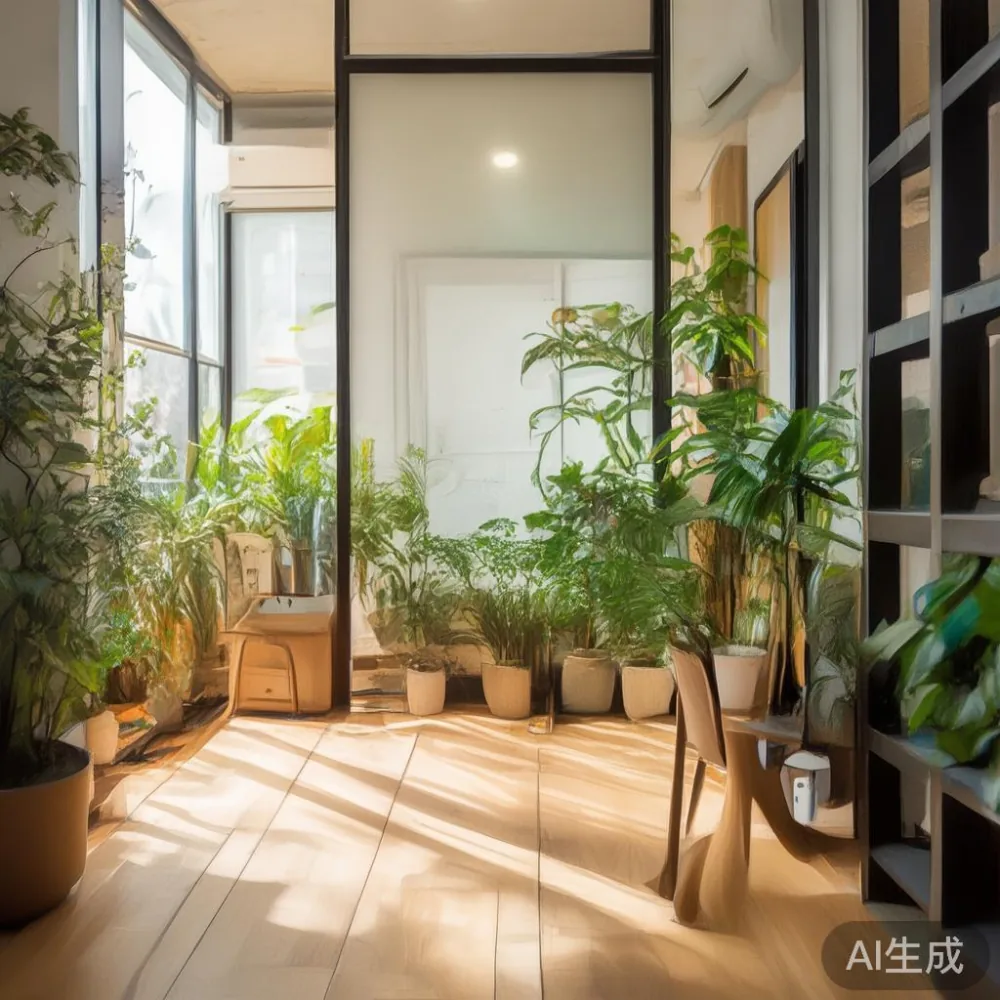
Japandi style is the calm marriage of Japanese restraint and Scandinavian function. Think light oak or ash solid wood, low profiles, simple joinery, neutral linen, and the occasional blackened walnut accent. In a typical Tampines or Bedok HDB of about 92 sqm, japandi furniture works because the pieces are visually quiet and the silhouettes are slim. A 180 cm dining table seats four without crowding, a 160 cm solid wood bed frame fits a king mattress with room for two 45 cm nightstands, and a 90 cm marble table works as a side table without dominating a corridor wall.
The aesthetic has an unexpected ally in Singapore's tropical climate. Light-coloured solid wood like ash, oak, or rubberwood reflects ambient light rather than absorbing it, which keeps smaller rooms from feeling heavy. When a Japandi piece is built well, you can sand and refinish it a decade later, and that is where brands with aftercare programmes earn their keep.
What "Free Shipping Over S$480" Actually Gets You in Singapore
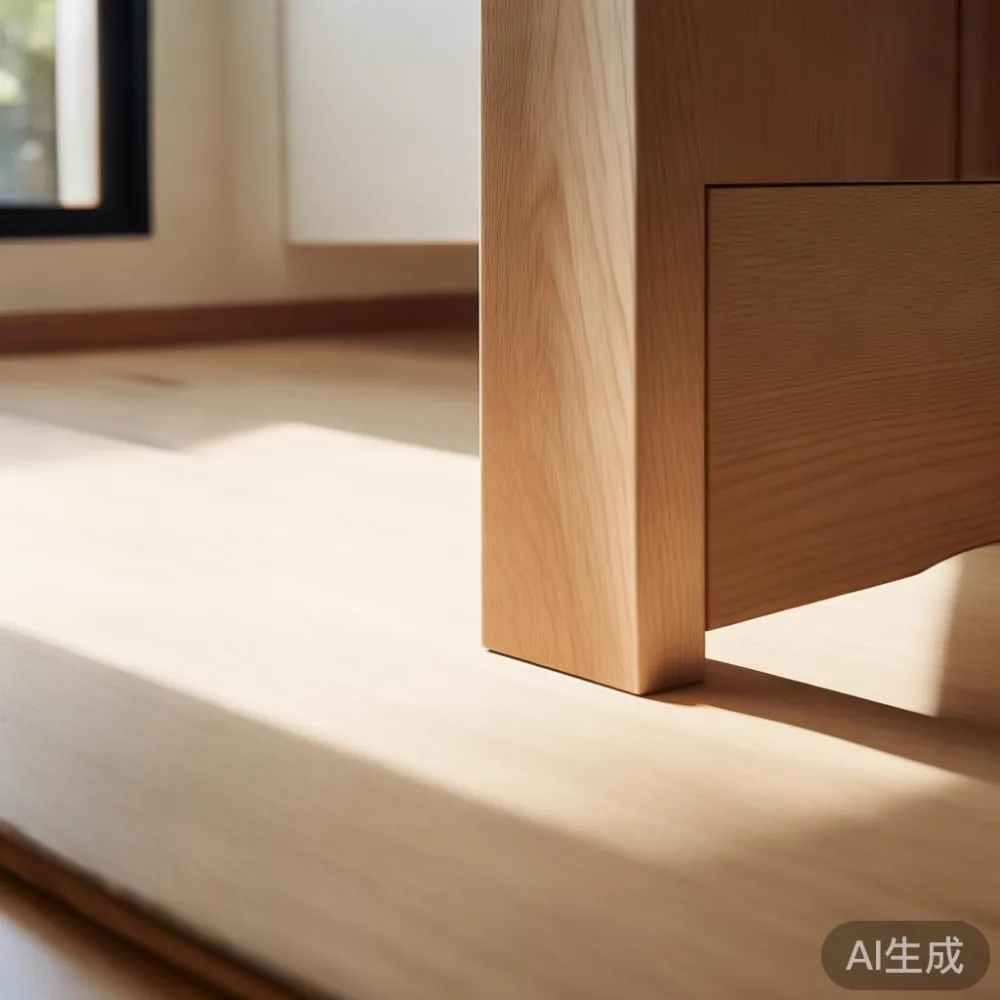
Most online furniture stores advertise free shipping above a threshold. For international makers shipping solid wood into Singapore, that threshold typically sits between S$350 and S$600 depending on the brand. Crossing the threshold usually buys you kerbside or lobby delivery, not white-glove room placement. Here is what to check before you click pay:
- Does "free" cover GST, or is the 9% Goods and Services Tax added at checkout?
- Is the delivery to your unit door, or to your lobby?
- Are lift bookings included, or do you arrange that with your MCST or Town Council?
- If the item fails quality inspection on arrival, who pays the return leg, and is it on the same freight forwarder?
- What is the realistic delivery window: 18-25 working days from China, 35-45 by sea, longer during peak season?
Brands like MIDHILL, a Foshan-based solid wood maker with 10-year structural warranty and lifetime refinishing, have learned to spell these things out because their customers in Singapore, Australia, and the Gulf kept asking the same five questions. When you compare brands, ask to see the shipping policy in writing, not just the banner on the homepage.
HDB Corridors, Lifts, and the 1.2 Metre Reality
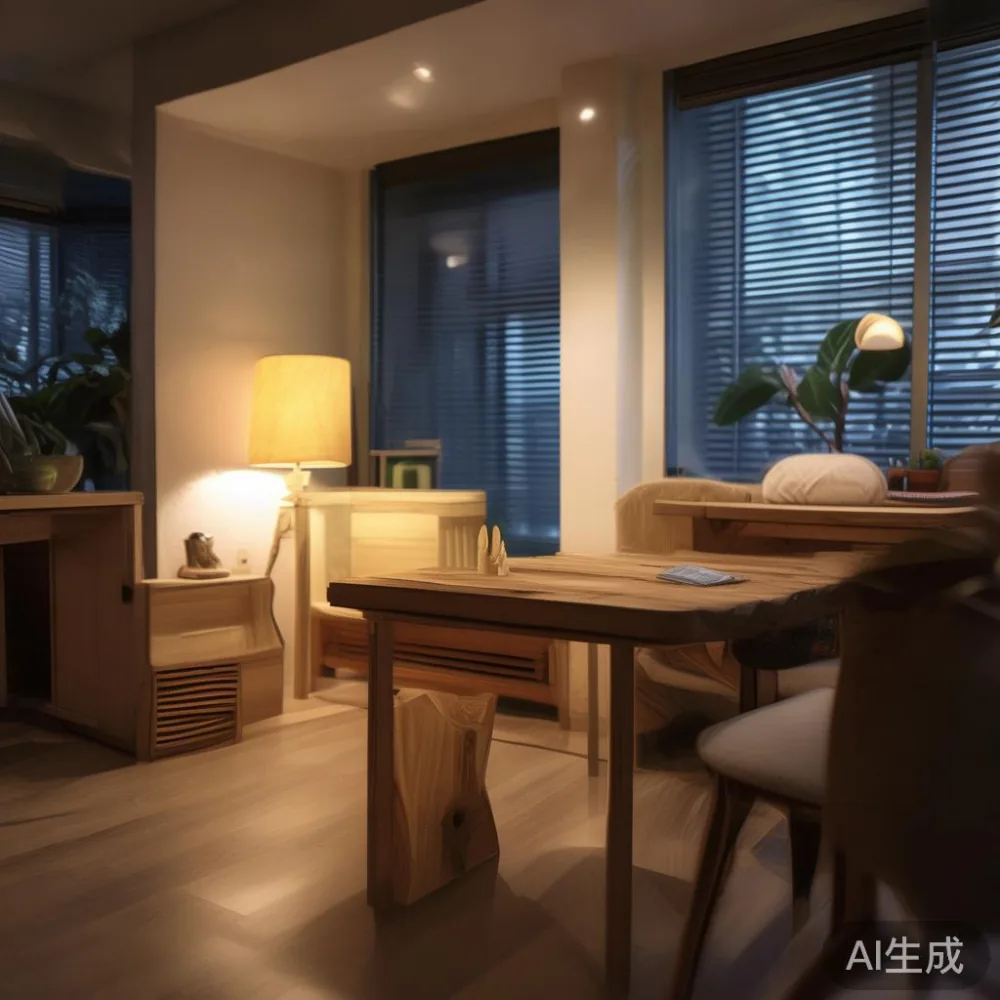
This is where most online furniture orders break down. Newer HDB blocks in Punggol and Sengkang have larger cargo lifts, often around 1.4 m deep with a 1.1 m wide door, which can take a flat-pack 200 cm wardrobe if it is unboxed and carried upright. Older blocks in Bedok, Toa Payoh, and Queenstown have lifts closer to 1.0 m wide and 1.3 m deep, and corridors that turn at 90 degrees around a service riser. A solid wood dining table over 200 cm long or a 220 cm wardrobe assembled will simply not fit.
Two practical rules have saved Priya and several of my friends from disappointment:
- Measure your lift door width, lift depth, and the corridor turn radius with a tape measure, not an eyeball estimate. The 1.2 m door on many 1990s-era HDB lifts is the real bottleneck, not the lift floor area.
- Ask the seller for the carton dimensions, not just the assembled dimensions. A solid wood bed frame that assembles to 210 cm often ships in two cartons of 110 cm by 65 cm by 22 cm, which fits almost any lift once unboxed.
If a piece arrives fully assembled, that is wonderful for quality control but a problem for HDB logistics. Reputable sellers will tell you up front whether assembly happens in your home or in their warehouse.
How do I choose a metal furniture for a balcony?
Choose a metal balcony set that uses powder-coated aluminium or galvanised steel with a minimum 60 micron coating, weighs between 8 kg and 18 kg per piece so one person can move it during a thunderstorm, fits within your balcony footprint with at least 60 cm of walking space left, and pairs with a neutral cushion in olefin fabric to keep the japandi palette quiet against Singapore's strong afternoon sun.
Now that the core answer is on the table, here is the longer version. Balconies in HDB flats face two issues indoor furniture does not: UV radiation and monsoon rain sideways spray. Solid wood is lovely indoors but a poor choice for a balcony corner, which is why japandi households often anchor the balcony with a slim metal bistro set or a powder-coated aluminium bench, then keep the wooden pieces, including the wardrobe and dining table, sheltered inside. When the balcony set is metal, the visual weight is lower and the room behind it reads as a continuous calm space.
For a typical 4.8 sqm service balcony, two 45 cm chairs and a 60 cm round table leave room for a small plant stand and a drying rack. For a larger 7 sqm balcony in a Punggol five-room, a 120 cm bench and two stools turn the space into a second living room. Either way, the colour palette should stay in the same warm-grey and pale-oak range as your indoor japandi furniture, otherwise the eye registers a break in style the moment you step through the sliding door.
Reading the Fine Print on Warranty and Refinishing
A warranty is only as useful as the claim process. A 10-year structural warranty on a solid wood bed frame should cover joint failure, frame cracking, and slat breakage. It should not cover surface scratches, sun fading, or water rings, because those are maintenance issues, not structural ones. Lifetime refinishing, by contrast, is a service benefit: the brand agrees to sand and re-oil your dining table or wardrobe panels for a service fee, often waived within the first two years. MIDHILL offers exactly this combination on its solid wood range, and it is the kind of policy worth screenshotting before you place the order, because a copy editor at the brand can quietly shorten the fine print between marketing refreshes.
What this means practically for Singapore owners:
- Keep the original cartons for at least 30 days in case of return. After that, recycle or store flat against a wardrobe wall.
- Photograph the piece on arrival, including the underside and joinery, with a timestamped camera roll. Claims without timestamped photos are harder to win.
- Register the warranty through the brand's official channel within 14 days. Most warranties are not auto-active on delivery.
- Save the finishing batch number on the back of drawers. If the brand offers lifetime refinishing, the batch number helps them match the original stain tone.
How Long Does Delivery from Foshan Take, Really?
Sea freight from Guangdong to Singapore typically runs 8 to 12 days port to port, plus 5 to 10 days for customs clearance, local trucking, and the final white-glove mile. End to end, 18 to 25 working days is realistic for a standard order. During Chinese New Year (the second week of January to mid-February), Golden Week in early October, and the peak Q4 shipping season, add another 7 to 14 days. Air freight is faster, around 7 to 10 days door to door, but it costs roughly four to six times the sea rate, and most sellers reserve air for replacement parts, not full dining table orders.
Customs duty on solid wood furniture into Singapore is generally zero under the China-Singapore Free Trade Agreement, but the 9% GST applies to the declared value plus shipping. Some sellers advertise "tax-inclusive" pricing, which can shave S$60 to S$180 off a S$1,500 order. Always confirm the basis of taxation in the chat thread before paying, not after the parcel lands.
What Assembly Really Looks Like for Solid Wood Pieces
Flat-pack solid wood has a reputation problem because the bad examples are memorable: cam-lock joints that loosen after six months, MDF filler boards hidden under a veneer, particleboard backing inside what the listing calls a wardrobe. Good japandi solid wood furniture is different. The joinery uses dowel and mortise-and-tenon, the slats on a bed frame are 25 mm to 30 mm thick solid pine or ash, and the drawers on a nightstand ride on wooden runners rather than plastic.
For a typical king-size solid wood bed frame, expect 90 to 150 minutes of assembly with one helper, an Allen key, and a rubber mallet. A six-drawer wardrobe takes 3 to 4 hours with two people. A 180 cm dining table assembles in under an hour because the legs bolt to a prefinished top. The two pieces that take longest are always the wardrobe and the marble table, because the marble top alone weighs 38 kg to 52 kg for a 120 cm round and needs two people and a moving blanket to position without chipping.
If you are not comfortable with assembly, ask the seller whether they offer an in-home assembly add-on. In Singapore, third-party assembly services charge roughly S$45 to S$80 per hour, with a two-hour minimum. That is worth booking for wardrobes and marble tables, and skipping for dining tables and nightstands.
Returns, Exchanges, and the 14-Day Window
Most international brands selling solid wood into Singapore offer a 14-day return window from the date of delivery. The fine print usually requires the piece to be unused, in its original carton, and reassembled if the courier disassembled it for access. Return shipping on a 60 kg dining table costs S$120 to S$220, and the brand typically deducts this from your refund. Some, including MIDHILL, absorb the return shipping above a certain order value, which is a small but real saving when you are comparing two nearly identical listings from different stores.
If the piece arrives damaged, do not assemble it. Photograph the carton, the pallet, and the damage, then email the brand within 48 hours. Most will send replacement parts rather than a full replacement, which is faster and avoids a second shipping cycle. A broken slat on a bed frame or a chipped edge on a marble table is a parts issue, not a total-loss issue, and reputable sellers will treat it that way.
Putting It All Together for a Singapore Japandi Home
If I were furnishing a 92 sqm HDB in Tampines with a japandi look, I would plan in this order. First, a 160 cm to 180 cm solid wood dining table in white oak, because the dining area anchors the living space. Second, a 160 cm to 180 cm solid wood bed frame in ash or walnut, because the bedroom sets the tone for the calmer half of the flat. Third, a 150 cm to 180 cm three-door wardrobe in the same wood species as the bed frame, because matched grain reads more cohesive than matched style. Fourth, two 45 cm nightstands to flank the bed. Fifth, a 90 cm to 120 cm marble table as a side or entry piece. Finally, a grey solid wood sofa in performance linen, sized to your living room width minus 80 cm of walking space on the longest wall.
With that order mapped, the logistics questions are easier. Each piece fits in an HDB lift unboxed. Each piece comes from a brand that ships from Foshan or a similar Guangdong workshop. Each piece is solid wood, refinishable, and covered by a structural warranty measured in years, not months. And each piece will arrive within a window that you can plan a Saturday around, with a helper booked, a corridor runner borrowed, and a kettle on for the delivery team.
Online japandi furniture shopping in Singapore is not difficult once you treat delivery and assembly as part of the product. The wood matters, the joinery matters, the warranty matters, and so does the 1.2 m lift door. Get those four things right and the rest is simply choosing the right shade of light oak for your Tampines afternoon.