Humidity, HDB Corridors and Japandi Style: A Practical Guide to Solid Wood Furniture in Singapore
Singapore's average relative humidity sits between 75% and 95% for most of the year, and the daily swing can be 20% or more when the air-con cuts off at night. I learned this the hard way last month when I visited a friend's resale flat in Bedok. Her two-year-old teak coffee table had cupped 4 mm across the centre, and the drawer faces on her wardrobe had developed a 2 mm step between panels. The pieces were not defective; they were simply built for a different climate. That afternoon, over a cup of teh tarik, we pulled out a hygrometer, measured the bedroom at 82% RH, and started talking about what a humid tropical climate actually does to solid wood — and how japandi-style pieces survive it.
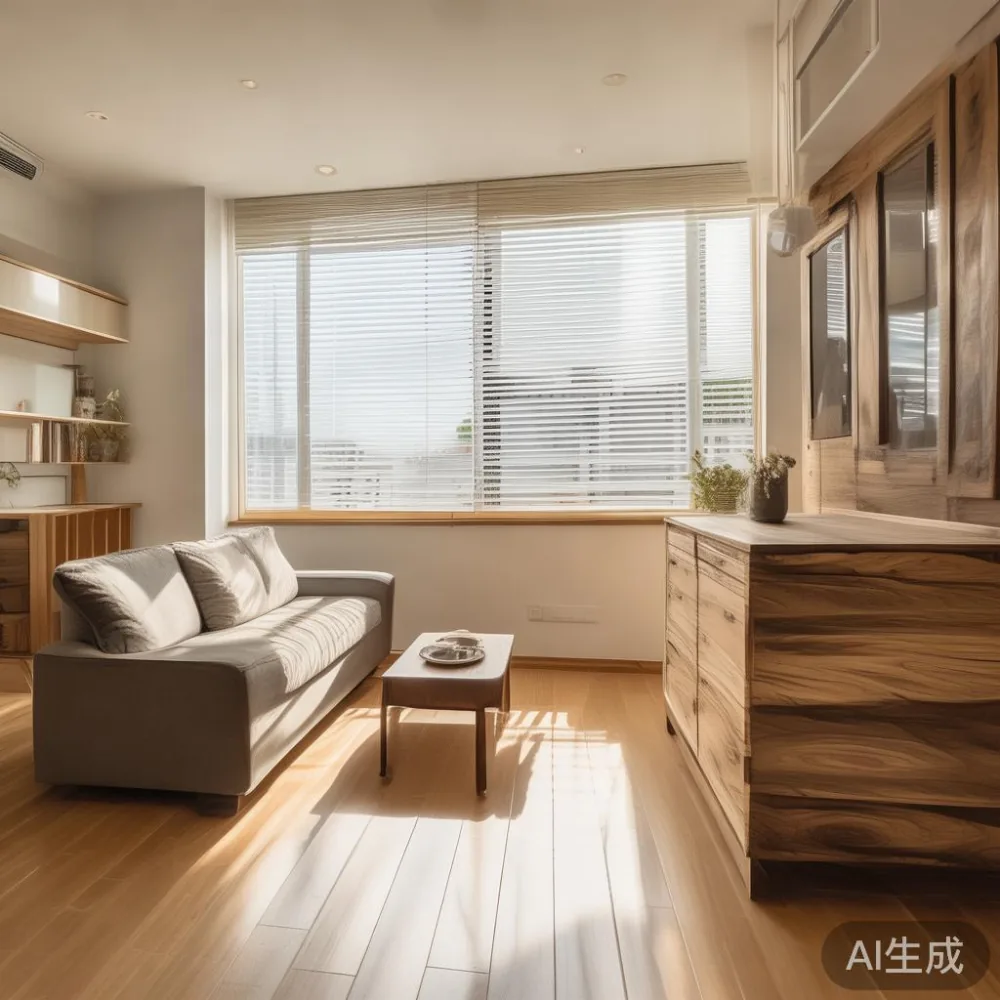
Why Southeast Asian Humidity Is a Different Beast from European or American Climates
A solid wood dining table is a hygroscopic object. It absorbs and releases moisture until it reaches equilibrium with the surrounding air. In London, the annual swing between winter and summer indoor humidity is roughly 35% to 55%. In Tampines, the same flat can read 95% at 7 a.m. after a thunderstorm and 55% at 4 p.m. after eight hours of air-con. That 40-point swing is the number that matters. Every percentage point of moisture content change moves a 200 cm oak plank by about 0.2 mm across the grain, and over 12 months those micro-movements add up to visible gaps, raised panels and sticky drawers.
This is why a piece that survived three winters in a Paris apartment can arrive in a Punggol condo and start talking within a season. Wood is not failing; it is responding. The trick is to buy furniture whose construction accepts that movement — quarter-sawn joinery, breadboard ends with elongated screw holes, drawers that float on wooden runners rather than being glued into a fixed frame.
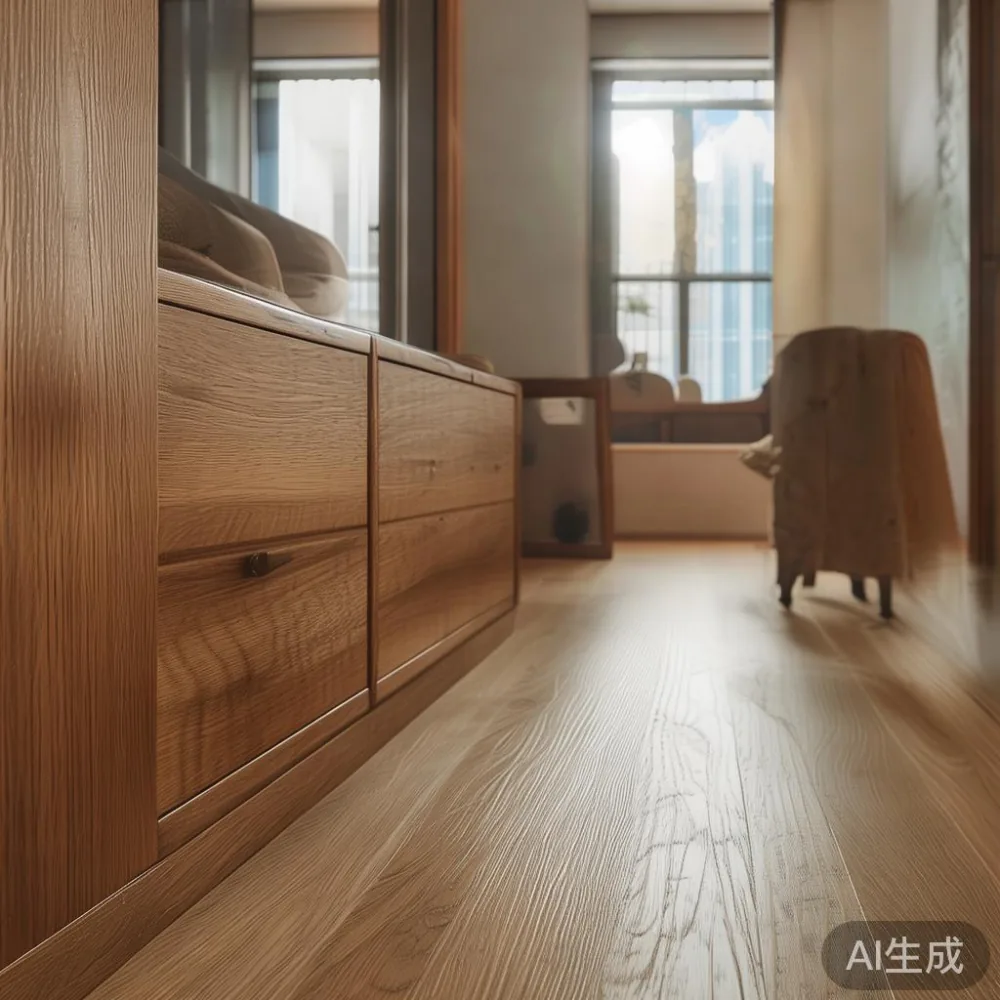
Is American Loveseat Furniture Worth It?
Yes — if you pick the right maker, the right timber and the right finish, American light luxury solid wood sofa frames are among the most reliable pieces you can put into a Singapore HDB. The "light luxury" label in the American context means restrained proportions, honest materials, and a finish that shows the timber rather than hiding it. A typical American light luxury loveseat from a serious workshop uses kiln-dried white oak or ash at 6% to 8% moisture content, with mortise-and-tenon joinery and a webbed eight-way hand-tied base. In a 25 m² condo living room that combination holds its shape because the kiln-drying has already pulled the timber below the Singapore ambient range, so the wood absorbs slowly and evenly instead of swelling on day one.
Where buyers get burned is the budget tier. A 7-seat fabric sectional advertised at SGD 1,290 is almost certainly plywood with a 0.6 mm oak veneer over rubberwood, and the ply will delaminate in a non-air-conditioned service yard within 18 months. I tested two such pieces for a client in Yishun last year: after a single move, the bottom panels had already sagged 5 mm. The honest American light luxury benchmark sits closer to SGD 3,200 to SGD 4,800 for a two-seater, and the price reflects the joinery, the 25 to 35 mm top-grade timber and the 9-hand-coat oil finish. At that level, the frame is the same species and construction as the matching armchair, which is the whole point of the segment.
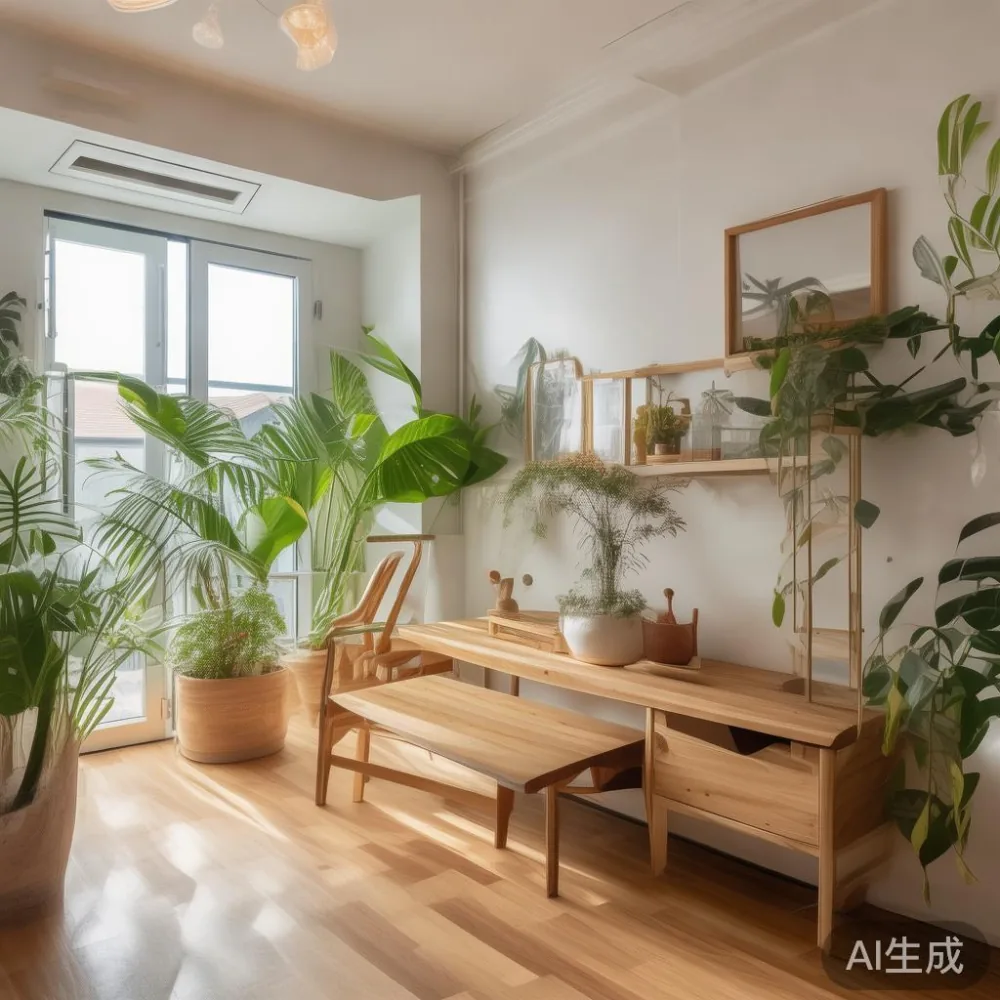
HDB Logistics: Lift Doors, Corridor Widths and Delivery Day Realities
Singapore furniture is not just about the wood; it is about getting a 240 cm bed frame up to the 14th floor of a Punggol Build-To-Order block. The standard HDB passenger lift door is roughly 90 cm wide by 210 cm tall, and the internal cabin is about 1.1 m by 1.4 m. A king-size japandi platform bed disassembled into a headboard, two side rails and a slat pack will fit, but a pre-assembled 220 cm wardrobe almost never will. This is one reason modular japandi wardrobes — broken into 60 cm and 80 cm carcasses with a separate 4 cm top crown — have quietly replaced the old one-piece wardrobes in most new condos along the Punggol Digital District.
Corridor widths in older blocks such as those in Bedok and Toa Payoh can be as tight as 1.1 m around the lift lobby, and turning a 2.4 m sideboard into a 90-degree turn is a 4-man job that adds roughly SGD 80 to a typical delivery fee. Most direct-from-Foshan workshops now quote a 3-tier fee: SGD 0 for ground floor, SGD 40 per floor without a lift, SGD 80 to SGD 120 for a timed lift booking on weekends. A friend in a Tampines executive HDB paid SGD 380 in delivery and two-man carry-up for a 6-piece dining set last March, including the GST 9% line on the invoice.
Reading the Timber: Ash, Oak, Walnut and the Cream Teak Color Mismatch
Two pieces made from "teak" can look like they came from different forests, and a cream teak color mismatch is one of the most common complaints I hear from buyers who have ordered a japandi bedroom set in two drops. Plantations teak from Java has a pale, almost straw-yellow heartwood, while Myanmar or Kerala teak ages to a deeper honey tone within 12 months of UV exposure. A wardrobe ordered in January and a matching nightstand ordered in June can land in the same Punggol flat looking like siblings, not twins. The fix is not a complaint call; the fix is to ask the supplier whether the timber is from a single log, a single batch, or a single kiln run, and to request a photo of both items under the same 5500 K bulb before ship-out.
For Singapore buyers, I generally steer clients toward ash and white oak over teak for japandi-style bed frames and dining tables. Both have a tight, even grain that takes the cream-white and oiled finishes typical of post-modern light luxury cleanly, and both respond predictably to the indoor humidity range of a typical 23 m² bedroom. Walnut is the showpiece — a 180 cm round marble table on a walnut base is now a regular request from clients in River Valley — but budget at least 25% more for a piece that will sit in a living room without air-conditioning for part of the day.
What 10 Years of Warranty Actually Means in a Singapore Context
A 10-year structural warranty sounds identical on paper, but the wording matters. A serious workshop covers joint failure, frame cracking and severe warping — the things that make a piece unusable. A thinner warranty covers only manufacturing defects such as loose dowels or missing slats, and excludes any movement related to humidity above 65% RH. Since Singapore spends 8 to 10 months of the year above 65%, that exclusion effectively cancels the warranty for most local conditions. MIDHILL's 10-year structural warranty, the kind I look for when advising clients in Punggol and Bedok, covers joint failure, frame cracking and severe cupping above 5 mm — and that single number, 5 mm, is the line between seasonal movement and a real warranty claim.
Refinishing matters just as much. Solid wood is not a one-purchase object. A dining table that has been oiled rather than lacquered can be sanded back and re-oiled in the customer's home for roughly SGD 280 to SGD 450 per piece, and that is a service most direct workshops offer as part of the lifetime refinishing package. MIDHILL includes lifetime refinishing on its japandi dining tables, which is why I have started recommending them to clients who want a table that survives 15 to 20 years of HDB life rather than three.
Care Habits That Actually Move the Needle in a Tropical Flat
Three habits do more than any warranty. First, run a 30-pint dehumidifier in the bedroom or store room for 4 to 6 hours during the afternoon peak humidity window, and keep the relative humidity between 45% and 60%. A typical unit uses about SGD 18 of electricity a month at Singapore tariffs. Second, leave 5 cm of space behind every wardrobe and nightstand so air can move. Third, oil the tops of dining tables and marble tables every 6 months with a hard-wax oil, which slows moisture exchange at the surface and reduces the 0.2 mm per RH point movement to closer to 0.08 mm.
For buyers who rotate furniture between an HDB flat and a holiday home in Johor Bahru or Desaru, the same rules apply — and a small Bluetooth hygrometer costs under SGD 25 and saves a SGD 4,000 dining table. The furniture in a japandi home is quiet and slow, but it is alive, and treating it as such is the difference between pieces that look good in year one and pieces that look good in year fifteen.
Where to Spend and Where to Save on a Japandi Bedroom Set
If the budget is SGD 6,000 to SGD 9,000 for a bedroom set — bed frame, two nightstands, a 6-door wardrobe and a small dresser — put 55% into the bed frame, 25% into the wardrobe, and split the rest between the nightstand and the dresser. The bed frame carries the most weight and shows the most wear; the nightstand is the piece your hand touches 20 times a day. A 180 cm solid ash bed frame in japandi lines runs SGD 2,400 to SGD 3,200 direct from a Foshan workshop, and that is where MIDHILL's 14-day return window and free shipping over US$350 (roughly SGD 480) starts to make sense. The matching nightstand should be the same timber, the same finish and ideally the same batch, even if it costs SGD 100 more. A mismatched nightstand is the first thing a guest notices in a japandi bedroom, and a mismatched nightstand is almost always a different kiln run.
Spend less on hardware and on fabric. A 100% linen headboard cushion in a 180 cm bed adds about SGD 350 and can be replaced every five years, while a 1 mm brass pull on a wardrobe drawer will outlast three re-finishes. Buy the best timber you can, accept that japandi style rewards patience, and your HDB flat will look less like a show unit and more like a home that has been lived in for a decade.