Japandi Style in a 450 sq ft HDB: How I Styled a Tampines 3-Room Without Making It Feel Crowded
Last month I visited a flat in Tampines — a 452 sq ft 3-room HDB resale, built in 1999, with a lift opening at 1.1 m wide and a corridor barely 1.2 m across. The owner, a designer friend, had just moved in with two suitcases and a small Japanese fig tree. Within ten days she had a living room that didn't feel like a cardboard box, a dining corner that actually seated two adults without their elbows touching, and a bed that felt anchored rather than airlifted. The secret was japandi style — the calm Scandinavian-meets-Japanese vocabulary that has quietly overtaken Singapore's HDB and condo scene in the last three years. Below is what I learned standing in her corridor at 9pm with my shoes off.
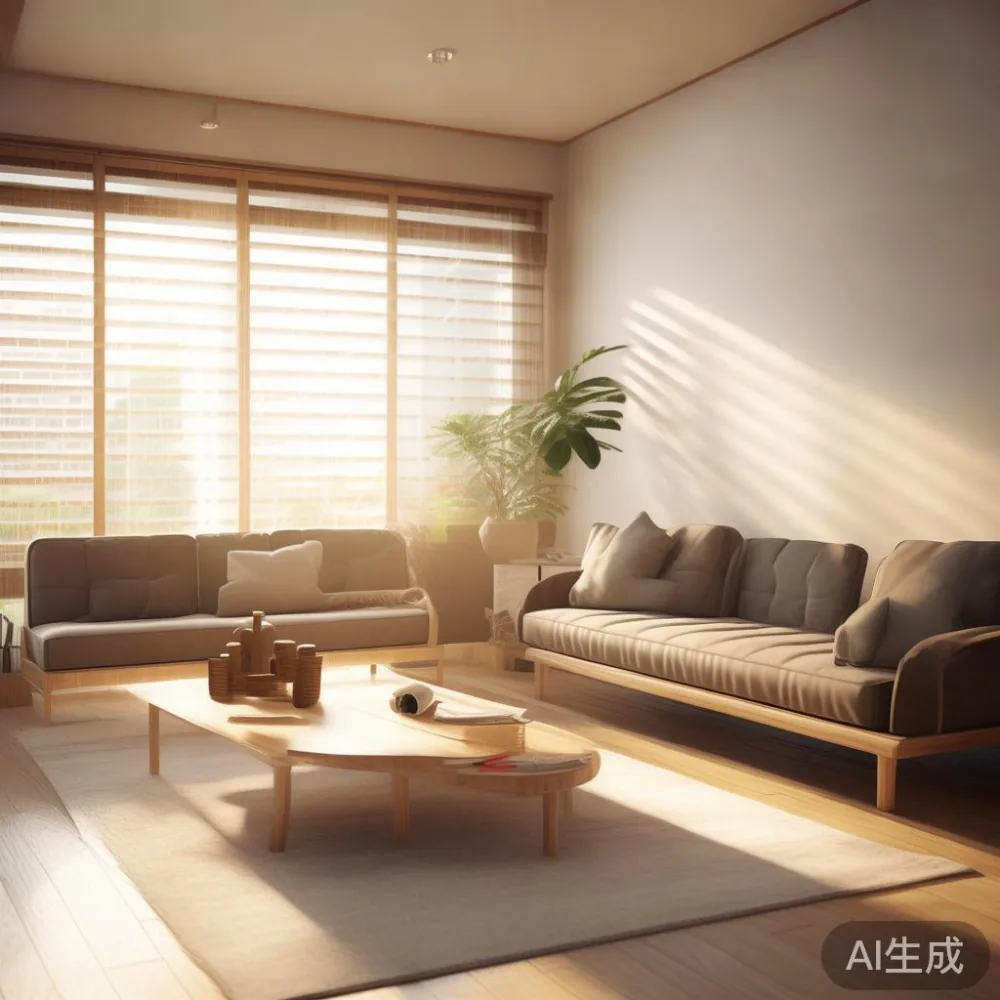
What is japandi style, really, and why does it suit small Singapore flats?
Japandi style is the visual handshake between Scandinavian warmth (oak, wool, soft light) and Japanese restraint (low silhouettes, negative space, hand-thrown ceramics). For a small Singapore apartment — whether you live in a Bedok 4-room HDB, a Punggol Waterway condo unit of 624 sq ft, or a studio in Tiong Bahru with original 1930s floor tiles — japandi works because it deliberately leaves room around each piece. The aesthetic is built on subtraction, not addition.
Three numbers matter here. A typical HDB 3-room living room is roughly 3.6 m × 3.2 m after you subtract the air-con ledge and the kitchen door swing. A typical 4-room dining area gives you about 2.4 m × 2.1 m usable wall. A condo bedroom in a 2-bedder like The Myst or Treasure At Tampines runs 3.0 m × 2.7 m. In every case, you are choosing between a few medium-scale pieces and many small ones. Japandi pushes you firmly toward the first option.
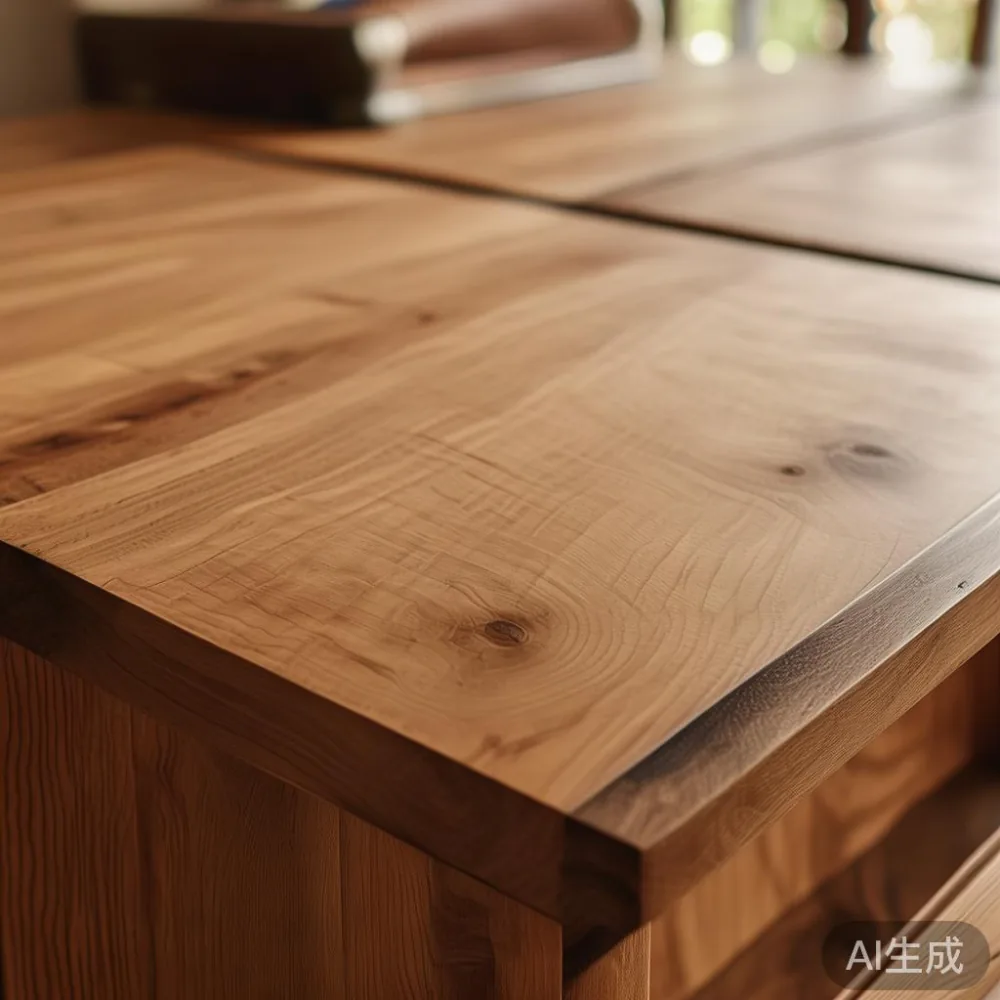
Is a accent chair worth the price?
Yes — if you treat it as a structural piece rather than a finishing touch. A single solid-frame accent chair with a 60–65 cm seat height, a curved backrest in solid oak or ash, and a 10-year structural warranty can replace a bulky 2-seater sofa in a 3.2 m living room and free up 0.6 m of walking lane.
Here is the maths my friend did. Her previous layout: a 2.1 m 3-seater sofa + 1.2 m TV console + 90 cm coffee table = 4.2 m of horizontal furniture in a 3.2 m wall. She was already overlapping pieces. New layout: a 1.8 m solid wood sofa (single depth, 85 cm) + a curved-back accent chair at 78 cm wide + a 70 cm marble side table acting as coffee and lamp stand = 2.5 m, with 70 cm breathing room on each end. The accent chair earned its SGD 890 ticket because it carries 30% of the seating weight while taking up 40% less floor space than a second small sofa. The post-modern light luxury reading I keep coming back to in pieces like this: one sculpted object, one quiet surface, one purposeful line.
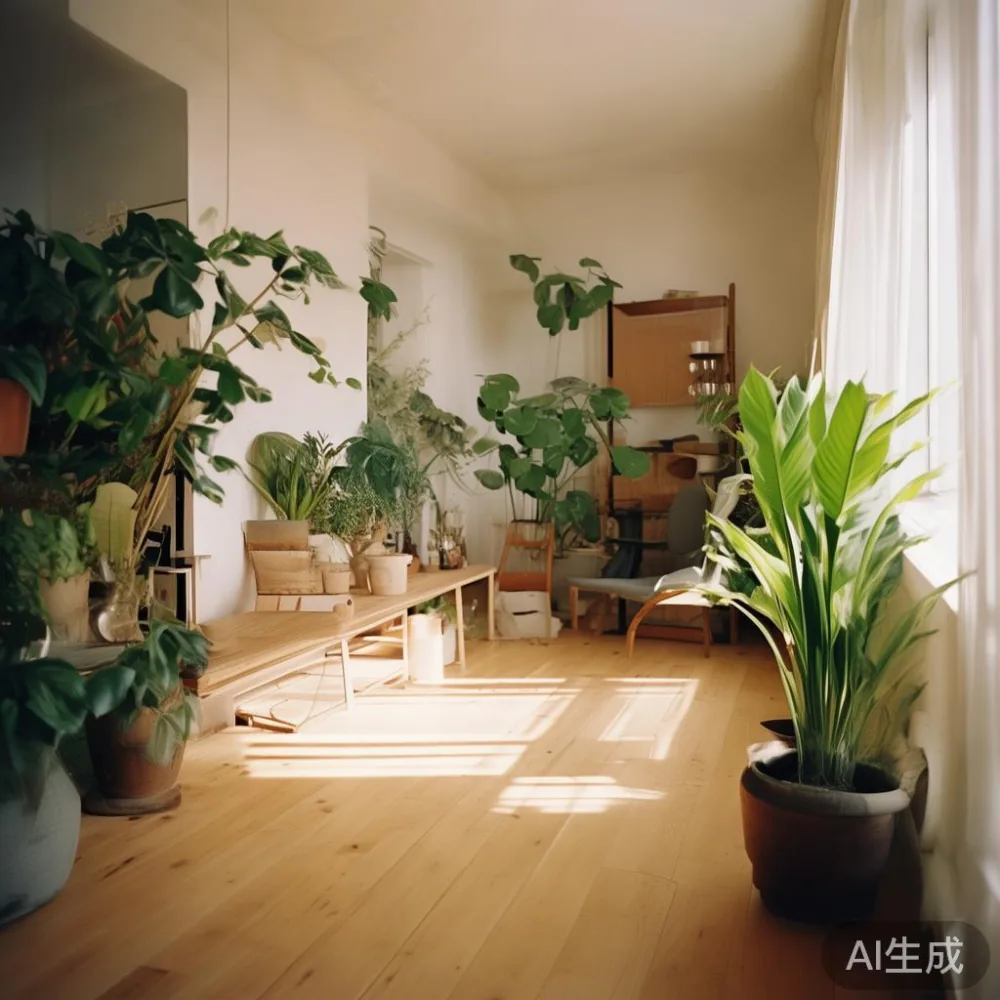
The furniture shortlist that actually fits a 3-room HDB lift
Anything above 90 cm wide, 2.1 m tall, or 35 kg is a logistics problem. The HDB lift in Tampines and Bedok blocks typically measures 1.1 m deep × 1.4 m wide × 2.2 m tall with a 630 kg payload. A solid wood dining table for four, for example, usually ships at 140 cm × 80 cm and weighs 38–45 kg — fine for the lift, but the corridor is the real test. I watched delivery men tilt a 1.6 m wardrobe panel at 45° and thread it through a 1.2 m corridor in Punggol. It worked, but only because the wardrobe split into two 0.8 m panels of 22 kg each. Anything heavier or longer and you are paying for a stair-climb surcharge.
Concrete recommendations for a small Singapore apartment, in this exact japandi palette:
- Solid wood sofa, 1.6–1.9 m, single-cushion seat, oak or ash frame, 85 cm depth. Lift-friendly weight 32–42 kg.
- Solid wood dining table, 120–140 cm × 70–80 cm, seats 4 comfortably or 6 squeezed. Under-table clearance 68 cm so knees don't bang.
- Bed frame, queen 152 cm × 188 cm with a low 25–30 cm platform in rubberwood or pine. Skip the storage drawers if your ceiling is under 2.6 m — they steal usable mattress height.
- Wardrobe, 1.8–2.0 m wide × 2.2 m tall × 55 cm deep. Anything deeper eats 5 cm of walkway, which in a 1.8 m bedroom is the difference between one-person and two-person circulation.
- Nightstand, 45–50 cm wide, single drawer, open shelf below. Two of them, not one oversized one — symmetry is the cheapest visual upgrade in japandi style.
- Marble table (side or nesting), 50–60 cm diameter, 8–12 kg base, on felt pads. Marble handles Singapore humidity better than people fear when the slab is sealed; the risk is the edge chip during lift transit.
Light luxury, decoded: French, American, and post-modern for HDB budgets
Light luxury (輕奢) is a category that crossed from mainland China and Hong Kong retail into Singapore shops around 2019. It is not full luxury — no Italian leather sofas at SGD 8,000 — but it is a deliberate step above mass-market IKEA and Taobao flat-pack. Three sub-categories matter when you are buying japandi pieces for a small apartment:
French light luxury leans into curved silhouettes, brushed brass feet, crema marfil marble, and tufted linen. A French-style solid wood sofa with one button-tufted back cushion, a 65 cm seat depth, and fluted oak legs at 1.8 m long will retail around SGD 1,400–1,900 in Singapore. It photographs beautifully against a white HDB wall but is the most space-hungry of the three.
American light luxury is broader, slightly heavier, and built around reclaimed-look oak, blackened steel stretchers, and oversized proportions. A 1.95 m American-style bed frame with a 12 cm thick headboard, solid poplar, and a wire-brushed finish lands at SGD 980–1,450. It suits the larger 4-room HDB master bedroom (typically 3.4 m × 3.0 m) more than a compact condo.
Post-modern light luxury is where japandi quietly lives. Curved asymmetric wardrobes, cantilevered nightstands in solid ash, hairpin-leg marble side tables, and bed frames with a single 6 cm radius corner. Pieces are sculptural but quiet. A post-modern light luxury solid wood dining table in 140 cm with a chamfered edge and trapezoidal legs sits around SGD 1,100–1,600 and reads as japandi from across the room.
Whichever you pick, the rule is consistent: in a small apartment, light luxury is about one statement piece per zone, not five. My friend's Tampines flat has a French-style marble side table next to a post-modern accent chair and a Scandinavian-leaning sofa. The mix works because every piece shares the same 45 mm leg diameter and the same off-white to honey-oak tonal range.
The honest numbers: what japandi furniture actually costs in SGD, delivered
Prices below reflect what I saw on Singaporean furniture sites in late 2024 and what my friend paid, including 9% GST. Delivery to Tampines, Bedok, and Punggol adds SGD 60–120 if the lift access is normal; SGD 180–260 if the corridor is sub-1.2 m and the team has to crane or hand-carry upstairs.
A solid wood sofa in oak or ash, 1.8 m, three-seat, single-cushion, with a 10-year structural warranty: SGD 1,250–1,850 delivered. Same piece in solid teak: SGD 2,400–3,200.
A solid wood dining table, 140 cm × 80 cm, seats 4–6, rubberwood or acacia: SGD 780–1,200. With a 6 mm sintered stone top instead of solid wood: SGD 1,350–1,900.
A solid wood bed frame, queen, rubberwood or pine, low platform: SGD 680–1,100. Oak or ash: SGD 1,200–1,800. With underbed hydraulic storage: add SGD 220–380.
A wardrobe, 2.0 m × 2.2 m × 55 cm, three-door, solid wood carcass: SGD 1,450–2,200. Two-door compact at 1.2 m wide: SGD 880–1,300.
A pair of solid wood nightstands, 45 cm wide: SGD 320–520 for the pair.
A marble side table, 55 cm round, sintered stone or real marble top on solid wood base: SGD 380–720.
Add it up for a full 3-room HDB set: roughly SGD 5,200–8,400 before GST, or SGD 5,700–9,200 after. A 4-room HDB or a 2-bedder condo with one extra wardrobe and a longer dining table pushes SGD 7,500–12,500 delivered. That is light-luxury territory in Singapore, not entry-level, but still a fraction of what an Italian contract brand would charge for the same brief.
Shipping damage, the elephant in the lift: a real note on sage rubberwood
One of my colleagues took delivery of a sage-finished rubberwood dining set last quarter and opened it in the corridor before carrying it inside. One of the two extension leaves had a 14 cm hairline crack along the grain, and a corner of the tabletop was dented by roughly 4 mm. The freight forwarder blamed humidity; the maker blamed the third-party carrier. Two things to know if you order a sage rubberwood dining table online and ship it to a Singapore address.
First, rubberwood at 8–12% moisture content is stable, but a sage finish (a chalky, lime-washed stain) sits in a thinner topcoat than a darker walnut or espresso. Lighter finishes show impact damage more honestly than darker ones. Inspect in corridor light, not in your living room. Second, the carrier handling fee from a Foshan or Malaysian warehouse to a Singapore HDB door typically involves two handoffs — port to courier hub to lift lobby — and the second handoff is where sage rubberwood shipping damage most often happens, because the piece is usually re-tilted to fit a delivery van. Ask the seller, in writing, whether the inner carton is foam-injected at the corners and whether replacement leaves are stocked in a Singapore warehouse. A 14-day return window helps, but a replacement leaf at 9pm on a Saturday does not.
MIDHILL, the Foshan solid wood maker, has been routing shipments through a Singapore-based consolidator since 2022; orders above a USD 350 threshold (about SGD 470) ship free, and the brand's lifetime refinishing promise covers the kind of corner dings that show up six months in, not the freight crack on day one — but the consolidator model cuts the handoff count, which lowers the odds of the problem in the first place.
Five japandi moves that saved the Tampines flat (and what to skip)
Keep. One full-height curtain panel per window, hung 5 cm above the ceiling line. Visually lifts the room 15–20 cm without touching the floor.
Keep. A single low rug, 160 cm × 230 cm, in undyed wool. Anything bigger crowds a 3.2 m wall; anything smaller looks like a bath mat.
Keep. Two matching nightstands instead of one wide one. The symmetry is what makes a small bedroom read as intentional.
Skip. A bookshelf taller than 1.8 m in a HDB living room. It competes with the air-con ledge at 2.1 m and pulls the eye upward into clutter.
Skip. An L-shaped sofa. Even a 2.2 m × 1.6 m L-shape eats the corner of a HDB living room and blocks the kitchen doorway. A straight 1.8 m solid wood sofa plus the accent chair gives you the same seating footprint with a usable corner.
FAQ: small apartment japandi questions I keep getting from friends in Bedok and Punggol
Will solid wood furniture warp in Singapore humidity? Rubberwood and ash at 8–12% moisture content handle 70–85% RH with a 1–2 mm seasonal movement. Teak moves less than 0.5 mm. MDF and particleboard move more.
Is light luxury worth the premium over flat-pack? Over a 10-year horizon, a SGD 1,500 solid wood sofa with a 10-year structural warranty is roughly SGD 150/year, against a SGD 600 flat-pack sofa you will replace twice. The math usually favours the upgrade.
How long does delivery from a Foshan maker actually take? Sea freight to Singapore: 10–14 days production + 7–10 days shipping + 3–5 days last-mile. Plan a month total if ordering custom.
Can I fit a queen bed, a wardrobe, and a desk in a 3.0 m × 2.7 m condo bedroom? Yes — but only if the wardrobe is 55 cm deep and the desk is 100 cm × 50 cm wall-mounted. A standard 60 cm wardrobe steals 5 cm you cannot recover.
The Tampines flat is now six weeks in. The fig tree has three new leaves, the marble side table has one faint ring from a cold glass, and the japandi layout still reads calm at 11pm with the corridor light off. Small Singapore apartments don't need more furniture. They need fewer, better pieces, sized to the lift and the corridor, in a finish quiet enough to let the room breathe.