How to Style a Small Singapore Apartment with Japandi Furniture
Small Singapore apartments can feel calm, generous, and visually connected when every large piece earns its place. The goal is not to strip the home of personality; it is to create clear zones, controlled circulation, and a restrained material palette that allows the space to breathe. For residents in Tampines, Bedok, and Punggol, that means designing around the realities of an HDB flat, a compact condo, a narrow lift, and a common corridor rather than pretending the home has square metres it does not have.
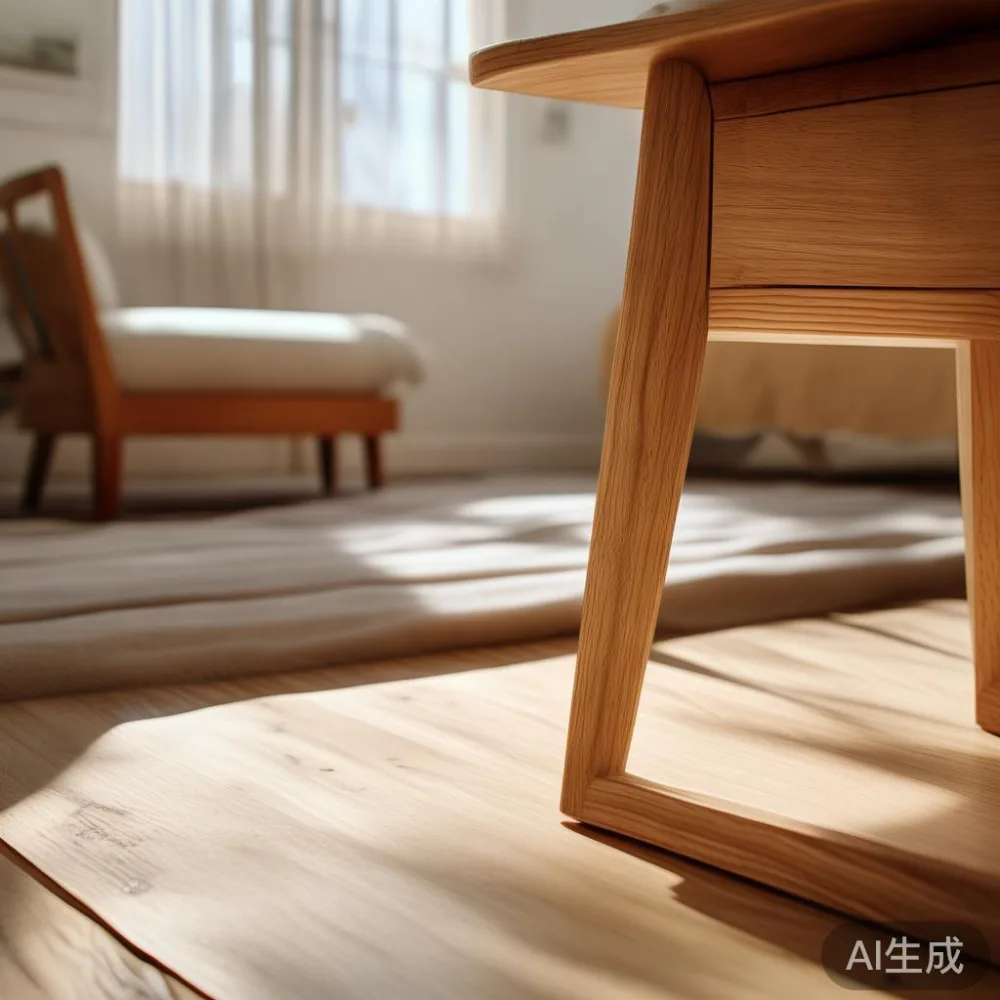
MIDHILL draws on post-modern light luxury as a reference point: shaped silhouettes, warm solid wood, thoughtful proportions, and detailing that reads quietly rather than loudly. The result suits japandi style, where Japanese restraint meets Scandinavian practicality. Prices below are in SGD, dimensions are approximate, and delivery timing is quoted for Singapore orders placed with available stock.
How Do You Make a Small Apartment Feel Less Crowded?
The answer begins with the space between objects. A room feels crowded when its circulation routes are blocked, when multiple pieces compete at once, or when low-contrast finishes make boundaries difficult to read. Begin by measuring the narrowest point of your lift, the bend at your apartment entrance, and the usable width of your corridor. In many Singapore developments, a timber dining table may fit the lift vertically but become difficult to turn near the lobby. A solid wood sofa can enter through a door on its side, yet a wide chaise or oversized frame may not clear the hinges.
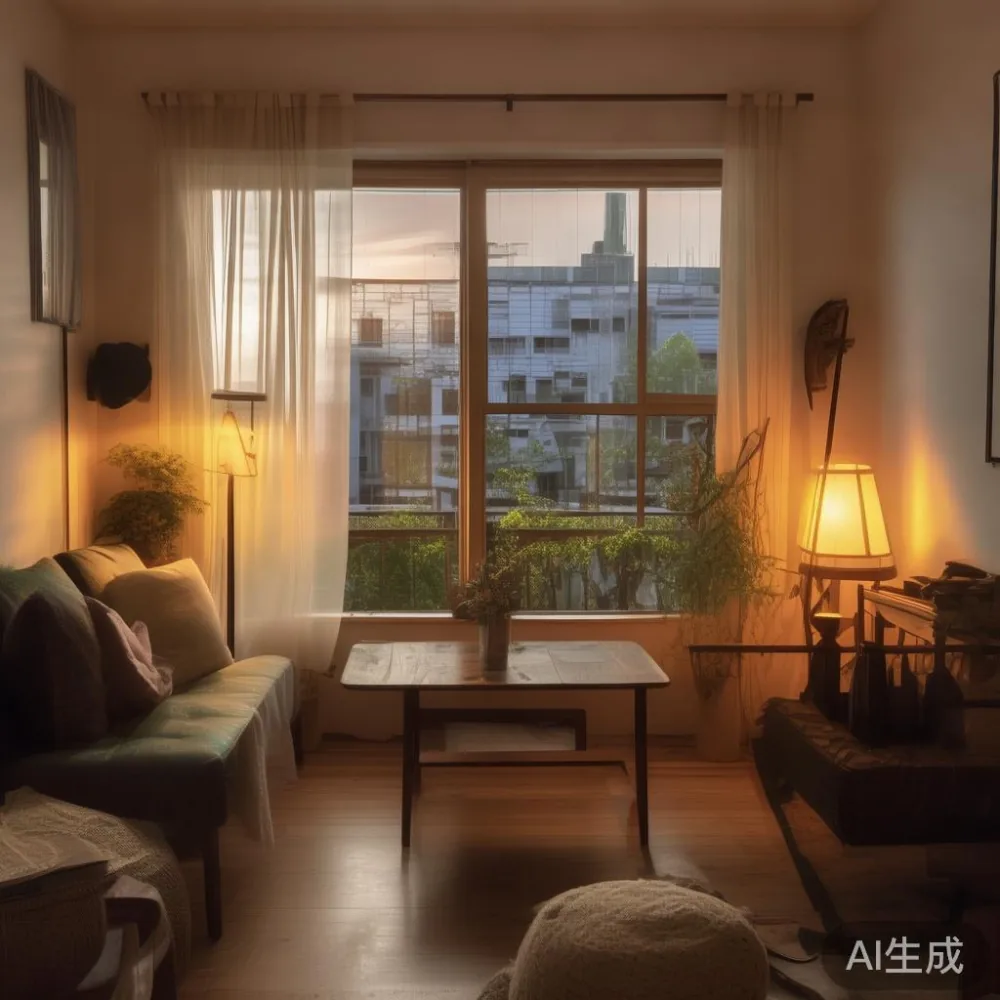
Record every dimension before ordering: door width, lift door width, lift depth, corridor turns, and the route from the loading area to your home. Keep at least 80 cm clear along a main passage and around 90 cm in front of a dining chair. For a compact dining setting, leave 75 cm between the table edge and the wall, although 90 cm is more comfortable when chairs are occupied. These are not decorative rules; they prevent daily frustration.
Last month I visited a three-room HDB flat in Bedok with my colleague to assess a dining nook. The existing table looked substantial but had been pushed into the kitchen, pinching a 72 cm passage. We replaced it with a 120 cm by 70 cm solid wood dining table on slender legs. The new surface was less visually heavy, the chairs could tuck in properly, and the route into the kitchen widened by roughly 18 cm. That modest gain made the flat feel noticeably more open because movement became easier.
Which Furniture Should Anchor a Japandi-Style Home?
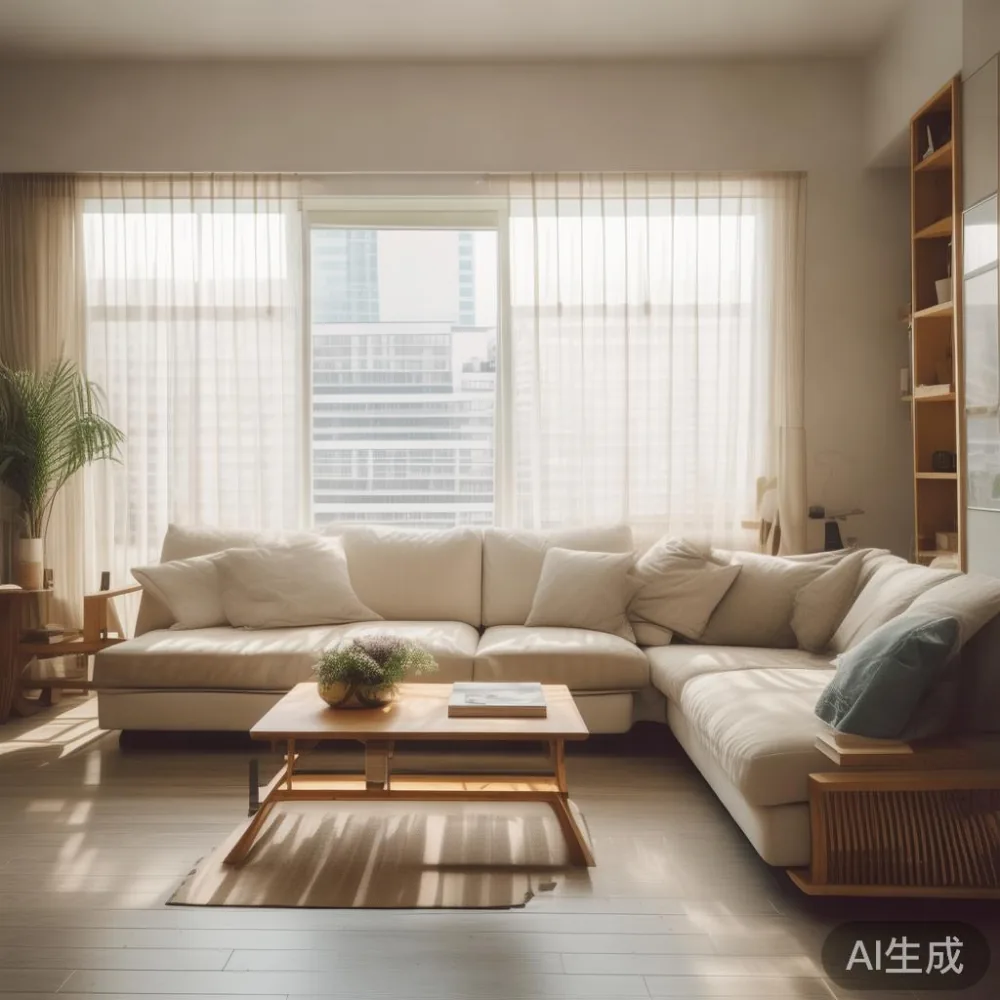
A small apartment usually needs one clear anchor per zone rather than a matching suite of oversized furniture. A solid wood sofa establishes the living room, a bed frame defines the bedroom, and a dining table or marble table can anchor a dining corner. Choose the largest useful piece first, then make everything around it visually quieter.
For a 55 to 70 kg solid wood sofa, check the compressed packaging dimensions as well as the assembled width. A 180 cm model may suit a rectangular living room, while a 150 to 160 cm model can work in a square HDB living area if coffee tables are slim or movable. Deep seat depth can look elegant but consumes space; a seat depth near 58 cm balances comfort with circulation.
Bed frames need similar discipline. A queen bed at 152 cm by 191 cm leaves little space in a narrow bedroom, so a 140 cm by 200 cm bed may be a better fit for a 9 to 12 sqm room. Allow 55 cm on one side where possible, or 45 cm on both sides if the room is compact. Low-profile solid wood frames visually lighten the space because the floor remains visible underneath.
Wardrobes should use the wall rather than the centre of the room. A 120 cm-wide sliding-door wardrobe avoids the swing clearance required by hinged doors. Plan for a depth of 55 to 60 cm, leaving space for hangers and drawers. Built-ins appear more integrated, but freestanding pieces can be moved when the tenancy changes. Japandi style often favours simple fronts, warm timber tones, matte handles, and only a limited number of visible objects.
What Is the Difference Between Japandi Style and Light Luxury?
Japandi style is a design language built around proportion, utility, natural texture, and uncluttered composition. French light luxury, by contrast, can introduce curved profiles, upholstered forms, refined metal accents, and a more decorative mood. American light luxury typically leans on generous scale, soft fabrics, clean architectural lines, and carefully balanced neutral colours. These styles can coexist, but their strongest qualities should be edited for the size of the flat.
A French-inspired bed frame with a gently shaped headboard may bring softness to a bedroom, and a small marble table may lend polish to an entry corner. The mistake is applying ornate forms to every item. One expressive piece plus several restrained pieces creates hierarchy. Too many carved details, cream cushions, brass lamps, and veined tables produce visual noise.
For practical product research, the phrase for sale Modern light luxury furniture is often used by buyers comparing sculptural silhouettes with more formal European styles. In a 35 to 50 sqm apartment, solid timber, light upholstery, matte black details, and pale stone usually offer better spatial discipline. Keep the palette to 3 main finishes: warm oak or ash, off-white or greige, and one darker accent occupying less than 20 percent of the visible surfaces.
How Do You Choose a Solid Wood Sofa for an HDB Living Room?
Measure the room, then subtract 75 to 90 cm for circulation and 40 to 50 cm for a coffee table. That calculation gives a realistic sofa width. An L-shaped configuration may provide more seating but occupies corners and creates a visual block; a compact two- or three-seat solid wood sofa is often easier to manage in a small HDB living and dining area.
Compare an American sofa vs Mid-century modern sofa by silhouette, depth, and function, not by the label alone. American models commonly offer deeper seating and broader proportions, while mid-century forms use exposed timber, tapered supports, and lighter visual profiles. A French light luxury sofa may add a curved arm or upholstered detailing, but its footprint still has to suit the room.
Buyers searching for the best Minimalist sofa for 2026 should prioritise seat height, arm clearance, frame material, removable covers, and easy cleaning. A seat height near 42 to 45 cm supports easier sitting, while an arm width below 12 cm saves space. If pets or children are present, request fabric composition and cleaning guidance before ordering. If you are evaluating for sale Minimalist furniture, check whether the sofa is a frame with loose cushions or a fixed upholstered construction; loose cushions make replacement and reshaping more practical.
At MIDHILL, the 10-year structural warranty gives a solid timber frame time to prove itself, while lifetime refinishing offers a practical path for maintaining the surface. The finish still needs appropriate care, so follow the care instructions and use coasters or protective pads on frequently touched areas.
Where Should a Dining Table Go in a Small Condo?
Place the dining table against the wall nearest the kitchen when possible. A round table with a 105 to 115 cm diameter can seat 4 people and preserve pathways around its curved edge. A rectangular table measuring 120 cm by 70 cm also works for 4, provided chairs can be tucked in with 5 cm of clearance behind them. Avoid a long table in the centre of a narrow dining zone; it can divide the room and make movement feel pinched.
Before wondering where to buy dining table from MIDHILL, prepare the lift and corridor measurements for the packed table, including legs and protective packaging. Ask for the carton dimensions and weight, not just the assembled dimensions. A 45 to 55 kg table should be carried by 2 people, and the team should confirm whether delivery includes carrying it to the door or into the room.
For a Singapore home, a round dining table with a solid wood pedestal or stable four-leg base may handle daily use well. Marble-look or marble table options can feel refined in a compact dining nook, although natural stone is heavy and fragile in transit. Solid wood is often easier to move between homes and generally easier to repair at a surface level. Whichever material you select, protect the floor with felt pads and avoid dragging the table.
How Can You Style a French Provincial Bed in an Apartment?
The phrase how to style French provincial bed in apartment points to contrast and restraint. A curved timber headboard, upholstered panel, or shaped bed frame can introduce French character without filling the room with decorative furniture. Keep the bedding simple: 2 coordinated colours, 2 to 4 pillows, and one textured throw. Avoid matching everything to ornate gold hardware.
Check the bed frame's outer width, not only the mattress size. A queen frame may measure 165 to 175 cm across, which can reduce a narrow room's usable passage. A 140 cm bed with a low frame gives greater freedom for a nightstand, while a wall-mounted shelf can replace a bulky bedside table. A compact solid wood nightstand measuring 35 to 45 cm wide is enough for a lamp, book, phone, and glass of water.
Place the bed away from the doorway when possible, and use a curtain rather than a screen if the room needs visual separation. A floor-to-ceiling curtain can create a soft zone without consuming width, but track the ceiling and floor carefully. Japandi style would usually keep textiles plain and tactile, while French provincial influence appears in the bed silhouette, curved edges, or one embroidered cushion.
What Storage Works in a Compact Bedroom?
Use vertical space and closed storage. A wardrobe with sliding doors can reclaim the swing zone required by hinged doors, while a wall-hung cabinet above a compact nightstand adds storage without taking up floor area. Keep the depth below 35 cm for shallow cabinets, and check that drawers can open without hitting a wall or the bed frame.
Limit visible collections. A practical target is no more than 3 books, 1 tray, and 1 decorative object on each open surface. Closed storage can carry the visual weight in a japandi-style bedroom. If you need more capacity, choose a bed with drawers rather than adding a separate chest that blocks the corridor. Under-bed drawers should have smooth runners and enough clearance for the bed frame's legs.
For laundry or utility items, a slim cabinet near the kitchen can avoid accumulating baskets in the living room. A 30 cm-wide unit may suit a compact condo, while an HDB utility yard can handle larger equipment. In Punggol and Tampines family flats, stacking solutions should be stable, anchored where required, and sized for the actual bay dimensions.
How Do You Keep a Small Apartment Light?
Use mirrors strategically, not everywhere. One large mirror on a wall opposite a window can reflect daylight and make a room appear deeper. Curtains hung close to the ceiling and sized slightly wider than the opening create a taller visual plane. Avoid net curtains in dark colours because they absorb light; choose sheer off-white panels with a warm-grey or oatmeal blackout layer.
Layer lighting instead of relying on a single ceiling fixture. A 2700 to 3000 K tone suits warm timber and evening comfort. Use one diffused ceiling light, a 35 to 50 cm table lamp, and a small reading light near the bed. Matte finishes reduce harsh glare, and bulbs with dimming controls help create different moods without adding floor lamps.
Colour should vary by zone rather than changing completely in each room. A living area with greige walls, a solid wood sofa, and off-white textiles can transition into a bedroom with warm timber and muted clay accents. That continuity is central to japandi style. French light luxury can appear through curved edges or a marble table; American light luxury through generous upholstery; post-modern light luxury through one geometric or sculptural form.
What Does Furniture Delivery Cost in Singapore?
Use the final checkout calculation rather than assuming GST and delivery are identical for every order. Singapore GST is currently 9 percent, and applicable fees should appear before payment. MIDHILL offers free shipping for orders over US$350; the corresponding Singapore threshold is shown at checkout and should be confirmed before purchase, along with any local taxes, remote-area charges, or lift booking fees.
Allow roughly 7 to 21 delivery days for available in-stock pieces after order confirmation. Production or custom-finish items may require 30 to 60 days. Transit time to Singapore can vary by destination, customs clearance, and the selected freight service, so the quoted window matters more than a generic dispatch date.
For a flat with a narrow lift, provide the building name, block, floor, and contact number. Ask whether the furniture can be separated into smaller sections and whether the delivery team can carry it to the apartment door. Standard deliveries may not include unpacking, assembly, or placement inside the bedroom. These services can add SGD 40 to SGD 150 depending on access and effort.
MIDHILL provides a 14-day return window for eligible items. Confirm the product condition, packaging requirements, assembly status, and return logistics before ordering. Solid wood may show grain, knots, and subtle finishing variation; marble table surfaces may have natural veining. These are material characteristics, not automatically defects, but they should be reviewed within the return period.
What Should You Measure Before Ordering Furniture?
Create a simple measurement sheet with 12 numbers: entrance door width and height, lift door width and height, lift depth and diagonal, corridor width, turning points, room dimensions, window positions, ceiling height, skirting depth, and the desired clearance around furniture. Add the packaged dimensions and weight of each item before payment.
Plan movement with the family. A bed frame may fit the lift but not the bedroom door on its side. A dining table may clear the lift and then snag at a corridor corner. Where the building has a managed loading bay, reserve a delivery slot and protect common areas as required by the management company.
Start with a 30 to 45 cm dining chair, a 35 to 45 cm nightstand, and a 75 to 90 cm coffee table. These compact sizes preserve sightlines and make cleaning easier. A slim sofa with visible timber legs feels lighter than a bulky upholstered base, while a marble table with a narrow pedestal reduces visual obstruction under the top.
After purchase, assemble only enough of each piece to test the route, then move it into position before completing the build where instructions permit. Keep hardware labelled, retain spare fixings, and follow the care guide. This 20-minute check can prevent scratched walls, blocked lift doors, and a bed that has to be dismantled in the corridor.
How Do You Make Japandi Style Personal in a Small Home?
Start with one focal detail rather than a themed collection. It might be a sculptural solid wood dining table, a French-style shaped headboard, or a marble side table beside the sofa. Repeat its colour in 2 smaller items, then keep the remaining surfaces calm. This approach gives a compact home identity without crowding it with coordinated furniture.
Natural materials are useful, but not everything needs to be timber. Combine solid wood with woven fibre, linen, matte ceramic, stone, and painted metal. Warm lighting prevents pale woods from feeling sterile, while a dark accent in 10 to 20 percent of the room gives definition. Avoid placing every material in a narrow strip; balanced contrast across a room feels more settled.
A final 10 minute audit should be done with the lights on and curtains open. Walk from the entrance to the kitchen, then from the bedroom to the bathroom. If a route feels pinched, move or reduce one item. If the sofa looks too large, lift the coffee table rather than surrendering good seating. If the dining area feels empty, add one centred pendant and a narrow sideboard rather than another large chair.
The most comfortable small apartment is not the one with the fewest possessions; it is the one where each possession has a purpose and the paths between them feel obvious. Japandi style supports that discipline through clean forms, warm timber, restrained decoration, and furniture scaled to the room. French light luxury, American light luxury, or post-modern light luxury can add character through a single refined gesture. Choose the proportions first, protect the access route second, and let the finishes provide the atmosphere.