Solid Wood vs Veneer Over 5 Years: A Real Cost Breakdown for Singapore Japandi Homes
Last month I visited a friend's resale 4-room HDB flat in Bedok to help her decide between a S$1,290 veneer dining table from a Tampines furniture mall and a S$2,150 solid wood dining table she'd seen online. The conversation lasted ninety minutes, involved two cups of kopi, and ended with a question neither of us had a clear answer to: over five years, which one actually costs less? Sitting in her 90 sqm living room, with the afternoon sun catching every scratch on her existing pressboard coffee table, the question felt urgent. Most Singapore homeowners replace or refinish a dining table, a bed frame, or a wardrobe at least once in a decade. Whether you live in a Punggol BTO, a Tampines executive HDB, or a 1,200 sqft condo near Bedok Reservoir, the math changes when you factor in humidity, GST, courier delivery charges, and the realities of our 0.9 m to 1.2 m wide lift doors and narrow corridor access.
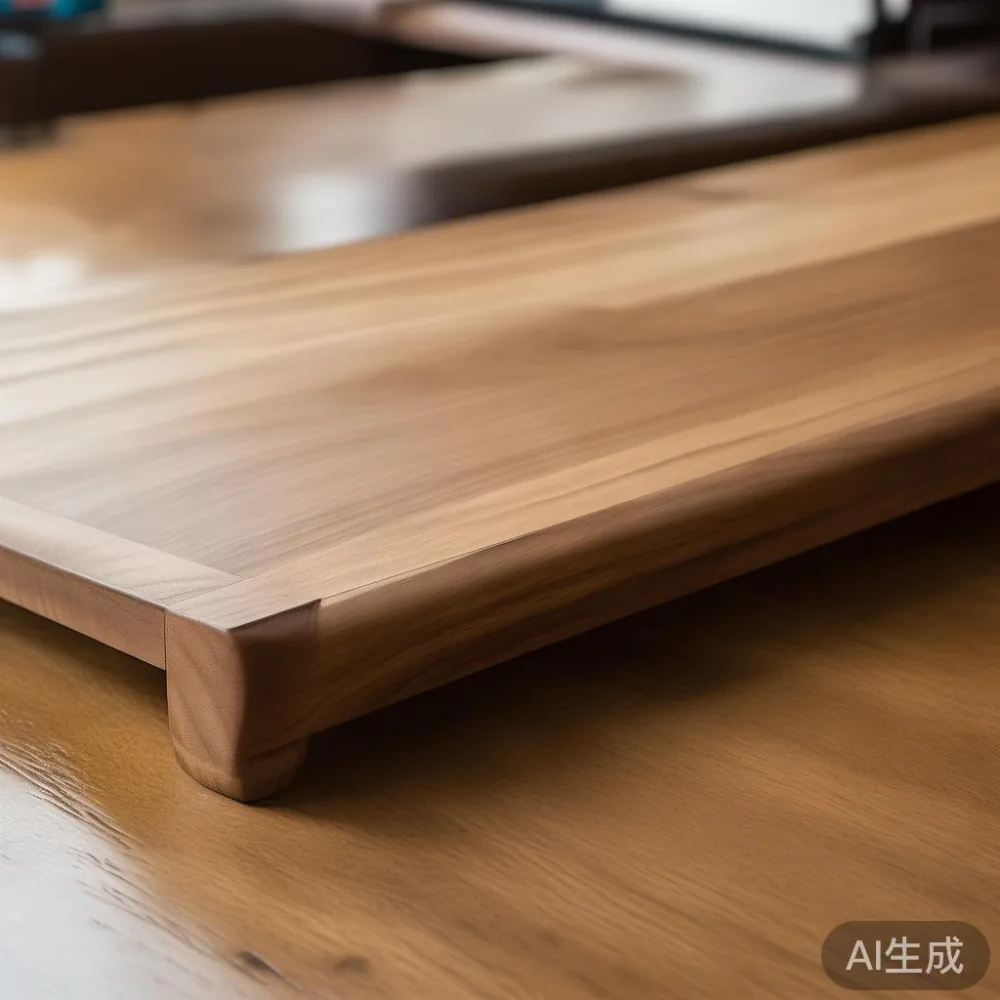
This article is a five-year cost comparison built for Singapore households who care about japandi style — that quiet meeting point of Japanese minimalism and Scandinavian warmth. We'll work through real numbers in SGD, talk about what actually breaks first, and settle the practical question of whether a solid wood sofa, solid wood bed frame, solid wood dining table, solid wood wardrobe, or solid wood nightstand is worth the higher price tag over a veneered equivalent.
What "Solid Wood" and "Veneer" Actually Mean in a Singapore Showroom
When a Tampines salesperson says "solid wood," they should mean a single piece of timber — usually oak, ash, walnut, or rubberwood — cut, kiln-dried, and joined. When they say "veneer," they usually mean a 0.5 mm to 2 mm slice of real wood glued over an MDF or plywood core. Both look identical on day one. Both photograph beautifully for a Carousell listing. The differences live in the next 60 months.
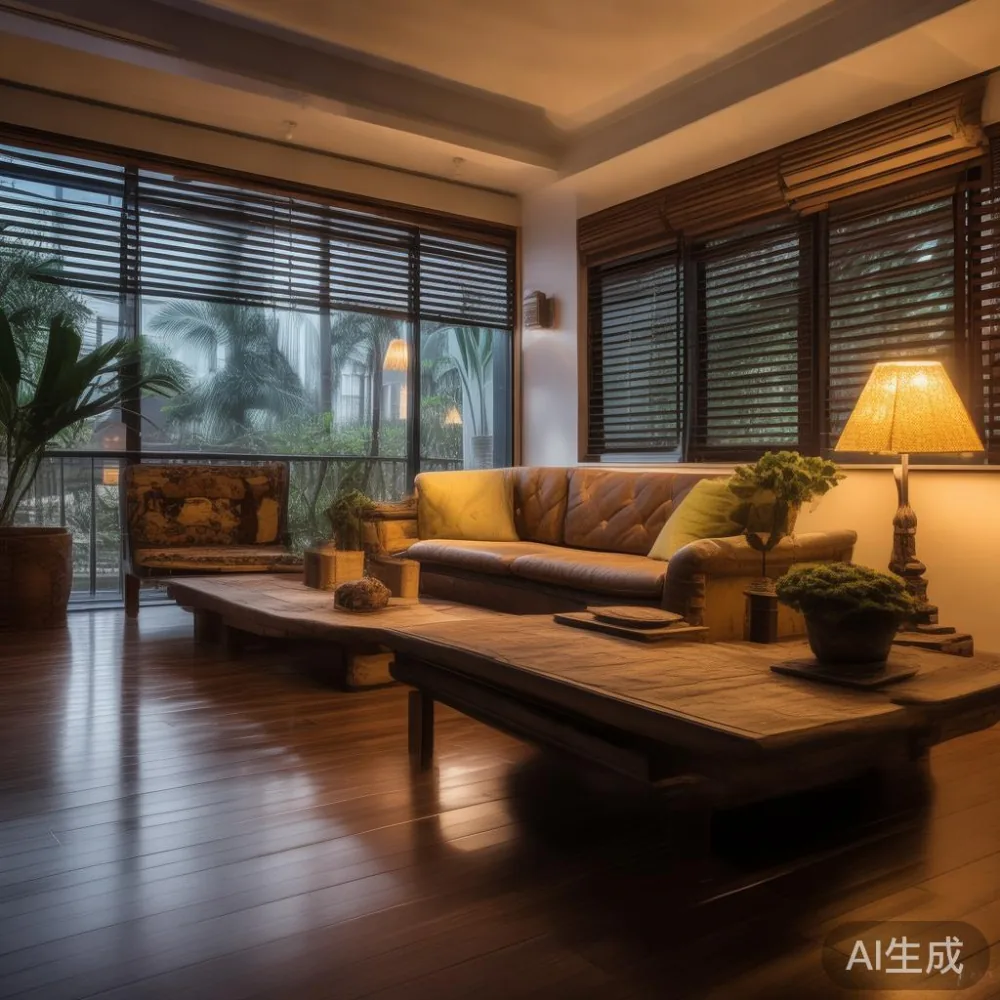
For japandi style furniture — clean lines, pale tones, visible grain — the most common species are white oak, ash, and beech. Solid versions weigh noticeably more: a 1.8 m solid oak dining table typically comes in at 38 kg to 48 kg, while a comparable veneer version is 22 kg to 28 kg. That weight matters more than you think in a HDB with a single goods lift and a corridor that turns sharply at the stairwell landing.
The 5-Year Cost Worksheet (in SGD, Including GST)
Let's anchor this with three pieces you might actually buy for a 90 sqm to 110 sqm HDB flat in Punggol or Tampines, delivered to your door over a standard four-to-seven-day courier window. I've used retail prices from typical Jurong and Tampines furniture outlets, with the 9% GST added in.
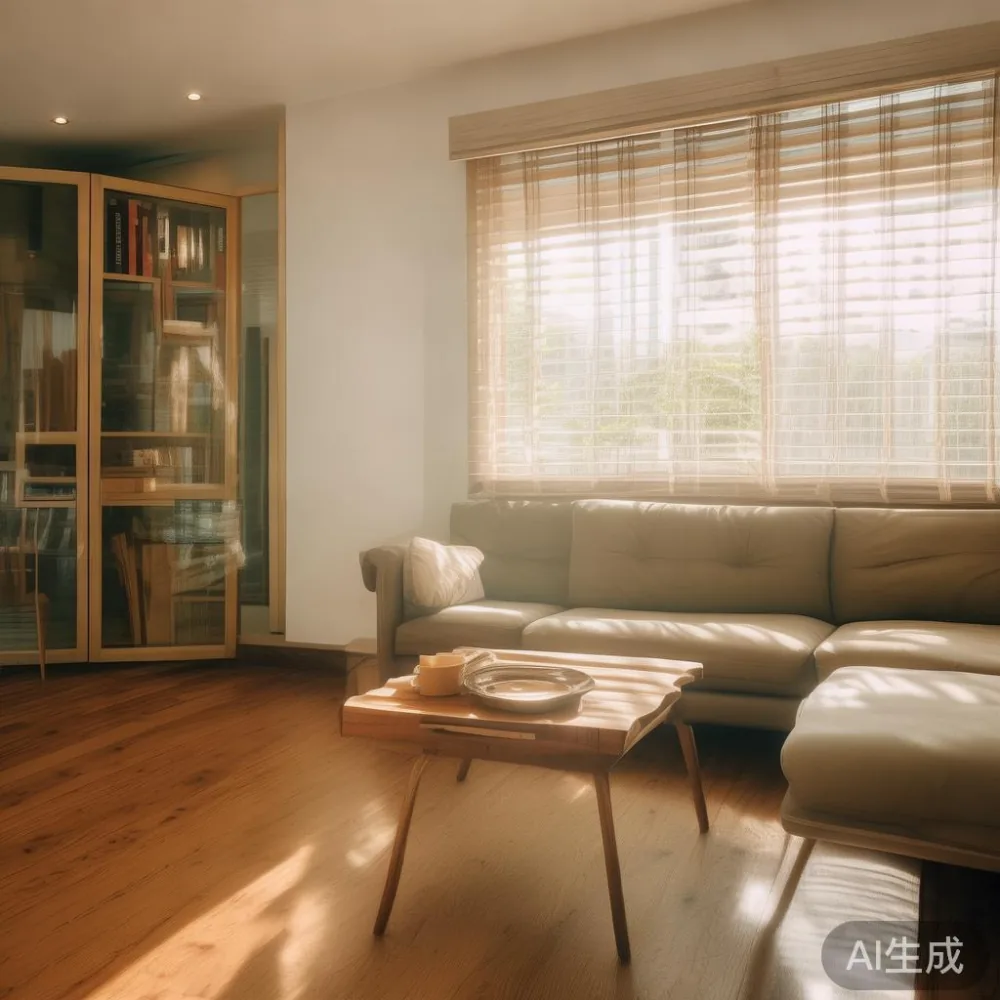
Solid wood dining table (1.6 m, 6-seater, oak):
Day 1 purchase: S$2,150 (incl. GST, delivery free over S$350).
Year 2 humidity-related minor warp at one leg: S$120 for an on-site carpenter visit, or free sanding under a lifetime refinishing promise from a maker like MIDHILL.
Year 5 light surface refresh: S$0 if refinishing is included, otherwise S$280 to S$350.
Estimated 5-year total: S$2,150 to S$2,500.
Veneer dining table (1.6 m, 6-seater, MDF core with oak veneer):
Day 1 purchase: S$1,290 (incl. GST).
Year 2 corner chipping from a child's chair drag: S$180 to patch and recolour, often mismatched.
Year 3 swelling at one corner after the December monsoon humidity spike (common in Bedok and Punggol ground-floor units): typically not repairable, table is replaced.
Year 3 replacement: a second S$1,290, or a downgrade to a S$950 unit.
Estimated 5-year total: S$1,470 to S$2,580, with the second table likely ending up at a secondhand stall in Sungei Kadut.
Run the same logic across a solid wood bed frame (S$1,650 vs S$980 veneer), a solid wood wardrobe (S$2,450 vs S$1,520), a solid wood nightstand (S$420 vs S$240), and a 2.4 m marble table for the dining room (S$2,100, marble is rarely sold as solid slabs in HDB sizes, so this comparison flips), and the per-piece totals start to tell a clearer story.
Why Veneer Fails Faster in Singapore's Climate
Singapore sits at 1°N latitude with year-round relative humidity between 70% and 90%. Air-conditioned units pull that down to 50% to 60% during the day, then it climbs back overnight. MDF and plywood cores absorb and release moisture unevenly. The thin veneer skin can't follow that expansion, so the glue line fails — usually on a wardrobe door edge or a dining table corner near an air vent. You see bubbling, lifting, and that tell-tale pale line where the MDF shows through.
Solid wood moves with the humidity, but it does so as a single piece. A small warp is sanded flat in fifteen minutes. I've watched my colleague's husband refinish a S$2,200 solid wood dining table in their Yishun HDB using only 80, 120, and 220-grit sandpaper plus a can of hard wax oil — under S$60 in materials, finished on a Sunday afternoon. The same warp on a veneer table is structural. A solid wood wardrobe, properly installed, holds its shape through the December monsoon and the March dry spell without a creak.
How Many Years Does Each Option Actually Last?
Industry failure rates for veneer furniture in tropical climates cluster around year 4 to 6 for visible delamination. For solid wood bedroom pieces — bed frame, wardrobe, nightstand — 15 to 25 years is a reasonable expectation. For a solid wood dining table, 20 to 30 years is realistic if you oil it every two to three years. For a marble table, the slab itself outlasts anything wooden; the timber base is usually the first thing to fail on cheaper imported pieces.
Refinishing extends solid wood almost indefinitely. A Singapore homeowner who buys a solid oak dining table at 32 and oils it twice per decade can hand it to their child at 62. A veneer table is landfill-bound by the time the child starts primary school. The japandi style also ages gracefully on solid wood — patina is a feature, not a flaw.
Is a Light Luxury Sofa Actually Worth the Premium Over a Veneer Frame?
Here's where the conversation gets more interesting. A light luxury sofa vs French provincial sofa comparison usually comes down to silhouette and ornamentation, not wood choice. But beneath the cushions, the frame tells the real story. A solid hardwood frame — typically ash or beech — adds roughly S$600 to S$1,100 to the retail price over a veneered plywood frame. Over five years, the solid frame will outlast three reupholstery cycles of a cheaper sofa. For Singapore households who entertain often or have young children, that math works out clearly.
The phrase is French sofa worth it is honestly a separate question — it depends on whether the cushion density and suspension are also upgraded, not just the frame. Ask the showroom to confirm the frame species and the suspension type (eight-way hand-tied is the gold standard, sinuous spring acceptable, webbing only on the lowest tier).
What About Light Luxury Bedroom Pieces Like an Italian-Style Bed?
The question "is Italian light luxury bed worth it" usually arrives in our inboxes from owners of new condos in Punggol and the Greater Southern Waterfront. The honest answer: sometimes. Italian light luxury typically pairs solid wood frames with high-end upholstery and brass accents, and the freight cost from Europe pushes the bed frame to S$4,500 to S$7,000 before GST. A well-built solid wood bed frame from a maker like MIDHILL, using oak or ash, lands at S$1,450 to S$2,200 delivered to a Singapore address. The construction is the same; the silhouette is similar; the savings are real. For a 4-room HDB bedroom at 12 sqm, the S$3,000 difference is meaningful.
American light luxury and post-modern light luxury tend to push curved silhouettes and mixed materials — a marble top on a solid wood base, or boucle fabric on a clean oak frame. Those pieces sit naturally inside japandi style interiors when the lines are kept simple.
Can You Mix Solid Wood and Veneer Without Ruining the Look?
Yes, but only with a clear rule. Use solid wood for every piece you touch daily — dining table, bed frame, wardrobe, nightstand. Veneer is acceptable for low-touch items like a console table against a corridor wall, a TV cabinet, or the inside of a wardrobe (which is rarely seen). The visual grain match between veneer and solid is good enough at 1 m distance to keep the japandi palette consistent. Designers French provincial furniture ranges tend to lean heavier on solid wood anyway, since the carved details need real timber.
The same logic applies to seating. A solid wood dining chair costs roughly S$220 to S$380 each; a veneered version is S$110 to S$180. Choose solid for the chairs your family sits on every evening. Choose veneer for the occasional accent stool in the living room.
What's the Real Smart Buy for a Small HDB Bedroom?
For a 10 sqm to 12 sqm HDB bedroom in Tampines, Punggol, or Bedok, prioritise in this order: solid wood bed frame (S$1,450 to S$2,200), solid wood wardrobe (S$2,300 to S$2,800 for a 2-door sliding), solid wood nightstand (S$380 to S$480), then finally a veneer chest of drawers if budget is tight. The bed and wardrobe are the two pieces you'll use every single day for the next decade. The nightstand ages beautifully. The chest of drawers can be replaced later when GST-free shopping windows open up, or when the Black Friday furniture sales land.
How to style Japanese wardrobe in apartment settings becomes much easier with solid wood because the grain is visible through the sliding panels and the doors stay flat for years. Veneered wardrobes develop those visible panel-edge gaps within three to four years in our humidity, and they cannot be sanded flush again without ruining the surface.
Is Industrial Furniture Ever a Smart Move in a Japandi Home?
Industrial for guest room is a real consideration for many Singapore households who split the spare room between a home office and a Murphy bed for visiting relatives. Pure industrial pieces are heavier on black steel and distressed wood; they can read as too warehouse-like next to japandi calm. A black steel bed frame from a local fabricator pairs well with a solid wood nightstand and linen bedding. For a desk, a steel-and-oak combination keeps the room quiet without feeling sterile.
If your guest room doubles as a study, choose a solid wood desk at 1.2 m to 1.4 m wide to clear the standard 0.9 m lift when delivered flat-packed. Marble desks are heavy (45 kg to 70 kg for a 1.2 m top) and often exceed lift door clearances if the building has an older cargo lift. Stick to oak or ash tops on steel legs.
The Real Question: What Should You Buy First?
If you can only afford one solid wood upgrade, buy the dining table. It's the piece the whole family uses daily, it's the centrepiece of the japandi living space, and it's where humidity and wear hit hardest. A S$2,150 solid oak table refinished three times over thirty years costs roughly S$72 per year of service. A S$1,290 veneer table replaced twice in the same period costs roughly S$86 per year of service, and you lose the patina, the repair history, and the quiet confidence of owning something that lasts.
For Singapore households earning in SGD and furnishing in a humid climate, the five-year numbers rarely favour veneer. Solid wood costs more on day one, less over a decade, and considerably less when you factor in refinishing programs, ten-year structural warranties, and the absence of replacement cycles. That's the case for japandi style built on solid wood — quiet, repairable, and ready for the long term.