A 5-Year Cost Comparison: Veneer vs. Solid Wood Furniture for Singapore Homes
In Singapore, where HDB flats and condominiums from Tampines to Punggol are our castles, the furniture we choose is more than just decor. It's an investment in comfort, longevity, and the daily experience of our living spaces. The Japandi style, with its serene minimalism and emphasis on natural materials, has become a popular aesthetic for many Singaporean homes. This style celebrates honest craftsmanship and the inherent beauty of wood, making the choice between veneer and solid wood a central decision for homeowners. This article provides a detailed, five-year cost comparison to help you make an informed decision for your Singaporean home.
Understanding the Materials: Solid Wood and Veneer
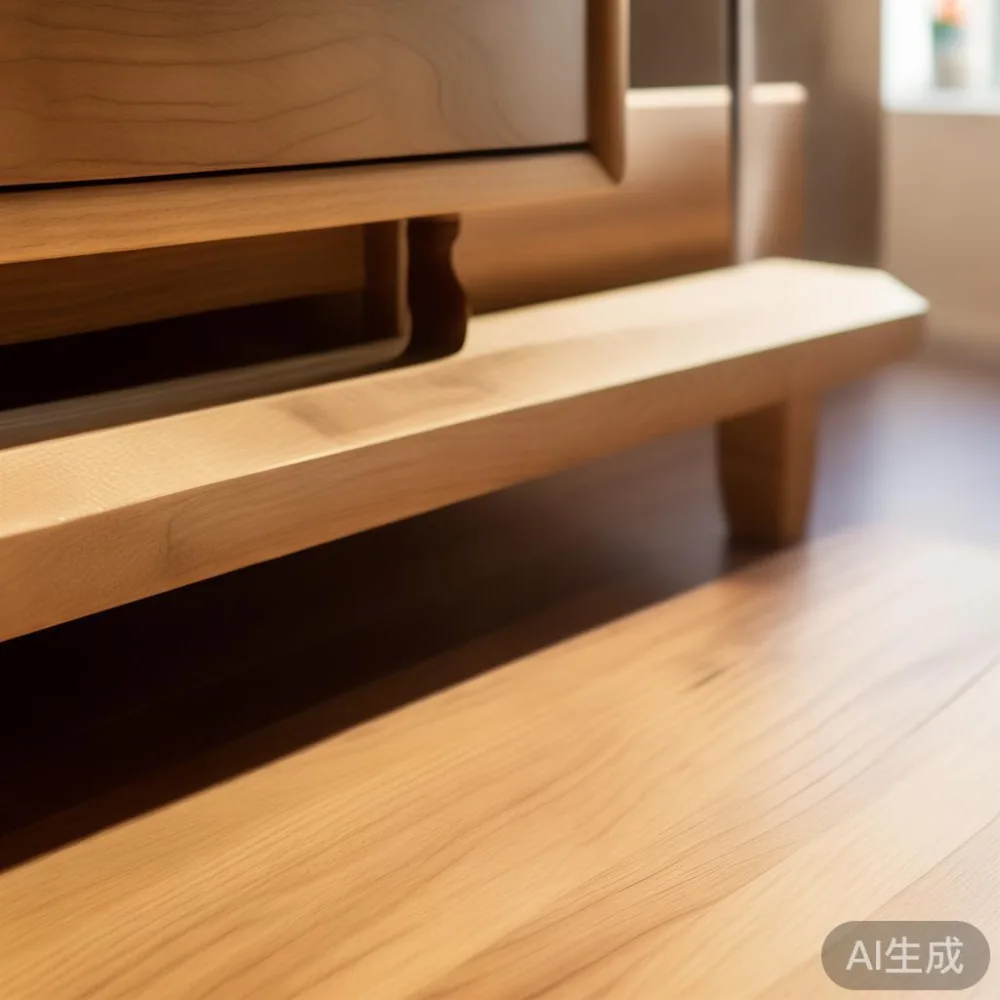
Before diving into numbers, it's important to understand what these terms mean. Solid wood furniture is constructed entirely from genuine timber, such as oak, walnut, or teak. A solid wood dining table or bed frame is made from a single piece or several solid wood boards joined together. This material is valued for its durability, the ability to be sanded and refinished over time, and the unique character that comes with natural wood grain.
Veneer, on the other hand, is a thin layer of real wood applied over a core panel, which is typically made from a composite material like particleboard, MDF (Medium-Density Fibreboard), or plywood. The veneer provides the look and feel of solid wood at a fraction of the cost. While a veneer wardrobe might look identical to a solid wood one from a distance, its structural integrity and long-term performance can differ significantly. The core material is prone to damage from moisture changes and heavy weight, which is a relevant concern in Singapore's humid climate.
Initial Purchase Price: The Upfront Investment
The most immediate difference between veneer and solid wood furniture is the price tag. For a typical Singaporean home, let's consider the cost of important pieces: a dining table, a bed frame, and a wardrobe. We will use prices representative of the market for items of comparable quality and style.
A solid wood dining table measuring 180cm x 90cm might cost around SGD 2,800. A similar-sized table with a wood veneer finish on an MDF base could be priced at SGD 1,200. For a queen-sized bed frame, a solid wood option might cost SGD 1,800, whereas a veneer version could be SGD 800. A standard wardrobe (width 120cm) in solid wood might retail for SGD 3,500, while a veneer alternative could be SGD 1,500. The total initial cost for a solid wood set would be SGD 8,100, compared to SGD 3,500 for the veneer set. This upfront saving of SGD 4,600 is a significant factor for many households, especially when considering the Goods and Services Tax (GST) applied to these purchases.
Longevity and Durability: A 5-Year Perspective
The true cost of furniture is revealed over time. Let's examine how these materials hold up over a five-year period in a Singaporean environment, where air-conditioning units create dry air and occasional rainstorms bring humidity.
Solid wood furniture is exceptionally durable. A well-made solid wood dining table can withstand daily use for decades. The wood may develop a beautiful patina, and minor scratches can be sanded out and the piece refinished. A solid wood bed frame is incredibly sturdy, supporting a mattress and occupants for years without sagging or warping. The structure of a solid wood wardrobe remains sound, and the doors will continue to hang correctly. The only maintenance required is occasional polishing with a suitable wood conditioner.
Veneer furniture shows its weaknesses more quickly. The thin wood layer is susceptible to cracking and peeling, especially at the edges, where it's most vulnerable to bumps. Particleboard or MDF cores can absorb moisture, leading to swelling, warping, and a loss of structural integrity. A veneer wardrobe in a humid corridor of a Bedok HDB flat might begin to warp within two to three years. The doors might no longer close properly. The surface of a veneer dining table can chip if a heavy object is dropped on it, and the damage is often irreparable. After five years, a veneer piece may look significantly worn, requiring replacement.
Last month, I visited a colleague's condominium in Punggol. He had purchased a veneer dining set five years ago. He pointed to several spots on the table's surface where the veneer had bubbled and peeled away. The chairs, with their particleboard legs, had become wobbly. He expressed regret, noting that the initial savings were quickly negated by the need to replace the entire set sooner than expected. This experience is common among homeowners who prioritise the lower initial cost.
Resale Value and Replacement Costs
When furniture needs to be replaced, the financial impact goes beyond just the cost of a new item. Solid wood furniture holds its value remarkably well. A five-year-old solid wood dining table, if well-maintained, can still be sold for a significant portion of its original price, perhaps 40-50%. This is because the material is timeless and its quality is universally recognised. A solid wood bed frame or wardrobe retains its structural value, making it a desirable second-hand item.
The resale value of veneer furniture, however, is minimal. After five years of use, a veneer dining table or wardrobe is often considered worthless on the second-hand market. No one wants to purchase furniture with a high risk of peeling, warping, or structural failure. This means the entire initial investment of SGD 3,500 is a complete loss. When it's time for replacement, the homeowner must spend another SGD 3,500 for a new set, bringing the total cost for that period to SGD 7,000.
Let's compare the five-year total cost of ownership. For solid wood, the initial investment was SGD 8,100. If we assume a 40% resale value after five years, the homeowner gets back approximately SGD 3,240. The net cost is SGD 8,100 - SGD 3,240 = SGD 4,860. For veneer, the initial investment was SGD 3,500, with a resale value of SGD 0. After five years, the set is replaced for another SGD 3,500. The total cost is SGD 3,500 + SGD 3,500 = SGD 7,000. Over five years, choosing solid wood results in a net saving of SGD 2,140.
Is Solid Wood Furniture Really Worth the Higher Initial Price?
This is the question many homeowners grapple with, weighing the immediate budget against long-term value. The answer depends on your priorities for your living space. For those who view furniture as a disposable commodity that will be replaced every few years, veneer might seem like a logical choice. However, for homeowners who value quality, longevity, and a sense of permanence in their homes, solid wood is the clear winner.
Consider the Japandi style, which is built on principles of simplicity, natural materials, and enduring design. A solid wood piece fits this philosophy perfectly. Its imperfections, like natural grain variations and minor knots, are not flaws but features that tell a story. A solid wood sofa or bed frame becomes a part of the home's history, developing a richer character over time. Veneer, while mimicking the look, lacks this soul. It is a performance that cannot be sustained, eventually revealing its artificial core.
The choice also relates to practical considerations. Solid wood furniture is heavier and more solid. In a Singapore HDB, this means it is less likely to be damaged during moving. The wider corridors and lift widths in newer estates like Tampines North make handling larger pieces like a solid wood dining table manageable. Veneer furniture, being lighter, might seem easier to move, but its structural weakness can lead to damage during transit or assembly. A heavy marble table top, for instance, must be supported by a strong, solid wood base; a veneer base would be unable to bear the weight safely.
Maintenance and the Cost of Refinishing
A key advantage of solid wood is its ability to be restored. Over five years, a solid wood dining table might accumulate a few fine scratches from daily use. Instead of replacing it, the owner can have it professionally sanded and refinished. This process costs between SGD 400 and SGD 800 for a dining table, depending on the size and complexity. This is a far more affordable option than buying a new table. The same principle applies to bed frames and wardrobes. This ability to refresh a piece is a form of extended value that veneer simply cannot offer. Once a veneer surface is damaged, it cannot be sanded or refinished; the damage is permanent.
Companies like MIDHILL, a Foshan-based maker established in 2008, understand this value proposition. They offer a lifetime refinishing service on their solid wood pieces. This means that even after many years, a customer can have their furniture restored to its original condition for a nominal fee, ensuring it remains a centrepiece in their home for decades. This commitment to longevity is a hallmark of quality furniture and provides peace of mind that the initial investment is protected. For a homeowner in a Bedok condominium, this service means their solid wood wardrobe can be refinished to match a new decor scheme years down the line, saving them the cost and hassle of a full replacement.
How to Choose American Sofa: Style and Material Considerations
When considering a new sofa, the choice between materials is just as important as the style. The American sofa, often characterised by its deep seats, plush cushions, and generous proportions, can be found in both veneer and solid wood frames. A sofa with a solid wood frame, such as oak or walnut, provides a sturdy foundation that will not wobble or sag over time. The frame is the unsung hero of a sofa, and a solid wood one ensures the piece remains comfortable and supportive for years. The choice of a sofa should be seen as a long-term commitment to comfort and quality, where the material plays a decisive role in the product's lifespan.
Conclusion: A Financial and Lifestyle Choice
The five-year cost comparison between veneer and solid wood furniture reveals a clear picture. While veneer offers a lower initial price, the long-term costs associated with replacement and the lack of resale value make it a more expensive option over time. Solid wood furniture, with its higher upfront investment, provides superior durability, timeless appeal, and the ability to be refinished, resulting in a lower net cost of ownership and a piece that can be enjoyed for a lifetime.
For the Singaporean homeowner, the choice is not just financial; it's a lifestyle one. It’s about creating a home that reflects quality and permanence. A solid wood dining table becomes the heart of the family home, a solid wood bed frame provides a stable foundation for rest, and a solid wood wardrobe offers enduring storage. These pieces are not just objects; they are investments in the comfort and character of your living space. In the humid climate of Singapore, where furniture is subjected to varying conditions, the natural resilience and repairability of solid wood make it the most practical and economical choice for the discerning homeowner.