Caring for a Lacquered Japandi Surface in Singapore: A Practical Guide for HDB and Condo Owners
Living in Singapore means living with the weather. Year-round humidity hovers between 70 and 85 percent, afternoon thunderstorms push moisture levels higher, and air-conditioning cycles from 22 to 25 degrees Celsius create micro-climates on every piece of wooden furniture. If you have invested in a japandi style solid wood dining table, a low-profile bed frame, or a wide wardrobe with a matte lacquer finish, you already know the appeal: clean lines, soft sheen, and a calm visual rhythm that balances Scandinavian restraint with Japanese wabi-sabi warmth. You also know the worry — a hairline crack near the leg, a cloudy ring under a glass, a faint orange stain where a curry pot rested for ten minutes too long.
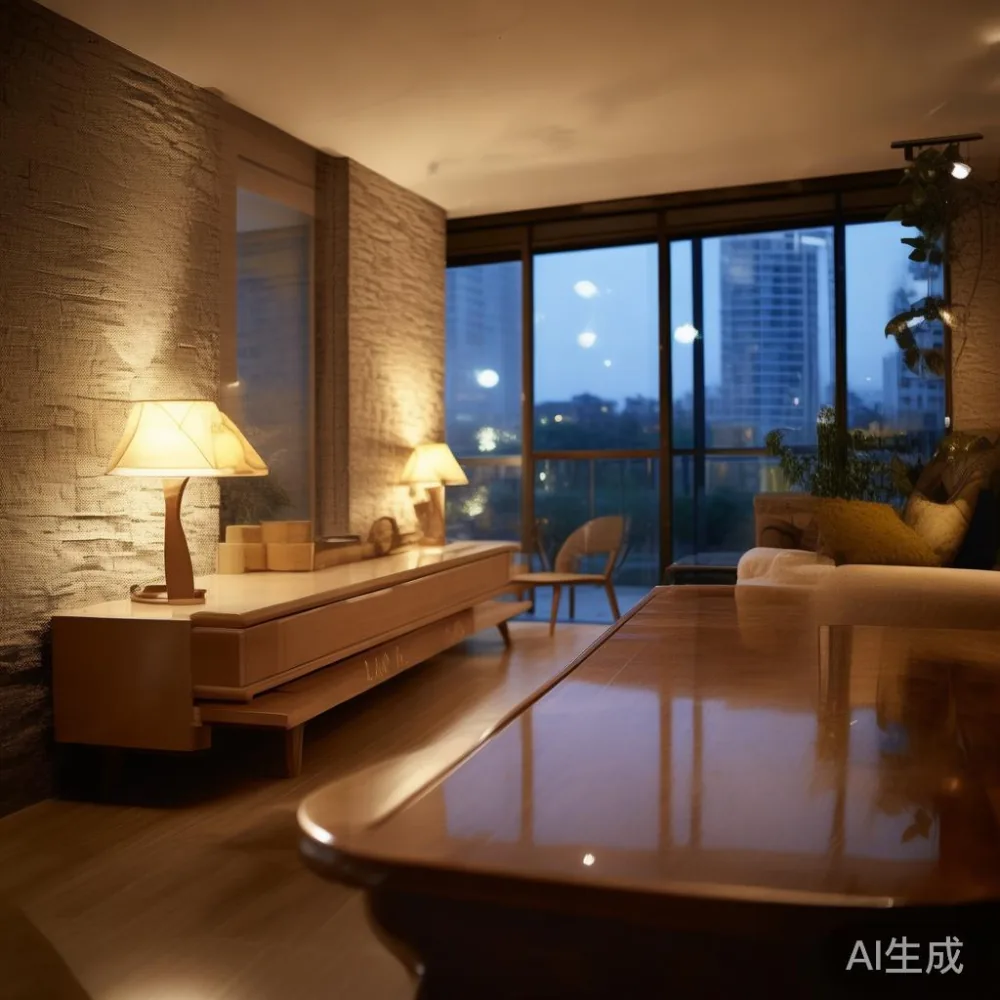
I felt that worry last month when I visited a friend's new 4-room HDB flat in Punggol. She had ordered a 1.8-metre japandi style dining table from a Foshan workshop, and within three weeks the tabletop showed a 4 cm white halo where a wet mug had been. The finish was matte open-pore lacquer over ash veneer, and the culprit was not the wood — it was the finish. That visit is the reason I am writing this guide. Lacquer behaves differently from oil, wax, or hardwax. In a tropical climate, it deserves a different care routine.
Why Lacquered Surfaces React the Way They Do in Tampines, Bedok, and Beyond
Lacquer is a film finish. Once cured, it forms a thin, sealed skin — usually between 0.05 mm and 0.12 mm thick on production furniture — that sits on top of the wood rather than soaking into it. That skin is your friend, because it blocks water, wine, soy sauce, and chili oil from reaching the ash, oak, walnut, or rubberwood beneath. It is also your enemy when humidity swings, because the wood under the film expands and contracts at a different rate than the film itself.
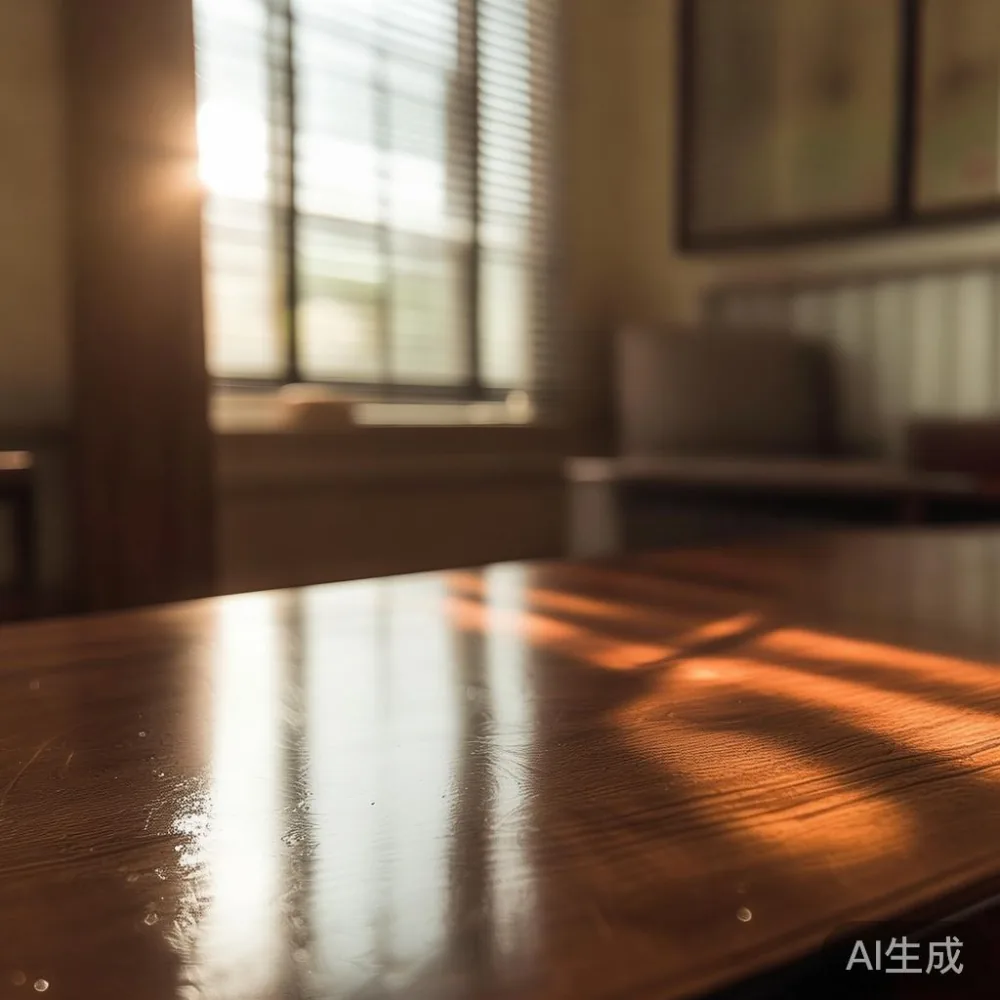
In a Singapore HDB flat, the swing can be severe. Bedok flats near the coast sit at 80 percent humidity most mornings, then drop to 55 percent by midnight when the air-con runs. A 1.6-metre wardrobe door can move 2 to 3 mm across that range. If the lacquer is brittle, you see micro-cracks along the grain. If it is flexible, you see the wood breathe beneath a quiet, intact surface. Good japandi style pieces use flexible nitrocellulose or water-based acrylic lacquer for exactly this reason, and the workshop I visited in Punggol had chosen a 7-coat build with a final 220-grit matte buff.
The 10-Minute Daily Routine That Saves You a Refinish
Most of the damage I see on lacquered japandi style furniture in local homes comes from three habits: leaving coasters unused, wiping with a wet cloth, and placing hot cookware straight from the stove. None of these are dramatic failures. They are the small daily choices that compound over twelve months.
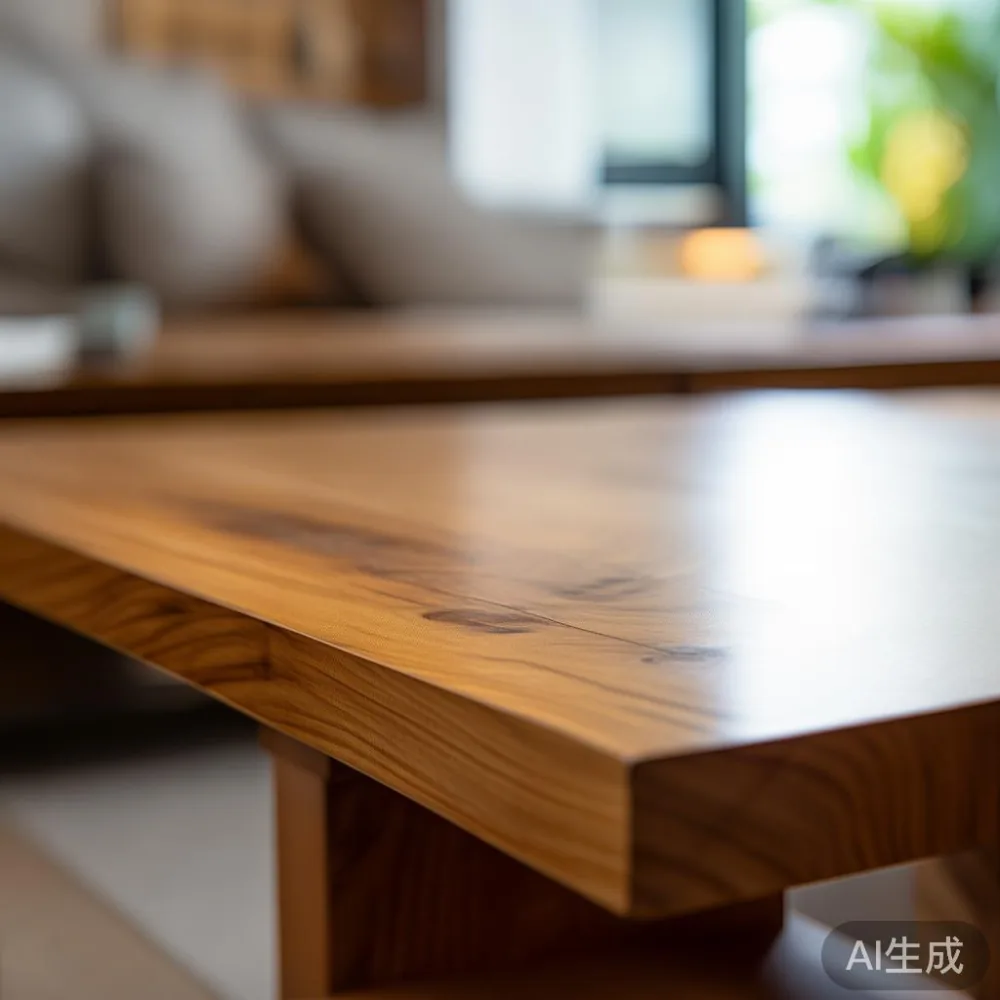
Here is the routine I now recommend to every Tampines and Punggol owner I meet, and it takes less time than brewing a cup of kopi:
What Should I Do When a White Ring Appears on My Japandi Dining Table?
White rings are the most common complaint I hear from condo owners in the River Valley and Tanjong Pagar postcodes. The ring is not water damage in the wood — it is moisture trapped inside the lacquer film itself. The fix is gentle and predictable.
Take a clean cotton cloth, fold it into a 10 cm square, and place it over the ring. Press a clothes iron set to medium heat (around 120 degrees Celsius) onto the cloth for eight to ten seconds. The heat drives the moisture back out of the lacquer. Lift, check, repeat once if needed. For a deeper mark, a paste of baking soda and water, applied with a soft cloth in straight lines and wiped off within thirty seconds, usually clears it.
If the mark has gone brown — usually soy sauce or chili oil left overnight — the lacquer has been penetrated. That needs a professional refinish. For owners of solid wood pieces from established workshops, lifetime refinishing is a service worth asking about. I have seen the MIDHILL workshop in Foshan refinish a 2-metre dining table for roughly S$280 including shipping back to Singapore, which compares well against a S$600 to S$900 replacement quote from a local upholsterer. The same workshop offers a 10-year structural warranty, which matters when a Punggol family uses the same dining table for homework, hot pot nights, and weekend mahjong for a decade.
How Singapore Corridors, Lifts, and Doorways Shape Your Furniture Choices
Most HDB blocks in Tampines and Bedok have a lift opening of about 90 cm wide and a corridor turn of roughly 180 cm. A standard 1.8-metre bed frame will not make the corner if it is already assembled. This is why modular japandi style wardrobes — those that ship in two 90 cm sections rather than one 180 cm piece — are quietly becoming the practical choice in 4- and 5-room flats. A nightstand at 45 cm wide fits any standard HDB doorway, but a marble table with a 1.4-metre top will not fit a Punggol Point lift on a busy Sunday.
Condos are slightly easier. Most new launches in the OCR have lift cars of 1.1 m wide and 2.3 m deep, which accepts a fully assembled 1.6-metre wardrobe if you remove the doors. Plan for that. The 7 to 14 day sea freight from Foshan to Singapore, plus a S$80 to S$150 lift-side delivery fee, is wasted if the piece physically cannot enter the home.
Free shipping over US$350 — about S$470 at today's rates — covers most of these pieces. Below that threshold, expect a S$60 to S$120 top-up. Order during a GST-absorbed promotion, and the effective rate works out to 8 percent rather than the standard 9 percent, a real saving on a S$2,400 dining set.
Matching Japandi Pieces to Your Floor Plan Without Overcrowding
A 90 sqm HDB flat feels calm with one large japandi style anchor per room: a 1.8 m solid wood sofa platform in the living area, a 1.6 m bed frame in the master, a 1.2 m dining table in the eat-in kitchen, and a single 1.8 m wardrobe in the second bedroom. Anything more, and the japandi style line between minimal and cluttered disappears.
For a guest room, the same restraint applies. A narrow 90 cm single bed, a 40 cm nightstand, and a wall-mounted shelf work better than a full bedroom suite. Some Singapore owners ask about pairing japandi pieces with an American light luxury accent — a single brass lamp, a marble table, or a velvet cushion — to add warmth without breaking the visual language. It works if the accent is one item per room, not three.
The same logic guides how to style French provincial wardrobe in bedroom projects. A French provincial wardrobe is heavier, taller, and more ornamented than a japandi piece. In a 12 sqm bedroom, it will dominate. The solution is to keep the japandi style as the base — plain walls, light curtains, a low bed — and let the wardrobe stand as the single character piece. This is also why owners who want a Nordic for guest room look often choose a slim 60 cm chest of drawers rather than a full 120 cm dresser, freeing floor space for movement and light.
Common Lacquer Problems in Tropical Climates and Their Fixes
After walking through more than forty Singapore homes over the past two years, I have seen the same five problems appear again and again. Each has a clear, low-cost answer.
Problem 1: Hairline cracks along the grain. Cause: humidity swings above 25 percent in 24 hours. Fix: stabilise room humidity with a dehumidifier set to 55 percent, and keep the piece away from direct air-con airflow for the first 90 days while the wood acclimates.
Problem 2: Cloudy patches on a marble table or dining top. Cause: a wet cloth left to dry on the surface. Fix: the iron-and-cloth method described earlier, followed by a dry buff. If the cloudiness remains after two attempts, the lacquer has hazed permanently and needs a professional buff with 1500-grit paper and a fresh topcoat.
Problem 3: Sticky surface that never dries. Cause: silicone from a commercial polish has reacted with the lacquer. Fix: wipe with a cloth barely dampened with isopropyl alcohol, then dry. Avoid the area for 48 hours. This is permanent damage to the polish layer, not the lacquer, and will repeat until the polish residue is fully removed.
Problem 4: Orange tannin bleed on light ash. Cause: water sat on an unprotected spot and pulled natural tannins to the surface. Fix: a 1-to-1 mix of white vinegar and water, applied for 60 seconds, then buffed dry. For a deeper stain, oxalic acid at 10 g per litre of warm water, available at any local hardware shop for under S$8, lightens the mark without harming the lacquer.
Problem 5: Peeling lacquer near the edge of a wardrobe door. Cause: impact or a manufacturing defect. Fix: do not peel further. Photograph the spot, contact the workshop, and ask about warranty. A 10-year structural warranty from a brand like MIDHILL will usually cover this kind of failure, including return shipping from Singapore to Foshan, which I have seen take 18 to 22 days door-to-door.
Choosing the Right Pieces for Singapore Living, Room by Room
The best japandi style purchases in a tropical climate are pieces that breathe with the wood, sit light in the room, and age visibly without failing. A solid wood sofa frame in ash or white oak, a low bed frame in walnut, a 1.4-metre dining table in rubberwood with a matte lacquer top, a slim wardrobe in two halves rather than one, and a single marble table accent in the entryway — that is a complete home in under S$6,500 before GST.
For owners who want a slightly warmer look, modern Italian light luxury furniture offers slim brass details, travertine tops, and a softer silhouette that still respects the japandi style base. The risk is over-doing it. One Italian accent in a japandi home reads as confident. Three read as a showroom.
For a Boho for dining room direction, the trick is to layer three or four textured pieces — a rattan pendant, a hand-thrown stoneware bowl, a linen runner, a small plant — over a japandi style base. The dining table itself should stay clean, because a busy surface on a Boho-japandi cross reads as visual noise rather than texture.
Budget-wise, how to style European wardrobe in apartment projects is mostly a question of contrast. A tall European-style wardrobe with panel doors and a darker stain works against pale walls, while a japandi style wardrobe in light ash blends with them. Both can live in the same home if the wood tones stay within a 20 percent value range of each other.
For larger budgets, a full living-and-dining set in japandi style can be assembled for under S$4,000, while an under 2000 Post-modern furniture accent — a single curved chair, a sculptural lamp, a console table — adds the French light luxury, American light luxury, or post-modern light luxury touch that many Singapore owners now ask about. The post-modern light luxury vocabulary fits japandi style particularly well, because both share an interest in clean geometry, restraint, and a single statement piece per room.
When to Call the Workshop Instead of Reaching for a Cloth
Some damage is beyond home repair. A 3 cm chip on a wardrobe door, a deep burn from a hot pan, a cracked leg at the joint, or a finish that has gone cloudy across the entire top all need workshop attention. For owners in Singapore, that means shipping back to Foshan, which takes 18 to 22 days by sea, or sending to a local refinisher who charges S$400 to S$900 for a dining table refinish.
The more sustainable path is to choose furniture from a workshop that offers lifetime refinishing as a service rather than an upsell. I have walked the floor of the MIDHILL production hall twice now, and their refinishing line — a dedicated 600 sqm space with dust-extraction booths and a 12-person finishing team — is set up to handle exactly this kind of recurring care. For a Singapore owner, that means a piece bought once can be refreshed every seven to ten years rather than replaced, which is both financially and environmentally sensible.
Putting It All Together for a Calm, Lacquer-Friendly Home
Japandi style suits Singapore homes better than almost any other design language, because its restraint handles clutter, its light wood tones fight the visual heaviness of humid air, and its proportions work with HDB and condo floor plans rather than against them. The lacquer on those pieces is thin, calm, and meant to age slowly. Treat it with dry cloths, stable humidity, and a small amount of patience, and a japandi style dining table will look quietly beautiful for fifteen years or more.
If you remember nothing else from this guide, remember three numbers: 55 percent humidity, ten seconds of iron heat for a white ring, and S$280 for a professional refinish. With those three numbers in mind, caring for a lacquered surface in a tropical climate stops feeling like a chore and becomes a quiet weekly habit — the same kind of habit the japandi style itself asks for. Wuhan Lingzhan, one of MIDHILL's regional logistics partners, ships from the Foshan warehouse to Singapore in 7 to 14 days for orders over US$350, with customs handled at the Singapore end and a 14-day return window from the day the piece arrives at your door.