How to Care for Lacquered Solid Wood Furniture in Singapore’s Tropical Climate
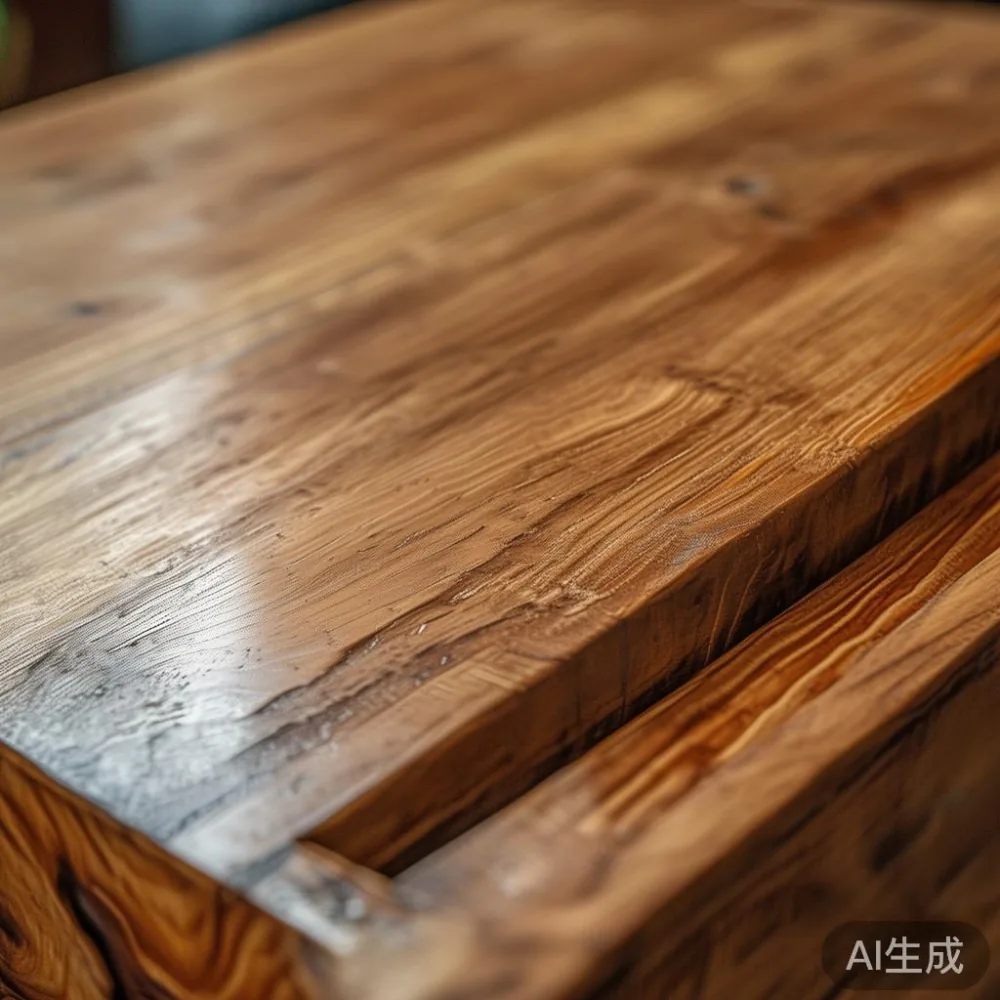
Singapore’s warmth and humidity can be hard on a finely finished table, wardrobe, or bed frame. Lacquered solid wood furniture may look smooth and glassy, yet its beauty still depends on sensible care around heat, moisture, sunlight, lifting, and daily use. This guide explains how to protect a lacquered surface in a HDB flat or condo, with practical routines for residents in Tampines, Bedok, and Punggol.
At MIDHILL, a Foshan solid wood furniture maker established in 2008, we build for everyday life and ship to more than 15 countries. Our pieces carry a 10-year structural warranty, and refinishing support is available for the lifetime of the product. A lacquered dining table, solid wood sofa, or marble table still benefits from careful habits, especially in Singapore’s climate.
Why does lacquer need special care in Singapore?
Lacquer creates a durable, decorative skin over wood. It can resist ordinary marks better than unfinished timber, but it is not indifferent to every condition. Singapore’s relative humidity often ranges around 60% to 80%, while daytime temperatures near windows can exceed 30°C. Those changes may cause wood beneath the coating to move slightly, and repeated heat exposure can dull the finish.

Humidity does not automatically ruin lacquer. More important is consistency and separation from moisture. Place tall wardrobes and solid wood bed frames away from air-conditioner vents, bathroom doorways, and windows with persistent condensation. Keep at least 15 cm between furniture and a wall where possible, allowing air to circulate behind the piece.
A useful room target is approximately 40% to 60% relative humidity, measured with an inexpensive hygrometer. Avoid sudden shifts: if a wardrobe moves from an air-conditioned bedroom to a humid corridor, give it 24 hours to acclimatise before loading it heavily. A stable indoor environment protects both lacquer and solid wood joinery.
What is the right way to clean a lacquered surface?
Begin with a dry, soft microfibre cloth. Wipe dust from broad surfaces in one direction, using light pressure. For routine cleaning, dampen the cloth with plain water and wring it until only a little moisture remains. A second dry cloth removes residue and helps prevent streaking.
Do not spray cleaner directly onto lacquer. Mist can travel into edges, joints, and small holes in a nightstand. Instead, apply a small amount of cleaner to the cloth, ideally 5 ml or less, and test it on a concealed area for 24 hours.
Use a pH-neutral wood-care product suitable for lacquer. Avoid abrasive pads, scouring powder, alcohol-heavy glass cleaner, ammonia, bleach, and concentrated degreasers. Silicone, oil, and wax can leave a hazy film or make the surface slippery. If the finish feels tacky, it may be an application issue rather than a reason to polish harder.
For a dining table, clean spills within 10 minutes. Blot liquids instead of scrubbing them. Remove food residue with a soft cloth and a drop of mild dish soap, then wipe with a clean damp cloth. Coasters, placemats, and trivets provide a practical barrier against heat and stains.
How should I place a lacquered dining table near a window?
Singapore windows can admit strong ultraviolet light as well as heat. If direct afternoon sun reaches a lacquered dining table for more than 30 minutes each day, use a blind, sheer curtain, or UV-filtering film. A 3 mm mat beneath a hot dish can help, although the table should still have level support.
For HDB dining areas, a 140 cm to 180 cm table suits many layouts, but measure the actual room and lift before ordering. A commonly used lift door opening is about 90 cm wide, while the lift car may measure roughly 140 cm deep and 110 cm wide inside. A table packed into a narrow lift usually cannot be turned diagonally. Check the route from the ground floor to the unit, including the void, corridor turns, and the owner’s door.
Protect the piece during the move. Wrap corners with 2 cm foam, cover broad panels with a clean blanket, and use 2 straps rather than dragging it on the floor. Carry smaller parts separately. This is especially important for a French light luxury design with projecting details, because a bumped edge can chip lacquer before the furniture reaches the room.
How do I stop heat, fingerprints, and sunlight from damaging lacquer?
Use coasters that fully cover the base of a cup or pot. A 10 cm coaster is usually sufficient for a small glass, while a 16 cm to 20 cm trivet suits a hot serving dish. Replace felt or cork pads when they become crushed or dirty, perhaps every 6 to 12 months depending on use.
Fingerprints are less visible on dark finishes than pale ones but remain noticeable on gloss. Avoid resting greasy hands on the surface and clean fingerprints promptly with the damp-cloth method. Do not use a nail file, steel wool, or polishing compound; these can cut through the coating and expose timber.
For a marble table, use the same moisture discipline, but remember that marble is porous and may stain. Keep red wine, curry, coffee, and tomato sauce off the surface for longer than 10 minutes. Blot with a clean cloth, then rinse with a lightly damp cloth. Marble should never be sealed against the lacquered timber on a mixed-material piece; each material needs its own care routine.
Sunlight can fade both wood tone and lacquer over several years. A wardrobe placed beside a west-facing window in Bedok may need more protection than one in an interior Punggol bedroom. Rotate accessories occasionally so one corner does not remain permanently exposed.
How should I move a wardrobe or bed frame without damaging the finish?
Disassemble a bed frame where the manufacturer allows it, photograph the connections, and label each fitting with tape. Tighten fittings every 3 to 6 months during the first year as the timber adjusts to local humidity. For a wardrobe with sliding doors, remove the panels before moving the carcass; they often weigh 8 kg to 20 kg each and can distort if twisted.
Use at least 2 people for most wardrobes and 3 for a large solid wood bed frame. A standard mattress can weigh 25 kg to 60 kg, so removing it reduces strain. Lift from the lower frame rather than pulling on rails, handles, or lacquered panels. Keep at least 5 cm clearance from a skirting board to avoid scraping the back.
Corridor and lift dimensions should be checked before a large purchase. A condo service lift may be 210 cm deep, while a private lift could be narrower. Measure the narrowest doorway, turn the piece on its side if necessary, and protect both the wall and lacquer with cardboard or blankets.
How often should lacquered furniture be inspected and refinished?
Inspect lacquered surfaces every 3 months. Look for whitening, fine scratches, lifting at edges, dull patches, or exposed wood. Keep the product away from abrasive objects and use felt pads under table ornaments. Do not wait for a visible chip before taking action; a 1 cm area of damage can spread along a weakened edge.
Small surface marks may be treated carefully, but sanding can remove a thin lacquer layer unevenly. It is safer to have a specialist assess the finish. MIDHILL offers lifetime refinishing support, so the owner can ask about the appropriate process for a dining table, wardrobe, bed frame, or nightstand rather than improvising.
Air-conditioning alone is not enough. A room that cools rapidly for 2 hours and then warms for 3 hours creates repeated expansion and contraction. Aim for fewer than 5°C of difference between the furniture surface and the surrounding air. This simple control matters more than repeatedly applying an extra coat of polish.
What should I do if lacquer gets stained, scratched, or swollen?
For a fresh stain, act within 15 minutes. Use a slightly damp white cloth and a small amount of mild dish soap, then dry immediately. Avoid soaking an edge. If moisture has entered the lacquer and caused swelling, reduce nearby humidity, improve airflow, and leave the area undisturbed for 48 hours. Do not press down on the raised section.
For a scratch, note its direction and depth. A fingernail that catches strongly may indicate a break in the lacquer, while a shallow surface mark may respond to careful cleaning. A 2 cm to 5 cm chip at a corner usually deserves professional repair, especially on a high-visibility panel. Keep pets and furniture keys away from the area in the meantime.
If lacquer flakes, separate the loose fragment only if it can be lifted without pulling. Place it in a labelled bag, including pieces only if available. Provide photographs and measurements to the furniture maker, as repair colour matching is easier with clear documentation.
How do I care for a solid wood sofa and upholstered pieces nearby?
Keep lacquered tables and wooden storage away from soft furnishings that retain moisture. Vacuum a solid wood sofa every week with an upholstery attachment, and blot spills rather than rubbing. In humid weather, allow cushions to air for several hours after cleaning. Leave 10 cm to 15 cm between the sofa and a lacquered side table where circulation is limited.
Leather or fabric contact can transfer dyes and oils. Use a tray on a marble table, and keep books and coasters on stable surfaces. If a customer is comparing options, the question of how to choose European light luxury sofa involves frame quality, comfort, material, dimensions, and delivery access rather than appearance alone. The same practical check applies to a solid wood sofa in a compact Singapore flat.
Which care products and services should a Singapore buyer look for?
Ask for a product care sheet, recommended humidity range, approved cleaners, and repair terms before purchase. Clear guidance should distinguish lacquer, bare wood, fabric, leather, and marble. A supplier that treats all finishes with one strong chemical is not offering suitable maintenance advice.
Compare the total cost over 10 years, including delivery, returns, care products, and refinishing. MIDHILL provides free shipping for orders over US$350, although local pricing and GST should still be confirmed in SGD. The company’s 14-day return policy gives customers time to check scale, colour, and access. Delivery timing in Singapore should also be confirmed; a realistic installation window might be 7 to 14 days after dispatch, depending on stock and destination.
For design research, people often search for for sale American furniture, top 10 light luxury furniture, or the best Scandinavian bed for 2026. Product labels need context. A well-made solid wood bed frame with stable joints, compatible dimensions, and suitable finish care is more useful for Singapore than a trend phrase alone.
Light-luxury design can work well here. French light luxury often introduces upholstered forms and refined profiles, while American light luxury favours relaxed proportions and practical materials. Post-modern light luxury may pair clean silhouettes with selected texture. Whatever the vocabulary, a lacquered surface still needs shade, stable humidity, sensible placement, and prompt spill care.
Can Japandi furniture work in a humid HDB or condo home?
Yes, if the pieces are proportioned for the room and maintained correctly. The japandi style combines pale visual calm, useful forms, and restrained detail, which suits many Singapore interiors. A 160 cm solid wood bed frame may suit a 300 cm by 330 cm bedroom, while a 120 cm dining table can work in a compact 250 cm by 300 cm dining zone if circulation remains clear.
For buyers weighing cost and suitability, is Japandi sofa worth it is a reasonable question. Consider the frame, cushion density, fabric treatment, dimensions, warranty, and after-sales care rather than relying on the style name alone. A 210 cm sofa may suit a 350 cm living room, while 170 cm to 190 cm versions can work in tighter HDB layouts. Leave 60 cm to 90 cm for main walkways.
Searches for how to style French bed in room often focus on textiles and composition, yet tropical care belongs in the plan. Use breathable cotton or linen bedding, avoid a bed pressed against a wet bathroom wall, and keep lacquered bedside furniture out of direct sun. These measures support the calm appearance associated with japandi style while respecting the local environment.
What is a practical lacquer-care routine for Singapore homes?
Make a small maintenance kit with 2 microfibre cloths, 1 soft brush, a pH-neutral cleaner, 4 spare coasters, and a hygrometer. Weekly, dust surfaces and vacuum nearby upholstery. Monthly, check under coasters, inspect edges, and wipe high-touch areas. Every 3 months, review humidity and look for scratches. Every 6 to 12 months, replace worn pads and confirm that furniture remains stable.
For a new piece, let it acclimatise for 24 to 48 hours before heavy loading. Do not place it against an exterior wall that is visibly damp. In a lift lobby, carry protective wrapping and avoid setting the furniture down in a corridor less than 110 cm wide, where passing residents could knock it.
Solid wood furniture can remain attractive in Singapore when environmental control and surface care are treated as regular household work. Lacquer is one layer in a larger system that includes the timber, finish, placement, cleaning, and repair support. With those details handled, a japandi-style dining table, wardrobe, bed frame, or nightstand can retain its character for many years.