Japandi Style for Small Singapore Apartments: How to Style Without the Crowded Look
I live in a 4-room HDB flat in Tampines, and six months ago I made the questionable decision to move from a 4-seater fabric sofa, two bulky armchairs, and a 200 cm dining table into something I could actually breathe around. The lift in my block measures roughly 1.1 m wide by 2.1 m deep, the corridor to my unit is about 1.2 m across, and the doorway itself is a standard 0.9 m. None of that mattered to the previous sofa; it mattered to me on moving day. That is the lens I bring to japandi style below, because every centimetre in a 90 sqm Singapore flat is a centimetre you cannot get back.
Why does japandi style work so well in compact HDB flats and condos?
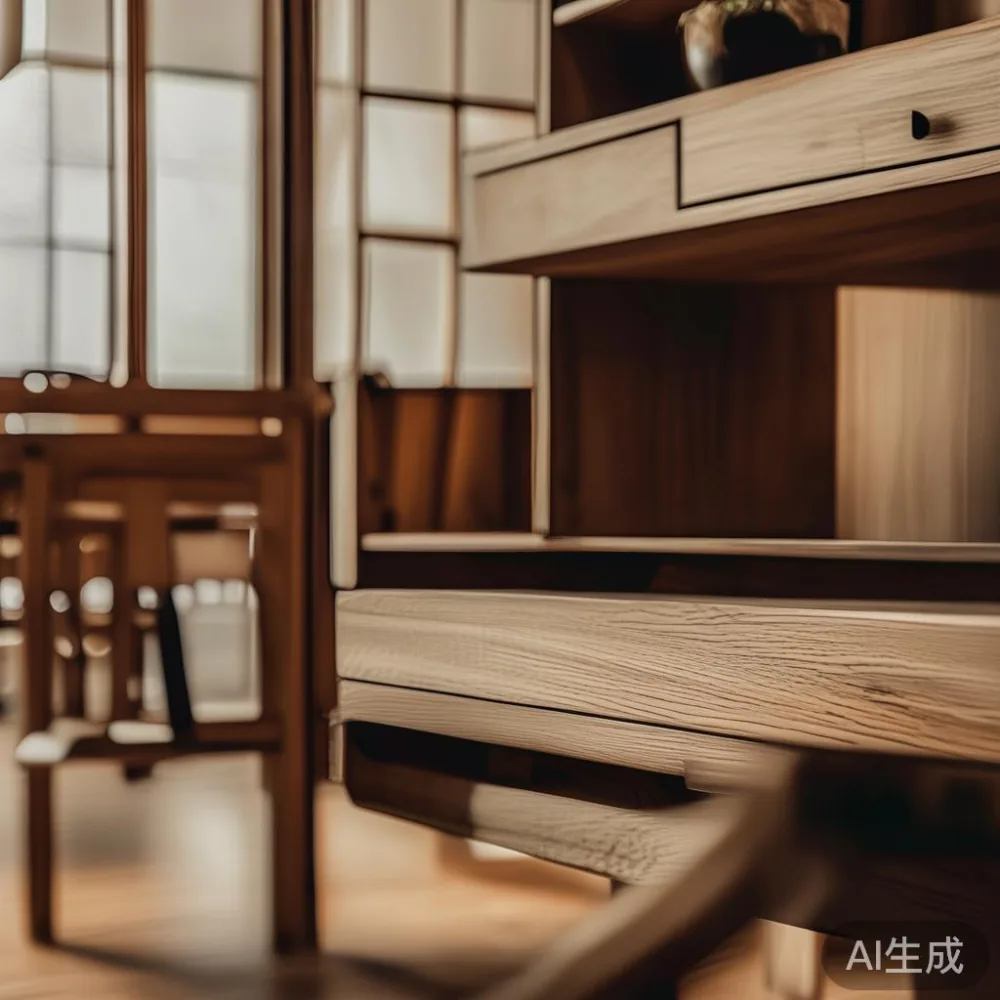
Japandi style is the quiet meeting point between Japanese restraint and Scandinavian warmth, and for a small Singapore apartment that balance is exactly what you want. Where a maximalist or American light luxury scheme would ask you to layer objects, japandi asks you to subtract them. A 120 cm solid wood dining table, a low 180 cm bed frame in white oak, and one statement pendant are usually enough to anchor an open-plan living room of 18-22 sqm. The palette stays narrow: warm white walls, a sand or putty accent, and the natural grain of the wood doing most of the visual work.
Because japandi style leans on negative space rather than decoration, you avoid the visual noise that makes a 90 sqm flat feel like 60. The trick is what I call "one of each" discipline. One dining table, one sofa, one console, one rug. Resist the second armchair, resist the bench at the foot of the bed. The room breathes, and so do you.
How do I choose furniture when lift, corridor, and doorway measurements actually matter?
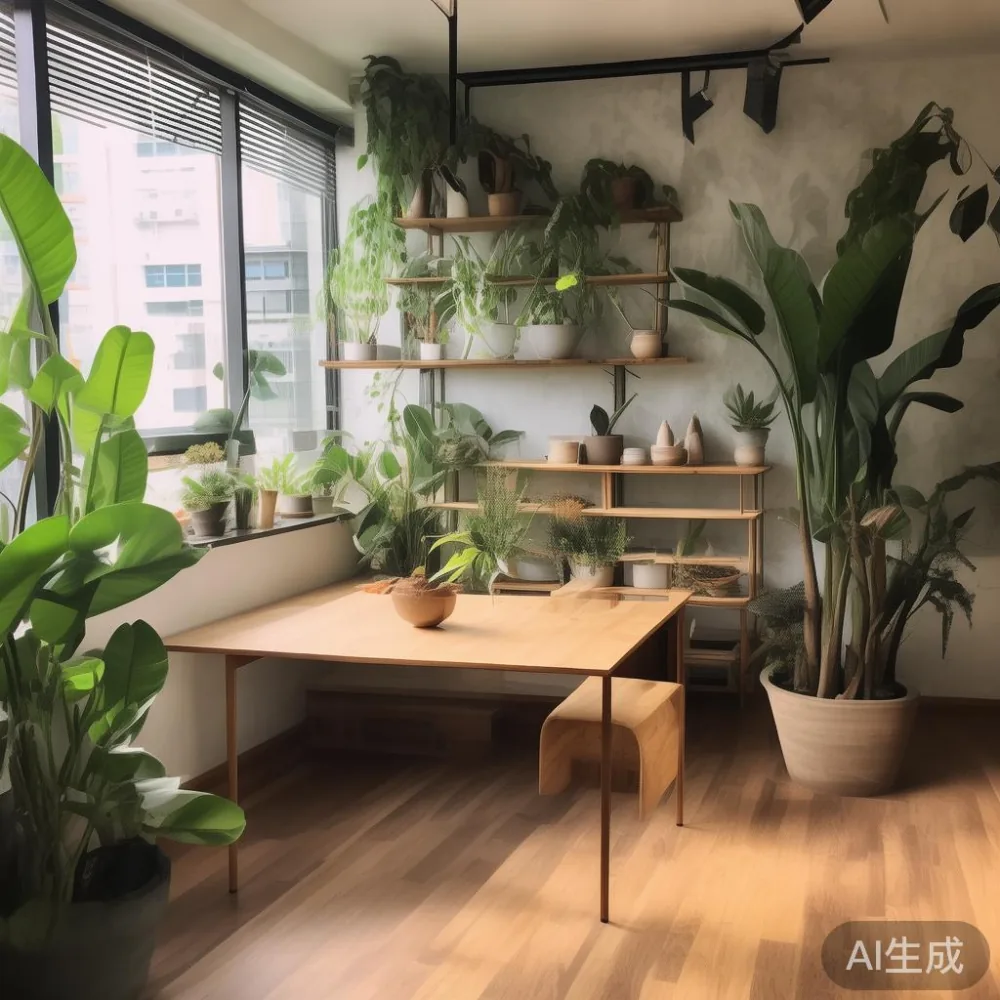
Measure first, click second. For a typical Singapore HDB, work with these numbers in mind: lift opening around 0.9 m wide, lift interior roughly 1.5 m deep, corridor 1.1-1.4 m wide, main door 0.9 m. Any piece longer than 2.0 m that cannot be disassembled is a risk. A solid wood sofa from MIDHILL in the 180-200 cm range, for example, typically ships in two halves that bolt together on site, which is what got my old replacement through the lift without a crane. A bed frame in 150 cm or 180 cm king is fine; the 200 cm super-king is a problem unless your supplier flat-packs the side rails.
The same logic applies to wardrobes. A 240 cm three-door wardrobe rarely makes it around a HDB corridor corner. A 180 cm two-door unit, or a 120 cm wardrobe paired with a 120 cm tall storage cabinet, almost always does. Dining tables in 120-140 cm seat four comfortably; 160 cm seats six but starts eating the room. Marble tables look beautiful but a 130 cm sintered stone or marble top weighs 38-45 kg, so check whether the supplier splits the top into two halves for delivery, otherwise your lift operator will not thank you.
Which japandi furniture pieces earn their floor space, and which ones do not?
Here is the shortlist that pays rent in a small Singapore home, with rough SGD price bands and the honest verdict on each.
Solid wood dining table, 120-140 cm. SGD 1,200-2,400. This is your hardest-working surface. It is the breakfast counter, the work-from-home desk, the Lego zone for the kids, and the dinner table. White oak or ash in a light oil finish reads japandi instantly. Skip glass tables, they scratch in six months and look dated in twelve.
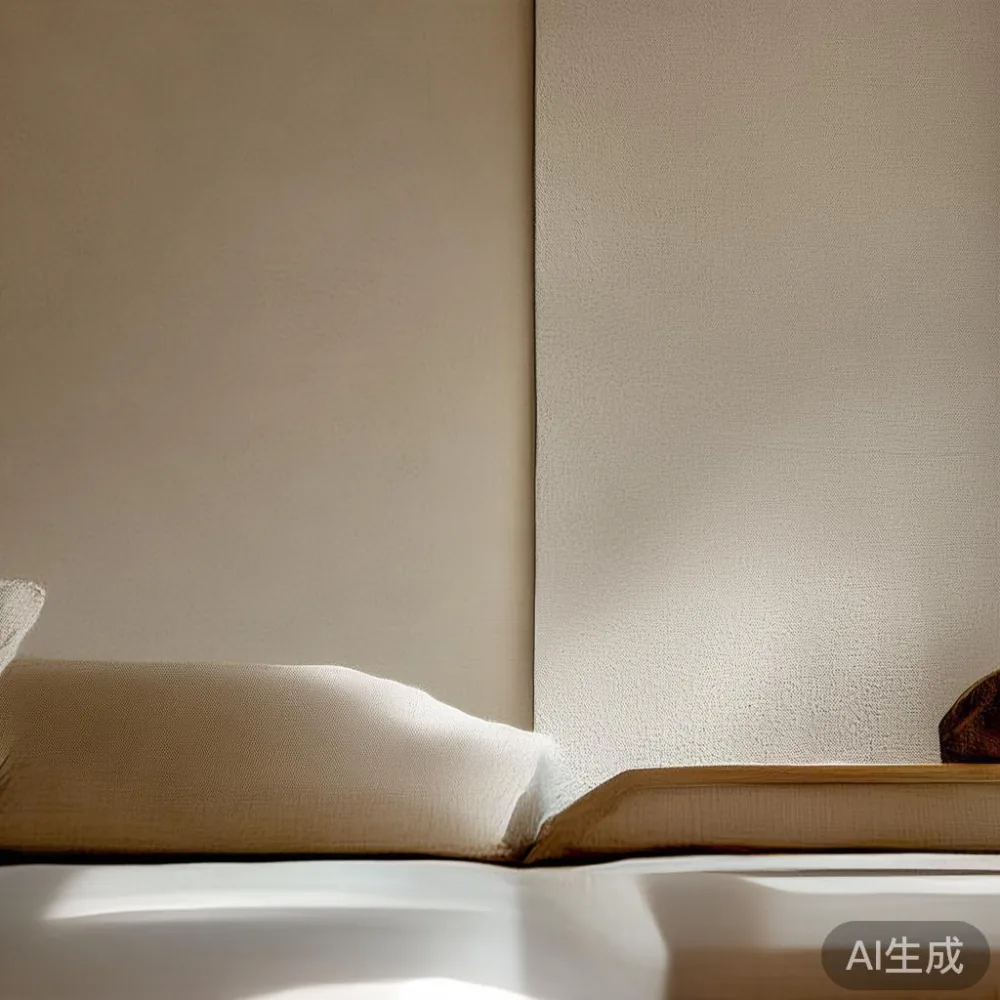
Bed frame, 150 cm queen. SGD 1,400-2,800. A platform-style bed frame in solid wood with a low headboard keeps sightlines clean across the bedroom. A 180 cm king is possible in most master bedrooms, but check the wall-to-wall measurement after skirting, usually you have 290-310 cm, so 180 cm works with a 60 cm nightstand on each side.
Solid wood sofa, 180-200 cm, three-seater. SGD 2,200-4,200. This is the single biggest purchase. Look for removable cushions, kiln-dried hardwood frames, and armrests under 12 cm wide. A loveseat at 150 cm suits a 14 sqm living room; a 200 cm three-seater needs 20 sqm or it eats the room.
Wardrobe, 180 cm two-door, or two 120 cm units. SGD 1,600-3,200. Built-ins look tempting but lock you into the unit; a freestanding wardrobe in solid wood can move with you to your next Punggol condo, which matters in Singapore where most households move every 5-7 years.
Nightstand, 45-55 cm wide. SGD 350-650 each. Buy two matching ones. The single asymmetric nightstand trend ages badly and forces one partner to reach across the bed for a lamp.
Marble or sintered stone side table, 45-50 cm diameter. SGD 450-900. One piece, used as a drinks table next to the sofa or as a bedside alternative. Marble is real stone, sintered stone is engineered and lighter, around 18-22 kg for a 50 cm round top versus 28-32 kg for marble. Either works in japandi; sintered stone is more forgiving if you drop a phone on it.
What does not earn its space: a six-seater dining table for two people, a TV console longer than the sofa, an L-shaped sectional, and any piece described as a "statement" that you have to walk around.
How do I layer light luxury into japandi without tipping into clutter?
Light luxury, whether you read it as French light luxury, American light luxury, or the post-modern light luxury style that has been filling Singapore interior magazines since 2023, is really about material restraint with one or two richer accents. You do not need brass everywhere and you do not need a marble dining table for eight. The japandi version of the look is a thin brass edge on a floor lamp, a travertine or sintered stone side table, a boucle or linen-blend cushion in a single accent colour, and a woven rug underfoot.
The rule of thumb I use: 80% japandi, 20% light luxury. A solid wood dining table in white oak is japandi. A small marble table next to the sofa is the 20%. A bouclé armchair would also count, but only if your living room is over 20 sqm, otherwise a bouclé accent on the sofa cushions is enough. The cumulative effect should feel like a quiet hotel lobby in Copenhagen, not a showroom at ION Orchard.
On the topic of marble and sintered stone, a quick logistics note for Singapore buyers. Most quality suppliers ship marble tops in custom wooden crates with foam corners, and the crate for a 130 cm round top typically measures 140 x 140 x 55 cm and weighs 85-110 kg. Two-person lift delivery is the norm for ground floors, three-person for upstairs HDB units without a lift stop on your floor. Reputable Foshan makers, including the MIDHILL workshop I visited last October, photograph every crate before container loading, which is how they caught a cracked corner on a 1.4 m sintered stone dining top bound for a client in Bedok. The piece was remade and shipped by air; the replacement arrived in 11 days versus the standard 35-45 days by sea. That kind of Modern sintered stone shipping damage is rare when the crate has internal foam bracing, but it happens, so always ask your supplier for pre-loading photos of stone tops specifically, and confirm in writing whether replacements are shipped by air or sea at whose cost.
What are the actual delivery and warranty realities for solid wood furniture shipped from Foshan to Singapore?
Last month I visited a friend's new 5-room BTO in Punggol and watched her receive a 1.8 m solid wood dining table, four chairs, and a 150 cm bed frame. The order shipped from a Foshan factory consolidated with two other Singapore orders in one 20-foot container. Sea freight to Singapore port took 14 days, customs clearance another 3-5 working days, then last-mile delivery to her unit took 5-7 days because the delivery team waited for her weekend access to the loading bay. Total door-to-door: 32 days from order confirmation, including a 4-day Chinese New Year factory shutdown in the middle.
That timeline is typical for a factory with a Singapore consolidator. Costs: GST 9% on the CIF value, which on a SGD 4,500 order is roughly SGD 405 paid to Singapore Customs before delivery is released. Delivery to a HDB ground floor is usually SGD 80-150; upper floors with no lift access add SGD 20 per floor per mover. Many Foshan makers, MIDHILL among them, offer free shipping above around USD 350 (about SGD 480), which most dining table or sofa orders clear, but always confirm whether that free shipping covers the Singapore leg or only the China-domestic leg. It is a common surprise that adds 12-18% to the landed cost.
Warranty reality: a 10-year structural warranty on solid wood frames is the mark of a serious factory, and most of the long-running Foshan makers, MIDHILL since 2008 for instance, will put that in writing. Lifetime refinishing is rarer and worth paying slightly more for, because oak and ash will need a re-oil every 5-7 years in Singapore humidity. 14-day returns are usually limited to stock items in unopened packaging; custom sizes, fabric choices, and stone top cuts are typically non-returnable but covered by the damage-replacement clause. Ask for that clause in writing before paying the 50% deposit.
How do I choose a outdoor patio for a home office?
Choose an outdoor patio for a home office by measuring the usable depth from your sliding door to the parapet, confirming the floor can take at least 150 kg per sqm for a stone top desk, and insisting on weather-rated solid wood or powder-coated aluminium that handles Singapore humidity without warping in two monsoon seasons.
For a Singapore home office on a patio or balcony, which is increasingly common in Punggol and Tampines BTOs with 8-15 sqm balconies, the same japandi logic applies but with one extra constraint: weather. Teak and white oak handle humidity if oiled every 6-9 months. Engineered sintered stone handles everything. A 120 cm outdoor dining table doubles as a standing desk when paired with a laptop stand. Avoid MDF, plywood with paper veneer, or any fabric cushion that cannot come indoors. The lift-up question I get most often from readers is whether a "patio" includes the small service yard outside the kitchen, and the answer is yes, those 3-5 sqm slabs handle a 60 cm bistro set and a single shelf perfectly, provided you leave a 60 cm walking strip to the dryer or refuse chute.
What is the simplest styling checklist for a japandi small apartment in Singapore?
Keep this on your phone before you order anything. A japandi small apartment in Singapore works when the furniture does the talking and the room gets out of the way.
1. Measure every access point: lift, corridor, doorway, room. Subtract 10 cm from each for turning clearance.
2. Pick a palette of three colours only: one warm white, one wood tone, one accent. Putty, terracotta, or deep green all work.
3. Choose one anchor per room: a solid wood sofa in the living room, a 150 cm bed frame in the bedroom, a 120 cm dining table in the dining zone.
4. Buy two matching nightstands, not one oversized one.
5. Allow 70-80 cm of walking space behind every dining chair.
6. Use one rug sized so the front legs of the sofa sit on it; 160 x 230 cm is the sweet spot for most HDB living rooms.
7. Layer light luxury with one marble or sintered stone piece per room, no more.
8. Keep walls 70% empty. One piece of art, one mirror, done.
If a piece fails the lift or the doorway test, do not buy it. If a piece requires more than two cushions to look right, do not buy it. If a piece costs less than SGD 200 per seat at dining, ask what the frame is actually made of. The small apartment that feels calm is the one where every piece was chosen on purpose, and where the wood, the light, and the empty wall are doing the styling for you.