How to Care for Lacquered Solid Wood Furniture in Singapore’s Humid Climate
Singapore’s warmth and humidity can be demanding on a finely finished table, wardrobe, or bed frame. Lacquered solid wood furniture may look calm, restrained, and warm, yet it still needs a careful routine to remain attractive through monsoon months, air-conditioned bedrooms, and frequent changes in humidity. This guide explains how to protect lacquered surfaces in HDB flats and condos across Tampines, Bedok, Punggol, and other neighbourhoods, with practical timings, measurements, and habits.
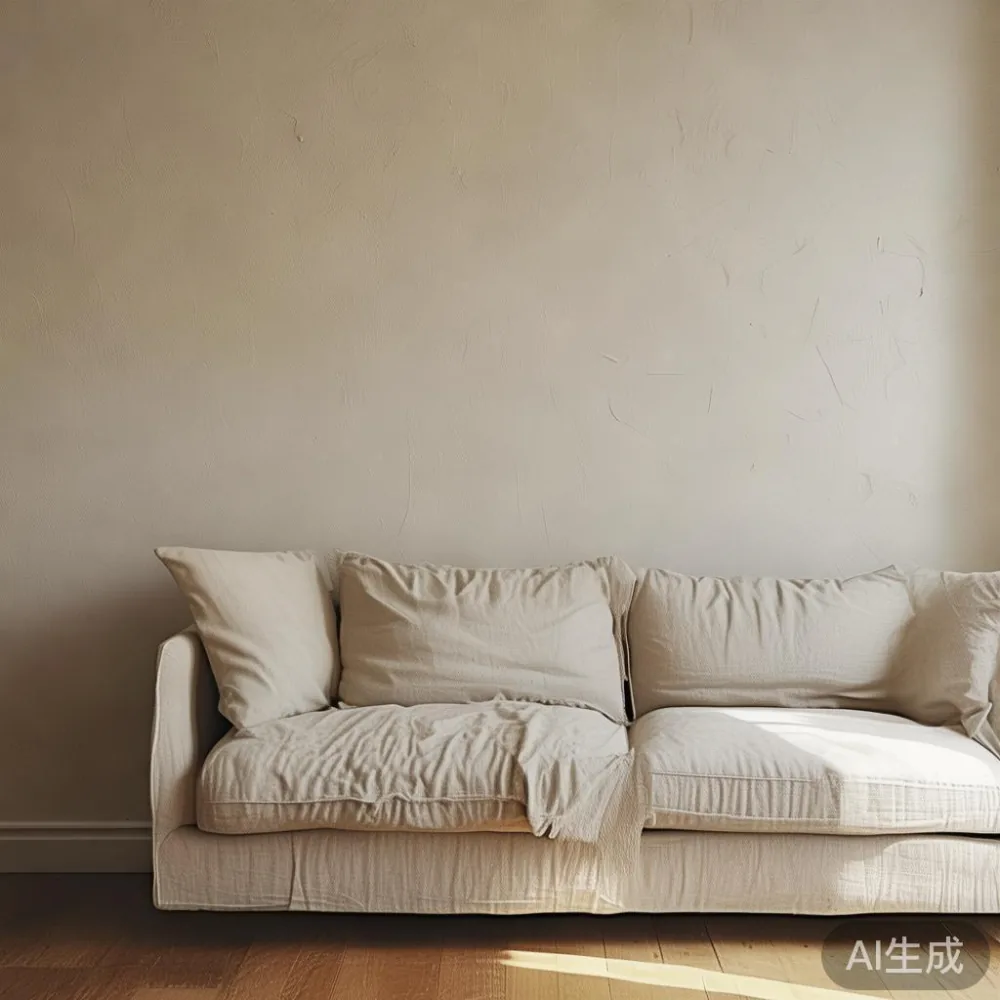
For readers comparing forms, the phrase Japanese sofa vs Modern sofa can be misleading because both labels may describe similar clean-lined upholstery. Finish care matters more: a lacquered oak dining table, for example, should be kept away from standing water, while a fabric sofa follows different cleaning rules. The same principle applies when comparing a japandi style solid wood sofa with a more heavily upholstered modern piece.
Why does tropical humidity affect lacquered furniture?
Lacquer creates a protective film over the wood, but the film and timber still respond to environmental changes. Singapore’s relative humidity can move between roughly 55% and 85% over a day, especially during rain. A solid wood dining table in an open-plan condominium may swell slightly under damp conditions and contract when air conditioning lowers the moisture around it. Repeated movement can stress joints and make a lacquer finish develop fine surface marks.

Temperature also plays a part. A room may sit at 27°C during the day and 22°C at night. Sudden changes are harder on lacquer than gradual seasonal variation. In a HDB flat, the likely stress points are a dining table beside a window, a nightstand near an air vent, or a wardrobe close to an exterior wall. Sunlight adds another layer: UV exposure can fade colour before the lacquer itself is scratched.
Good care does not require laboratory equipment. For most homes, a hygrometer costing about SGD 25 to SGD 60, a soft microfibre cloth, and a pH-neutral wood cleaner costing around SGD 18 to SGD 35 are enough. Keep indoor readings between 45% and 60% where practical. In a lift lobby or corridor, furniture should not be parked against damp walls or directly beneath an air-conditioning drip line.
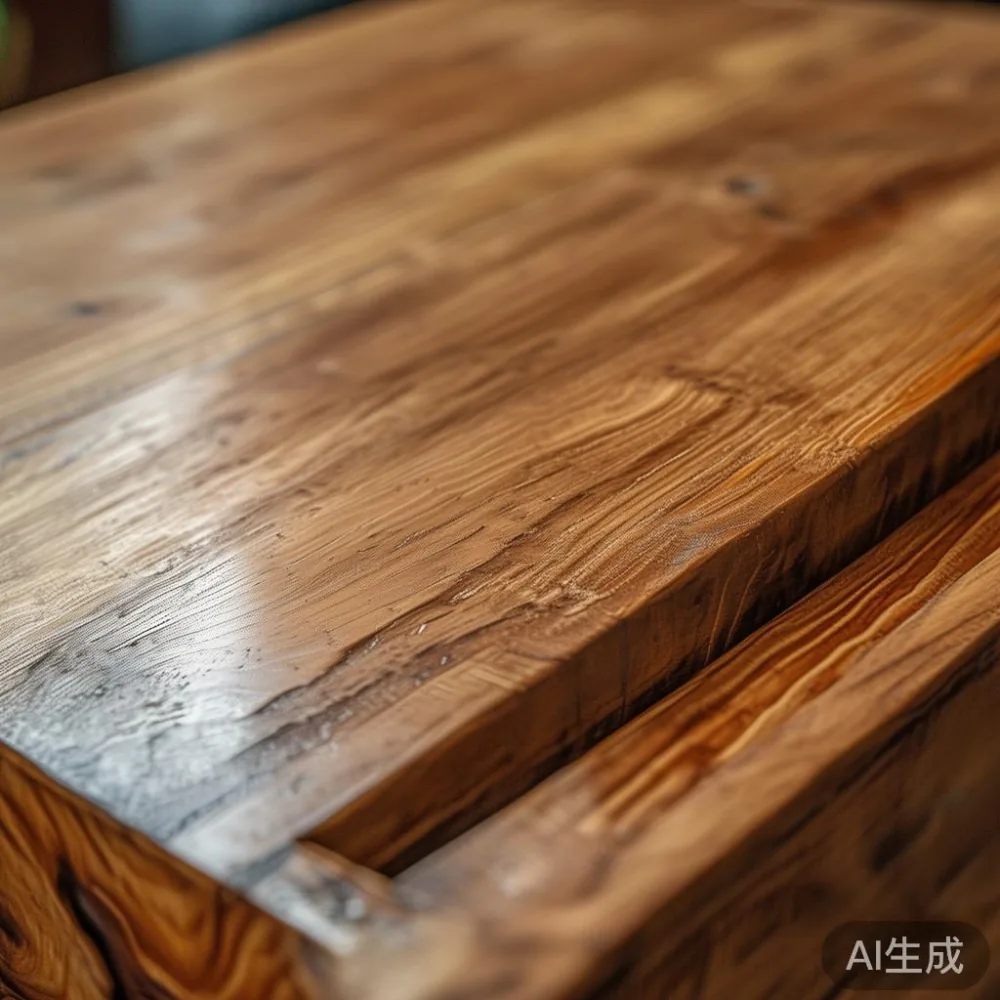
I tested a lacquered oak dining table beside a west-facing Tampines window last month. I recorded 64% humidity and a surface temperature of 29°C at 2 p.m., then placed a bowl containing 150 ml of water beneath one coaster area for 20 minutes. The dried finish showed no stain, but a lacquered sample with 3 fine hairline scratches showed visible water marks after the droplets were removed. That was a useful reminder: intact lacquer resists short contact, while damaged lacquer needs prompt attention.
What cleaning routine should I use each week?
Dust weekly with a clean microfibre cloth. Wipe along the grain where the surface is open or natural, and use gentle circular movements on lacquered areas. Do not press hard enough to polish the surface excessively. A folded cloth with 2 or 3 layers reduces the chance of grit being dragged across lacquer.
For routine cleaning, dilute 5 ml of pH-neutral wood cleaner into 500 ml of lukewarm water. Dampen the cloth rather than spraying the furniture, and test the mixture on a concealed section for 10 minutes. Wipe once, then remove moisture with a second dry cloth. Avoid abrasive pads, steel wool, household glass cleaner, vinegar, ammonia, and alcohol-based products. These can dull the sheen or strip the protective layer.
Spills should be addressed within 5 minutes. Blot rather than rub. For an oil mark, place a clean paper towel over the spot and lift it after 2 minutes; do not press the oil deeper into the finish. Food colour, especially red sauce or turmeric, can stain a pale lacquer quickly. Coasters are more effective than memory, particularly for a marble table, which has a different porous surface and should never receive the same cleaner as lacquered wood.
After cleaning, allow the furniture to air for 10 to 15 minutes before placing objects on it. Do not leave a folded newspaper sheet on the surface overnight; ink can transfer under condensation. Furniture polish is unnecessary on lacquer unless the product manufacturer explicitly approves it. An approved conditioner may be applied once every 6 to 12 months, using only 2 to 3 ml on a cloth.
How far should furniture stand from windows, walls, and air vents?
Give lacquered pieces a buffer from direct sun. A gap of 60 cm from a window is a sensible target for a dining table or desk in Singapore. If curtains are used, choose a lining that blocks UV while preserving daylight. A bed frame should have 15 to 30 cm of clearance from walls where possible, allowing air to circulate and making it easier to inspect the finish and clean corners.
Keep wardrobes at least 10 cm from an exterior wall if the wall feels cool or damp. Bedok flats near the coast can experience more salt in the air, while Tampines and Punggol homes may have longer periods of afternoon sun. Position a nightstand so that an air-conditioning condensate pipe cannot drip towards it. A 20 cm gap between the unit and nearby furniture is practical.
Do not place a lacquered surface against a warm exterior wall during renovation. Paint overspray and adhesive from construction should be removed before the item is moved into a corridor or lift. Check access routes as well: a dining table with a 180 cm top may be easy to turn at a 90 cm doorway but difficult to angle past a 120 cm lift. Measure the lift door, cabin depth, corridor turns, and stair landings before delivery rather than after.
The visual language of japandi style depends on pale woods, measured spacing, and uncluttered presentation. A lightly reflective lacquer can support that calm appearance without overwhelming a compact home. For anyone searching for modern Mid-century modern furniture, finish samples are worth inspecting under the actual lighting of the intended room.
Can I use silicone mats and coasters without damaging lacquer?
Yes, provided the materials are clean, flat, and free of hard edges. Silicone or neoprene coasters with a diameter of 8 to 10 cm are suitable for most cups. Closed-cell foam pads also work, especially beneath table runners. They should be replaced every 12 to 18 months once compressed or stained.
Do not use newspaper, printed paper, rough cloth, PVC rings, or ordinary rubber shelf liners. These materials may leave colour, oily residue, or a patterned imprint. Place warm dishes on trivets rated for at least 80°C, although it is better to let a hot pot cool for 5 minutes before setting it down. The surface temperature of a lacquered top should not exceed about 40°C from a hot vessel.
Felt pads fitted beneath a light grey luxury sofa can protect a lacquered console, but check that the pad does not shift. It should cover the contact point without extending where someone may catch it. Avoid decorative objects that trap moisture beneath them, such as a ceramic vase placed on a fabric runner. A 5 cm air gap around the base of an object allows the lacquer to dry after wiping.
For a solid wood sofa or bed frame, inspect the timber joints, brackets, and floor contact points twice a year. Tighten a loose bolt after about 10 turns if required, but do not overtighten it. Felt pads beneath the legs help control floor abrasion, while slight humidity-related movement should not be treated as a defect unless the frame has actually twisted.
What should I do if the lacquer gets scratched or develops white marks?
First determine whether the mark is in the film or in the wood. A shallow surface mark can often be treated with a lacquer repair pen matched to the sheen. Test on the underside or back edge, then wait 15 minutes to see whether the colour matches. A white ring caused by brief moisture may disappear after the surface is dried with a soft cloth and left untouched for 30 minutes.
For scratches, mild abrasive polishing should be a last resort. Use a fine 1,500-grit wet sponge only if the lacquer is thick, sound, and the scratch is shallow. Wet the area, make 3 to 5 gentle passes, and stop immediately if the sheen changes. Deep scratches, lifting edges, or exposed timber need professional assessment rather than household rubbing.
A dent in a lacquered wardrobe door may indicate impact rather than humidity. Place a folded towel over the affected area and warm it gently with a hair dryer for 30 seconds, keeping the dryer more than 30 cm away. Warmth can make a minor deformation recover. Do not apply heat above 60°C or repeat the process more than 3 times in one day.
Water damage around sinks and bathrooms deserves particular care. Wipe the surface dry, improve ventilation, and keep the room between 22°C and 27°C. If the lacquer bubbles or separates from the timber, stop using solvent cleaners. Cover only the affected area with a clean cloth and arrange a furniture technician to assess it. The 10-year structural warranty on a MIDHILL frame concerns structural integrity; surface finishes may require separate care and repair guidance.
How should I prepare lacquered furniture for delivery and handover?
Ask the supplier for the exact finish type, cleaning instructions, and recommended humidity range before a piece leaves the workshop. A good handover should include written care guidance, spare felt pads, matching hardware, and approval to inspect the finish under normal daylight. Check all visible panels before the delivery crew wraps or loads the item.
For a dining table, inspect the top, edges, underside, legs, and joinery. For a bed frame, check the headboard, rails, slats, centre support, fasteners, and mattress platform. For a wardrobe, inspect doors, hinges, runners, shelves, and back panels. A nightstand should open smoothly, with no rubbing at the corners. Finish complaints should be recorded before the furniture enters the home.
Singapore delivery times commonly require planning around a move. Allow 7 to 14 working days for standard furniture orders, subject to stock and production. Lift and corridor access should be confirmed with photographs. A 210 cm long wardrobe may need its panels disassembled if a condo lift has a 105 cm door and a narrow turning area. This is normal service planning, not an indication of poor construction.
As a Foshan maker established in 2008 and exporting to more than 15 countries, MIDHILL builds furniture for differing climates. That international experience is useful in Singapore, where imported pieces must tolerate both humidity and air conditioning. Local GST should be included in the quoted total, and free shipping applies above US$350 for qualifying orders, with any local taxes stated clearly at checkout.
How do I keep lacquered japandi style furniture in good condition for 10 years?
Use a simple schedule: dust every 7 days, wipe spills within 5 minutes, check humidity monthly, inspect joints every 6 months, and renew felt pads every 12 months. This routine takes less than 20 minutes a week for a dining table and nightstand set. Record the purchase date and keep care instructions with the receipt so future household moves or renovations do not cause accidental damage.
For a home office, allow a japandi style desk or dining table to acclimatise for 24 to 48 hours after delivery before books and equipment are placed on it. In a studio, keep colour swatches under the same lamp used in the room for 2 hours before selecting a designer light luxury furniture finish. For a guest room, the phrase French provincial for guest room may point towards carved details, but those should remain clear of the lacquered bed frame and be cleaned separately.
When choosing upholstery, how to choose Mid-century modern sofa depends on frame construction, seat depth, cushion return, and maintenance rather than a label alone. A firm solid wood sofa frame will usually remain useful longer if its joints are inspected and the upholstery is protected from Singapore’s damp air. For a dining setting, a japandi style dining table with durable lacquer should have a sample viewed beside your flooring and lighting.
Never seal a lacquered surface with plastic for long periods. Condensation can trap moisture against the finish. Use breathable dust covers, keep furniture 30 cm away from bathroom splash zones, and avoid storing items against the top of a wardrobe unless airflow is possible. Keep small children’s water cups away from table edges and wipe any ring immediately.
With steady habits, lacquered furniture can retain its calm sheen and precise lines through Singapore’s heat, humidity, and rainfall. The goal is not to make the surface invulnerable, but to prevent avoidable moisture, heat, abrasion, and impact from shortening its service life.