Combining Furniture for a Warm Minimalist Singapore Home
A warm minimal interior is not the same as an empty one. In Singapore, especially in Tampines, Bedok, and Punggol homes, the goal is usually to make a compact flat feel calm, useful, and visually generous. Pale walls, a restrained palette, and carefully edited furniture can do that, but only if the materials feel warm enough for daily life. Solid wood, softly textured upholstery, gentle curves, and a few matte objects create the atmosphere without turning the room into a showroom.
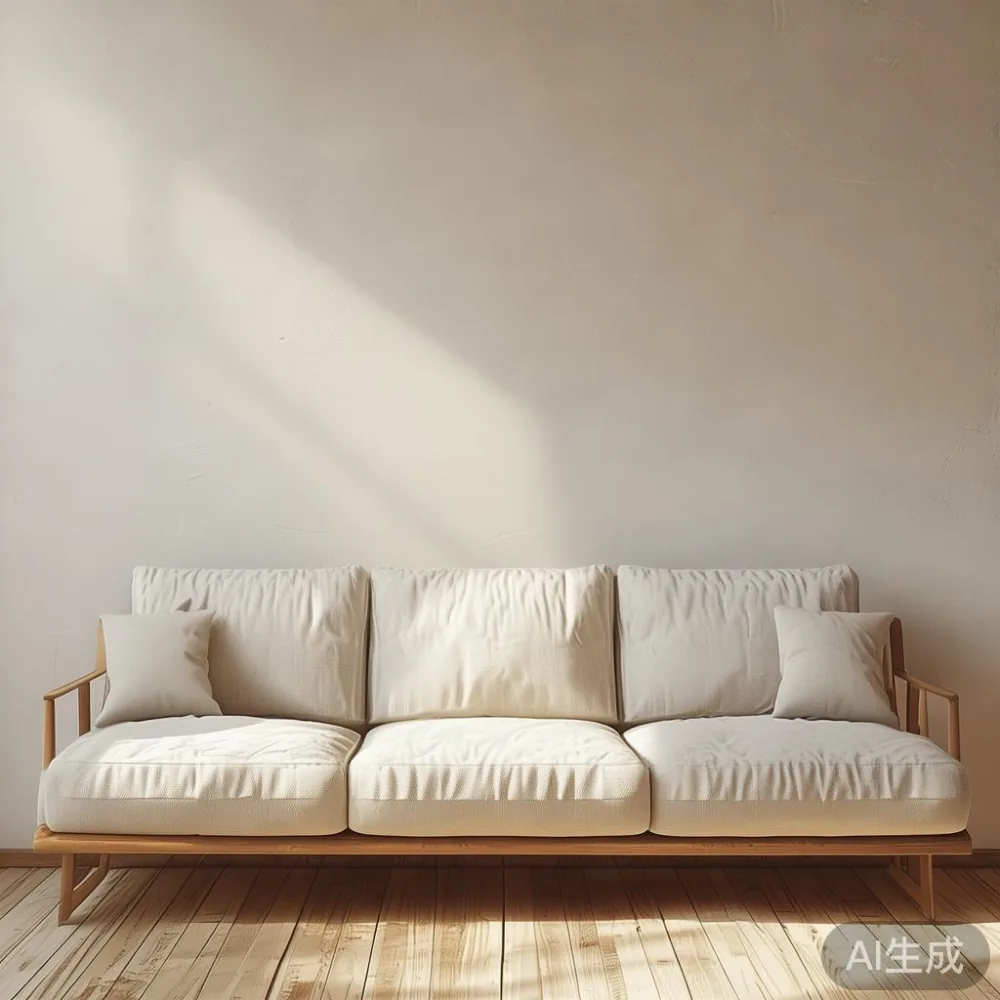
For HDB flats and condos, proportion is as important as style. A dining table that suits a showroom may overwhelm a 320 cm dining zone. A sofa that looks generous against a wide living-room wall can crowd a 280 cm space. Before choosing pieces, measure the room, the circulation route, the lift door, and the corridor outside your home. MIDHILL’s solid wood furniture is made to work with these practical constraints, while its Japandi Style treatment keeps the visual language quiet and warm.
What makes Japandi style suitable for a warm minimal interior?
Japandi style combines Japanese restraint with Scandinavian comfort. The result is useful furniture with simple silhouettes, balanced proportions, natural surfaces, and only a moderate amount of visible detail. It suits a warm minimal interior because it does not depend on dark walls or heavy decoration. In a Singapore condo, the style can begin with light oak, ash, walnut-toned wood, oatmeal linen, warm white paint, and a little black or charcoal metal.
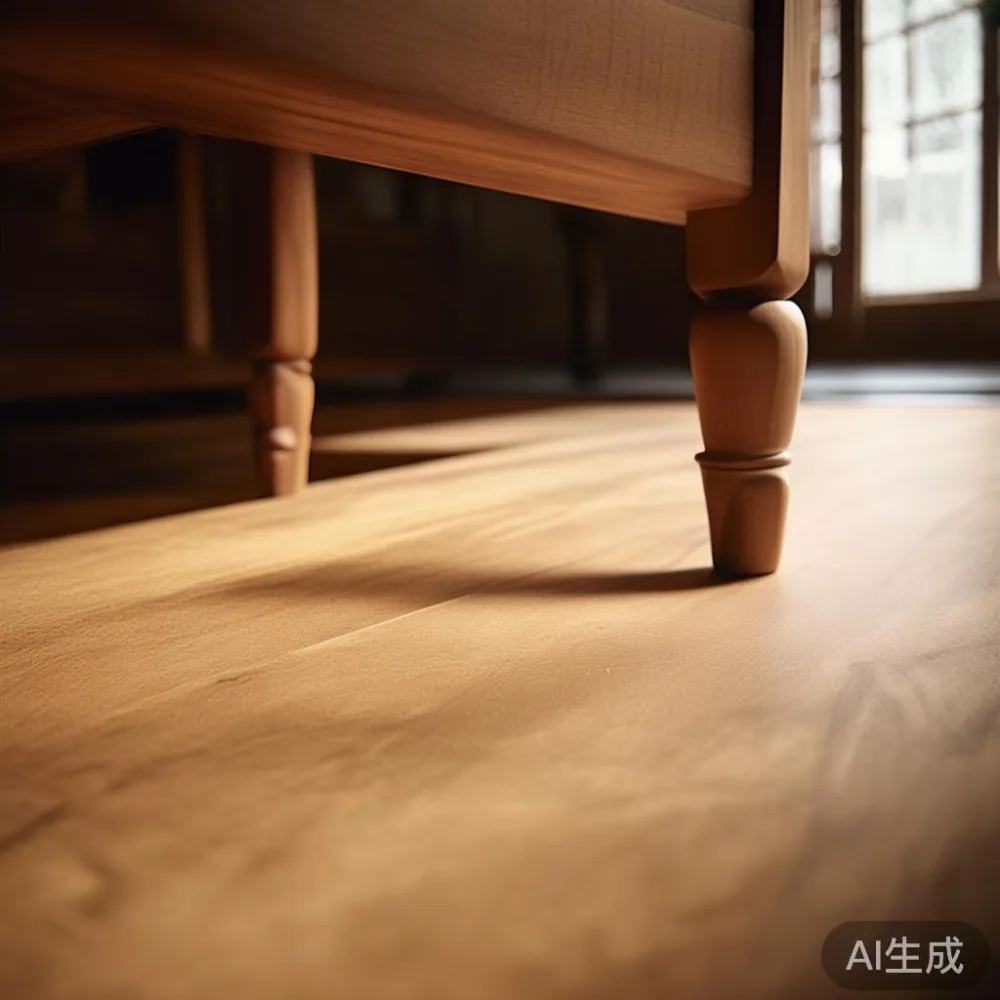
The important detail is contrast. If every item is the same pale beige, the room can feel flat. If every item is high-contrast, it can feel busy. Japandi style works between those extremes: pair a light solid wood dining table with deeper chairs, or place a warm ivory solid wood sofa against a muted greige wall. Keep the largest surfaces calm and use one or two smaller objects to provide character.
For local conditions, consider how sunlight changes through the day. East-facing Tampines units may receive stronger early light, while some Bedok and Punggol bedrooms have shaded afternoon light. Solid wood finishes should be selected for the room’s actual brightness, not only for a catalogue photograph. A sample board held against the wall for 24 hours is a simple way to check whether a warm tone still looks natural when the room is dim.
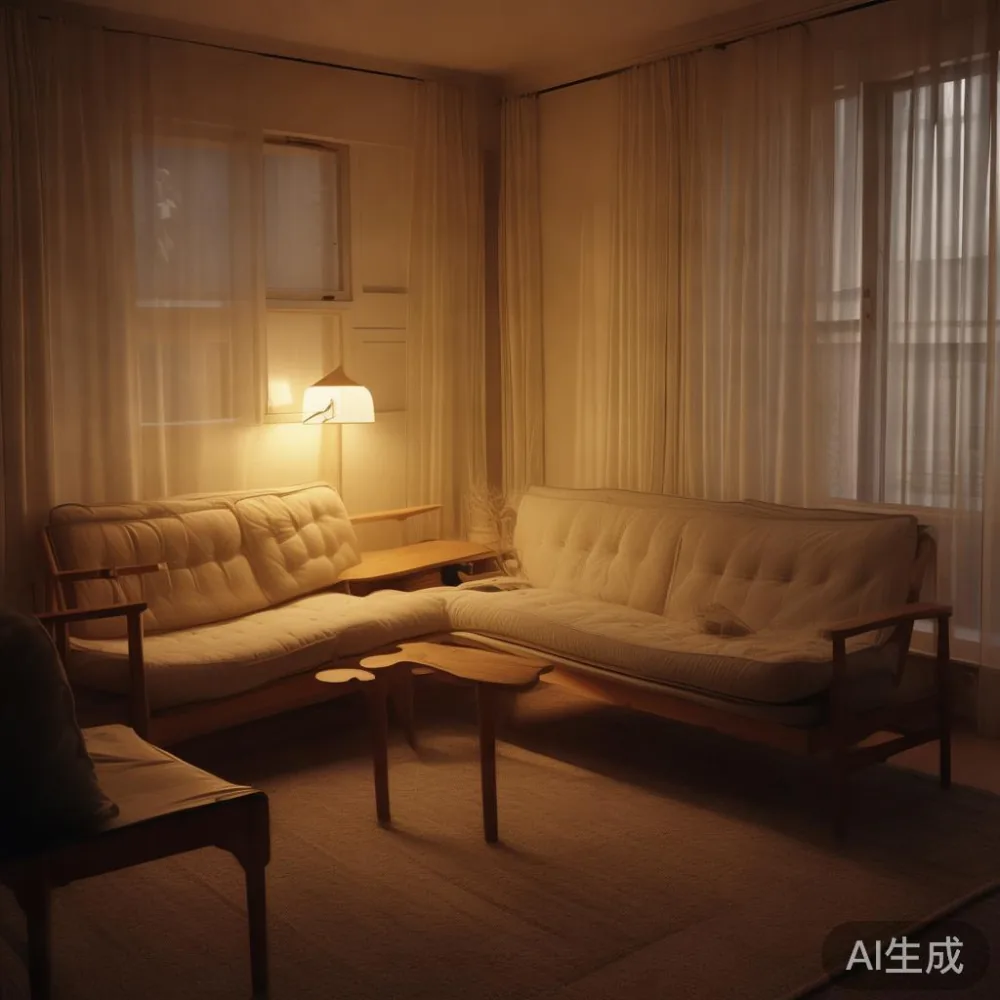
How should you measure a Singapore living room before buying a sofa?
Measure the wall length, the usable depth, and the route from the lift to the front door. A common HDB living room may provide 300–360 cm of sofa wall space, but the actual placement area can be smaller once air-conditioning outlets, windows, and side tables are considered. Leave at least 75–90 cm for a comfortable walking route behind the sofa, and avoid blocking doors or balcony access.
When comparing European light luxury sofa vs Italian light luxury sofa, focus on usable dimensions rather than labels. Check the width, seat height, arm depth, and the sofa’s packed weight. A model that is 210 cm wide and 88 cm deep may suit a compact flat more comfortably than one at 235 cm wide and 100 cm deep. If the sofa must pass through a lift lobby, measure the lift door and the turning space at the corridor entrance.
Seat comfort also matters in Singapore’s humidity. Look for firm cushions with breathable fabric, removable covers where possible, and a frame that does not feel soft when you press down. The solid wood sofa category is useful here: a solid wood frame can provide structure, while the upholstered seating remains visually soft. A good compromise for a warm minimal home is a low-backed design in oatmeal, sand, or light taupe, with a simple oak base or slim legs.
Do not forget delivery logistics. A sofa that arrives in several large cartons may be difficult to bring through a narrow HDB corridor even if it fits in the lift. Ask for the packed carton dimensions, the number of cartons, and the estimated delivery days. For Singapore orders, a delivery appointment of 7–14 days is reasonable for made-to-order or factory-finished furniture, but the supplier should confirm the actual timing. Above US$350, MIDHILL offers free international shipping according to its stated policy, while local delivery arrangements should still be checked directly.
Which dining table works in a compact HDB or condo dining zone?
Start with the clear dining area, not the entire room. A table for four usually needs at least 120 cm of width and 75–85 cm of clearance around its sides. In a narrow HDB dining zone, a 140 × 80 cm rectangular table gives four people room to sit while preserving a 60–75 cm passage along one wall. A round table with a 110–120 cm diameter can work in a square area, although chairs may still need more clearance when pulled out.
For Japandi style, choose a dining table with a simple top, restrained edges, and a visible wood grain rather than a heavily carved profile. Oak, teak, or walnut-toned solid wood can provide warmth against white or pale grey walls. A slim apron and tapered legs keep the floor visible, which makes a small room feel lighter. If children use the table, select a stable construction and a finish that can be wiped clean; a satin or matte surface is generally easier to maintain than a very glossy one.
Marble table is a separate material decision, not a requirement for Japandi style. A small marble table can add a cool focal point in a living room, but it may feel disconnected beside warm timber. Use one dark, veined marble table with a solid wood dining table nearby only if the contrast feels deliberate. Otherwise, a timber dining table with ceramic accessories will create a more consistent warm minimal scheme.
Check the route from the lift. A 180 cm long dining table may need to enter through a lift with a 210 cm diagonal depth, and the table may need to be turned in the corridor. Measure the lift door, lift interior, hallway corners, and apartment door before confirming. For a three- to four-person table, solid wood construction should also meet local load expectations; ask for the tabletop thickness and the maximum supported weight if you plan to use it for work or heavy serving.
How do you create warmth without making a minimal room feel crowded?
Warmth comes from texture, layering, and scale. Use a rug with a low pile, a linen or cotton curtain, a woven basket, ceramic table lamps, and cushions in rust, olive, camel, or muted blue. These items add visible texture without requiring many furniture pieces. Keep the number of large objects under control, and let one material do most of the work in each zone.
For a bedroom, a solid wood bed frame with a low headboard can anchor the room. A 150 × 200 cm bed needs roughly 70–90 cm of clearance on both sides if drawers are not required, while a 180 × 200 cm bed needs more space. In a compact Punggol or Bedok bedroom, a 135 × 200 cm bed may provide a more comfortable margin. Choose a nightstand no taller than 55 cm if the ceiling is visually low, and place it within 40–50 cm of the bed so it remains useful.
Light-luxury positioning can support this restrained look without making it ornate. French light luxury might suggest curved chair backs, soft upholstery, and delicate profiles. American light luxury often works through generous proportions, natural upholstery, and practical detailing. Post-modern light luxury can introduce one unexpected shape, such as a round mirror or sculptural lamp, while keeping the furniture calm. The point is not to collect labels; it is to create contrast within a measured budget.
For storage, a MIDHILL French provincial wardrobe may appeal to someone who wants gentle moulding and a warmer bedroom, although its carved details should be kept limited to one focal item. If the room is already full of moulded trim, choose a flatter-front wardrobe instead. The exact phrase best Italian light luxury wardrobe for 2026 is useful when comparing storage design, but the more important questions are depth, door swing, and access. A wardrobe 60 cm deep is common, while 55–58 cm may work in a narrow bedroom if the hanging space remains practical.
What should you consider when choosing a wardrobe and nightstand?
Measure the bedroom wall, the wardrobe opening, and the path to the window before selecting a wardrobe. A sliding-door design can save 60–90 cm of swing clearance, while hinged doors need space to open fully. Internal fittings matter more than exterior decoration: include hanging rails at different heights, shelves for folded clothes, and a drawer unit only if it will be used. Keep the highest shelf below 220 cm if you need to reach it without a stool.
Some shoppers describe their requirements with phrases such as best Boho wardrobe for 2026 or best Italian light luxury wardrobe for 2026. Those phrases can narrow the design intent, but a Boho wardrobe should still have a calm footprint, and Italian light luxury should still fit the apartment’s measurements. If you want a handcrafted solid wood wardrobe, check the construction, finish samples, warranty terms, and delivery schedule rather than relying on a style description alone.
For a nightstand, aim for 35–50 cm wide and 45–55 cm tall. A drawer should open without hitting the bed frame, and the surface should be large enough for a phone, glass of water, and a 15 cm lamp base. A small open shelf can look lighter than a closed cabinet, but it needs a place for books and chargers. Match its wood tone to the bed frame without making every piece identical; slight variation is useful in a warm minimal interior.
Singapore’s humidity also affects storage. Look for smooth-running drawers, ventilated interiors where possible, and finishes that tolerate occasional dampness. Ask about the care instructions and the expected movement in solid timber across seasonal humidity. A 10-year structural warranty is valuable, but the finish warranty and maintenance guidance should be understood separately.
How can I make a marble table feel connected to warm wood furniture?
A marble table can provide a clear focal point, but it must not float in an otherwise soft room. Place it near a solid wood sideboard, a timber-framed chair, or a warm-toned rug. Repeat one colour from the marble in the surrounding palette, such as cream, charcoal, or soft brown, so the eye reads the table as part of the composition.
Scale is critical. A marble coffee table should leave approximately 35–45 cm between it and the sofa, enough for a person to walk or for a tray to be placed comfortably. Choose a thickness of 18–25 mm if you want visual lightness, and check whether the base allows knees and feet to fit. A heavy marble top may weigh 70–120 kg depending on size and density, so delivery access and lift limits should be checked before purchase.
Keep the marble surface mostly clear. One ceramic vessel, one book stack, and a small tray are enough for a 100 × 60 cm table. If the dining area already contains a marble element, use wood elsewhere. This controlled repetition is more effective than adding several decorative objects.
Last month I visited a Singapore showroom displaying a light oak dining table, a low solid wood bed frame, and a marble coffee table under warm 3000K lighting. The marble initially looked cool against a white wall, but it became balanced once the showroom added a rust-coloured cushion and an oak bench. The same table looked less harmonious beside glossy black furniture. That experience reinforced a simple rule: every hard, reflective surface needs a warm, tactile counterweight.
What delivery details should you confirm before ordering?
Confirm the packed dimensions, the delivery method, the estimated delivery days, and the return window before paying. For an HDB flat, the delivery crew may need the floor, unit number, and a clear access route. For a condo, parking and loading rules can affect the timing, so provide those details early. If a piece is made to order, delivery might take 30–60 days rather than the standard 7–14 days.
Check whether GST is included in the quoted SGD price. Singapore customers should see a clear total before delivery, along with any lift or carrying surcharge if it applies. A 14-day return policy gives useful flexibility for a new home, but custom dimensions or bespoke finishes may have different terms, so read the conditions before ordering.
MIDHILL has operated since 2008 and exports to more than 15 countries, which can be reassuring for a brand serving Singapore homes. Its 10-year structural warranty and lifetime refinishing service also matter when solid wood is used daily. You can review current product information at midhill.co, then compare measurements, materials, and delivery terms in writing.
How do you build a warm minimal room step by step?
Begin with the largest piece and work inward. Place the solid wood sofa, dining table, or bed frame first, then check the remaining gaps. Add the nightstand or side table next, followed by lighting, a rug, curtains, and only a few accessories. This sequence prevents the common mistake of buying many attractive pieces that compete for the same 300 cm wall.
Set a colour limit of 3 main tones: one pale neutral, one warm wood tone, and one accent. For example, use warm white walls, oak furniture, and olive or rust textiles. Black can be used sparingly for a lamp, frame, or handle. This creates the French light luxury, American light luxury, or post-modern light luxury effect without filling the room with matching decorative sets.
Finally, test the room at different times. View it at 8:00 in the morning, at 1:00 in the afternoon, and with lamps on at 8:00 in the evening. Walk from the lift entrance to the sofa and bed, and make sure the furniture works with the local route. A Japandi style room succeeds when it feels calm in the photograph and comfortable in the actual daily movement of a Singapore home.