What Drives the Price of Japandi Solid Wood Furniture in Singapore
I keep a notebook of every piece of solid wood furniture I have bought, repaired, or refused to repair over the past nine years. Last month I visited a Tampines HDB flat to measure a 4-room resale unit with my measuring tape, and the corridor between the front door and the living room was 92 cm wide with a 90-degree turn at the kitchen. The lift door in that block was 80 cm wide. Those two numbers, more than anything else in this article, explain why furniture price in Singapore behaves the way it does. Every other cost factor flows from what physically fits into your home.
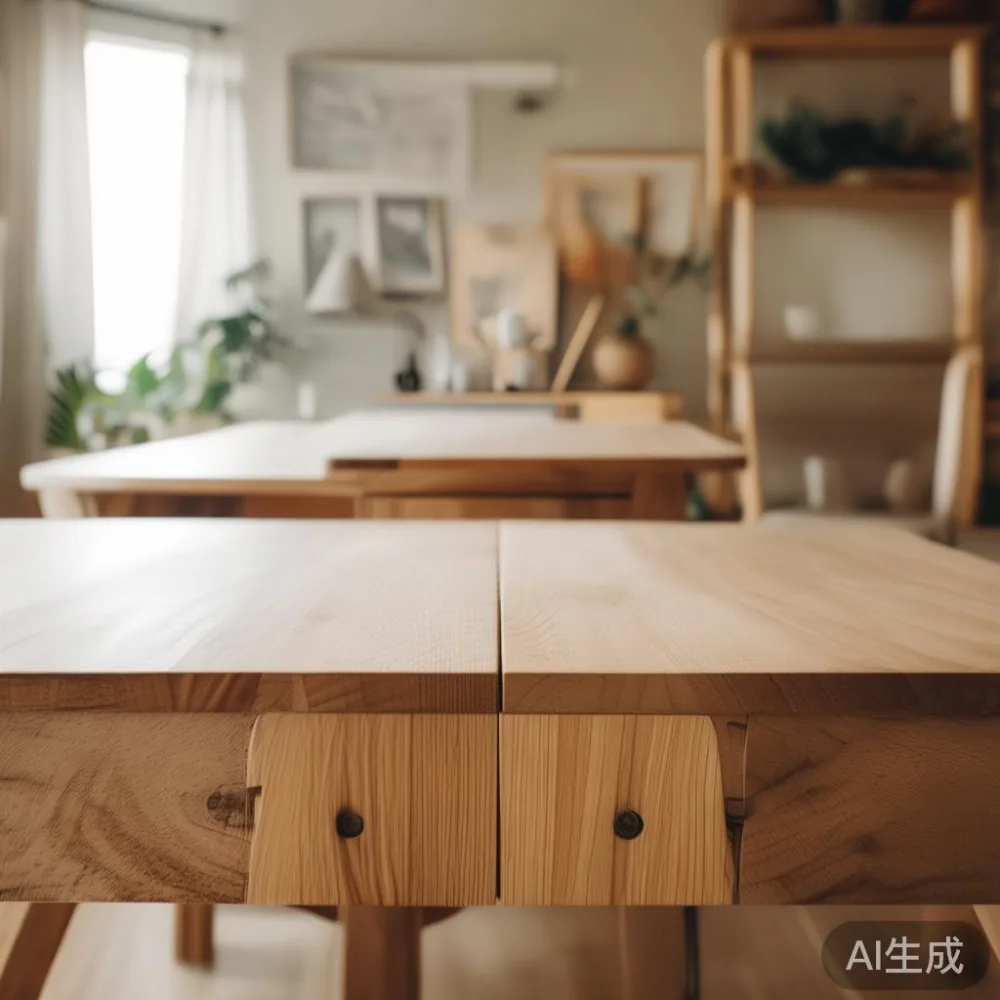
Why does a Japandi dining table cost what it costs?
Ask a Singaporean homeowner what they want in a dining table and three words come back: solid, not too big, easy to clean. The catch is that solid wood and small do not always rhyme. A 6-seater Japandi dining table needs at least 180 cm of length to seat three adults per side without elbows colliding, and most HDB dining nooks are 180 cm by 90 cm at best. So the table is engineered to the centimetre: a top in 4 cm thick FAS-grade oak or ash, with the legs profiled thin enough to leave knee room, and the apron tucked high enough for the chair arms to slide under.
Wood itself is the second driver. FAS (First and Seconds) grade means long, clear boards with minimal knots. For a 200 cm top you might go through 0.08 cubic metres of rough oak, and the yield after kiln-drying, straightening, and jointing is closer to 0.055 cubic metres. At current FAS oak prices, that puts the raw timber for a single top in the SGD 280 to SGD 420 range before any joinery, finish, or hardware is added. Cheaper furniture skips that step with veneers, MDF cores, or finger-jointed short pieces, and that is where the price gap opens.
Joinery is the third driver. A real mortise-and-tenon with a wedged through-tenon at each leg corner takes roughly 35 to 45 minutes to cut by hand on a skilled joiner's bench. A pocket-screw and glue joint takes under five minutes and a SGD 0.30 screw. Multiply that across a dining table, a bed frame, a solid wood sofa base, and a wardrobe, and the labour hours explain why two pieces that look similar in a showroom can sit 60 percent apart in price. Soft Japanese light on a mid-tone oak top, by the way, hides the difference between hand-planed and machine-planed surfaces much more than harsh overhead LED does, so visual inspections in a Tampines showroom can be misleading.
How much of the price is logistics in a HDB or condo?
More than most buyers expect. The corridor widths I measured in Tampines, Bedok, and Punggol 4-room flats tend to land between 86 cm and 98 cm. Corner units, the popular layouts, add a 90-degree turn at the kitchen or bathroom corridor. A standard king-size bed frame at 190 cm by 212 cm fits through any door only if it is flat-packed and re-assembled inside the bedroom. Pre-assembled, it might not clear the turn.
Delivery teams that know Singapore HDBs quote based on three things: floor level (above the 7th floor the walk-up fee rises, lifts that stop at certain floors only matter in older blocks), door and lift dimensions, and whether the piece can be carried flat or has to be tilted. For a japandi style wardrobe 200 cm tall, two-piece split construction is not a marketing line, it is the only way the panels reach the bedroom in most resale blocks. The price you see on the website rarely shows the SGD 60 to SGD 180 two-man delivery plus the SGD 40 disposal of your old bed frame, but those line items add up over a full household of furniture.
Above SGD 350 in order value, MIDHILL absorbs the delivery fee. Below that, the freight charge can quietly cancel the savings of a smaller order. It is worth checking the cart total before you commit.
Is European wardrobe worth it if I live in a 4-room HDB?
Here is the honest answer my colleague Mei Ling gave her father last week, after he measured his Bedok executive HDB wardrobe cavity at 198 cm tall by 218 cm wide. Off-the-shelf European wardrobes are designed for European ceiling heights of 240 cm or more. Drop them into a Singapore HDB and you get a 40 cm dust-collecting gap above the doors, or you pay a carpentry sub-contractor SGD 600 to SGD 1,200 to fill and paint the void. Neither is good value.
A japandi style wardrobe built to 198 cm, with three hanging sections, two soft-close drawers, and a single 70 cm drawer stack, can ship fully assembled only because its panels are broken into pieces that pass a 90 cm corridor. That engineered break-down adds 8 to 12 hours of joinery per unit, but it removes the on-site carpentry bill from your renovation. Over a 10-year ownership period, that math swings strongly toward custom-height wardrobes for HDB and most Singapore condos.
Internal hardware is the hidden line item. Soft-close hinges from a reputable supplier run SGD 8 to SGD 14 each, and a three-door wardrobe wants nine. Drawer runners with 30 kg rated load are SGD 18 to SGD 35 per pair. A budget piece will fit six to eight plain hinges and two plain runners. You can feel the difference every morning for ten years.
What makes a light luxury sofa cost more than a regular sofa?
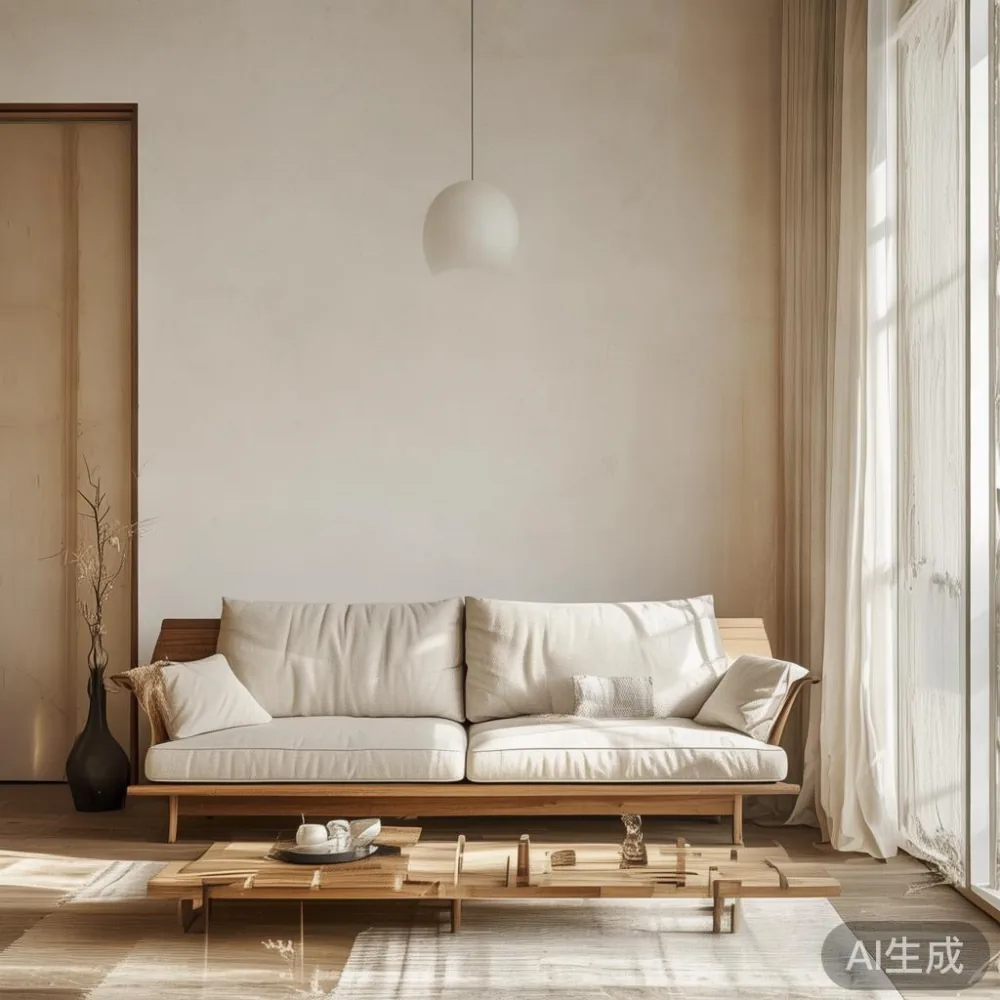
Light luxury is a positioning word, but it does point at real specifications. A French light luxury sofa or American light luxury sofa is typically full-grain top-grain leather, eight-way hand-tied springs (or a serious sinuous-spring alternative), and a kiln-dried hardwood frame in beech or oak. Post-modern light luxury follows the same logic with cleaner lines and a slightly higher arm profile. A japandi sofa usually replaces the leather with bouclé, linen-cotton blend, or full-aniline leather, and pairs it with a low-profile oak or ash base.
Comparative pricing for a three-seater in Singapore retail sits roughly here. A mid-range fabric sofa: SGD 1,800 to SGD 2,600. A solid wood sofa with kiln-dried oak frame, sinuous springs, and high-resilience foam at 35 kg per cubic metre density: SGD 2,900 to SGD 4,400. A light luxury sofa in full-grain leather with hand-tied springs: SGD 5,800 to SGD 9,200. The 2.5x jump at the top end is mostly leather, springs, and frame, not branding.
If you are choosing between a European light luxury sofa vs japandi sofa for a small condo living room, think about three things: ceiling height (light luxury sofas sit taller at 92 to 98 cm, japandi sofas sit at 78 to 84 cm), fabric resistance (light luxury leather wipes clean, japandi bouclé catches crumbs), and how to style light luxury sofa in bedroom if you are planning a dual-use master suite. A 78 cm japandi profile will not block a window at 90 cm sill height the way a 96 cm European frame will.
Marble tables, nightstands, and the small things that quietly add up
Marble tables in a japandi dining room or living room are an interesting case. A real Carrara marble top in 2 cm thickness for a 60 cm round coffee table weighs about 36 kg. The same top in sintered stone weighs 14 kg and costs 40 percent less at retail. In a HDB with a 7th-floor walk-up, those 22 kg matter to your delivery team and to your flooring warranty.
Nightstands look small on a price tag but behave like a multiplied cost. Two nightstands matching a bed frame, in solid ash with one drawer each, will add SGD 480 to SGD 760 over a flat-pack equivalent. The cost difference is the drawer: a dovetailed solid-wood drawer box, sanded by hand, with a single soft-close runner, takes 90 minutes to build. A stapled MDF drawer with a friction runner takes 12. After four years of opening it twice daily, the softer-close drawer still feels quiet. The cheaper one is loud.
Modern for dining room styling, by the way, leans toward sintered stone or solid oak tops with a paper-cord or oak-base chair, while Scandinavian for guest room styling tends toward a 90 cm wide ash daybed with a single deep drawer. The themes overlap because japandi style is the meeting point of those two traditions, and the price drivers stay constant regardless of which label the showroom uses.
Does the brand behind the wood matter?
Yes, but in specific ways. MIDHILL operates from Foshan, which is the same manufacturing cluster as Foshan Lingzhan and dozens of other workshops that supply the Japandi category worldwide. The reason that matters is finishing capacity. A kiln-dried 4 cm oak top needs 14 to 21 days of controlled conditioning before finish is applied, or it moves within six months and the customer gets a crack. Workshops with a controlled drying room and a ten-coat finish line can hold tolerance through tropical humidity in a Singapore warehouse.
Warranty structure tells you a lot. A 10-year structural warranty on the joinery, plus lifetime refinishing on the wood surfaces, signals that the maker expects the piece to outlast two ownership cycles. Most imported flat-pack pieces offer 12 to 24 months on the frame and nothing on the finish. Over ten years, refinishing every three to four years at SGD 120 to SGD 180 per dining table is cheaper than one replacement at year six.
MIDHILL ships from Foshan to Singapore with sea freight that lands in roughly 18 to 28 days for stocked SKUs, custom orders run longer. The 14-day return window still applies if the piece arrives with a defect, though on a 50 kg dining table, organising the return logistics is its own small project. Above SGD 350 in order value the freight is on the maker, which is why pairing a nightstand with a dining table in the same cart quietly saves you a meaningful amount.
What I would actually buy if my budget was SGD 8,000
For a 4-room HDB in Punggol or Bedok, with a corridor I trust to be 90 cm wide, and a lift I have measured at 80 cm, I would build the room around three pieces. A 180 cm japandi dining table in 4 cm solid oak, a king-size solid wood bed frame in ash with a low-profile headboard, and a japandi style wardrobe at 198 cm tall with three doors. Skip the marble coffee table for now, save SGD 600, and put the difference into the soft-close hardware upgrade across the wardrobe. The bedroom and the dining room are where you spend 80 percent of your furniture time, and that is where solid wood pays back the strongest.
Quick checklist before you pay a deposit
Measure the lift door width and the corridor at its tightest turn. Confirm that the largest unassembled panel is no more than 90 cm wide. Ask whether the dining table top is one solid slab or finger-jointed from shorter pieces. Ask about the foam density in any upholstered seat, and whether the springs are eight-way hand-tied, sinuous, or webbed. Confirm the drawer construction is solid wood with dovetails, not stapled MDF. Ask about the finish system: a hardwax oil behaves differently from a polyurethane under our tropical humidity, and both behave differently from a conversion varnish. The maker who answers those questions in writing is the maker whose piece will still look right in year ten.
One last note. The search term best light luxury wardrobe for 2026 gets a lot of marketing traffic right now, and most of those articles are written before the maker has shipped a single unit to a Singapore address. A piece that has cleared 90 cm corridors in Tampines, bedded down in Punggol 4-room flats, and survived a Bedok afternoon thunderstorm with the windows open is the piece you can trust for the next decade. Solid wood is patient furniture, and the right maker lets it age into your home instead of falling out of it.