Caring for Lacquered Wood in Singapore
Lacquer can give a japandi style dining table, solid wood sofa, or bed frame a calm, reflective finish, but Singapore’s heat, humidity, salt air, and daily household use demand a careful routine. A surface that looks immaculate on delivery day can develop fine scratches, cloudy patches, or swollen joints if water, steam, and sunlight are left unattended. The good news is that maintenance is straightforward once you understand how lacquer, wood, and a humid climate interact.
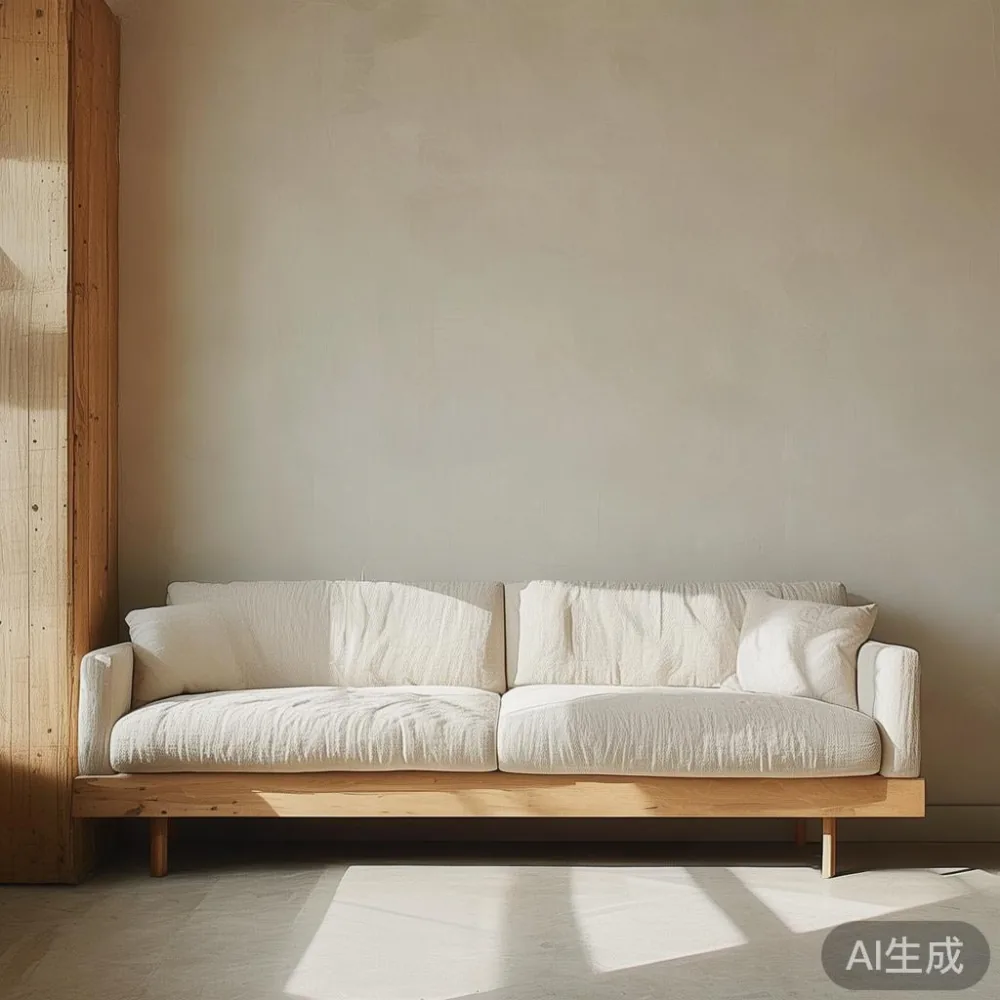
This guide covers lacquered furniture in Singapore HDB flats and private condos, including practical routines for households in Tampines, Bedok, and Punggol. It also considers narrow lift doors, compact corridors, condensation near windows, and the need to move solid wood pieces without damaging doors, walls, or lacquered edges.
Why does lacquer need special care in Singapore?
Singapore’s climate commonly brings daytime temperatures near 32°C, relative humidity above 75%, and short, intense downpours. A lacquered wardrobe near a bedroom window may also encounter condensation when an air-conditioned room meets warm outdoor air. Furniture does not need to be treated as fragile, but its finish should be protected from standing moisture and abrupt temperature changes.
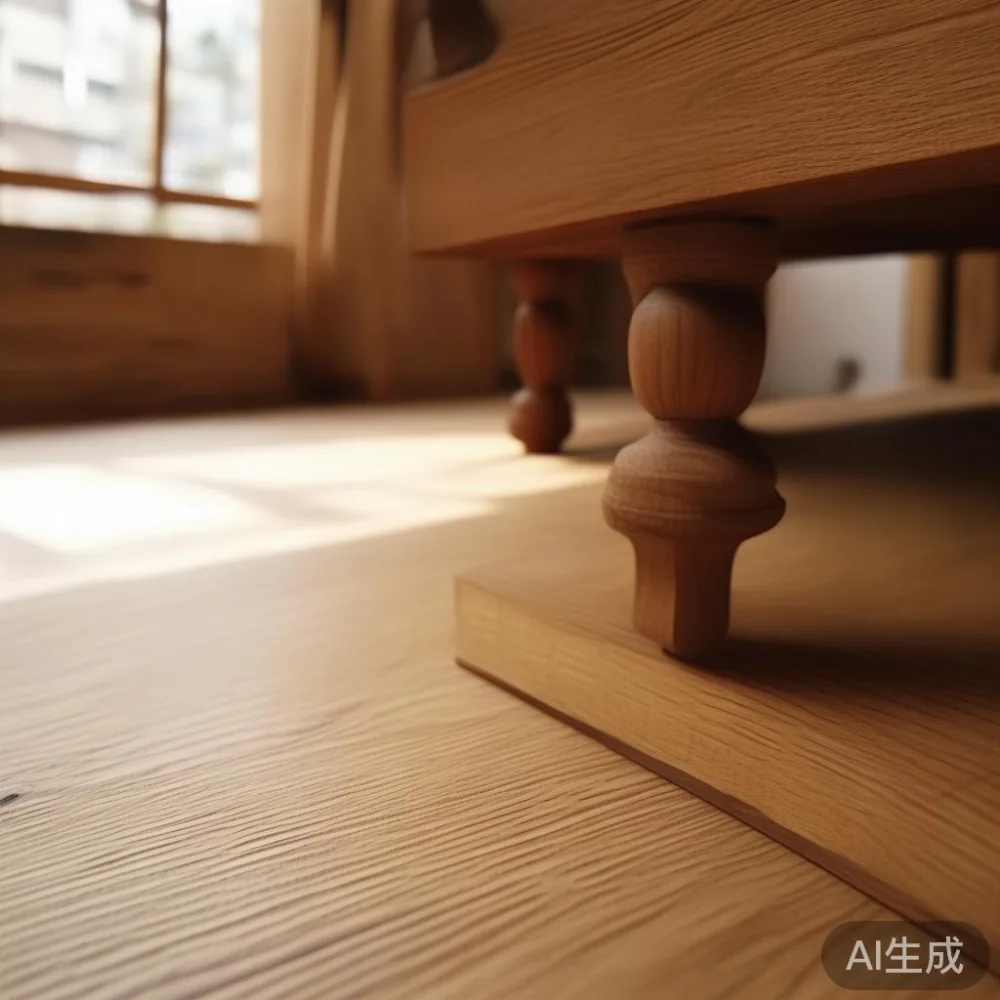
Wood responds to humidity by expanding and contracting across its grain. Lacquer reduces that movement, yet it remains sensitive to prolonged dampness. Water can also leave a whitish bloom known as “blushing” on some finishes. Direct ultraviolet exposure may fade pigments, while gritty coastal air can settle on surfaces and cause micro-scratches when rubbed.
The aim is not perfection. It is a stable routine: wipe spills quickly, use mild products, keep furniture out of direct rain, and check the finish every 3 months. For a dining table, daily care takes about 5 minutes. A wardrobe may need 10 minutes at the same interval, plus an immediate response to splashes.
MIDHILL builds lacquered pieces to an understated French light luxury standard, combining pale solid wood tones with clean profiles that suit japandi style interiors. Its 10-year structural warranty covers the frame and construction, while a lifetime refinishing service addresses surface wear over the years. That long-term support is useful in a home where a dining table may be moved between rooms or a bed frame may pass through more than one tenancy.
How should I clean a lacquered surface?
Begin with a soft, lint-free microfibre cloth. For routine cleaning, use 1 bucket of lukewarm water with about 1 teaspoon of mild dish soap, diluted properly and tested on a hidden underside. Wring the cloth until it is damp, not dripping. Then wipe in the direction of the grain and finish with a clean dry cloth.
Do not leave soapy water pooling in joints, around handles, or along the edge of a marble table that shares a lacquered base. A marble top can tolerate a damp cloth more readily than lacquer, but the transition between materials still deserves attention. If the marble has a protective seal, follow its care instructions.
For weekly care, dilute 30 ml of white vinegar in 1 litre of water only if the finish manufacturer allows an acidic cleaner. Test 1 small area measuring roughly 10 cm × 10 cm for 24 hours. If the lacquer dulls, skip vinegar and use plain water. Avoid silicone-based furniture polish, ammonia, acetone, alcohol, bleach, abrasive powder, and household degreasers. These products may strip the topcoat or leave a sticky residue.
Spills deserve immediate action. Ring a water glass, wipe it within 2 minutes, and dry the area. For oil, blot with a dry paper towel rather than spreading it. For a larger spill, use a lightly damp cloth and check the finish under angled daylight the following morning. Do not use a heat gun, hair dryer, or abrasive eraser; temperatures above 40°C can soften lacquer, while eraser grains can scratch it.
What humidity level should I keep in a HDB flat or condo?
A relative humidity reading between 45% and 60% is a sensible target for wood and lacquer. In Singapore, that may mean running the air conditioner for 1 to 2 hours before checking a wardrobe against an exterior wall, or using a dehumidifier in a persistently damp bedroom. Avoid placing a lacquered nightstand directly against an air-conditioning outlet, where repeated cold-air blasts may create condensation.
Leave about 5 cm between the back of a wardrobe and a wall when space allows. This improves inspection and cleaning, but in a compact HDB bedroom, good airflow matters more than a perfectly even gap. Use a hygrometer placed at drawer height, not on the floor, and record readings at 8 am and 8 pm for 7 days. If readings remain above 70%, improve ventilation and check for water leaks near window frames, bathroom pipes, or balcony doors.
Do not react to a single rainy afternoon by over-drying the room. Sustained extreme dryness can cause timber movement and may open small gaps in a solid wood bed frame or dining table. A gentle, consistent environment is preferable to rapid swings. In a Punggol flat close to open fields, direct afternoon sun can raise a room’s surface temperature considerably, so curtains or UV-filtering blinds offer useful protection.
For wardrobes, inspect the top and bottom edges twice a year. Look for lifting lacquer, brownish moisture marks, or doors that no longer align within 3 mm. Small alignment changes are not automatically a structural failure, but they can indicate environmental stress or a part that needs adjustment.
How do scratches, dents, and dull patches get treated?
First determine whether the mark is in the lacquer or in the exposed wood. A shallow surface mark on lacquer may respond to a lacquer repair pencil matched to the colour. Test it beneath the table or inside a nightstand drawer. Apply the smallest amount with a cotton swab, allow 15 minutes to settle, and buff gently with a clean microfibre cloth.
For deeper scratches, resist the urge to sand aggressively. A 1200-grit wet sanding method exists for experienced refinishers, but it can remove too much clear coat and should not be attempted without testing on a hidden panel. Deep gouges, lifted edges, and cracks are repair-shop work.
Dents in lacquer can sometimes be reduced by controlled low heat and pressure, but this approach varies by coating and is risky on dark finishes. For a solid wood sofa or bed frame, the safer route is professional assessment. If the damage is caused by a moving day, document it with 3 photographs, including one with a 10 cm ruler for scale.
Cloudiness often means moisture has entered the coating. Dry the surface with airflow rather than heat, then inspect after 48 hours. If it remains, a refinisher may need to relevel and re-lacquer the panel. White haze that wipes away is usually residue; haze that remains is more likely finish damage.
MIDHILL’s lifetime refinishing service can help eligible pieces return to a coherent finish after years of use. Refinishing colour is never guaranteed to match a faded panel exactly, so request a sample and compare it in daylight before the final coating is applied.
Can I move a lacquered wardrobe or bed frame without damaging it?
Measure before moving anything. For a condominium, record the lift door width and height, the internal lift dimensions, turning radius, corridor width, and the distance from the lift lobby to the bedroom door. Allow 3 cm to 5 cm of clearance beyond the largest furniture dimension. HDB blocks vary by age, so obtain the actual lift measurements rather than relying on a floor-plan image.
Protect the route first. Cover a Bedok or Tampines corridor floor with rigid board at least 3 mm thick, secured with tape that will not mar the finish. Wrap corners with 2 cm foam and use 10 cm-wide corner guards on lacquered edges. A bed frame may weigh 45 kg to 90 kg depending on its size and timber section, so assign 2 to 3 people and use lifting straps rated above the load.
Remove wardrobe doors and drawers where the hardware allows. Note their positions with masking tape and 1 photograph. Lift rather than drag a wardrobe base, and never use the doors or handles as grips. A solid wood sofa should be carried by its frame or protected lower rails, not by loose cushions. Moving it in humid weather requires a plan for towel spills and sudden rain.
Freight and delivery may be charged in SGD, and GST applies to most Singapore purchases. MIDHILL offers free shipping on orders above US$350, with the Singapore equivalent confirmed at checkout. Typical made-to-order delivery takes 30 to 60 days after drawing approval; express stock options may take 7 to 14 days depending on the piece and destination.
A 10-year structural warranty does not make every accidental scratch free. Check the care instructions at purchase, use felt pads beneath items, and photograph the lacquer before handover. That 10-minute record protects both the customer and the maker if damage occurs during a later move.
What should I know before buying a lacquered piece for the tropics?
Ask the supplier which lacquer system was used, how many coats were applied, and whether the finish is water-, heat-, or solvent-resistant. “Lacquered” can describe different materials, so written care instructions matter more than a broad finish label. A sealed, cured finish is generally easier to maintain, but it still needs sensible care.
For a japandi style home, a pale finish shows dust, fingerprints, and water marks readily. Medium and deeper tones disguise minor wear, while a matte surface can appear cloudy when handled. Choose a finish that suits your actual routine rather than one selected only from a showroom photograph. Request a finish sample and keep it near the intended position for 30 days.
When comparing a light luxury bed vs Modern bed, assess the frame construction, finish, ventilation, and after-sales support together. A platform bed may sit low to the floor and show floor moisture; a raised frame with a 12 cm to 15 cm clearance is easier to inspect. Mid-century modern for bedroom design remains compatible with japandi style when the timber is warm, the forms are restrained, and the visual clutter is controlled.
For storage, the best Italian light luxury wardrobe for 2026 should be considered for ventilation, interior fittings, and serviceability as well as appearance. An Italian light luxury dining table may use a marble top, a solid wood base, and a lacquered edge, requiring care around the junction of stone and coating. When researching under 2000 Vintage furniture, condition reports and restoration costs are more useful than a date alone.
At MIDHILL, each piece should fit both the room and the way it will be maintained. Singapore’s humid conditions do not rule out lacquered furniture; they simply make a clear care routine and responsible product information more valuable.
What is a practical lacquer-care routine for Singapore homes?
A workable schedule is easier to maintain than a complicated one. Wipe a lacquered dining table after dinner each day, using a clean damp cloth for crumbs and a dry cloth for the final pass. Deep-clean it every 2 weeks with diluted mild soap. Check the finish every 3 months under daylight, paying attention to edges near sinks, balcony doors, and air-conditioning vents.
For a wardrobe, clean the exterior monthly and inspect the interior twice a year. Empty drawers and shelves when checking for dampness. A nightstand should be dusted weekly, particularly if it holds a humidifier or beverage cups. For a marble table, blot spills immediately and use coasters or mats that do not trap moisture beneath them.
Keep cleaning products in a separate labelled container. The label should state the dilution and date prepared, with a maximum storage period of 1 month. Never transfer furniture cleaner to a drink bottle. Keep cloths separate from kitchen cloths to avoid oily residues being applied to lacquer.
Follow 4 simple rules: dry standing water within 2 minutes, avoid direct sun for long periods, maintain 45% to 60% relative humidity where possible, and document damage before repairs. For a solid wood sofa, bed frame, dining table, wardrobe, nightstand, or marble table, those rules preserve the surface while keeping the piece usable.
Good care also protects resale value and visual calm. A lightly marked lacquered surface can often be refreshed; a water-damaged or over-sanded finish cannot. In Singapore’s demanding indoor environment, prevention saves time, money measured in SGD, and the pleasure of living with well-made furniture.