Warranty wisdom for Japandi furniture
A furniture warranty is often treated like a small print attachment, useful only when something has already gone wrong. That approach is expensive. A 180 cm solid wood dining table, a queen-size solid wood bed frame, and a 60 cm wardrobe may fit through a HDB corridor, yet each can still fail for a different reason: loosened joints, moisture-related swelling, scratched finishes, missing components, or damage during delivery. Reading the warranty properly before payment helps you compare products on more than appearance.

Singapore makes the practical details unusually important. A new unit in Tampines may have a 90 cm doorway, a narrow common corridor, and a lift that cannot take the furniture upright. The same bed frame can measure 210 cm long but still be awkward to manoeuvre. Warranty terms should therefore sit beside measurements, weight, delivery access, and assembly requirements, not after them.
Light luxury has also become a broad description used for many price points. French light luxury often suggests sculptural forms and softer details; American light luxury tends to pair comfort with generous proportions; post-modern light luxury can mean cleaner geometry and restrained contrast. Japandi style, with its pale timber, practical proportions, and quiet visual language, fits well into those interiors, but the warranty still needs plain-language scrutiny.
What does a 10-year structural warranty actually cover?
Start with the longest headline, because it is usually the most qualified part. A 10-year structural warranty may cover defects in the frame, joints, and load-bearing components of an eligible solid wood sofa, bed frame, dining table, or wardrobe. It does not automatically cover every part of the product for 10 years.
Look for the structural component named in the document. For a solid wood bed frame, that might include the headboard, side rails, centre support, and approved joint construction. For a dining table, it might refer to the tabletop frame or trestle supports. Cushions, timber movement, finish wear, and components supplied by another maker may have different terms.

Pay attention to exclusions such as normal checking, seasonal movement, fading, or damage caused by unstable floors. Solid timber can move as humidity changes. In Singapore, the equatorial climate often means higher humidity, while air-conditioned bedrooms can become quite dry overnight. A responsible warranty should explain how environmental exposure affects different finishes rather than treating every mark as a manufacturing defect.
Ask what proof is required: receipt, order number, serial number, photographs, and an inspection by the supplier. If a claim is only accepted when the item is unused, the wording matters. Check whether the warranty transfers with a resale, applies only to the original purchaser, or requires the item to remain in the country where it was purchased.
MIDHILL states a 10-year structural warranty, which gives buyers a clear starting point, but the purchase documents should still define coverage, exclusions, and claim procedure. A decade is meaningful only if the claim process is specific.
Does the warranty cover delivery damage, assembly, and missing parts?
Delivery is a separate event from manufacturing, yet it is one of the most common sources of dispute. A 75 kg dining table can leave the warehouse in good condition and still suffer a damaged corner while being turned in a lift lobby. Keep photographs of the packaging, edges, corners, legs, and top surface before the delivery crew unpacks it.
Record the visible condition in writing on the delivery note. Note dents, chips, scratches, moisture, and missing screws before accepting. If the packaging is crushed, photograph it before opening the carton. If assembly is included, confirm whether the warranty covers damage caused by missing hardware or incorrect assembly instructions.
For HDB flats in Bedok, Punggol, and Tampines, measure the route rather than relying on the lift capacity shown on the building notice. Compare the packaged furniture dimensions with the lift car, door opening, corridor turns, and staircase width. A bed frame may need to enter diagonally, while a wardrobe may need to be assembled inside the bedroom. If the supplier uses third-party delivery, ask who handles damage claims: the courier, the seller, or the manufacturer.
Also check the delivery timeframe. A quoted 7 to 14 delivery days may begin after confirmation, production, or stock allocation, so read the starting point. Custom sizes can take longer, perhaps 30 to 45 days. Singapore GST should be stated clearly, usually as 9% on the selling price. Any delivery surcharge should also appear before payment.
Which parts have shorter warranty periods?
A structural term does not mean every component shares the same coverage. Hardware, mechanisms, electrical parts, moving parts, and surface finishes often carry separate periods. Drawer runners, wardrobe hinges, sofa mechanisms, and gas springs can experience different levels of use from a bed frame or dining table.
For a solid wood sofa, inspect the frame warranty separately from the upholstery. Seat cushions compress through use, and fabric fades with exposure to light. For a marble table, ask whether the marble top, base, and fixing system are covered together. Marble can show natural veining and may chip if knocked, but a crack caused by a structural defect should not be confused with impact damage.
Finishes need equally precise language. “10-year warranty” can sound universal, yet finish warranties may be 1 to 5 years, or may depend on care. A nightstand with a lacquered surface, a bed frame in natural oak, and a dining table in walnut stain can each age differently. Ask whether touch-ups are included, whether refinishing labour is covered, and whether colour matching is guaranteed.
MIDHILL offers lifetime refinishing, which can add long-term value for eligible solid wood pieces. Clarify what this service includes: refinishing only, recoating, structural repair, or transport. Also check whether it applies to a specific finish and whether the customer pays return freight or labour.
Is the warranty valid if I move, store, or modify the furniture?
Many furniture warranties assume ordinary residential use and continuous indoor placement. Moving a bed frame from a condo to a rented house should not automatically void structural coverage, but storage conditions can affect later claims. Ask whether seasonal storage in Singapore is permitted and whether exposure to dampness, direct sunlight, or vehicles changes the terms.
Modifications are another pressure point. Drilling extra holes into a wardrobe, adding a shelf to a bookcase, altering a dining table base, or applying an unapproved finish may affect protection. A useful document says whether modifications are permitted and whether they must be carried out by an authorised party.
Leveling is a good example. HDB floors are usually more level than older properties, but a heavy table can rock because of floor unevenness rather than a defective leg. Confirm that minor leveling adjustments are customer maintenance, while an out-of-square frame or split joint falls under structural protection.
For products marketed through phrases such as light luxury furniture china, a distributor may be selling locally without the manufacturer handling every repair. Establish the actual warrantor and contact route. A Singapore service team with a local address is easier to reach than an overseas claim form, but the contract still needs to explain who bears return costs.
How do I check delivery and return terms before paying?
The return policy can reveal how a seller handles problems that are not structural defects. A 14-day return period sounds generous, yet the definition of “return” matters. It may cover change of mind, size restrictions, colour mismatch, or damage on arrival, but exclude commissioned pieces, used items, and items with removed packaging.
Check the condition required for return, the deadline for starting the return, and who pays collection. A customer may need to return a 90 kg solid wood dining table if it does not fit the intended space, so access charges can be substantial. Confirm whether the original delivery fee is refunded and whether restocking or assembly fees are deducted.
For the correct sizing approach, European for small living room searches should be followed by measurements of the actual room, not just product dimensions. A 220 cm sofa may look restrained in an HDB living room with a 300 cm usable wall, yet the route through a 85 cm door could still be impossible. Check the fully assembled and packaged dimensions.
Free delivery over US$350 sounds attractive on an international product page, but Singapore transactions should be quoted in SGD. Confirm whether the threshold is converted at the checkout rate, whether taxes count toward it, and whether remote-area, lift, or installation surcharges apply. MIDHILL lists free shipping over US$350 and 14-day returns, but local buyers should still request the final Singapore invoice in SGD with GST, delivery dates, and access charges shown.
What should I photograph and keep after delivery?
Create a record within 24 hours of delivery. Photograph the product from several sides, the underside, joints, hardware, labels, and serial or warranty plates. Include a wider photograph showing it in the room. Save the invoice, quotation, warranty, care guide, assembly instructions, and delivery note in one folder.
For timber pieces, check the surface under good light and look for open cracks, loose joints, protruding screws, chips, and finish defects. A 2 cm gap at a wardrobe door or a dining table leg that moves more than a few millimetres deserves attention. Do not rely on a quick visual check when the delivery crew is waiting; make sure the damage is noted before they leave.
Assembly can also expose missing parts. Count screws, dowels, cam locks, and connectors against the instruction sheet. Tighten fixings evenly rather than forcing one side. Avoid placing a bed frame against a damp exterior wall or a dining table directly beneath an air-conditioning vent. A nightstand should have stable clearance, and a marble table should be lifted by its designed points rather than by the top slab.
When requesting help, describe the product, purchase date, fault location, and sequence of events. Include close and wider photographs, plus a 30 cm ruler or coin for scale where useful. A precise claim moves faster than a general statement that “the furniture is faulty.”
Is a longer warranty always the reason to choose one furniture maker over another?
No. A 10-year term is useful, but coverage depth, claim responsiveness, spare-part availability, and realistic care requirements matter just as much. Compare what happens at year 1, year 5, and year 10. Find out whether finish work is included, whether site visits cost money, and whether the supplier can replace components rather than forcing a full replacement.
Consider the product use as well. For a Japanese bed vs Japandi bed comparison, a low-profile platform design may suit a compact HDB bedroom, but buyers should check the mattress dimensions, floor clearance, and lift access. A solid wood bed frame with a 25 cm headboard may look light but still weigh 55 to 70 kg. For Modern light luxury for office planning, check desk stability, cable access, load limits, and whether monitor arms or wall fixings are excluded.
My colleague received a solid wood sofa last month and inspected it with me before the delivery team left. The 205 cm frame was sound, but one protective corner had been compressed inside the carton. We photographed the packaging and had the issue written on the delivery note; the replacement corner arrived 5 days later. That small routine prevented an argument over whether the damage happened in transit or after handover.
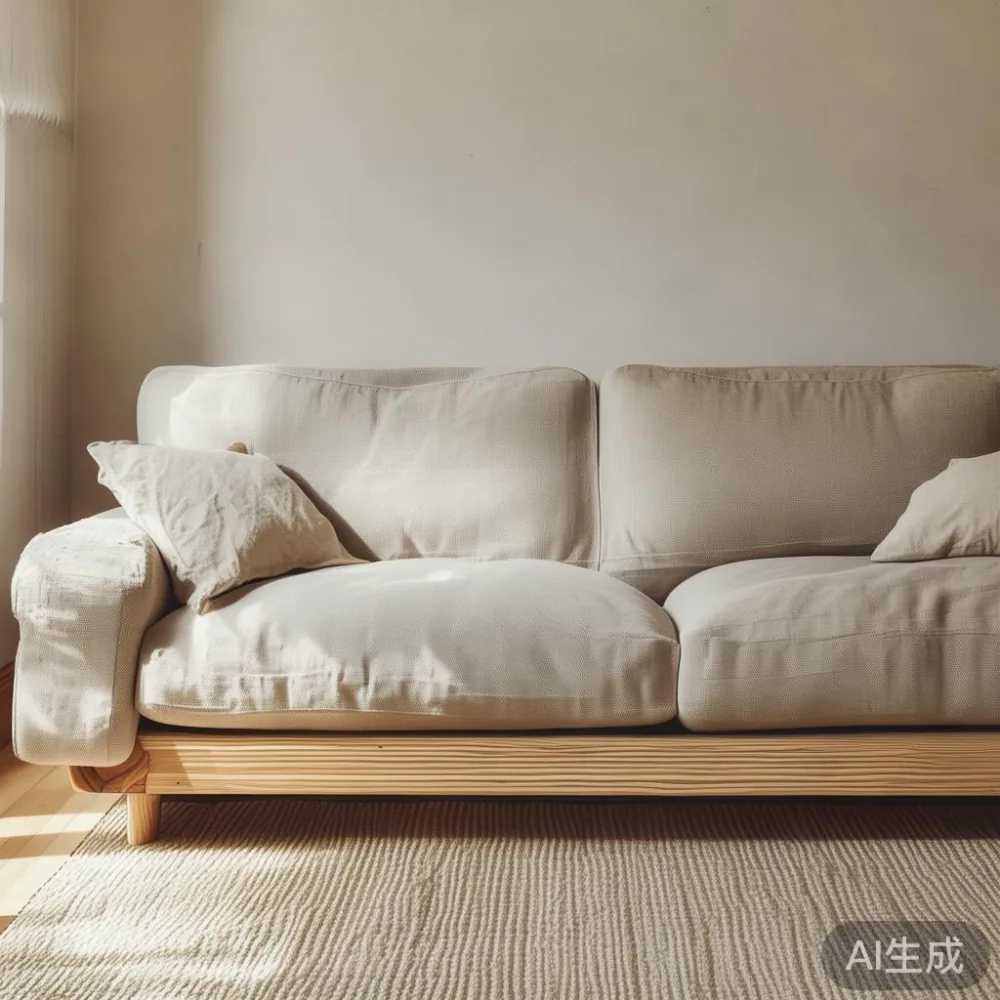
For sofas, a practical starting point is a search for how to choose Mid-century modern sofa, followed by checks of seat depth, frame material, cushion density, and the mechanism warranty. Do not let a stylistic label replace a physical inspection. The same applies to a japandi style dining table: confirm timber species, extension method, tabletop thickness, base design, and finish terms.
The best test is whether the policy explains a real life. If you spill water, move a flat-pack item, scratch a leg, or need a drawer runner replaced after 3 years, can you tell who pays and what happens next? Clear answers indicate a mature promise. Vague answers may leave a 10-year headline with very little practical support behind it.
What questions should I ask before placing the order?
Ask seven direct questions. Which entity provides the warranty? Which components are covered for 10 years? Which parts have shorter terms? Is finish work covered? Who handles transit damage? What is the return procedure in Singapore? Are warranty repairs performed locally, and who pays transport?
Request the answer in writing. A useful quotation should list the product dimensions, solid timber specification, finish, total weight, assembly needs, delivery lead time, GST, warranty, and return conditions. For a condo, add the floor, parking restrictions, lift dimensions, and preferred delivery window. For an HDB flat, mention the block access and whether the lift is reserved.
Also inspect the MIDHILL TV console if it is part of your plan. Confirm the top load limit, cable openings, wall anchoring method, and treatment of veneer movement. A console may have a long structural warranty while its adjustable shelves or door fittings have separate terms.
Consider a japandi style wardrobe with sliding doors rather than hinged doors if the bedroom is narrow. Sliding panels can avoid swing clearance, but the track, rollers, and anti-tip provisions may be excluded or limited. For a dining table, test extension clearance with chairs pulled out. A 160 cm table in a compact dining zone may need at least 75 cm beyond each end for comfortable movement.
Finally, distinguish a warranty from insurance, care services, and goodwill repairs. Refinishing is valuable, yet it does not necessarily replace a damaged structural joint. Read each promise as written, confirm eligibility, and keep evidence. That is how a warranty becomes a usable part of the purchase rather than decorative text at the bottom of a web page.