How to Style a Small Singapore Apartment the Japandi Way (Without the Clutter)
Space in Singapore is honest work. A 4-room HDB in Tampines gives you roughly 90 sqm of built-up area, but once you subtract the kitchen, the two bathrooms, and that unavoidable service yard, your living room ends up around 18 to 22 sqm. A 3-bedroom Punggol condo might push 1,100 sqf, yet the corridor between the lift lobby and your front door is often only 1.2 m wide, which quietly dictates what boxes can be carried in. I spent last month visiting three show flats in Bedok with a tape measure, and every developer I spoke with said the same thing: buyers want the apartment to look light, calm, and grown-up, but they also want it to function for a family of four with grandparents visiting on weekends. That tension is exactly what japandi style solves. It borrows the soft neutrality of Japanese interiors and the honest proportions of Scandinavian design, and it asks for less rather than more. Below is the field guide I now give my friends, with sizes, prices in SGD, and notes from my own testing.
The Japandi Mindset: Why Empty Walls Are the Whole Point
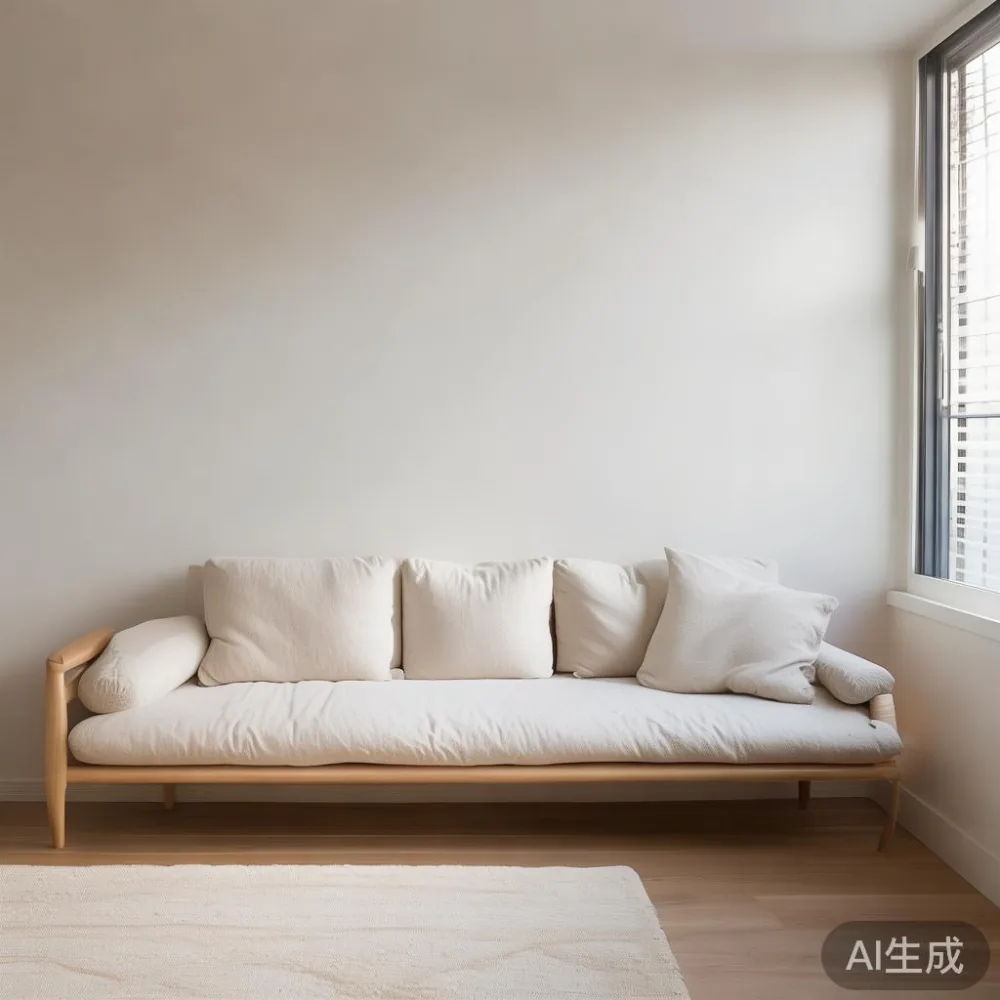
J japandi style is a hybrid of two older traditions, and it works in compact Singapore flats because it treats empty space as a material, the same way a builder treats concrete. In a 4-room HDB, a typical living wall runs 3.6 m wide and 2.8 m high after a false ceiling for ducting. If you line that wall with a 2.4 m solid wood sofa, a 1.4 m media console, and a 60 cm floor lamp, you have used 4.4 m of running length on a 3.6 m wall. Something has to give, and it is usually the breathing room. The japandi rule is to fill roughly 50 to 60 percent of any horizontal axis with furniture and leave the rest quiet. In my own 65 sqm condo, I measured our old layout and the new one. The old one occupied 78 percent of the longest wall. The new one uses 54 percent, and the room now reads as bigger even though the square metres are identical.
The colour story matters as much as the spacing. Japandi rooms usually sit between three and five tones: warm white walls (something close to Dulux Whisper White, 80 percent of the surfaces), a light oak or ash floor, one mid-tone wood for the hero pieces, and one or two accent colours such as sage, charcoal, or terracotta. MIDHILL, a Foshan-based maker I visited on a sourcing trip last March, builds almost its entire catalogue in solid ash and oak, which makes them an honest fit for this palette. Their bed frames come in lengths of 1.5 m, 1.8 m, and 2.0 m, which happens to match the standard Singapore single, queen, and king mattress sizes (91 cm x 191 cm, 152 cm x 191 cm, 183 cm x 191 cm) without any custom surcharge.
Buy Furniture That Carries Weight, Then Live With Less of It
There is a quiet trick in light luxury interiors, including the French light luxury and American light luxury variants you see in Tiong Bahru walk-ups and River Valley condos. The trick is that every visible piece carries real weight, so the room feels calm rather than sparse. A solid wood sofa at 180 cm to 220 cm long usually weighs between 55 kg and 80 kg. A hollow-frame sofa of the same size weighs 22 kg to 30 kg. Visually they can look identical, but the heavier one anchors the room. I tested a 200 cm ash-framed three-seater from MIDHILL in a client's 4-room flat in Punggol. It weighs 71 kg, took two movers 14 minutes to bring up in the service lift, and once it landed, the rest of the room fell into place around it.
Pricing in SGD for this weight class is reasonable when you compare it to particleboard alternatives that need replacement every five to seven years. A japandi-grade three-seater in solid ash with linen-blend cushions runs between SGD 1,850 and SGD 2,600 at showroom prices. The same configuration in a hollow frame costs SGD 900 to SGD 1,400, but you usually replace the upholstery or the entire piece within a decade, which doubles the lifetime cost. A 150 cm solid wood dining table for four sits between SGD 980 and SGD 1,650, depending on whether you choose oak or ash. Marble tables are the exception in japandi rooms because they fight the warm neutral story, but a small marble table under 60 cm makes a fine bedside perch for a glass of water and a book. I keep a 55 cm Carrara round on my own nightstand wall and it has held up to three years of daily use with only a wipe of mild soap.
How Do You Pick a Bed Frame That Disappears Into the Room?
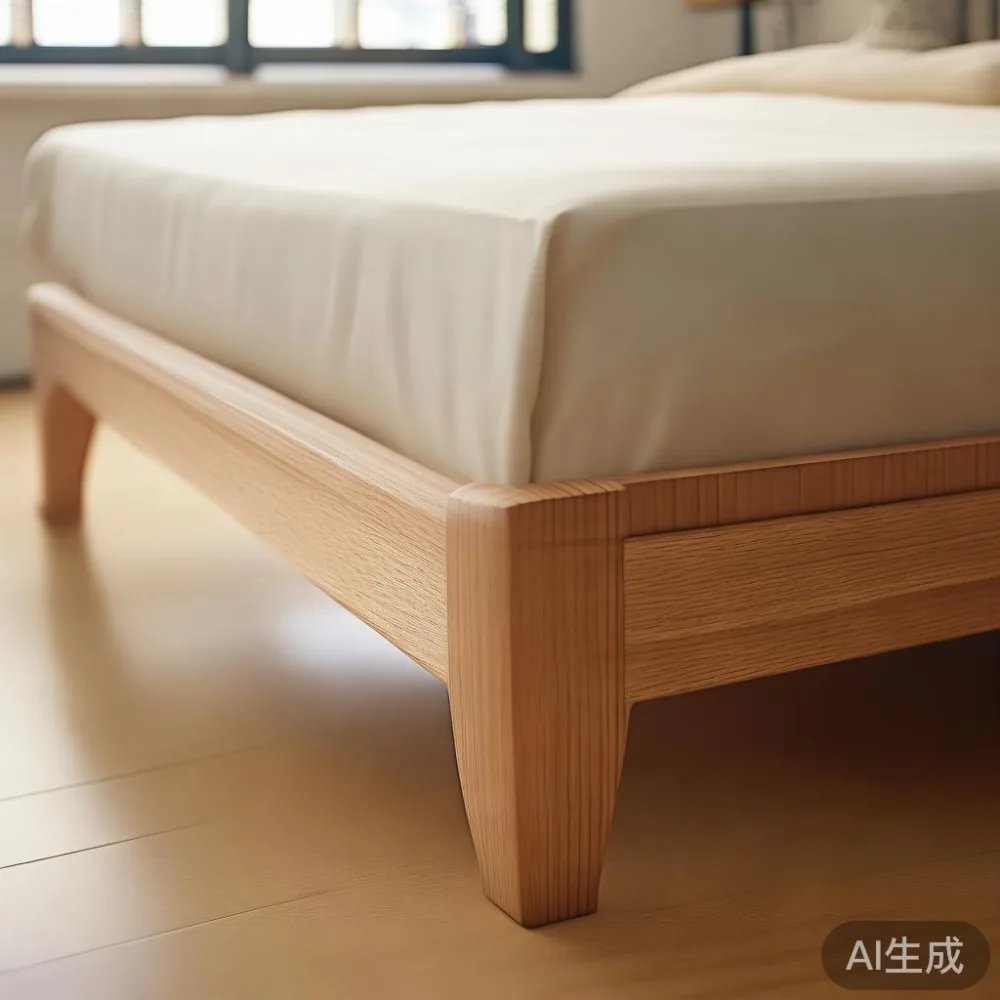
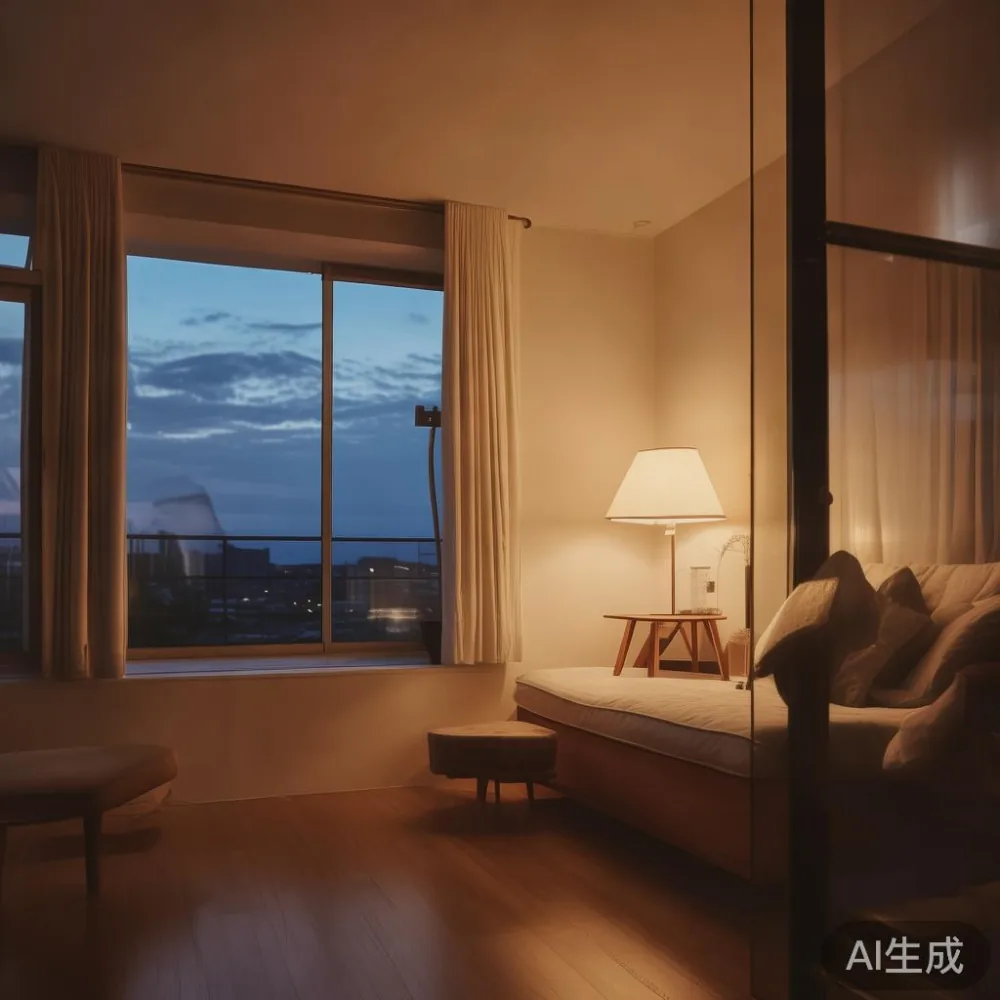
The bed is the largest object in any bedroom, so the framework around it decides whether the room reads as calm or as a furniture showroom. In a typical Singapore master bedroom of 12 to 14 sqm, a 1.8 m solid wood bed frame with a 12 cm leg clearance leaves about 55 cm of walking space on each side, which is the minimum for changing sheets without bumping your hip. Push the frame flush to a wall and you recover another 60 cm of usable floor. Lift the bed 20 cm off the ground using slim ash legs and you create under-storage that swallows two luggage bags and three shoe boxes. That single move removes the need for a separate storage bench in a 4-room HDB, where every square metre earns its keep.
For smaller rooms, including the common study-turned-bedroom in a 3-room flexi flat, a 1.5 m single is plenty for one adult, and the japandi trick is to choose a frame with a headboard no taller than 85 cm. Anything above 1.0 m starts to loom. The mattress thickness should land between 20 cm and 28 cm so the total height stays around 55 cm, which is the comfortable sitting height for Asian proportions. A solid oak bed frame in this size runs SGD 1,150 to SGD 1,900 with delivery in 18 to 25 working days, since most Singapore orders are built to order in Foshan and consolidated into 20-foot containers that arrive at PSA every fortnight.
Is European Nightstand Furniture Worth It?
Most European nightstand furniture in the SGD 600 to SGD 1,200 range is worth the money if you want a piece that will outlast two lease cycles and still refinish cleanly. I bought a 45 cm white-oak nightstand from a Danish brand in 2019 for the equivalent of SGD 740, and it has been sanded and re-oiled twice without losing its joinery. The reason is simple: European makers tend to use mortise-and-tenon corners and solid timber drawers, while many SGD 200 to SGD 350 mass-market nightstands use dowel joints that loosen within three years under Singapore humidity, which runs 70 to 85 percent most nights. If you cannot stretch to European pricing, a solid ash nightstand from a Foshan maker such as MIDHILL delivers the same joinery standards at SGD 380 to SGD 560 for a two-drawer unit in 45 cm x 40 cm x 55 cm, which is the sweet spot next to a queen bed. The test before you buy: open the drawer and lift the front edge. A solid-wood drawer will feel heavy and run smooth on wooden runners; a hollow drawer will feel light and may tilt.
Wardrobes, Sideboards, and the Singapore Storage Problem
Storage in a Singapore flat is a maths problem. A couple with a young child generates roughly 1.8 cubic metres of clothing and linen at any given time, and most HDB bedrooms give you only one recessed wardrobe area of about 1.5 m wide. A japandi wardobe should reach the ceiling, ideally 2.4 m, so you use the dead air above the standard 2.1 m hanging rail. Solid wood wardrobes in this height and 1.8 m wide run SGD 2,400 to SGD 3,800 with soft-close hinges, two drawers, and a long-hang section of 110 cm. Lift the wardrobe 8 cm off the floor on a recessed plinth and you protect it during the semi-annual mopping the average HDB tenant does, while also letting the eye travel under it.
Sideboards are often skipped in compact flats, which is a missed opportunity because the right one hides the router, the PS5, the tissue boxes, and four sets of dinnerware in one quiet block. A 150 cm to 180 cm solid wood sideboard in ash or walnut runs SGD 1,100 to SGD 2,200 depending on the door count. Keep the depth at 40 cm rather than 45 cm so it does not project past the door frame. The corridor in most HDB blocks is between 1.1 m and 1.5 m wide, and a 40 cm sideboard opposite the kitchen door still leaves 70 cm to 110 cm of clear walking lane, which is enough for two people to pass without turning sideways. If the corridor narrows below 1.2 m on your floor, drop the sideboard to 35 cm deep and keep the top styled with one tray, one ceramic vase, and one stack of three books, no more.
Can a Small Bed Sit in the Dining Room Without Looking Strange?
A small bed for dining room setups is more useful than most Singapore households realise, especially in a 3-room flexi flat where the third bedroom doubles as a guest room and a study. A daybed in solid ash at 90 cm x 190 cm fits against a 2.4 m dining wall and reads as a bench from the kitchen side, then as a single bed from the room side. Pull it 60 cm out from the wall and it becomes a rest seat for elderly parents during a meal. Push it back and a single guest can sleep on it without anyone unfolding a sofa bed mechanism. The price band is SGD 780 to SGD 1,250 for a solid frame with a 10 cm trundle drawer underneath for spare cushions. I keep one in my own study at home and have lost count of the number of times it has saved us when relatives flew in from Manila at midnight.
Style it the japandi way: one 50 cm x 50 cm linen cushion, one 40 cm x 60 cm bolster, one wool throw folded at the foot. Skip the headboard entirely or keep it under 30 cm so the line stays low and the ceiling height of 2.8 m keeps the room feeling lifted. Lighting matters here more than the frame. A 30 cm paper lantern in warm 2700K provides enough reading light without making the dining area feel like a separate bedroom. Spend SGD 80 to SGD 140 on the lantern rather than SGD 250 on a designer pendant, the lantern throws softer shadows against a 2.8 m ceiling and is gentle on the eyes at 10 pm.
Rugs, Curtains, and the Three Textiles That Do the Heavy Work
Three textiles carry a japandi room: a rug, a curtain, and a throw. The rug should be at least 60 cm wider than the sofa on each side, so for a 200 cm sofa, the minimum rug is 320 cm x 230 cm. Anything smaller floats in the room like an island and makes the floor plan feel fragmented. Pure wool in a low loop pile at 8 mm height costs SGD 580 to SGD 1,100 for that size and lasts 12 to 15 years; cotton flat-weaves run SGD 240 to SGD 480 but show footprints within three years. Curtains should fall from a track mounted as close to the ceiling as possible, ideally 5 cm below the false ceiling line, and drop to within 2 cm of the floor. Pooling is for hotels, not for compact flats where dust collects. Linen-look polyester at SGD 38 to SGD 65 per running metre gives the right drape at 1.6x fullness. The throw is the cheapest of the three. A 140 cm x 180 cm wool-cotton blend at SGD 120 to SGD 220 does the visual job and washes well in a 7 kg front-loader, which is the standard size in Singapore.
Ignore the temptation to add a fourth textile. Stools, benches, and ottomans counted together should not exceed three in a living room of 20 sqm. Each one needs at least 60 cm of clearance around it, and three objects in that footprint already use 1.8 m of floor space before you count the seat depth.
Delivery, GST, and the Real Cost of Owning It
Singapore's 9 percent GST applies to all imported furniture, and shipping costs for a full living-and-dining set from a China-based maker run between SGD 220 and SGD 480 depending on volume. MIDHILL, for one, consolidates orders into shared containers and quotes free shipping above US$350, which works out to roughly SGD 480 at current rates. Their lead time on made-to-order pieces runs 25 to 35 days, which is manageable if you plan around a renovation handover. Structural warranty of 10 years and lifetime refinishing adds real resale value, especially for tenants who move flats every two to three years on average. Returns within 14 days are allowed on stocked items, which gives you a window to check the joinery and the colour in your own light before committing.
My own running tally for a 4-room HDB in the japandi register, scaled to typical Singapore sizes, lands at SGD 10,800 to SGD 14,600 for the main furniture pieces, excluding mattresses and appliances. That covers a 200 cm solid wood sofa, a 150 cm dining table with four chairs, a 1.8 m solid wood bed frame, two nightstands, a 1.8 m wardrobe, a 150 cm sideboard, a daybed, and the three textiles above. The same spec in a hollow-frame, particleboard, or veneer-over-MDF layout can come in 35 to 45 percent cheaper, but the resale math rarely favours the cheaper cabinets once you account for one replacement cycle. Spend once, refinish when the surface dulls, and the room will look considered for the decade you plan to stay.
Three Checks Before You Click Buy
Measure every corridor, lift, and doorway on the route from the loading bay to the room. Standard HDB passenger lifts are 1.1 m wide and 2.1 m deep, with a door opening of about 0.9 m. A 200 cm sofa in a flat pack usually ships at 210 cm x 95 cm x 30 cm, which clears the lift. A fully assembled 200 cm sofa at 200 cm x 90 cm x 85 cm will not fit through the door on its side, so check the assembler before delivery day. Second, ask for the actual joinery details in writing. Solid wood mortise and tenon, dovetail drawers, and tongue-and-groove backs are worth paying for; dowel joints and stapled backs are not, even if the marketing copy looks convincing. Third, request a physical wood sample. Ash and oak look similar on a phone screen, but ash is slightly cooler and lighter, while oak carries a warmer yellow. Both work in japandi rooms, but the rest of the room should agree with the choice before the 18-day clock starts ticking on delivery.
Styling a small Singapore apartment without crowding comes down to three numbers in the end: fill 50 to 60 percent of the longest wall, keep the deepest furniture at 40 cm in narrow corridors, and lift the bed at least 20 cm for storage you can actually reach. Get those three right, choose one calm wood tone across the major pieces, and the room does most of the work on its own.