How Southeast Asian Humidity Affects Solid Wood Furniture in Singapore Homes
Singapore’s warm, humid climate can change the dimensions, joints and surface of solid wood furniture, especially in HDB flats and condos where rooms depend on air-conditioning. In Tampines, a dining table near a west-facing window may experience greater daily moisture movement than a bed frame in a sheltered Punggol bedroom. The answer is not to fear wood in the tropics, but to understand how humidity works, select suitable species and finishes, and maintain a sensible indoor environment.
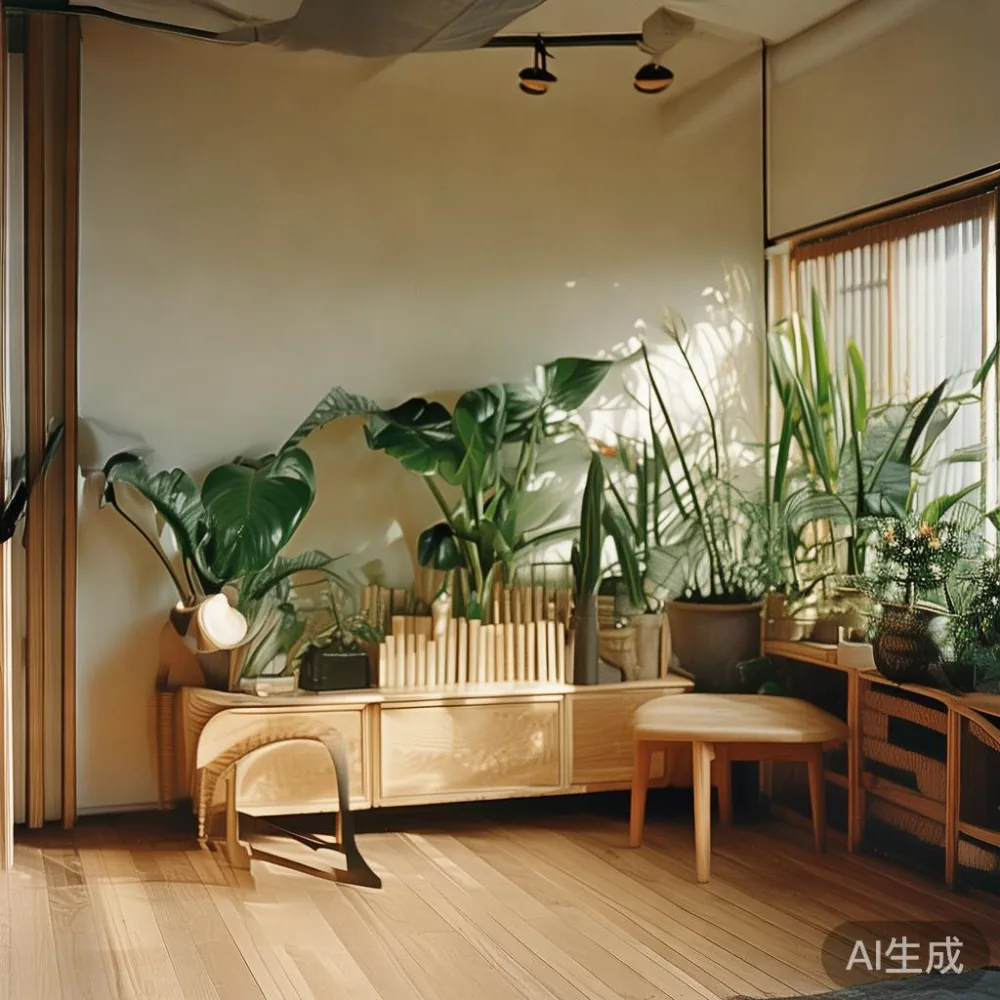
MIDHILL designs japandi style furniture for practical homes, combining Scandinavian restraint with Japanese simplicity. The same principles suit Singapore: slim silhouettes, warm natural timber, useful storage and durable construction for compact urban rooms.
Why does humidity make solid wood furniture move?
Wood is hygroscopic. It absorbs moisture when the surrounding air is humid and releases it when the air becomes drier. In Singapore, relative humidity commonly ranges from about 60% to 85%, while heavily air-conditioned bedrooms may fall below 55% at night. These fluctuations cause timber to swell across its grain and shrink along it.
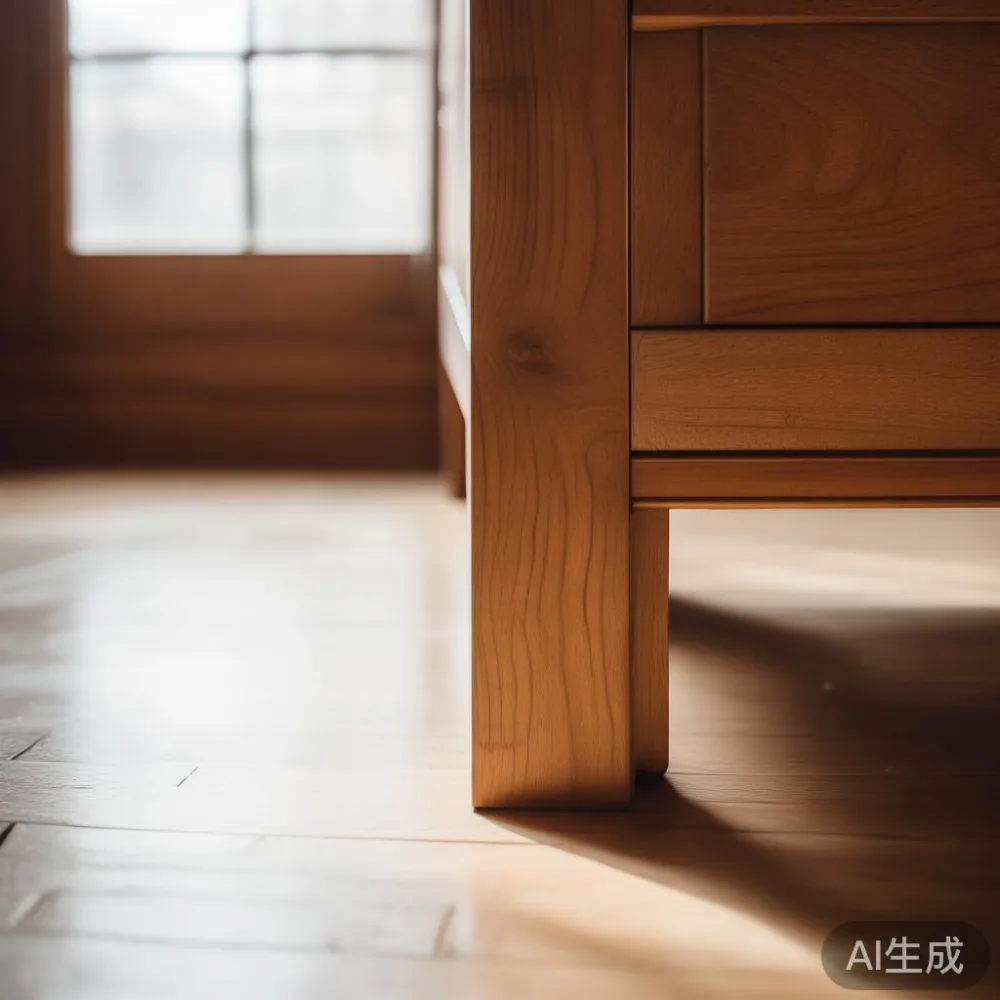
A solid oak dining table may gain roughly 1% to 2% moisture content across a wet season. If that change is uneven, a large top can cup by 2 mm to 4 mm, a small gap may open at a joint, and a sliding wooden door may begin to catch. Movement of less than 1 mm may be manageable; noticeable distortion deserves attention rather than immediate blame on the maker.
The risk increases when furniture receives direct afternoon sun while remaining exposed to outdoor humidity. A piece beside an unglazed balcony in Bedok can dry after sunset and absorb moisture again by morning. Singapore’s rainfall and condensation add to the cycle, particularly for wardrobe sides near external walls.
Solid wood is not the only material that responds to moisture. Engineered boards and veneer can also swell or delaminate, although solid timber generally tolerates repeated seasonal movement better when its construction allows expansion. The goal is controlled movement, not zero movement.
Which wood species are more suitable for Singapore?
Species differ in dimensional stability, hardness, colour and response to tropical conditions. Teak performs well because its naturally oily wood and dense structure resist moisture absorption, making it practical for dining tables and outdoor-adjacent furniture. Ash and beech are less weather-resistant and need consistent indoor humidity. Walnut and oak offer the familiar warmth of American light luxury and European light luxury interiors, but they still require sensible placement.
For a japandi style dining table, solid teak is a practical choice. For a solid wood sofa, the timber frame should be dry and stable, while cushions need breathable covers that can be removed. A hardwood bed frame can work well in an air-conditioned bedroom, provided it is not pressed against a cold wall where condensation forms.
Rather than assuming one species solves every humidity issue, ask suppliers for documented wood, moisture targets and finish details. A responsible factory should be able to explain kiln drying, finger-jointing, dowelled joints and finish layers. At MIDHILL, production standards matter because a 10-year structural warranty depends on how joints and frames are built.
How wide should a dining table be for HDB and condo homes?
Width is only one part of the fit. A rectangular table measuring 160 cm by 90 cm seats about 6 people and needs at least 90 cm of clear space behind each occupied chair. A round table with a 120 cm diameter seats 4 and often works better in a narrow dining zone because there is no corner to negotiate.
Before ordering, measure the lift door, landing and corridor turns. A 160 cm table top may fit inside a standard HDB lift diagonally but become difficult to turn through a tight corridor. The packaged table should be checked, not just the assembled dimensions. Allow for at least 10 cm of clearance between the table edge and a wall so chairs can be pulled back.
For homeowners comparing options, the question of a European sofa vs Nordic sofa involves proportion more than decorative style. A European sofa may have a deeper 95 cm to 100 cm seat and a substantial frame, while a Nordic sofa usually has a 70 cm to 80 cm depth and lighter visual presence. In a 3-room HDB living room, depth can determine whether the coffee table sits 40 cm away and circulation remains usable.
This comparison becomes useful when reviewing a European sofa vs Nordic sofa for a japandi style living room. French light luxury often introduces gentle curves and upholstered volume; post-modern light luxury may pair clean timber frames with sculptural details. In Singapore, keep at least 60 cm of clear walking space where a corridor feeds into the living area.
How should I control humidity inside a Singapore flat?
Aim for a reasonably stable indoor relative-humidity range of about 45% to 65%. That range is more useful than chasing a perfectly constant number. Air-conditioning often lowers humidity effectively, but direct vents should not blow continuously across a wardrobe, bed frame or solid wood dining table.
Place hygrometers in 2 or 3 locations: beside the wardrobe, near the dining area and in the bedroom. A simple meter reading within the recommended range costs around SGD 25 to SGD 60. A larger digital monitor with a data display may cost SGD 40 to SGD 120. Check readings at different times, particularly before sleeping and after the room has been closed during rain.
For HDB flats, improve airflow by leaving gaps behind freestanding wardrobes and avoiding furniture pressed against external walls. In a Punggol condo with wide glazing, use curtains during the hottest afternoon hours. In Bedok, wipe condensation from window frames promptly and keep air vents unobstructed. A dehumidifier may help in persistently damp rooms, but household humidity control should be combined with sensible furniture placement.
Humidity does not mean that coasters and protective mats are unnecessary. Coasters with a diameter of at least 8 cm help prevent rings from cold drinks. Felt pads under table legs reduce scratches, while a waterproof mat can protect a marble table from heat and spills. A marble table may provide an appealing focal point beside a solid wood dining table, yet its stone top and the timber furniture around it still need separate care.
Which finishes protect furniture from humidity?
Water-based finishes generally allow wood to remain responsive to moisture and are easier to repair locally. Oil finishes deepen the timber’s natural colour but may need periodic renewal. Film-forming lacquers offer a tougher barrier, although abrupt surface cracking can occur if moisture movement is substantial beneath the coating.
Ask whether the finish covers all faces, including undersides, end grain and the inside of drawer boxes. Sealed undersides slow moisture exchange, while untreated drawer runners may absorb humidity and become sticky. Drawers should slide without force; adding wax along the runners is often more effective than forcing them.
For daily cleaning, use a lightly damp cloth and wipe the surface dry within 2 minutes. Avoid soaking timber edges, steam cleaning and leaving windows open during a downpour. If a joint opens slightly, photograph it and contact the supplier before applying filler or glue. This protects the warranty process and helps identify the actual cause.
MIDHILL offers lifetime refinishing, which can be valuable in Singapore’s demanding environment. Refinishing restores the surface after scratches or colour changes, but it does not replace stable construction or humidity management. Oak, ash and other light woods may need refreshing after 5 to 8 years of regular use, depending on sunlight exposure and daily handling.
Can japandi style storage furniture work in a compact bedroom?
Yes, if storage is planned around the room’s movement zones. A wardrobe 180 cm wide may be practical along a bedroom wall, while a 150 cm model may suit a narrower HDB room. Leave at least 5 cm behind a freestanding unit for moisture control and maintenance, and confirm that the delivery route can accommodate the packaged carcass.
Built-in wardrobes can look calm and reduce visual clutter, but they need ventilation and accurate wall measurements. Freestanding units allow inspection of the back and permit relocation. For compact rooms, a nightstand measuring 40 cm to 50 cm wide is easier to reach than a 65 cm cabinet. Its drawer should open through about 35 cm without hitting the bed.
Storage is also central to mid-century modern with storage layouts, where a low cabinet combines closed compartments with open shelving. A 150 cm sideboard can organize dining items in a condominium while maintaining the light proportions associated with japandi style interiors.
When searching for sale European furniture, inspect the joinery at the handle ends, under the top and behind removable panels. Look for solid drawer boxes, functioning runners and even gaps of around 2 mm to 3 mm where seasonal movement is possible. A wardrobe with unfinished back panels or exposed end grain deserves more caution in a humid room.
How do I choose a sofa that suits Singapore humidity?
Begin with the frame and cushion construction. A kiln-dried hardwood frame is preferable for long-term stability. Upholstery should have a removable, breathable cover, and foam should be firm enough to avoid sagging after 3 years of daily use. Ask for care instructions, fabric composition and replacement-cover availability.
For a two-seater sofa, a width of 160 cm to 190 cm is common; larger models may exceed 220 cm. Check the packaged dimensions against lift doors and corridors before ordering. A sofa with detachable legs is easier to carry through a 90 cm doorway and manoeuvre around a landing.
Those researching how to choose European light luxury sofa should compare seat depth, frame quality and maintenance rather than relying on appearance alone. A deeper 95 cm seat may feel generous for lounging but reduce circulation in a smaller HDB flat. A 75 cm Nordic-style seat can preserve space and suit japandi style without appearing sparse.
For anyone considering how to style Japanese sofa in room layouts, focus on low profiles, restrained upholstery and visual breathing space. A 35 cm to 40 cm coffee table can preserve a 40 cm gap from the sofa, while a slim 30 cm side table fits beside a nightstand. Avoid placing loose fabric directly against a humid wall; allow 8 cm to 10 cm for airflow.
What should delivery and after-sales arrangements include?
Confirm the full packaged dimensions, including carton length and width, before the truck is booked. A dining table may require 2 delivery workers when the top weighs more than 60 kg. Assembly at the destination may add another 20 to 40 minutes, while moving a wardrobe upstairs may take 45 to 90 minutes depending on access.
Standard delivery commonly takes 7 to 14 delivery days after production, but congested access or weather can affect the schedule. A lift booking should be arranged with the building management where required. Check whether the quotation includes GST; Singapore GST is currently 9%, and the final payable amount should be stated clearly in SGD.
Warranty and returns are equally important. MIDHILL provides a 10-year structural warranty, lifetime refinishing and a 14-day return policy, with free shipping for orders over US$350. For local purchases, confirm the Singapore delivery threshold and payment method in writing rather than converting the international threshold by assumption.
For local projects, a clear point of contact helps with site measurements, material samples and installation. A supplier offering photographs, written dimensions and production updates gives greater confidence than vague verbal assurances. If a dining table is custom-sized, allow 6 to 8 weeks for production and another 7 to 14 delivery days, subject to the final order confirmation.
Businesses comparing MIDHILL coffee table wholesale options should request carton data, loading arrangements, finish samples and the precise warranty scope. MOQ, lead time, replacement-part support and local GST treatment should all appear in the quotation. Transparent specifications make it easier for a Singapore retailer to plan imports without discovering hidden costs after the container arrives.
What is the best way to protect a solid wood dining table?
Place it away from persistent sunlight and air-conditioning vents, use stable placemats, and clean spills promptly. Rotate table settings occasionally so one area does not receive constant heat. Check the surface every 6 months for dullness, small marks or finish wear, and renew the protective coating according to the finish type.
Keep indoor humidity reasonably steady, inspect moving parts twice a year, and treat minor seasonal gaps as maintenance signals rather than defects. For larger furniture, measure the route from the loading bay to the room, including stairs, lifts and turning points. A 160 cm dining table may be manageable in a 120 cm-wide corridor when carried vertically, yet a 220 cm model may require more careful planning.
The role of Foshan furniture manufacturing in Singapore is not simply producing attractive pieces; it is combining sound timber preparation, practical joinery and finishes suited to tropical conditions. With those details handled, japandi style furniture can remain graceful and dependable for years in Tampines, Bedok, Punggol and other Singapore homes.