Solid Wood Furniture Pricing: The Real Cost Drivers
A solid wood dining table may retail for SGD 1,280 beside another that looks similar at SGD 2,460. A japandi style bed frame may be quoted at SGD 920, while a second version with the same visible timber costs SGD 1,680. The difference is not simply a brand logo. It comes from timber species, board construction, joinery, finish, hardware, dimensions, quality control, packaging and the commercial terms behind the retailer.
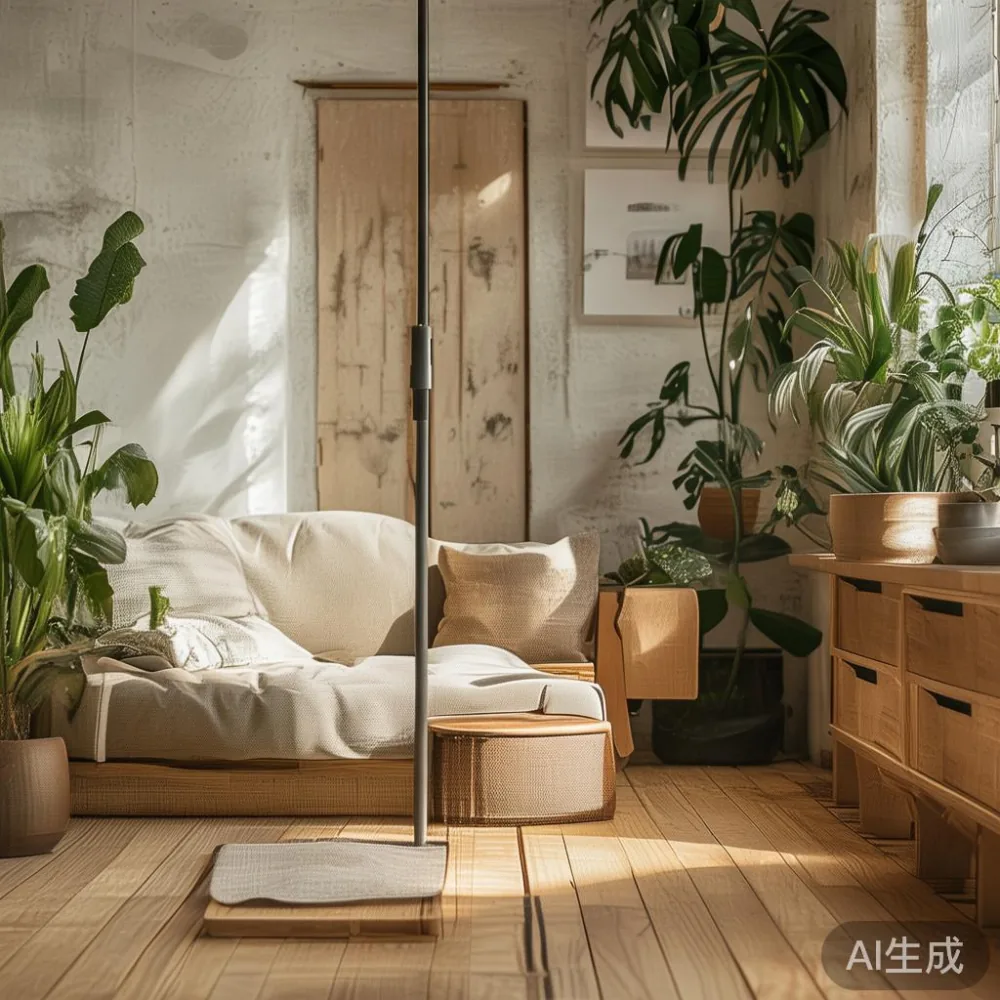
That matters in Singapore, where many homes in Tampines, Bedok and Punggol have compact rooms, narrow lift lobbies and common corridors. A 220 cm dining table looks generous in a showroom but awkward in a 180 cm lift. A 105 cm wardrobe may suit an HDB bedroom yet leave no turning clearance. Price is therefore connected not only to appearance, but also to whether furniture can be delivered, assembled and maintained realistically.
MIDHILL was established in 2008 and exports to more than 15 countries. Its structural warranty runs for 10 years, while lifetime refinishing reflects a different promise: care and restoration over many years. Those are useful commercial signals, but customers should still compare the measurable parts of a product. GST at 9%, delivery and installation can also change the final figure.
Is solid wood the same thing as solid wood furniture?
Solid wood describes the principal timber component, but it does not tell the whole manufacturing story. A solid wood bed frame may use solid timber for the side rails, headboard and legs, yet use plywood or engineered timber for hidden structural panels. That is not automatically poor practice. Good material selection places each board where its properties are useful while controlling movement and cost.
Ask whether the visible parts are solid wood and what the concealed parts are made from. A solid wood sofa can combine a timber frame with webbing, foam and fabric; the timber is still important, although upholstery determines much of its comfort. A solid wood wardrobe may use solid timber fronts and engineered backing panels. A dining table may have a 40 mm solid top but a different internal support system beneath it.
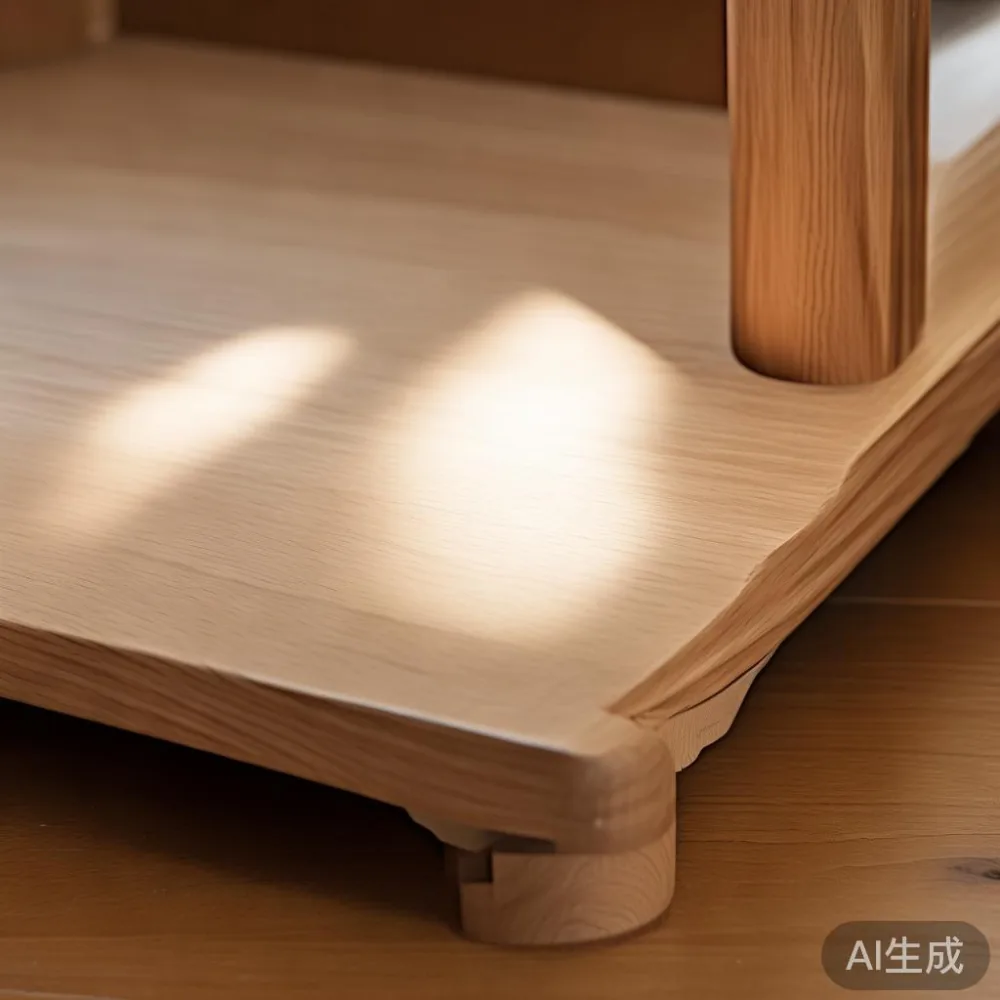
Species also changes value. White oak, American walnut, cherry and teak have different densities, grain patterns and market prices. A name such as “oak” may cover several grades, stains and cutting methods. Two pieces labelled oak can differ in colour because one is fumed, another toned and another finished with a warmer coating. Compare the actual sample rather than relying on the label.
Density gives one clue to weight. A 200 cm dining table might weigh 55–85 kg depending on its construction. An 18 mm top with a substantial apron may weigh around 45 kg; a thicker or more ornate design can reach 90 kg. Weight can indicate material volume, but heavier is not automatically more suitable. A compact japandi style dining table should still fit through an 85–90 cm doorway and be manageable by 2 people.
What does timber grade and thickness cost?
Grade refers to the appearance allowed in the boards: knots, colour variation, sapwood and grain arrangement. A broad selection can include more natural variation at a lower price. A narrow selection may be more uniform, with smaller defects and more material required for matching. The price gap often reflects this selection work, drying and machining rather than a mysterious retail markup.
Thickness changes both material use and engineering. Compare a 20 mm tabletop with a 25 mm or 40 mm version. More timber adds weight and raw-material cost, but an extremely thick slab is not the only marker of durability. Joinery, support spacing and moisture control matter. A well-designed 25 mm top with sound supports can outperform a poorly supported 40 mm top.
Wood should normally be conditioned for Singapore’s humid environment. A responsible maker will account for seasonal movement and use an appropriate finish. Ask what moisture level or manufacturing preparation applies, and how the product should acclimatise after delivery. For a dining table, allow at least 1–2 weeks in the room before final tightening or accessory placement.
Surface treatment can add SGD 80–SGD 450 to a project. Hardwax oil may need 2–3 coats, while lacquer may involve primer, sanding and several topcoats. Matte finishes tend to show fingerprints and cleaning marks differently from satin finishes. White and pale stains may need additional preparation. Request the exact sheen, maintenance instructions and repair process before paying.
How much do joinery, hardware and labour add?
Joinery is where many price differences become visible. Dowels, mortise-and-tenon joints, corner blocks, metal brackets and concealed fasteners each have different labour and performance characteristics. A wardrobe with traditional joinery may cost more than one assembled mainly with confirmat screws and particleboard fittings, but the connection system should suit the load and design.
Hardware is another measurable line item. A basic drawer runner might add modest cost; a branded soft-close system can add SGD 25–SGD 120 per drawer. Hinges for a tall wardrobe cabinet may cost SGD 20–SGD 70 per pair. Castors, lift-up mechanisms and folding dining leaves can add SGD 80–SGD 600 depending on the mechanism. Ask for the component model rather than accepting “premium hardware” as a complete explanation.
Labour takes time. Rounding a table edge, fitting a 45-degree mitre, matching grain, aligning a wardrobe door and installing a concealed rail are separate operations. Complex French light luxury details, including carved profiles, layered mouldings or metal accents, can increase hours substantially. Post-modern light luxury often uses a mixture of timber, metal and stone; the material mix increases specification and assembly work.
My colleague last month visited a Foshan workshop with a finished japandi style wardrobe. Two drawers looked nearly identical. One had inexpensive steel slides, while the other used a full-extension soft-close unit. He opened and closed each 30 times and measured the side gap with a 1 mm steel rule. The tighter-fitting drawer had a smoother, more even movement and stayed aligned after repeated use. That small test explained more than the showroom label did.
Which design details create a higher price tag?
Curves, carvings and irregular forms use more timber and more machine or hand work. A straight-edged dining table with square legs may cost SGD 700–SGD 1,600 before delivery, while a carved apron or softly rounded profile may add 15–35%. A marble table can cost SGD 1,200–SGD 3,200 because the stone slab, polishing, transport and reinforcement plan must be handled carefully. Marble is visually light luxury, but its weight and fragility need respect.
Product scale also affects cost. A 240 cm dining table requires more board, packaging and delivery coordination than a 160 cm table. A 2.1 m wardrobe uses more sheet material than a 1.8 m wardrobe, but a 2.4 m custom wardrobe may include a higher proportion of labour and fittings. A nightstand can be simple at SGD 180–SGD 350, yet a version with 2 soft-close drawers, a reeded front and a stone top may reach SGD 480–SGD 780.
Some product descriptions combine categories in ways that confuse comparison. A French provincial dressing table normally has a timber case, drawers and a mirror or dressing surface. If a marble table uses a French provincial silhouette, its price includes both the historical profile and the stone component. A Japanese sofa may use a low frame, clean lines and restrained proportions; searching how to choose Japanese sofa requires checking seat depth, frame material and cushion density rather than assuming “Japanese” guarantees one construction.
For compact Singapore interiors, French provincial dressing table designs can work in a 2.4 m-wide bedroom if the case is under 100 cm wide. A 70 cm model leaves 25 cm on each side before measuring the mirror swing. Italian light luxury for small living room projects often rely on pale timber, cream upholstery, brass-toned details and one marble surface, but furniture dimensions must remain controlled. A 90 cm sofa may fit a 3.2 m living room more comfortably than a 230 cm sofa with the same visual finish.
How should delivery, GST and returns affect the comparison?
Singapore customers should compare the landed price. If the displayed item price is SGD 1,200, GST at 9% adds SGD 108, making it SGD 1,308 before delivery or installation. A warehouse in Singapore may avoid a long sea-freight lead time, while an imported order might take 25–45 days, or 7–14 days for stocked pieces. Ask what happens if the furniture arrives damaged.
Access conditions are part of the cost. A standard lift door may be 80–90 cm wide and 200 cm high; a sofa package might be 210 cm long and impossible to turn through the lift. Stairwells and corridors can create another issue. A dining table may need to be separated into top and base. A wardrobe delivered as flat panels can fit a lift, while a finished cabinet may not. Some suppliers charge SGD 60–SGD 150 for standard delivery and SGD 120–SGD 450 for carrying or extra installation, depending on the building.
MIDHILL offers free shipping over US$350, 14-day returns and a 10-year structural warranty, but terms vary by destination and product. For a Singapore buyer, the currency conversion, GST treatment and return freight should be written down. Confirm whether “free shipping” is applied before or after tax, and whether a restocking fee applies to a made-to-order wardrobe.
Delivery days should be realistic. A ready item might arrive in 3–7 days within Singapore; a made-to-order dining table could take 30–60 days, plus 5–14 days for transport and access arrangements. A promised 14-day return period is more useful when the packaging can be protected and the collection process is clear.
What should I compare before choosing a japandi style piece?
Create a specification sheet with 8 measurements: width, depth, height, top thickness, drawer internal width, wardrobe opening, weight and package dimensions. Then record timber species, visible and hidden board materials, joinery, finish, hardware, warranty, delivery days and return conditions. This takes 20 minutes and makes quotations much easier to compare.
For a bed frame, check whether the slats are included and whether the centre support is required for a particular mattress. A 160 × 200 cm queen frame should provide adequate support for common Singapore mattress sizes, but foam or latex density changes the load. For a dining table, measure chair clearance: leave at least 75–90 cm behind a seated diner where possible. For a wardrobe, check door swing, skirting clearance and whether the installation area has a 200 cm ceiling.
Colour is not a neutral specification. Warm white, natural oak and smoked walnut create different atmospheres. Japandi style frequently combines pale timber with black metal, beige upholstery and uncluttered storage. If you are deciding how to style Japanese wardrobe in room, start with the room’s light, floor tone and corridor width. A tall dark wardrobe can dominate a 2.8 m-wide bedroom; a lower pale unit may feel more proportionate.
For bedroom purchases, searching the best light luxury bed for 2026 can be useful as a design filter, but “best” must be replaced by measured suitability. Compare frame height, slat spacing, centre-leg support, noise movement and mattress compatibility. For a living room, a query about how to style French sofa in room should lead to measurements too: 80–85 cm seat depth is often comfortable for adults, while a deeper 95 cm seat can suit lounging but uses more floor area. American light luxury may favour generous proportions, so confirm the route from corridor to final position.
What is a fair price for quality?
A fair price covers predictable materials and operations. It does not mean every expensive piece has a longer life, nor that the lowest price lacks merit. A simple oak nightstand at SGD 220 can be sensible if its drawer boxes, hinges and finish are sound. A walnut nightstand at SGD 460 may justify more cost through timber selection, machining and hardware, but it still needs correct care.
For a Singapore household, useful planning ranges are SGD 700–SGD 1,800 for a 160–200 cm solid wood dining table, SGD 800–SGD 2,200 for a queen or king bed frame, SGD 900–SGD 2,800 for a 180–240 cm wardrobe, and SGD 1,200–SGD 4,500 for a marble dining table with a solid wood base. Upholstered pieces vary widely because fabric, foam and cushion construction can add hundreds of dollars.
These are reference bands, not guarantees. Ask MIDHILL or any other maker to show the timber sample, construction drawing and packing method. Wuhan Lingzhan may appear in a supplier or manufacturing reference supplied by a particular trade buyer, but a proper commercial quote still needs a clear product specification. A transparent quote should state every major cost rather than hiding labour inside an unexplained margin.
Ultimately, furniture price reflects a chain: forest-grown timber, selection, drying, machining, joinery, finishing, hardware, inspection, packaging and logistics. The visible design is only one part. In a japandi style home, balance proportion and daily use with material honesty. Measure the lift, allow for GST, check the warranty and returns, and ask the maker to explain the 3 details that most affect durability. Those answers will usually reveal more than the price tag alone.