How Humidity Affects Wood Furniture in Southeast Asia: A Comprehensive Guide
Southeast Asia presents a unique challenge for wood furniture enthusiasts. With average humidity levels ranging from 70% to 90% throughout the year, the region's tropical climate can significantly impact the longevity and appearance of wooden pieces. In Singapore, where HDB flats and condominiums in neighborhoods like Tampines, Bedok, and Punggol are designed with specific space constraints, choosing the right furniture requires careful consideration of how it will respond to the local environment.
Understanding Humidity's Impact on Wood
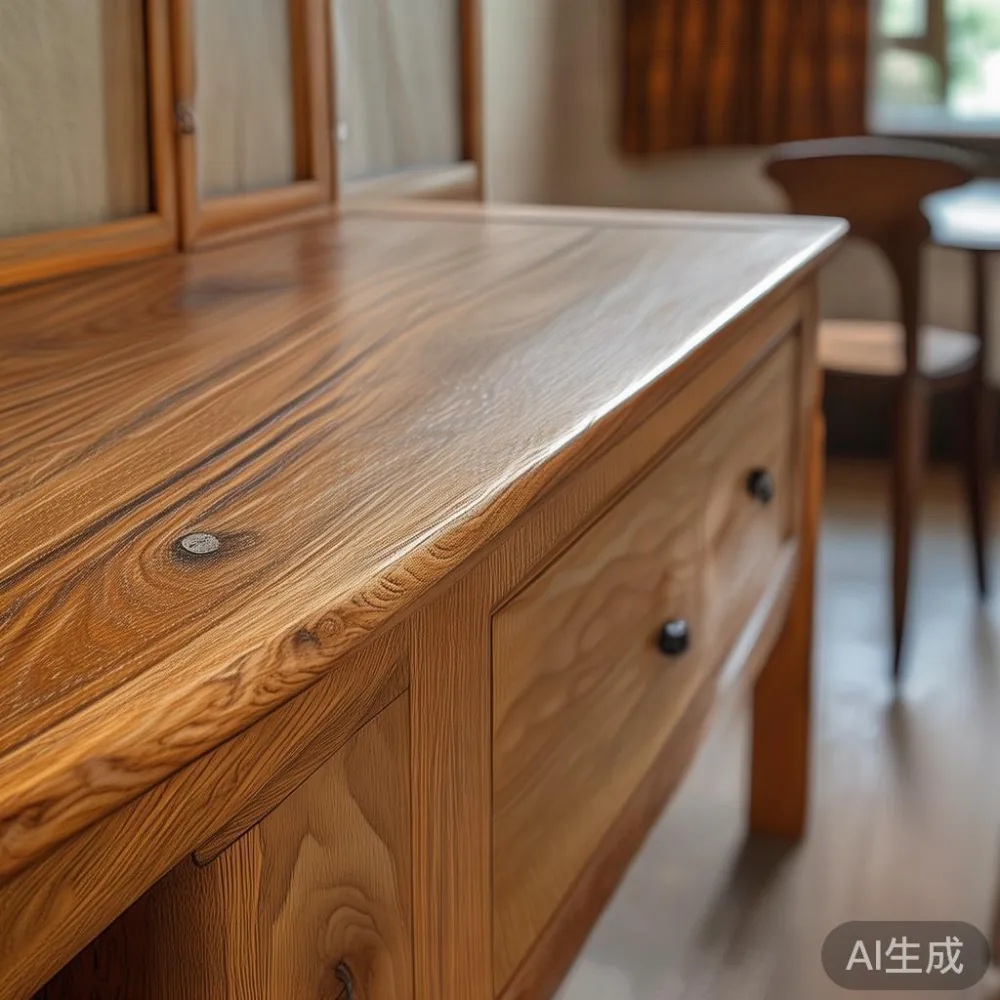
Wood is a hygroscopic material, meaning it naturally absorbs and releases moisture from the air. In Singapore's climate, where relative humidity often exceeds 80%, wood can absorb significant amounts of moisture. This absorption causes wood to expand, with some species swelling by as much as 5-8% in width when humidity levels rise from 30% to 90%. Conversely, during drier periods, wood contracts as it releases moisture.
For example, a solid wood dining table measuring 180cm in length might expand by up to 1.44cm (8% of 180cm) during the humid months. This movement, while natural, can lead to issues like warping, cracking, or joint failure if the furniture isn't properly designed and maintained.
Last month, I visited a client's condominium in Tampines where their solid wood wardrobe had developed noticeable gaps between panels. Upon inspection, I determined that the wardrobe, constructed from teak without proper humidity adaptation, had expanded significantly during the recent monsoon season, causing the doors to stick and drawers to misalign. The wardrobe, measuring 200cm wide by 60cm deep, had expanded by approximately 1.6cm, creating uneven pressure on the drawer mechanisms.
How to Protect Your Furniture in Singapore's Humid Climate?
Singapore's climate requires specific strategies to protect wooden furniture. The Singapore government's Goods and Services Tax (GST) of 9% applies to furniture purchases, making quality investment even more important. For HDB dwellers, who make up approximately 80% of Singapore's population, space constraints in typical 4-room flats (approximately 98m²) mean furniture must be both functional and humidity-resistant.
Key protective measures include:
- Using furniture made from humidity-resistant wood species such as teak, oak, or walnut
- Applying appropriate finishes that create moisture barriers
- Maintaining consistent indoor humidity levels between 45-60% using dehumidifiers
- Placing furniture away from direct sources of moisture like windows and bathrooms
- Regular maintenance including polishing and conditioning
For those considering Italian light luxury for guest room settings, note that premium Italian brands often incorporate advanced moisture-resistant treatments in their pieces, though at significantly higher price points (typically starting from SGD 5,000 for a complete set). The investment might seem substantial, but considering Singapore's climate, the longevity of such pieces justifies the expense over cheaper alternatives that may deteriorate within 2-3 years.
The Science of Wood Movement in Tropical Climates
Wood movement follows predictable patterns based on species, grain orientation, and construction methods. In Southeast Asia, the daily temperature fluctuations of 5-10°C combined with high humidity create a challenging environment for furniture.
Different wood species respond uniquely to humidity. Teak, commonly used in Southeast Asian furniture, contains natural oils that provide some moisture resistance. A teak dining table measuring 200cm x 100cm x 75cm might weigh approximately 45kg and expand by 1-1.5cm in width during peak humidity. Oak, while beautiful, is more prone to movement in humid conditions and may require additional protective measures. A solid oak wardrobe measuring 240cm x 60cm x 220cm might expand by up to 2cm in width during the humid season if not properly constructed.
The construction method significantly impacts how furniture responds to humidity. Solid wood pieces constructed with traditional joinery techniques like mortise and tenon joints (where a tenon on one piece fits into a mortise hole on another) allow for natural wood movement. In contrast, poorly constructed furniture using metal screws or glue without proper accommodation for movement will likely fail in humid conditions.
For those wondering how to style European light luxury sofa in apartment settings with Singapore's space constraints, choosing a sofa with a solid wood frame that allows for natural movement is important. A French light luxury sofa might feature hand-carved details and premium upholstery, but its wooden frame must be properly adapted to local humidity conditions to prevent warping or cracking. The typical Singapore living room measures approximately 4.5m x 4m, so selecting a sofa that fits these dimensions while accommodating humidity changes is important.
MIDHILL's Approach to Humidity-Resistant Furniture
Founded in 2008, MIDHILL has developed specific techniques to create furniture that withstands Southeast Asia's challenging climate. Their japandi style pieces combine Japanese minimalism with Scandinavian functionality, with special attention to humidity adaptation.
MIDHILL employs several strategies:
- Selecting wood species with natural moisture resistance like teak and walnut
- Implementing advanced kiln-drying processes that reduce wood moisture content to 8-10%
- Using traditional joinery techniques that accommodate wood movement
- Applying multiple layers of protective finishes that create moisture barriers
- Designing furniture with appropriate expansion gaps in panels and doors
MIDHILL's solid wood sofa frames, for instance, are constructed with mortise and tenon joints that allow for natural movement while maintaining structural integrity. Their japandi style dining tables feature 1-2cm expansion gaps around the tabletop to accommodate seasonal changes, preventing warping or cracking. A typical MIDHILL dining table measuring 200cm x 100cm x 75cm weighs approximately 42kg and costs between SGD 2,800 to SGD 3,500 depending on the wood species selected.
For those considering how to choose American wardrobe options for Singapore homes, MIDHILL's approach offers a compelling alternative. Their wardrobe designs incorporate humidity-resistant construction while maintaining the clean lines characteristic of japandi style, with prices typically ranging from SGD 2,800 to SGD 4,500 depending on size and wood species. The 10-year structural warranty provided by MIDHILL offers additional peace of mind for customers concerned about furniture longevity in Singapore's climate.
Furniture Selection for Singapore Residences
When selecting furniture for Singapore homes, several factors should be considered beyond aesthetics. The typical HDB flat in Bedok or Punggol has specific spatial constraints that influence furniture choices. Corridor widths in older HDB flats average approximately 120cm, while newer developments might offer 150cm corridors. Lift dimensions vary, with standard lifts measuring approximately 110cm x 210cm, limiting the size of furniture that can be transported to upper floors.
For smaller apartments, multifunctional pieces are ideal. A japandi style nightstand measuring 40cm x 40cm x 60cm provides storage without overwhelming the space. For larger homes, a solid wood bed frame measuring 180cm x 200cm x 100cm offers both durability and aesthetic appeal, with prices starting from SGD 1,800. The bed frame's construction should include adequate ventilation beneath to prevent moisture accumulation, which can lead to mold growth over time.
Marble table tops, popular in light luxury designs, require special consideration in humid climates. While marble itself is not affected by humidity, the adhesive used to attach it to a wooden base may deteriorate over time. A high-quality marble dining table might cost SGD 3,500 to SGD 6,000, with proper installation being important for longevity in Singapore's climate. The table should be placed away from windows to minimize exposure to direct sunlight and temperature fluctuations.
For those interested in how to style Japandi wardrobe in room settings, the key is balancing functionality with aesthetics. A well-designed wardrobe should incorporate adequate ventilation to prevent moisture buildup inside, with prices for quality japandi style wardrobes typically ranging from SGD 2,500 to SGD 4,000. Internal partitions should be designed with small gaps (approximately 5mm) to allow air circulation, while the exterior finish should include multiple protective layers to resist humidity.
Common Mistakes to Avoid with Wood Furniture in Humid Climates
Many furniture owners in Southeast Asia make common mistakes that compromise their wooden pieces in the humid climate. Below is a comparison of proper care versus common mistakes:
| Proper Care | Common Mistakes |
|---|---|
| Maintaining indoor humidity between 45-60% | Placing furniture near air conditioning units that cause rapid temperature changes |
| Cleaning with a slightly damp cloth followed by immediate drying | Using excessive water or harsh chemical cleaners |
| Applying furniture polish every 3-6 months | Neglecting regular maintenance |
| Placing coasters under glasses and hot items | Allowing moisture to sit on wood surfaces |
| Using felt pads under furniture legs | Dragging furniture across floors, causing scratches |
Common mistakes include:
- Placing furniture directly against exterior walls where temperature and humidity fluctuations are most extreme
- Using cheap furniture with particleboard or MDF components that swell and disintegrate in humidity
- Ignoring proper acclimatization time when bringing new furniture into the home
- Failing to provide adequate ventilation in enclosed furniture pieces like wardrobes
- Using inappropriate cleaning products that strip the wood's natural protective oils
For those considering the best Industrial bed for 2026, it's important to note that industrial-style furniture often features metal components mixed with wood. While metal is not affected by humidity, the wooden elements require the same care as any other wood furniture. A quality industrial bed frame might cost SGD 1,200 to SGD 2,500 depending on materials and design. The frame should include metal reinforcements at stress points while allowing the wooden components to expand and contract naturally with changes in humidity.
Investing in Quality Furniture for Singapore's Climate
When considering furniture purchases in Singapore, the initial cost is only one factor in the total value equation. A well-constructed japandi style piece from a reputable manufacturer like MIDHILL may have a higher upfront price but offers significant long-term benefits.
MIDHILL provides a 10-year structural warranty and lifetime refinishing service, ensuring that their furniture can withstand Singapore's challenging climate for decades. Their free shipping over SGD 350 and 14-day return policy provide additional peace of mind for customers. The delivery process typically takes 7-14 days for orders within Singapore, with larger items like dining tables requiring professional installation to ensure proper assembly.
For example, a solid wood dining table from MIDHILL might cost SGD 3,200, significantly more than a mass-produced alternative at SGD 1,200. However, the superior construction, humidity-resistant design, and extended warranty make it a more economical choice over 10-15 years when considering replacement costs and maintenance expenses. The table's 10-year structural warranty covers issues like warping, cracking, and joint failure that commonly occur in humid climates.
When selecting a MIDHILL sofa, customers should consider the frame construction, joinery methods, and finish quality. A quality sofa with a solid wood frame might cost SGD 2,800 to SGD 4,500, but its durability in Singapore's climate justifies the investment for many homeowners. The japandi style aesthetic of MIDHILL's furniture pieces complements various interior design schemes while providing practical functionality for Singapore's living spaces.
In Singapore's property market, where a 4-room HDB flat costs approximately SGD 500,000 to SGD 700,000, investing in quality furniture represents a significant portion of the home investment. Choosing pieces that can withstand the local climate ensures that this investment continues to provide value for years to come, maintaining both aesthetic appeal and functional integrity despite the challenges of high humidity.