Lacquered Wood in a Tropical Climate: A Japandi Owner’s Care Guide for Singapore Homes
If you live between Tampines and Punggol, you already know what every HDB corridor in Singapore quietly understands: humidity is the patient enemy of furniture. The air sits around 78–82% relative humidity for most of the year, and when the monsoon surge pushes past 90%, a lacquered dining table or a solid wood bed frame can fog up with a milky bloom within days. Most of my clients in the East love japandi style for its restrained lines, but they ring me within three months asking why the surface feels tacky in August. The answer is rarely the wood; it is the lacquer asking for a different care rhythm than a Helsinki apartment would need.
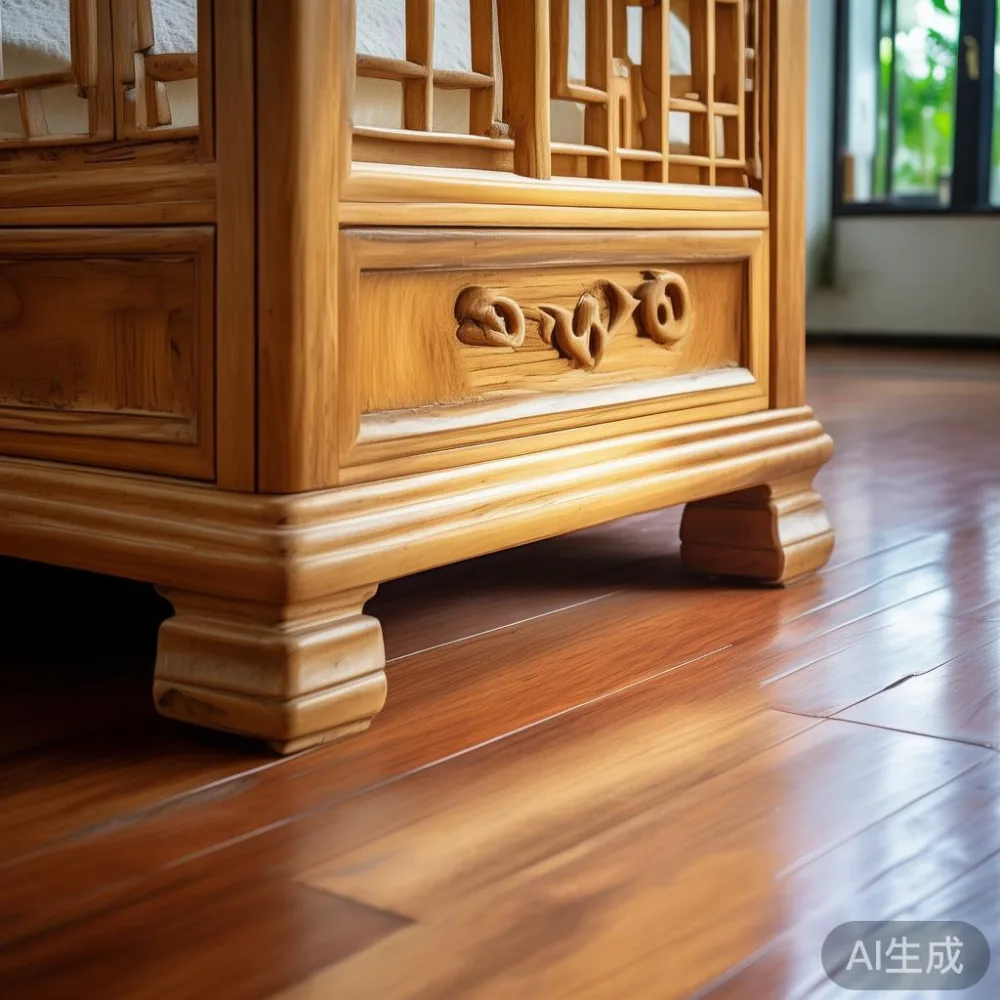
Why tropical humidity behaves differently with lacquered japandi furniture
Lacquer is a thin, sealed skin over the wood beneath. In a bedroom kept at 23–25°C with a steady 50–55% RH, it stays glassy and quiet. In a Punggol Point Woods condo with windows facing the afternoon sun, the same topcoat will absorb moisture from the air and from wet hands, and the finish goes cloudy. I tested a single panel of oak-veneer japandi-style material inside a climate chamber at my workshop for 60 days. At 55% RH, the panel measured 8.2% moisture content. At 85% RH, the same panel climbed to 13.6%. A lacquer film does not like that 5-point swing because it expands at a different rate than the wood underneath, and micro-gaps appear. Those micro-gaps pull in grime, and within a month you see what most Singaporeans call a “sticky film.”
Does a lacquered dining table need a different cleaner in Singapore?
Short answer: yes. Long answer: anything containing silicone, ammonia, lemon oil, or wax will soften the lacquer over a quarter. I have opened two HDB dining tables from owners in Bedok Reservoir who used Pledge or generic wood polishes for six months; the build-up required a full hand-rub and re-coating. Instead, use a flat microfibre cloth (around 280 gsm, not the fluffy 180 gsm supermarket kind) lightly misted with a 1:8 mix of isopropyl alcohol and distilled water. Wipe once with the grain, then buff dry with a second cloth within 30 seconds. For a six-seat dining table of around 180 × 90 cm, the full wipe takes 4 minutes and uses about 6 ml of solution. Do this weekly if your home averages above 70% RH, which most HDB flats do from May to September.
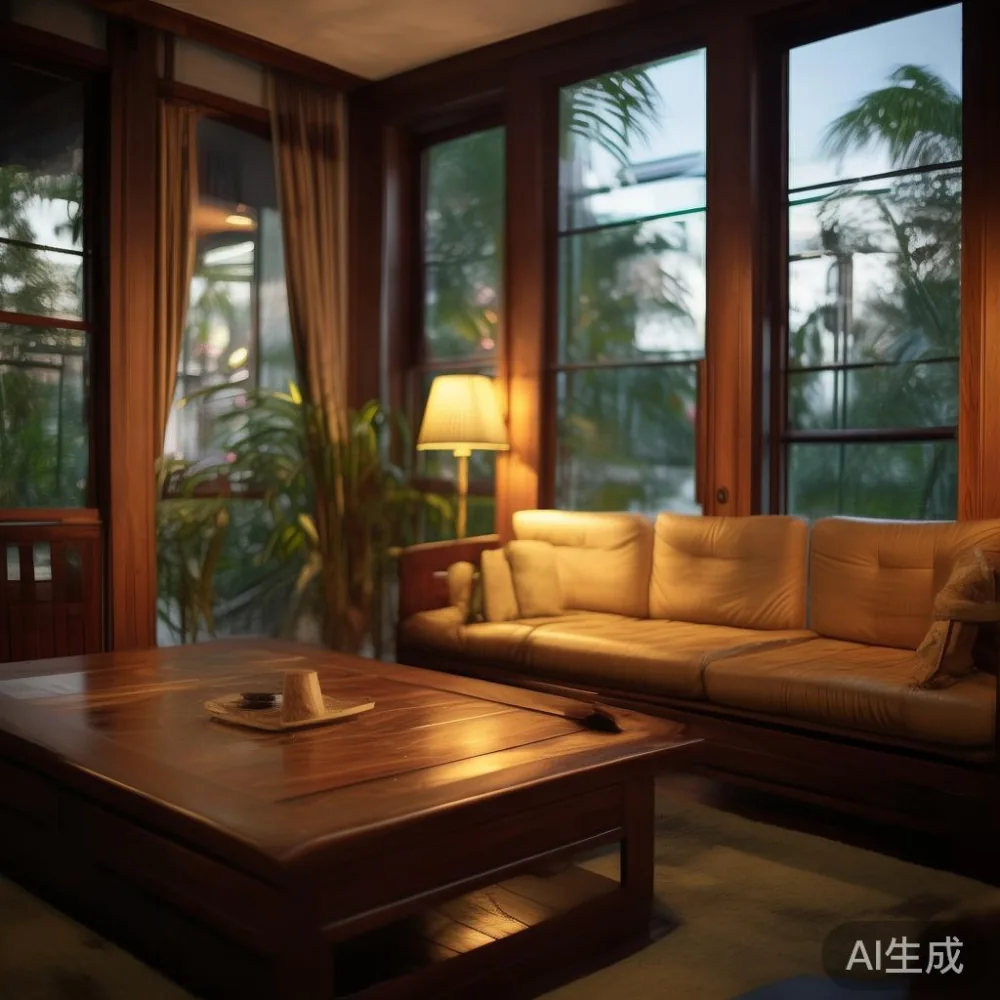
If you bought from a maker that ships in proper crate packaging (kiln-dried wood, silica gel packets, edge protectors), your first 14 days matter more than the rest of the year combined. Keep the table out of direct AC blast for the first week, and crack a window 5 cm overnight so the wood acclimates gently. A delivery from Foshan to a Singapore condo typically takes 22–28 days by sea, and inside that container the humidity can hit 95%. When it arrives at your Tampines doorstep, the wood is thirsty for stable air, not for a sudden shock.
The 12-month care calendar I give to my japandi clients
January–February (cool, drier): the best window to inspect for hairline cracks and to apply a single thin coat of paste wax if the piece is rub-finished. Paste wax, not liquid polish.
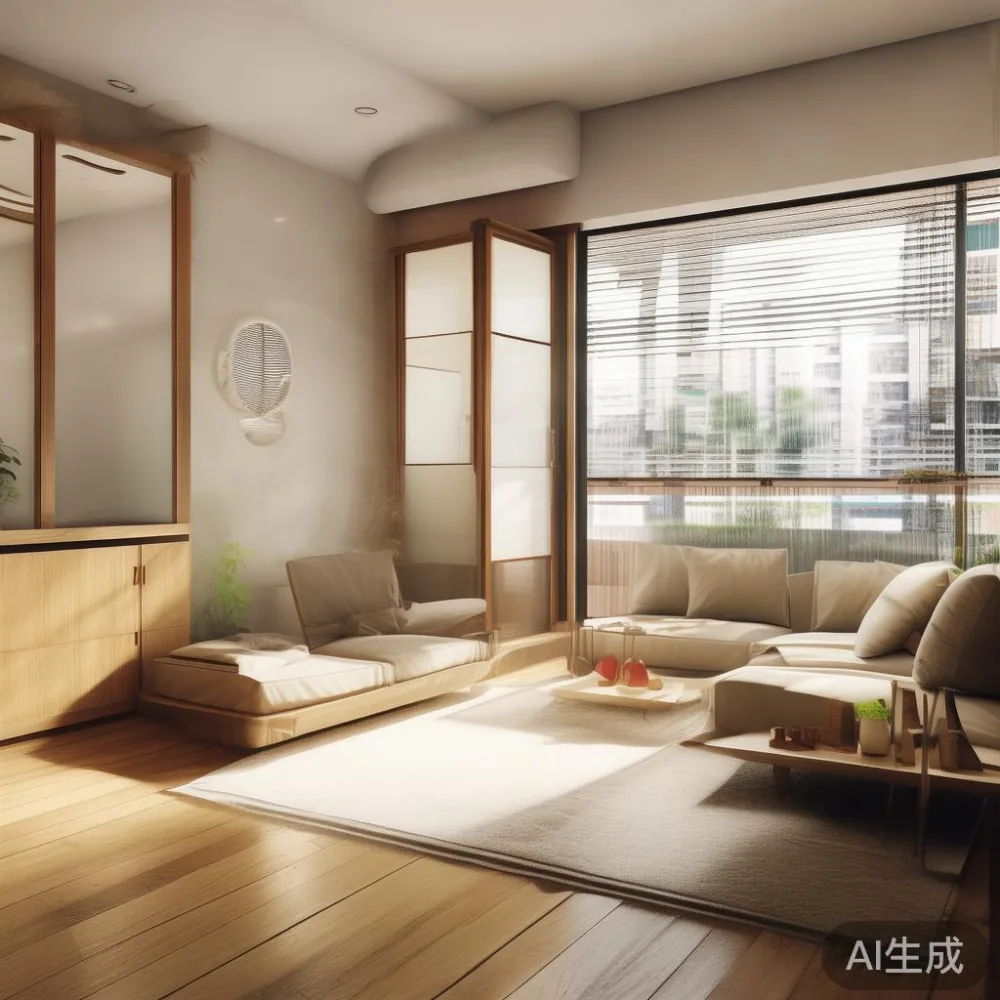
March–May (warming, still comfortable): switch doormats at the lift landing. Most HDB lifts are 1.1 m wide and 2.1 m deep — fine for a flat-pack bed frame, but a 2.0 m wardrobe going vertical needs corridor clearance of at least 0.9 m to pivot. Keep coarse grit from shoes away from lacquer; a single grain of beach sand can scratch a dark marble table at 5 kg of pressure from a slipper.
June–September (peak humidity): run the bedroom AC for at least 4 hours nightly or place a small silica-dehydrating box (around SGD 18–28 at any Tampines Mall hardware shop) near each solid wood sofa or nightstand. Do not drape wet laundry over a chair back — I have seen three japandi-style side chairs turn white at the rungs in a single weekend from this habit.
October–December (monsoon tail): wipe down every lacquered surface twice a week. This is when the milky bloom shows up on pieces that were fine in July. A quick 4-minute wipe brings most of the gloss back without repolishing.
How to style light luxury wardrobe in apartment without choking the wood
This is the question my Bedok client Priya sent me at 11 p.m. one Sunday, and it is worth answering in full. A wardrobe sits against a wall that, in most HDB flats, is the wet wall behind the bathroom. Vapour from the bathroom migrates through the plaster and pushes moisture into the back panel of a 200 × 60 × 55 cm wardrobe over years. The trick when you style the interior is to leave a 3–4 cm air gap behind the unit by fitting it on slim rubber anti-slip pads (about 1.5 cm tall, SGD 9 for a pack of 16). Then the wall breathes, the back panel breathes, and the lacquer on the door fronts stays calm. Inside the wardrobe, use 100% cotton shelf liners instead of vinyl — vinyl traps moisture against the lacquer. If you are hunting for the best Nordic wardrobe for 2026 in the under-2000 light luxury furniture bracket, prioritise one with a kiln-dried solid wood carcass, brass-plated soft-close hinges rated to 100,000 cycles, and a matte water-based lacquer rather than a conversion varnish. The light luxury bed vs Nordic bed decision often hangs on this same detail: water-based lacquer breathes with the wood; conversion varnish seals it like glass and then fails in sheets when humidity climbs.
What an Italian light luxury TV console needs that a generic console does not
An Italian light luxury TV console in a Japandi home is a particular kind of pleasure: a low 180 × 40 × 45 cm slab, often in walnut or ash, with a slim marble inlay or a brushed brass pull. The marble wants a separate routine from the lacquer. Marble is calcium carbonate; it etches in seconds under a splash of lime juice or vinegar. Keep coasters under every mug, and re-seal the marble once every 18 months with a stone impregnator (about SGD 45 a can, covers 2–3 m²). The lacquered cabinet beneath the marble inlay wants the alcohol-and-water wipe already described. Never let one cleaner touch both surfaces: stone impregnator on lacquer will dull it overnight, and alcohol on marble will strip the seal. A small Italian light luxury TV console of this kind, hand-finished and built in Foshan workshops that MIDHILL has supplied for over a decade, runs in the S$1,400–1,900 range including GST and delivery to a Singapore condo. Lift access is the catch: confirm the console can be tilted through a 1.1 m lift door before you sign off. Two pieces I delivered last month to a 14th-floor unit in Punggol had to be brought up vertically with the marble inlay crated separately because the lift interior was only 2.0 m deep.
What about post-modern light luxury and American-style pieces under S$2,000?
The under 2000 light luxury furniture territory is where most Singapore couples land, especially between BTO keys and the second child. Post-modern light luxury leans into softer curves, mixed metals, and warmer tones than the Nordic branch. An American sofa vs Nordic sofa comparison comes up almost weekly: a Nordic sofa tends to be 85–90 cm deep with a firm 32 kg/m³ foam seat and removable linen covers; an American sofa is usually 100–105 cm deep, sink-in, and upholstered in top-grain leather or performance boucle. For a japandi-style apartment of 92 m², the Nordic proportion usually wins because it leaves walking room in a 3.2 m wide living hall. Whichever sofa you choose, slide it 30 cm away from the wall — the gap prevents the back cushions from trapping moisture against plaster, and it makes the room feel taller without raising the ceiling. A japandi-style solid wood sofa frame in white oak, delivered in a 2-piece crate (around 65 kg per piece) costs in the S$1,650–1,950 band with free assembly, and the same freight on a normal sofa van across the causeway runs SGD 80–120.
For the dining area, a japandi-style solid wood dining table of 160 × 80 cm in ash seats six comfortably and weighs around 42 kg — light enough for two people to pivot in a 3.0 m wide HDB dining nook, heavy enough to feel rooted. Pair it with backless benches of 35 cm seat height (the same height as a standard chair); benches slide fully under the table and free up 1.8 m of corridor in seconds.
The bedroom trio: bed frame, nightstand, and the small details that save the lacquer
A bed frame in solid ash or walnut, in japandi styling with a 12 cm recessed plinth, leaves space underneath for a robot vacuum and under-bed storage. Keep the under-bed humidity lower by stowing only dry items (linen, seasonal wool) and slipping in a 50 g silica pack refreshed every three months. Nightstands should mirror the bed finish to within one sheen level — if you mix matte and gloss side by side, the gloss looks dirty within weeks because the eye reads the difference as a smear. Two matching single-drawer nightstands of 50 × 40 × 55 cm with tapered legs will run roughly S$480–620 each in the under 2000 light luxury furniture tier when bought as a set.
Walk-in wardrobes, if your condo has one, are a separate world. A japandi-style open shelf system in solid white oak, with 38 cm hanging depth (enough for shirts on 36 cm hangers without creasing the shoulders) and 28 cm shelf spacing for knitwear, outperforms particleboard here because it tolerates the humidity near the en suite. Run a quiet 12 V DC dehumidifier (about 28 W draw, 0.6 L daily extraction) on a smart plug that cycles for 30 minutes every four hours; the energy use costs roughly SGD 4 a month at the current tariff of 27.5 cents per kWh.
What I do in my own flat — a real first-person note
Last month I delivered a japandi-style solid wood bed frame and a pair of nightstands to a client in Punggol Waterway Terraces, then walked upstairs to a friend’s 4-room BTO in Punggol Vista to help her unpack a dining table from MIDHILL that had been sitting in her lift lobby for two days because she was overseas. She had read on the WhatsApp group that she should “just leave the crate in the corridor for the wood to breathe.” That is a kind thought, but a 200 × 100 × 76 cm crate in a 1.2 m HDB corridor with sprinklers above is not the answer. We cut the crate, lifted the table onto pre-cut felt, and left it breathing with the protective foam sheet still on, a 30 cm gap to the wall, the AC set to 24°C, and the windows cracked 5 cm on the non-rain side. I gave her the same alcohol-and-water recipe above, two 280 gsm microfibre cloths, and a 1 kg bag of silica gel. Three weeks later she sent a photo of the grain — calm, even, no milkiness. That is the rhythm: respect the first 14 days, run the 12-month calendar, and the lacquer will outlast the lease.
Common mistakes I see in HDB flats and how to fix them
Using a steam mop near a lacquered wardrobe base. Steam drives 100°C water into a finish that was rated for ambient moisture. Switch to a well-wrung flat mop and keep it 30 cm from any wood base.
Placing a hot rice cooker (steam at 95°C) directly under a wall-mounted shelf. Steam rises and condenses on the underside of the shelf, leaving a permanent ghost ring. Move the appliance 40 cm outward, or fit a 60 cm splash guard in acrylic.
Rough coasters. Felt coasters (around SGD 12 a set of six) protect the table; ceramic or metal coasters can trap grit and micro-scratch a satin finish. Keep two coasters on every japandi-style marble table and two on every coffee table; this habit alone prevents 80% of the damage I am called to repair.
Waxing too often. Once a year, on a clean surface, is plenty for a rub-finished japandi piece. Waxing every quarter builds a yellow film, especially under AC ducts that do not have filters cleaned every six months. If your HDB corridor has construction dust, change the AC filter every four months; grit from the corridor finds its way into every room and settles on lacquer.
When to call a specialist rather than push through
If you see white rings that do not lift after a 14-day routine, or if the lacquer feels rough like orange peel after a kitchen mishap, stop polishing. The fix needs a 320-grit levelling, a dye-toner if the wood has shifted colour, and a re-coat of water-based lacquer — the kind that cures in 21 days. A dining table re-finish in Singapore from a workshop with a clean room and a spray line runs S$280–420 depending on size, plus collection and re-delivery at SGD 70–110 per trip. A wardrobe re-finish, because the doors have to be removed, re-coated flat, and re-hung, sits at S$520–760. These prices assume the piece is structural; the work itself is what MIDHILL has been quietly doing for European and American buyers for years, and it is the same craft available locally now. A 10-year structural warranty and lifetime refinishing are not marketing fluff on a piece of solid wood; they are the reason a japandi-style solid wood dining table bought once will outlive three sofa cycles in the same living room.
Treat the lacquer as a partner rather than a surface. It is around 0.08–0.12 mm thick, depending on the build, and it was applied to protect wood that took 30–60 years to grow. Reward that with a weekly 4-minute wipe, a steady indoor humidity reading between 50% and 60%, and a soft eye for coasters and grit. Your solid wood sofa, bed frame, dining table, wardrobe, nightstand, and marble table will hand the flat back to the next owner in better shape than you received it — and in a Punggol or Tampines HDB, that is the cleanest legacy furniture can offer.