The Humidity Challenge: How to Care for Solid Wood Furniture in Singapore's Climate
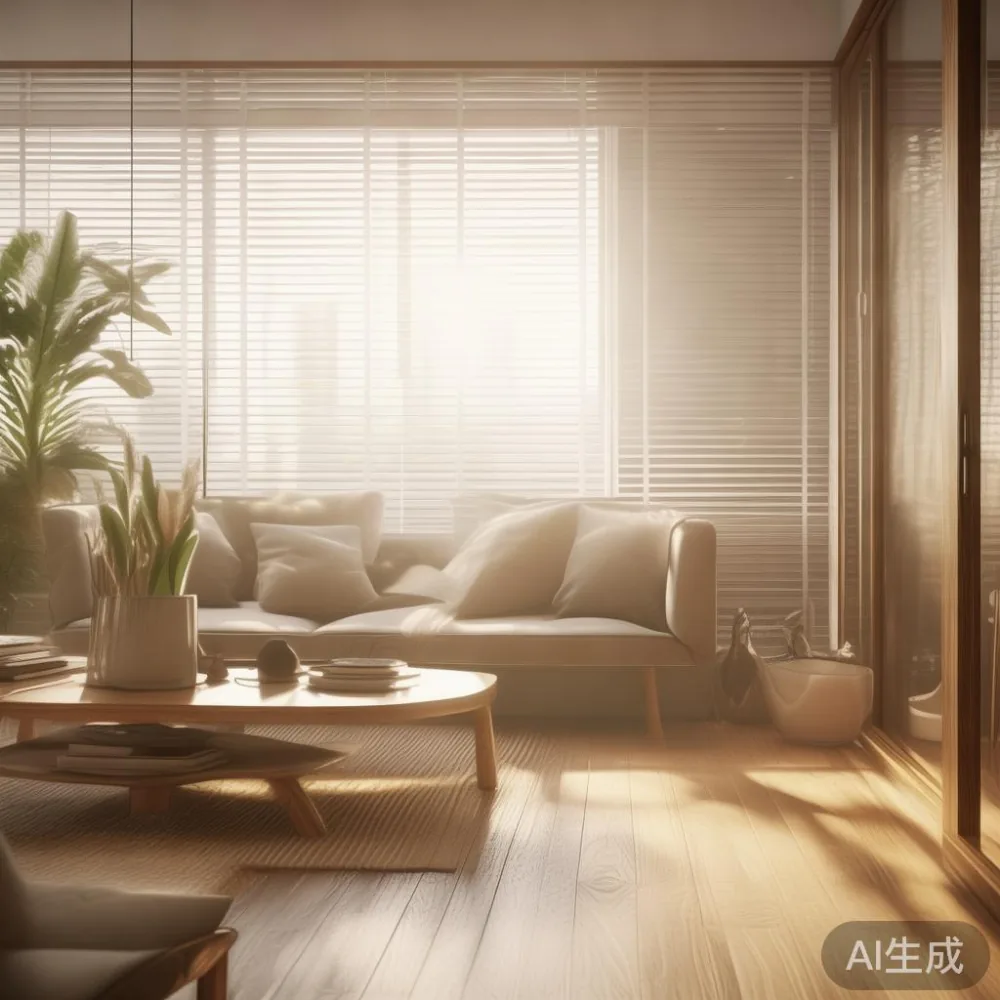
For many residents in Singapore, particularly in newer HDB estates like Tampines or Punggol, the home is a personal sanctuary. The choice of furniture is a reflection of this desire for comfort and style. A solid wood bed frame, a dining table where family gathers, a wardrobe that holds our treasures—these pieces are more than just objects; they are part of the home's story. However, the Singaporean climate, with its high and often fluctuating humidity, presents a unique challenge for wood furniture. Understanding this relationship is key to preserving the beauty and integrity of your pieces for years to come.
Why Does Humidity Affect Solid Wood Furniture So Much?
Wood is a natural, hygroscopic material, which means it absorbs and releases moisture from the air. Think of it as breathing. In Singapore, where the relative humidity can hover between 70% and 90% for much of the year, wood is constantly absorbing moisture. This causes its fibres to swell. Conversely, during the drier months or when air-conditioning is running constantly, the wood releases moisture and contracts.
This natural cycle of expansion and contraction is normal, but extreme or rapid changes can lead to problems. A solid wood dining table panel, for instance, might expand to the point where it presses against the frame, causing cracks in the table's surface or even warping. A wardrobe door might swell and become difficult to close, or a bed frame could develop small gaps as it contracts. The key is not to stop this natural process, but to manage it gently, ensuring your furniture can adapt to the environment without stress.
What Are the Tell-Tale Signs of Humidity Damage in Your Home?
Recognising the early signs of humidity stress can help you take action before the damage becomes permanent. Keep a close eye on your wooden pieces, especially in areas of the home that experience more dramatic temperature and humidity shifts, such as near air-conditioning vents or in rooms with large windows that get direct sunlight.
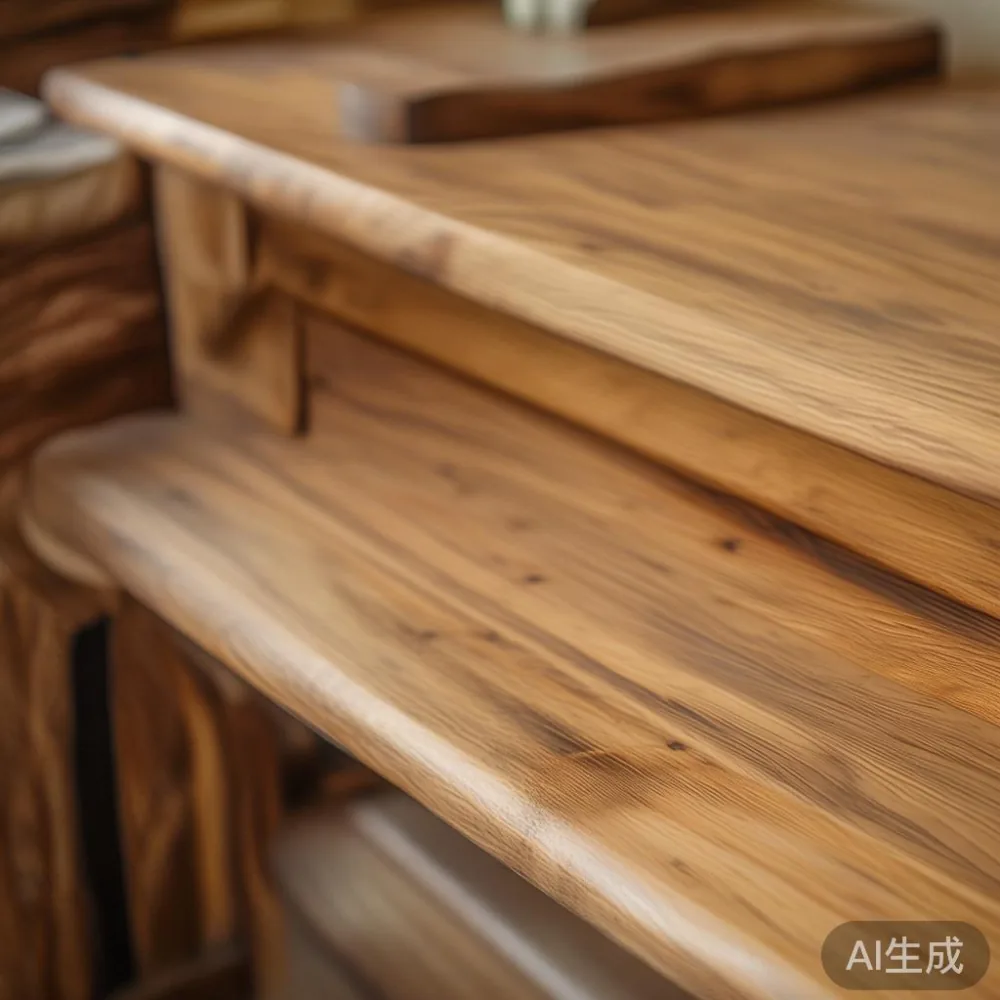
Look for small, hairline cracks on the surface of a marble table top or a solid wood dining table. These are often caused by the wood panel shrinking faster than the surrounding frame. Drawers on a wardrobe or nightstand that suddenly stick or become loose are another common indicator; the swelling of the wood body can alter the fit of the drawer runners. You might also notice a change in the colour or texture of the wood finish, or a slight 'hollow' sound when you tap on a panel, suggesting it has separated from its frame. My colleague, Sarah, who lives in a Bedok condo, noticed her new solid wood sofa legs had become slightly unsteady after the first rainy season. A quick adjustment and some simple humidity management resolved the issue before it became a problem.
Is Japandi Sofa Worth It in Singapore's Humid Climate?
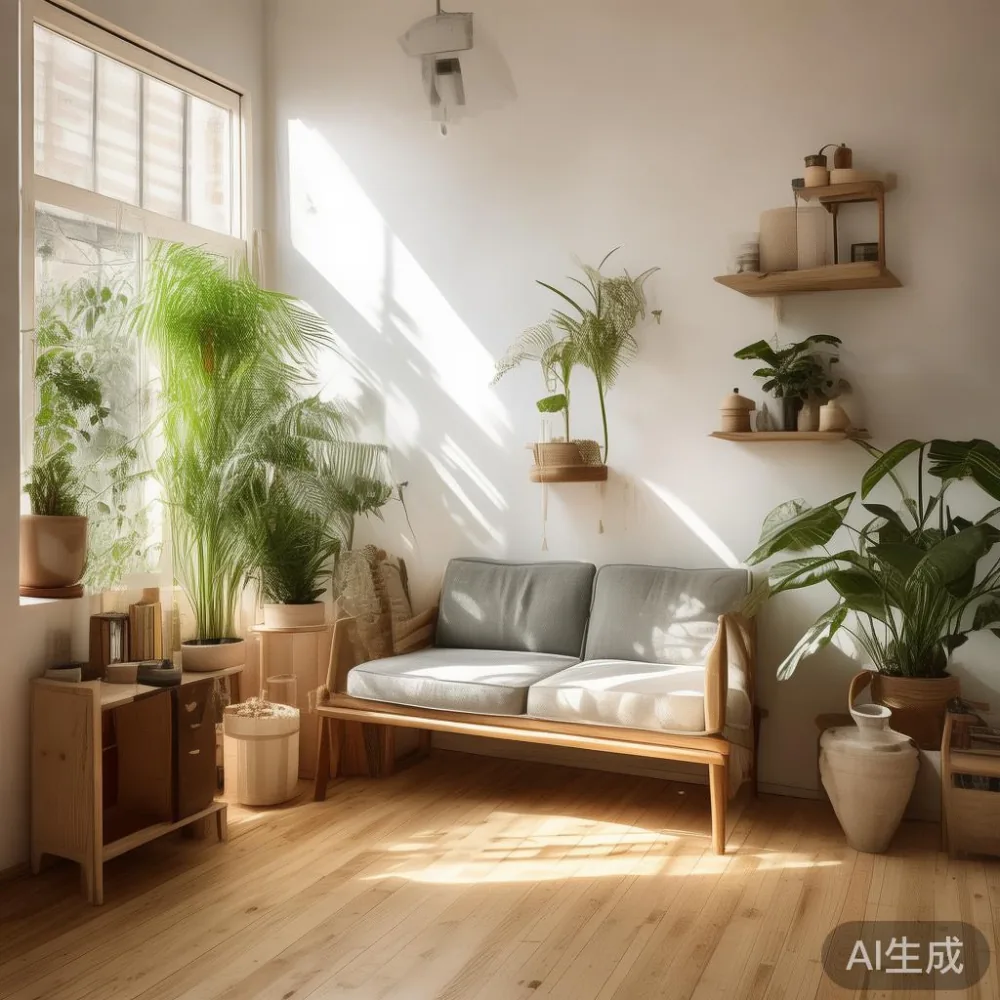
This is a question we hear often from customers who are drawn to the clean, minimalist aesthetic of japandi style. The simple answer is yes, but with the right understanding and care. A japandi sofa, with its emphasis on natural materials and clean lines, is a perfect fit for the Singaporean home. The philosophy japandi style embodies—harmony between nature and design—aligns perfectly with the need to live in balance with our environment.
The key is the quality of the wood and the craftsmanship. A high-quality japandi sofa from a reputable maker uses solid wood frames that have been properly kiln-dried to a moisture content suitable for the climate. This process, which involves slowly drying the wood in a controlled environment, reduces the wood's tendency to expand and shrink excessively. The upholstery is another factor. Natural fabrics like linen or cotton, commonly used in japandi style, are breathable and allow air to circulate, which can help mitigate moisture build-up around the frame. So, while a japandi sofa is an investment, its timeless design and inherent suitability for a natural material like wood make it a worthwhile choice for Singapore homes.
Practical Tips for Managing Humidity Around Your Furniture
You don't need to turn your home into a sterile environment to protect your furniture. Small, consistent habits can make a significant difference. The goal is to create a stable microclimate around your prized pieces.
First, position your furniture strategically. Avoid placing a solid wood bed frame or a large wardrobe directly against an external wall, as these walls tend to be cooler and can attract condensation. Leave a small gap of about 5-10 cm for air to circulate. Similarly, keep wooden furniture at least 30 cm away from air-conditioning units or direct sources of heat like radiators, which can cause rapid drying. Using a dehumidifier in a closed room, like a bedroom with a heavy wardrobe, for a few hours a day can help maintain a humidity level closer to an ideal 45-60%. Placing silica gel desiccant packs inside drawers and wardrobes is another simple, effective trick to absorb excess moisture. Finally, regular dusting with a soft, dry cloth helps prevent moisture from being trapped on the surface of the wood.
How to Choose Japandi Wardrobe for Singapore Residences?
Choosing a wardrobe is a significant decision, especially when considering the spatial constraints of Singapore living. In many HDB flats, the master bedroom might have a standard width of 3 to 4 metres, and the wardrobe needs to fit within this space without overwhelming the room. A well-designed japandi wardrobe offers both storage and style without being overly ornate.
When selecting a wardrobe, consider the material. Solid wood, particularly hardwoods like oak or walnut, is a durable choice. Look for a japandi wardrobe with a smooth, matte finish that enhances the natural grain of the wood without trapping moisture. The internal layout is also important. Singaporean wardrobes often need to accommodate more than just clothes; think about space for luggage, blankets, and shoes. A wardrobe with a combination of hanging rails, shelves, and drawers offers greater flexibility. The hardware should be simple and functional—minimalist handles in brushed brass or matte black are typical of the japandi aesthetic. Also, consider the door mechanism. Sliding doors are an excellent choice for smaller rooms like a bedroom in a Punggol apartment, as they save the space that swinging doors would require.
Long-Term Care: What to Expect from Your Furniture Warranty
Investing in high-quality furniture is an investment in your home's future. A reputable manufacturer stands behind their products. For example, a company established in 2008 that exports to over 15 countries typically offers comprehensive warranties. A 10-year structural warranty provides peace of mind, covering the integrity of the frame, joints, and legs of your dining table, bed frame, or wardrobe. This means if a joint were to fail under normal use, it would be repaired or replaced.
Alongside the structural warranty, a lifetime refinishing guarantee is a valuable asset. This means that if the surface of your wood furniture becomes scratched or worn over time, the manufacturer will refinish it for you, restoring its original beauty. This service ensures that your piece can adapt to the wear and tear of daily life, including minor humidity-related stress. Policies like free shipping for orders over SGD 1,500 and a 14-day return window also reflect a commitment to customer satisfaction. These protections show that the manufacturer understands the long-term relationship you have with your furniture and is prepared to support it throughout its life in your home.
Mid-Century Modern for Bedroom: A Timeless Choice in Humid Climates
While japandi style is a popular choice, the clean lines and organic forms of mid-century modern for bedroom furniture also pair beautifully with solid wood and can be a great option for Singapore homes. The style often features tapered legs, geometric shapes, and a focus on natural materials, making it inherently compatible with wood.
A mid-century modern bed frame, for instance, typically has a lower profile, which can make a bedroom feel more spacious. The use of solid wood in these pieces is often highlighted rather than hidden, celebrating the material's natural beauty. The key, as with any wooden furniture, is to ensure the wood has been properly acclimatised to the local climate before purchase. Reputable manufacturers understand this and will store their furniture in environments similar to the export destination to minimise post-purchase movement. This attention to detail ensures that the iconic design of mid-century modern furniture remains as stunning in a humid Singapore bedroom as it was intended to be.
How to Style European Light Luxury Wardrobe in Bedroom
For those who prefer a more opulent feel, the European light luxury style offers a sophisticated alternative. This style combines classic elegance with modern simplicity, often incorporating elements like marble table tops, brass inlays, and rich, textured fabrics. Styling a European light luxury wardrobe in a bedroom requires a thoughtful approach to balance the statement piece with the rest of the room.
The wardrobe itself might feature a sleek, handle-less design with a high-gloss or textured finish, perhaps incorporating a marble panel or a subtle metallic trim. To complement this, the surrounding furniture should be kept relatively simple. A solid wood bed frame in a neutral tone like walnut or oak would provide a beautiful contrast without competing. The colour palette should be restrained—think creams, greys, and soft taupes—to let the wardrobe be the star of the show. Lighting is important. A statement chandelier or elegant wall sconces can enhance the luxurious feel. The key is to create a cohesive look where the wardrobe feels like a deliberate, integrated part of the room's design, not just a standalone piece of furniture for sale.
Why Solid Wood Remains the Superior Choice for Singapore Living
In a world of mass-produced furniture, solid wood stands apart. Its durability is unmatched; a well-made solid wood dining table can be passed down through generations, developing a rich patina that tells the story of a family's life. This longevity is a sustainable choice, reducing the need for replacement and consumption.
The aesthetic appeal is another reason solid wood is a superior choice. Each piece is unique, with its own grain, knots, and colour variations. This natural imperfection is what gives wood its character. In a japandi style home, the warmth of solid wood grounds the clean, minimalist lines, creating a space that feels both modern and inviting. It connects the indoors with the natural world, a principle that is particularly relevant in Singapore's urban landscape. While the initial cost of a solid wood wardrobe or bed frame may be higher than that of a veneered or MDF alternative, the investment pays off in durability, beauty, and timelessness. It is a choice that respects both the material and the home it inhabits.
Where to Find the Best Vintage Wardrobe for 2026
The search for the perfect piece of furniture can be a journey. For those looking for something with a story, finding the best vintage wardrobe for 2026 might mean exploring antique shops or online marketplaces. A vintage piece offers a unique charm that new furniture cannot replicate.
When sourcing a vintage wardrobe, it is especially important to inspect its condition thoroughly. Check for signs of previous repairs, especially around joints and corners. Ensure the doors open and close smoothly and that the internal shelving is stable. Because vintage wood has had decades to acclimatise to different environments, it can be surprisingly stable, but a thorough inspection is still necessary. You might find a beautiful teak wardrobe from the 1960s that fits perfectly into a modern condo's bedroom, or a painted piece that adds a touch of French light luxury to a minimalist space. The key is to look for quality craftsmanship and a design that resonates with your personal style, ensuring that your new vintage find will be a cherished part of your home for years to come.