Mastering Space with Japandi Design Principles
Living within a constrained footprint requires deliberate choices that balance functionality and calm. When occupying less than ninety square meters, every centimeter counts towards the mood of the room. Residents in Tampines, Bedok, and Punggol often face similar spatial challenges regardless of whether they own an Executive Condominium or a standard resale unit. The goal remains consistent: achieving a sense of openness without sacrificing the storage capacity that daily life demands. A Japanese-inspired aesthetic focusing on minimalism works well because it prioritizes clean lines and natural materials over excessive decoration.
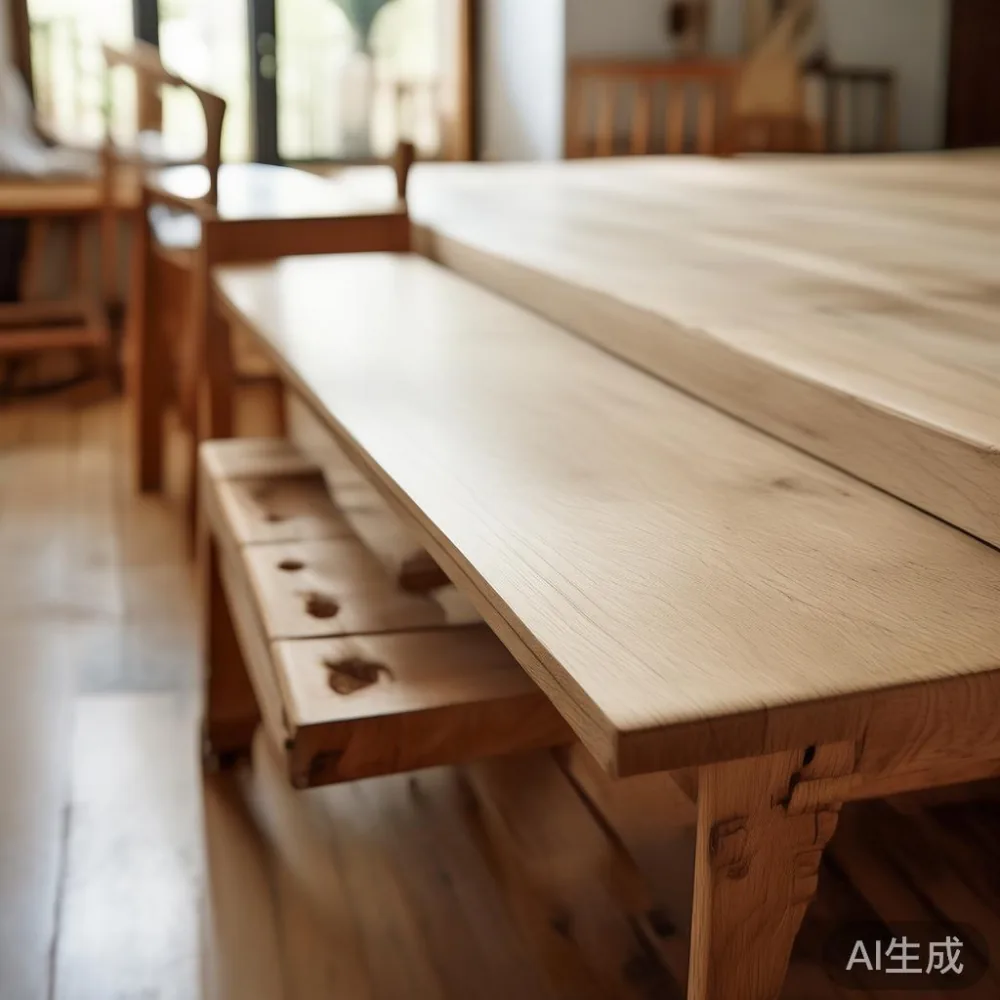
The concept centers on utilizing low-profile pieces that sit close to the ground. This visual technique lowers the center of gravity within the room, allowing the eye to travel higher towards the ceiling. When selecting a piece like a solid wood sofa, the height of the legs becomes a critical measurement. Opting for legs that raise the seating area by fifteen centimeters creates air underneath the frame. That void allows floor polishers to work freely and makes the room feel larger than its physical dimensions.
Understanding Local Floor Plans and Corridors
Importing large items from Foshan involves working through specific logistical hurdles found in older housing estates. A standard lift cab in a public housing block measures roughly eighty-five centimeters wide by two hundred centimeters deep. Larger furniture pieces such as a four-seater dining table might struggle through certain stairwells built before the year 2000. My colleague handled a shipment recently where the door width was only eighty-two centimeters. They had to disassemble the legs of the table to transport it through the corridor safely.
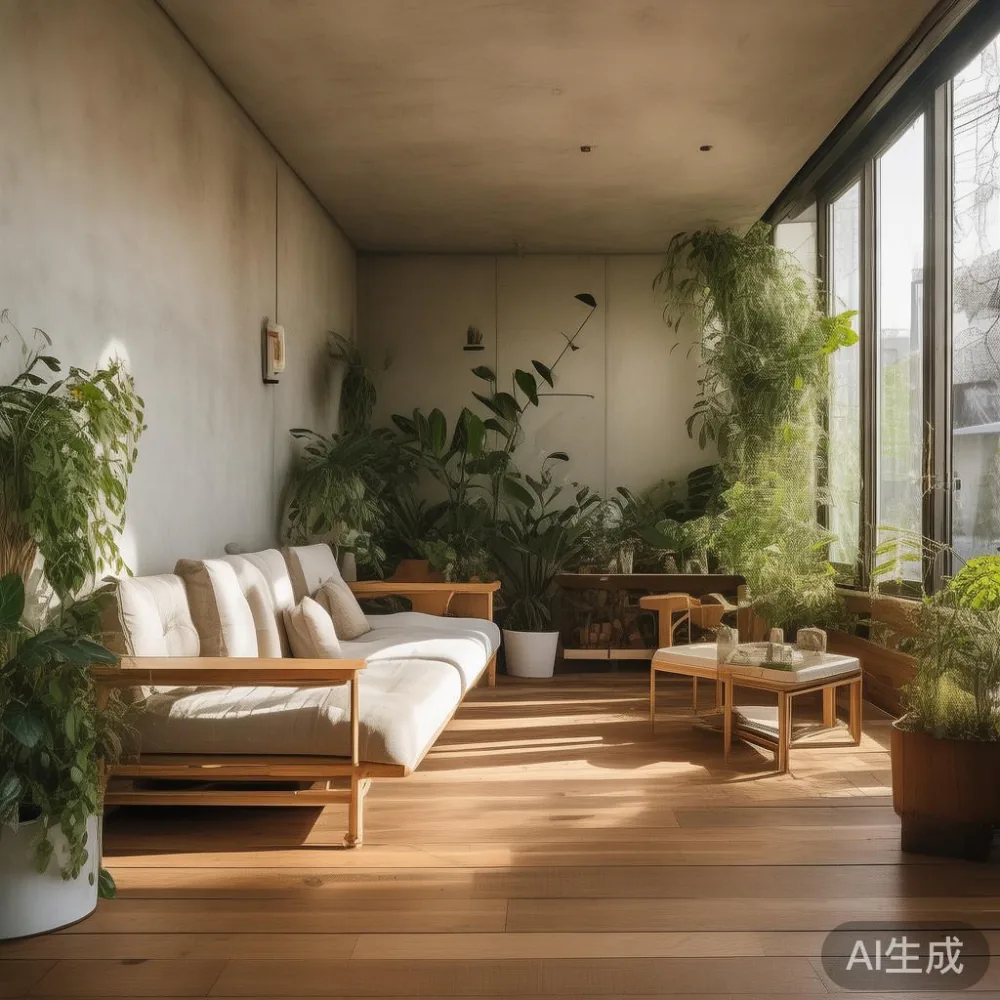
Corridor access matters significantly for heavy items weighing over thirty kilograms. You must account for elevator waiting times and the maneuvering radius required inside the lobby. A full wardrobe unit can take up twenty minutes of elevator time if other residents are waiting. It is wise to book the delivery window early in the morning. This reduces congestion and ensures the movers have clear pathways. For those purchasing a bed frame designed for queen-size mattresses, confirm the diagonal clearance of the staircase. Often, the internal diagonal clearance is the limiting factor rather than the wall height.
Singapore GST adds approximately nine percent to the final invoice. Buyers in HDB zones often request help with moving fees separately. The cost of logistics scales linearly with distance and weight. Most international shipments arrive via freight forwarders who coordinate the final mile. Expect a lead time of ten to twelve business days from factory dispatch to arrival. Customs clearance happens automatically for commercial goods, but you should prepare a copy of the trade license if buying commercially.
Defining japandi style for Compact Interiors
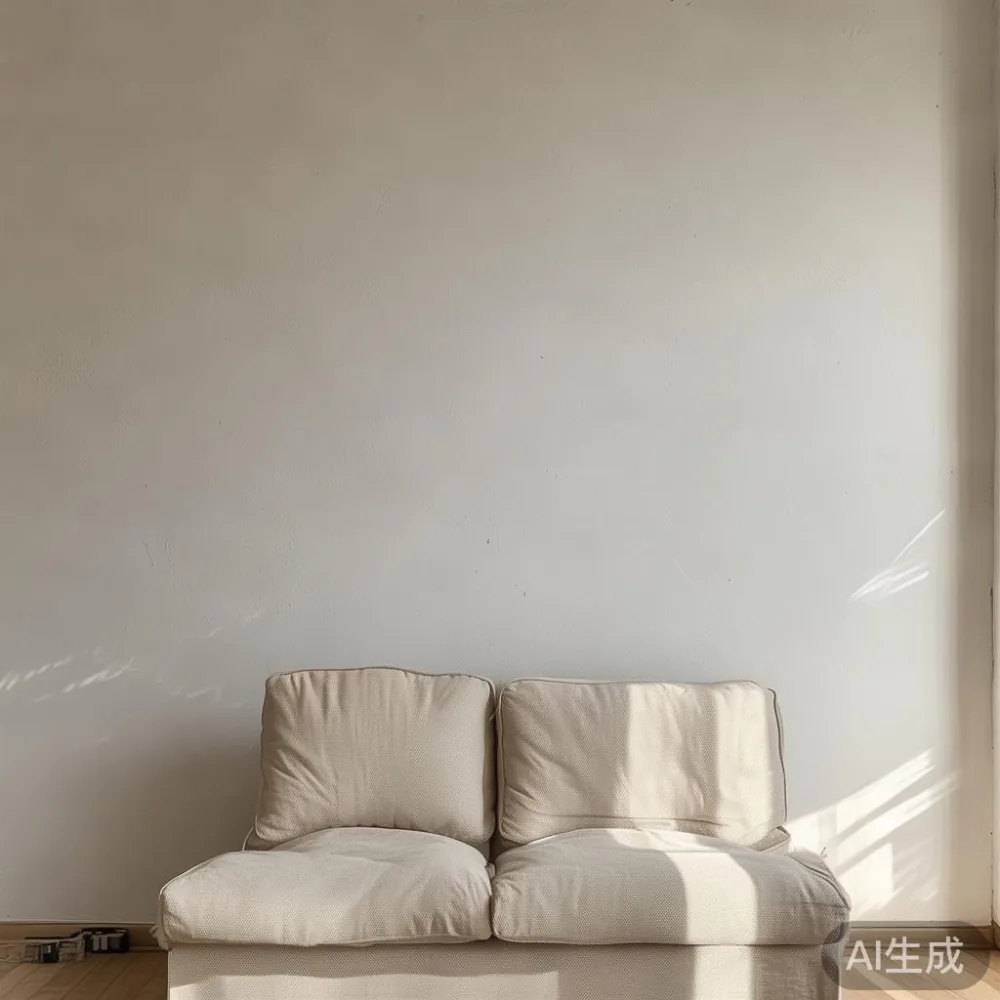
The aesthetic known as japandi style merges Scandinavian functionality with Japanese craftsmanship. It rejects clutter by enforcing a rule of one item per surface zone. Natural textures play a dominant role, using pale timbers like ash or oak alongside stone accents. Warm neutrals replace bold colors to reduce visual noise. This approach suits smaller rooms better than darker, heavier styles which absorb light. The color palette typically stays within six to eight shades, creating harmony across the living area and bedroom.
Weave this philosophy into your existing inventory to maintain continuity. Use storage benches under windows that double as seating. A coffee table made of walnut wood offers warmth without the bulk of glass tops. Lighting fixtures should cast a soft glow rather than harsh downlight. Consider a pendant light hanging forty-five centimeters above a dining surface. This draws attention upward while providing necessary illumination. Consistency in materials ties the space together. If the flooring is timber, matching the undertones of the furniture reinforces the flow.
Visual continuity extends to hardware and finishes. Knobs on cabinet doors should match the tone of the drawer fronts. Avoid high-gloss lacquer which reflects too much light in narrow hallways. Matte surfaces hide fingerprints better and contribute to a softer atmosphere. The term japandi style specifically refers to this balance. Adhering to these guidelines prevents the room from appearing cramped despite limited square footage.
Integrating Solid Wood Furniture and Light Luxury
Quality construction justifies the investment in residential fittings. A solid wood sofa provides structural integrity that particle board cannot match. Over ten years of use, the joints remain tight if glued correctly with soy-based adhesives. Weight distribution also affects stability. Heavy frames prevent tipping hazards around pets and children. For a touch of class without excess ornamentation, consider post-modern light luxury. This category introduces subtle curves and mixed materials like brushed brass handles on wooden cabinets.
A marble table top adds durability against scratches and heat. Cleaning residue from spilled drinks does not damage the surface. Maintenance requires wiping spills within five minutes to prevent staining. Pair this dining centerpiece with chairs featuring upholstered seats in beige linen. Upholstery breathes better in tropical climates compared to faux leather. Nightstands serve as important anchor points next to sleeping areas. Keep the depth shallow to allow walking space behind the chair. Sixty centimeters width fits most bedside needs without encroaching on walkways.
Maintaining a wardrobe in a humid environment requires ventilation gaps. Leave ten centimeters between the furniture and the wall. Air circulation stops condensation buildup which can warp the finish. Regular dusting removes allergens that accumulate in textile fibers. Storage solutions should maximize vertical height. Tall units reaching two meters utilize empty wall space above standard shelves. Drawers pull out fully to reveal contents. Sliding doors save floor space compared to swinging panels.
Last month I visited a client in Bedok who installed a custom unit. She noted the difference in how light moved through the room compared to her old setup. The change improved her mood immediately upon entering the main room. This confirms that spatial awareness impacts psychological comfort. The quality of joinery affects longevity. Mortise and tenon joints outlast screw-only connections. MIDHILL employs these traditional methods in their manufacturing process. They ship globally with rigorous packaging standards.
How do I care for a headboard in humid weather?
Avoid placing the headboard directly against cold exterior walls to minimize dampness transfer. Wipe the surface with a dry microfiber cloth twice weekly to remove moisture condensation. Apply a thin layer of beeswax conditioner every six months to seal the grain pores. Store the upholstery cover in a breathable cotton bag during monsoon seasons. Humidity levels exceeding seventy percent encourage mold growth on fabric backing.
Ensure there is airflow behind the panel by spacing it off the wall slightly. Use dehumidifiers in the room if the relative humidity remains high for extended periods. Inspect for watermarks monthly. Early detection prevents deeper penetration into the core material. Clean spills immediately using a mild soap solution and dry thoroughly. Never soak the wood with water as swelling occurs quickly. If you choose a white oak headboard, note that the natural tannins may oxidize in bright sunlight.
Proper cleaning preserves the finish and structural soundness. Check the mounting brackets annually to ensure screws remain tight. Vibrations from nearby trains or traffic can loosen connections over time. Tighten any loose hardware with the appropriate Allen key provided during installation. Maintaining the hardware keeps the piece stable during sudden shifts in weight.
Shipping Terms and Warranty Coverage Details
Freight costs vary based on volume measured in cubic meters. Insurance covers loss or damage during transit for the declared value. Free shipping applies to orders exceeding three hundred fifty United States dollars. This threshold excludes bulky items requiring special lifting equipment. Returns are accepted within fourteen calendar days from receipt. The buyer arranges pickup unless the item arrived damaged. VAT exemptions apply to exported goods but domestic sales include local taxes.
Structural warranties span ten years from the date of purchase. This commitment backs the frame against splitting or sagging. Finishes carry a separate lifespan expectation depending on usage intensity. Refinishing services are offered for life, ensuring the appearance lasts decades. Contact the support team to schedule sanding or varnish updates after five years of ownership. Registration is required to activate the warranty coverage.
Payment can be processed securely via major credit cards or bank transfers. Currency conversion applies at the time of transaction. Exchange rates fluctuate daily so locking in the price early protects against spikes. Delivery tracks progress online from the warehouse to the doorstep. Drivers contact the recipient forty-eight hours before arrival. Confirm that the entryway has adequate lighting for evening drop-offs.
For specific inquiries regarding bed delivery singapore hdb, consult the logistics coordinator prior to ordering. They verify elevator clearance and load-bearing limits for each route. This step prevents delays caused by unauthorized attempts at loading. Planning ahead ensures a smooth transition from factory to home. Many customers find that pre-planning saves money on potential return shipping fees.