Creating Serene, Spacious Interiors in Singapore's Small Apartments
Living in a Singaporean apartment, whether a 4-room flat in Tampines or a compact condo in Punggol, presents a unique design challenge. The spaces are efficient, often under 100 square metres, and the corridors and lift landings can be narrow. The goal is to create an environment that feels open, calm, and uncluttered, without sacrificing functionality or style. This is where the philosophy of japandi style becomes not just an aesthetic choice, but a practical solution for modern urban living.
What is Japandi Style and Why Does It Work for Small Spaces?
Japandi style is a thoughtful fusion of Japanese minimalism and Scandinavian functionality. At its core, it embraces the Japanese principle of 'ma', which refers to the concept of negative space or the emptiness between objects. This is balanced with the Scandinavian love for natural materials, clean lines, and a warm, inviting atmosphere. When applied to a small apartment, this approach is incredibly effective. Instead of filling every corner with furniture and decor, japandi style encourages you to be selective. It prioritises quality over quantity, ensuring each piece has a purpose and a place. The result is a home that feels intentionally designed, not just furnished, allowing the eye to rest and the mind to feel at ease. This deliberate use of space is key to making a 60-square-metre bedroom feel like a sanctuary rather than a squeeze.
Choosing Furniture That Breathes: The Japandi Way
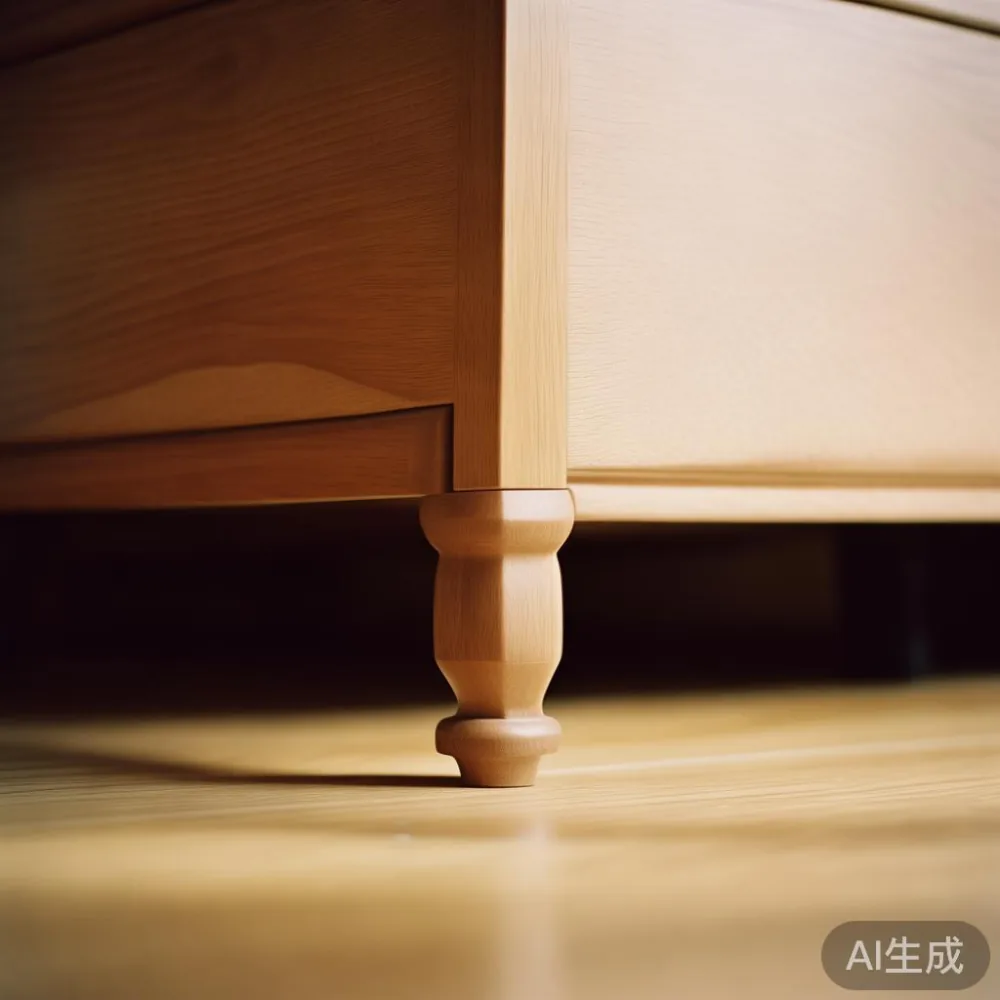
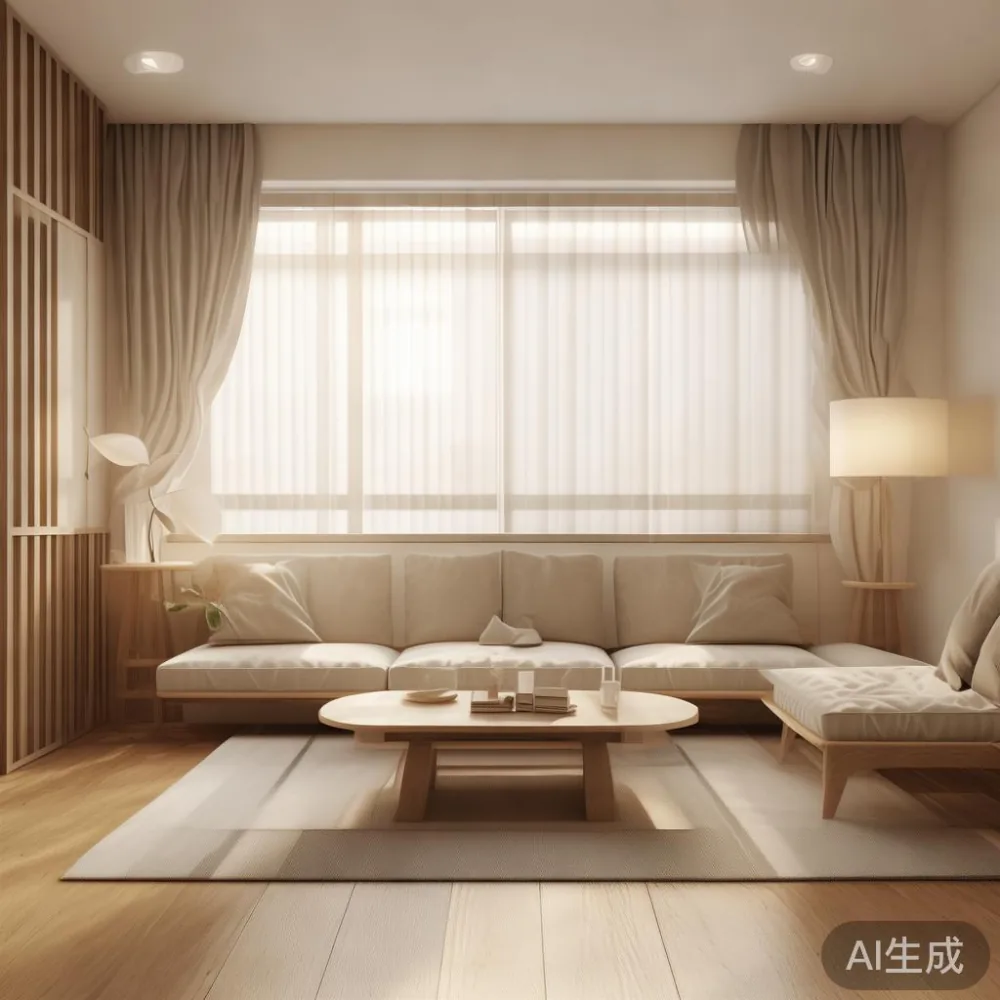
The furniture you select is the foundation of your japandi-style apartment. The guiding principle is to choose pieces that are visually light and multi-functional. In Singapore, where HDB corridors are often just 1.2 metres wide, a bulky sofa can dominate a living room and make working through the space a chore. Instead, consider a low-profile solid wood sofa with slender legs. This design choice lifts the sofa off the floor, creating an illusion of more floor space. The material, solid wood, adds a touch of natural warmth and durability that aligns perfectly with japandi values. My colleague recently downsized from a landed property to a Bedok condo and found that switching to a smaller, leggy sofa was the single most effective change she made. It instantly made her living area feel 20% larger and more airy.
For the bedroom, a bed frame with a simple, clean silhouette is important. A platform bed with integrated storage is a fantastic option for small apartments, as it eliminates the need for a bulky under-bed storage container, saving a important 15-20cm of vertical space. A marble table used as a nightstand can add a touch of sophisticated texture without overwhelming the space. Its cool, reflective surface also helps to bounce light around the room, making it feel brighter and more open.
How to Arrange Furniture for Maximum Flow in a Singapore Apartment
Once you have your furniture, the next step is arranging it to promote a sense of flow. In a small apartment, every centimetre counts. Start by mapping out the primary pathways through each room. These should be at least 60cm wide to allow for comfortable movement. Avoid placing furniture directly in these walkways. For example, in a living-dining area, position the solid wood sofa facing the television, but leave a clear path of at least 80cm from the sofa to the dining table. This arrangement creates distinct functional zones without feeling segregated.
In a bedroom, ensure there is at least 70cm of space on either side of the bed for easy access. If you have a wardrobe, place it against the longest wall to maximise floor space. For those in Punggol's newer executive condominiums with slightly more generous layouts, you might have the luxury of a separate study nook. Here, a small, elegant desk paired with a streamlined chair can create a productive corner that doesn't encroach on the living area.
Is a Large Dining Table a Mistake in a Small Singapore Home?
This is a common question for residents of Singapore's compact apartments. The temptation is to buy a large dining table to host friends and family, but this can often backfire, making the space feel cramped and unusable on a daily basis. The japandi approach is to choose a dining table that is proportional to the room. For a typical 4-room flat dining area, a table that seats 4 people comfortably is often the most practical choice. Look for a MIDHILL dining table with an extendable leaf. This allows you to expand it from 140cm to 180cm when guests arrive, and then retract it to 140cm for everyday use, saving a significant amount of floor space. This flexible solution embodies the japandi spirit of intelligent, adaptable design.
When selecting a table, the material and colour are important. A light-coloured wood or a piece with marble accents can help reflect light and make the space feel larger. The idea is to create a focal point that is elegant and functional, not a bulky obstacle.
Storage Solutions That Hide in Plain Sight
Clutter is the enemy of a spacious-feeling home, and in a small apartment, storage is paramount. The key to japandi-inspired storage is to integrate it smoothly into the design. Instead of a large, standalone wardrobe that dominates a bedroom wall, consider a built-in wardrobe system. These can be customised to fit the exact dimensions of your wall, from floor to ceiling, making the most of every vertical centimetre. Sliding door wardrobe options are particularly good for narrow spaces, as they eliminate the need for a clearance arc that hinged doors require.
For the living area, choose furniture that doubles as storage. An ottoman with a hollow interior can store blankets and pillows. A console table with drawers can hide away mail and keys. The best Boho wardrobe for 2026 might be one that combines a rustic, natural wood finish with clever internal organisers, proving that style and practicality can go hand in hand. The goal is to have a place for everything, so that surfaces remain clear and uncluttered, reinforcing the calm, minimalist aesthetic of japandi style.
Lighting and Colour: The Final Touches for a Japandi Home
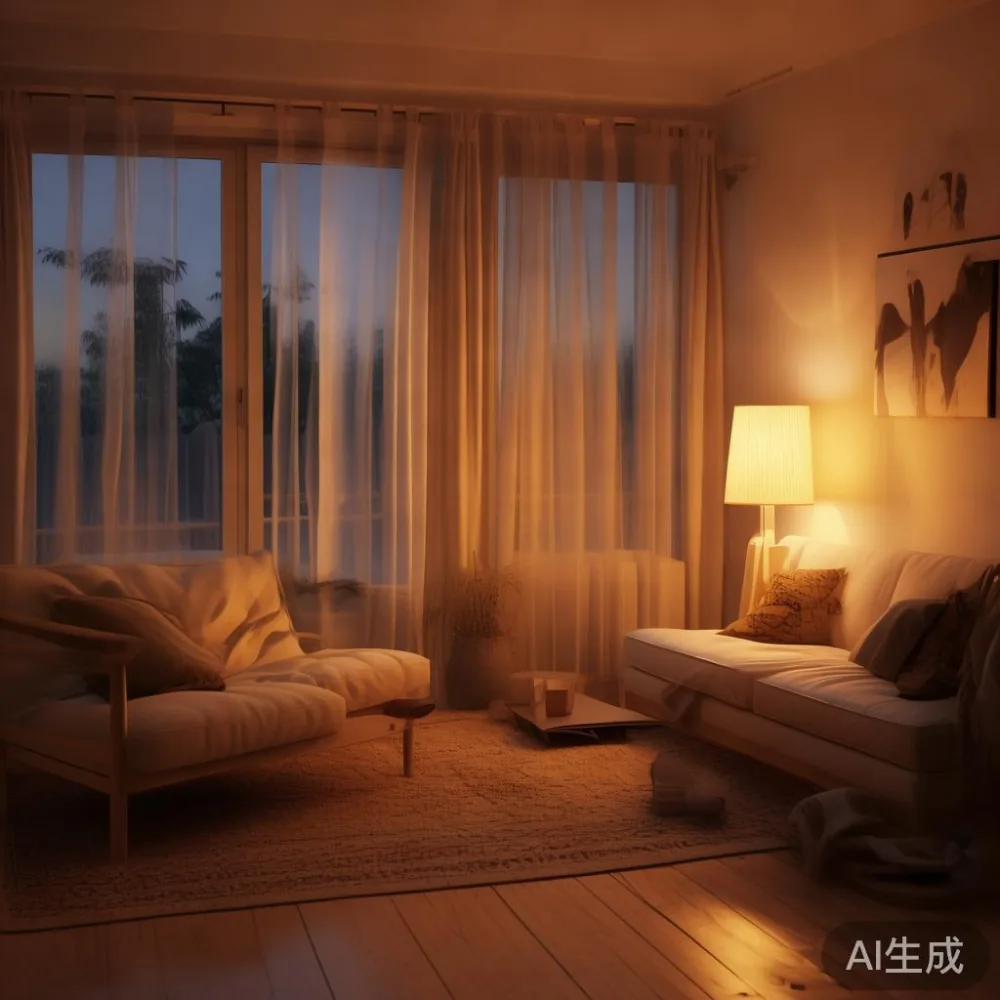
Lighting and colour are the final elements that will tie your japandi-style apartment together. The colour palette should be muted and natural, drawing inspiration from the woods and stones used in your furniture. Think soft greys, warm beiges, and creamy whites. These colours act as a neutral backdrop, allowing the natural textures of the wood and marble to take centre stage. Walls in a light, reflective shade can make a room feel significantly larger.
Lighting should be layered to create a warm and inviting atmosphere. A single overhead light can create harsh shadows. Instead, combine ambient lighting (like a soft pendant lamp over the dining table), task lighting (like a desk lamp in a study nook), and accent lighting (like a small floor lamp in a corner). The use of warm-toned bulbs, around 2700K to 3000K, will enhance the cosy, Scandinavian feel. An Italian light luxury dining table, for instance, would be perfectly complemented by a simple, elegant pendant light that highlights its beauty without competing with it.
Investing in Quality: A Long-Term Japandi Philosophy
p>The japandi philosophy is not just about aesthetics; it's a mindset of mindful consumption. It encourages investing in a few, high-quality pieces that will last for years, rather than filling your home with disposable, fast-furniture items. This approach is not only better for the environment but also for your wallet in the long run. When you buy a piece of furniture, you are buying a story of craftsmanship and durability.
For example, a well-made solid wood sofa is an investment. It will not only provide comfort for years but its value will hold better than a cheaper, mass-produced alternative. The same goes for a bed frame or a dining table. When considering a purchase, think about its lifespan and its role in your home. Is mid-century modern sofa worth it? If it's a high-quality piece made from sustainable materials with timeless design, then the answer is often yes. It becomes a centrepiece of your home, not just a place to sit. Similarly, when you see 'for sale Post-modern furniture', consider if its bold lines and unique form will integrate with your calm, minimalist space, or if it will become a visual distraction.
Ultimately, styling a small apartment with japandi style is about creating a harmonious balance between form and function, beauty and practicality. It’s about curating a space that reflects a slower, more intentional way of living. By choosing furniture that is light, multi-functional, and made from natural materials, by arranging it thoughtfully to maximise flow, and by focusing on clever storage and a calming colour palette, you can transform even the most compact Singaporean apartment into a serene and spacious sanctuary. It’s a design approach that respects the space you have and enhances the quality of your life within it.