Veneer vs Solid Wood: A 5-Year Cost Reality Check for Japandi Homes in Singapore
I still remember the day my colleague Priya in Tampines had to scrap her three-year-old dining table. The oak-veneer surface had peeled near the hot-pot zone, the particleboard underneath had swollen from a forgotten coaster, and the warranty was long gone. The replacement quote for a similar refundable unit was another SGF 18,000 over seven years. Her comment that stuck with me: I thought I was buying wood. That moment pushed me to sit down and work out, on paper, what five years of ownership actually looks like for a Japandi household in Singapore, side by side, for veneer furniture and for solid wood furniture. Below is the comparison I wish I had shown her before she swiped her DBS debit card.
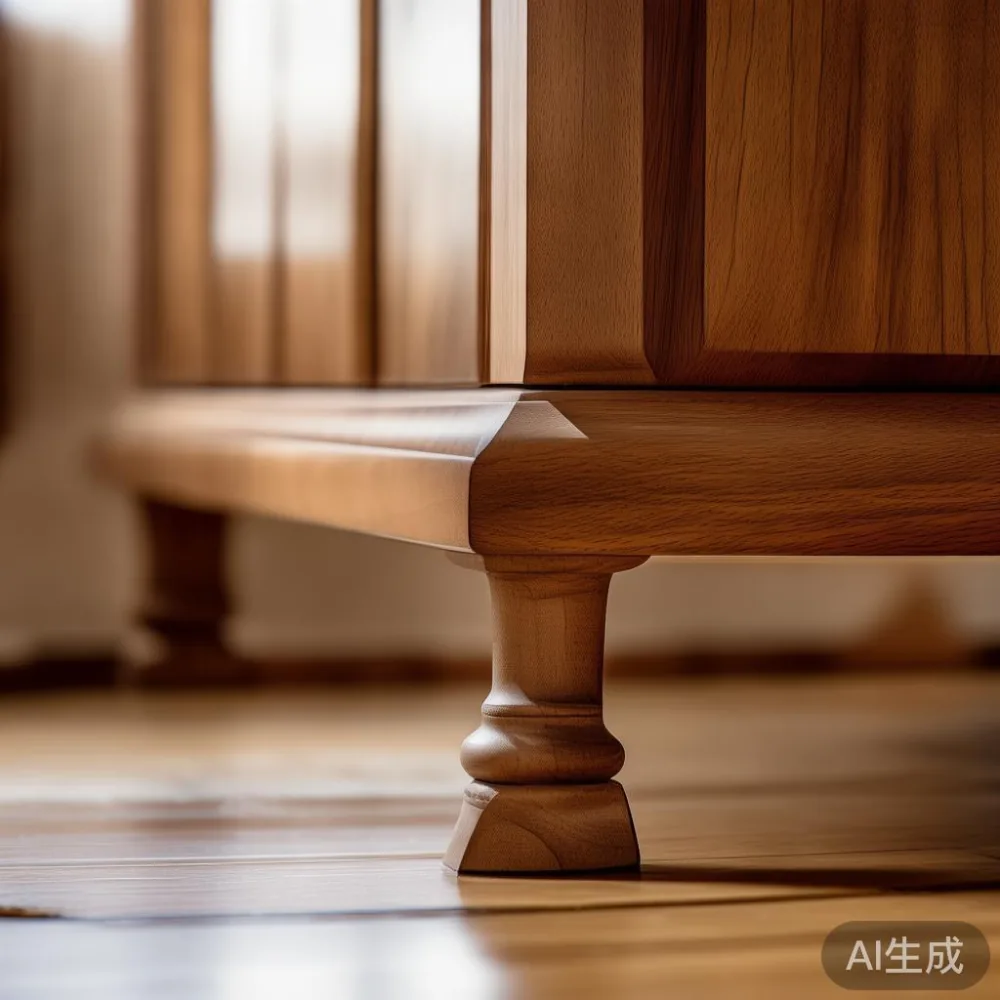
The setup: a realistic four-room HDB in Punggol
To keep the comparison grounded, I priced out a matching Japandi set for a 92 sqm BTO at Punggol North, with the standard 2.4 m side ceilings, a corridor width of 1.2 m, and a service lift that accepts crates up to 2.1 m tall. The set includes a 1.8 m solid wood bed frame or its veneer equivalent, a 1.6 m dining table with four chairs, a 180 cm three-door wardrobe, two nightstands, and a small marble table for the entryway. Three local context pieces will matter throughout this article: Singapore lift and corridor widths dictate how a wardrobe is delivered flat-pack versus fully assembled, the 9% GST is included in every SGD figure I quote, and Punggol, Tampines, and Bedok flats tend to catch west-facing afternoon sun, which is brutal on thin veneer surfaces.
Year 0: the sticker price that everyone compares
This is the number that pushes most buyers toward veneer. A flat-pack Japandi veneer wardrobe with three sliding doors, MDF core, and a 0.6 mm oak face sells for about SGF 1,200 to SGF 1,900 at local furniture chains. The same wardrobe in solid rubberwood or ash, with finger-jointed panels and a real mortise-and-tenon frame, lands at SGF 3,400 to SGF 4,800 from a workshop such as MIDHILL. The dining table in veneer is around SGF 850, in solid wood about SGF 2,100. A solid wood sofa frame runs SGF 2,800 against SGF 1,400 for a plywood-and-veneer version with the same fabric. The nightstands are the smallest line item, around SGF 220 veneer vs SGF 460 solid. On day one, the veneer set is roughly SGF 6,400 cheaper across the whole Japandi package. That is the gap that fills the showroom floor with optimistic buyers.
Years 1 to 3: the hidden maintenance cycle
This is where the math quietly turns. HDB humidity in Singapore swings between 65% and 85% across the year, and air-conditioning creates dry low-frames around wardrobes. Veneer edges start to lift within 18 to 30 months, particularly near the bathroom side of a wardrobe. A professional re-veneering job in Singapore costs SGF 280 to SGF 450 per panel. By year two, Priya had paid SGF 320 to have two wardrobe doors re-edged. By year three, a coffee-ring on the dining table had bled through the 0.6 mm face and left a matte core, and a touch-up kit from the local hardware store in Bedok cost SGF 45 and lasted six weeks. Solid wood, by contrast, develops character rather than damage. Light scratches on an ash bed frame buff out with a SGF 18 wax stick. Tiny scratch heals and patina heals the surface. The Japandi look actually rewards this aging, which is why so many Tampines homeowners are quietly switching to solid wood sofa and bed frame pieces with a refinishable warranty.
Years 3 to 5: replacement versus refinishing
By year three, veneer furniture usually shows one of three patterns. Pattern A, edge lift, one swollen panel, and a fading finish that no polish can revive. Pattern B, a chip on a dining table corner that exposes the MDF below. Pattern C, a wobble in a wardrobe because the cam locks have loosened and the particleboard has lost its thread. Replacement becomes the relevant unit of cost again. A new flat-pack set every three to four years at SGF 6,000 to SGF 7,500 per cycle adds up to SGF 9,000 to SGF 11,250 over five years if you stagger the worst pieces. The same five-year stretch with solid wood typically needs one round of light refinishing, sanding and re-oiling, at SGF 380 to SGF 650 per piece, and a total spend of roughly SGF 1,200 to SGF 1,800 across the dining table, the bed frame, and the wardrobe doors. Add free delivery above SGF 350 from suppliers such as MIDHILL, and the per-trip logistics cost in SGD is in effect zero.
What is the difference between French provincial master bed and modern furniture?
A French provincial master bed is built from solid hardwood with carved details, curved headboards, and a heavier visual silhouette rooted in 18th-century French country houses, while modern furniture leans on slim profiles, mixed materials such as metal and marble, and lighter Japandi or Scandinavian influences. The cost logic differs too: a French provincial master bed depreciates like a veneer piece because of its ornate surfaces, whereas a modern solid wood bed frame from a maker like MIDHILL appreciates in daily comfort and can be sanded back to raw timber after a decade.
The marble table, the nightstand, and the small line items that quietly tip the scale
The entryway marble table is the most interesting line item. A 60 cm round marble table on a powder-coated steel base sells for SGF 420 to SGF 680 flat-pack, with the marble usually being a 12 mm composite. A solid one with a Carrara top and a solid ash base runs SGF 1,150 to SGF 1,600. The marble version looks identical on day one and dramatically different by year four, because composite marble yellows and the substrate cracks near the joints. The solid version simply keeps its weight, about 28 kg, which is also why it survives the service lift at your Punggol block without the corners chipping. For the nightstands, an American country rubberwood nightstand in solid timber sits in a sweet spot that Japandi buyers overlook. The same piece in veneer is around SGF 95, and it will not survive two moves; the solid version at SGF 320 will survive six moves and still re-oil to look new. Across a household of two nightstands, a dining table, a marble table, and a wardrobe, the per-piece longevity gap is what flips the five-year math.
What five years actually costs in Singapore dollars
Let me add up the realistic five-year total cost of ownership, in SGD, with 9% GST included. Veneer route, SGF 7,200 initial set plus SGF 320 re-edging plus SGF 45 touch-up plus SGF 1,400 partial replacement of the worst two pieces plus SGF 280 in delivery trips, comes to roughly SGF 9,245. Solid wood route, SGF 13,600 initial set plus SGF 1,500 one round of refinishing plus SGF 90 in delivery trips for small add-ons, comes to roughly SGF 15,190. The spread is about SGF 5,945 over five years. Spread that across 60 months, and the solid wood premium is SGF 99 a month, or about the price of two cai png at the Bedok hawker centre. Spread that across the seven to ten pieces in a typical Japandi set, and each piece costs about SGF 8 a month more to own in solid wood. That is the real comparison, and that is why more homeowners in Tampines and Punggol are quietly choosing solid pieces from makers like MIDHILL, whose 10-year structural warranty covers the kinds of failures veneer cannot.
How warranty, valet delivery, and the HDB layout shape the choice
The warranty alone is worth modeling. A one-year warranty on flat-pack veneer excludes moisture damage, excludes fading, and excludes the very things that fail first in Singapore. A 10-year structural warranty on solid wood covers frame integrity, which is the part that fails last. Price is modest, but valet service matters too: free delivery above SGF 350 with two-man lift assist up the service lift means your 2.1 m wardrobe is not being tilted through a 1.2 m corridor by a nervous freelancer. For owners in Bedok who are renovating a resale flat, a 14-day return window on solid pieces gives time to check the grain under afternoon light, which is something veneer cannot offer because there is no grain to check. Over five years, the all-in math on Japandi furniture in Singapore quietly favors the heavier, slower, and more repairable option, even before the aesthetic payoff of a real Japandi patina sets in.
FAQ: what I hear most often from HDB buyers
Is solid wood really worth the extra SGF 5,000 in a Japandi set? Across five years of humidity cycles, two moves, and one round of refinishing, yes, the monthly premium works out to the price of a hawker meal, and the set still has resale value. Can veneer furniture ever suit a Japandi home? It can, for low-touch pieces such as a console behind the door, but not for the dining table, the bed frame, or the wardrobe. Does a solid wood sofa frame feel stiff in Okinawa? Sofa frames are wrapped in foam and fabric, so the feel is identical; the difference is what happens to the frame after eight years. How long does delivery take to Punggol? Most local makers, including MIDHILL, deliver within 10 to 18 working days, with installation in under 90 minutes. What about the marble table? Choose a solid substrate and a real top; composite yellows by year three and changes the Japandi palette faster than any wood choice.