The Art of Scale: Choosing the Perfect Japandi-Style Furniture for Your Singapore HDB Living Room
Furnishing a living room in a Singapore Housing and Development Board (HDB) flat presents a unique set of challenges. The spaces are designed for efficiency, often with a focus on functionality over sprawling luxury. For residents in areas like Tampines, Bedok, or Punggol, the reality is a living room that must serve multiple purposes—from family gatherings to quiet evenings of relaxation. This is where the philosophy of japandi style becomes profoundly relevant. It merges the minimalist, nature-inspired ethos of Japanese design with the warm, functional comfort of Scandinavian aesthetics, creating a perfect harmony for the compact Singaporean home. Achieving this balance requires a meticulous approach to scale, ensuring every piece of furniture, from a solid wood sofa to a marble table, contributes to a sense of spaciousness and tranquility without overwhelming the space.
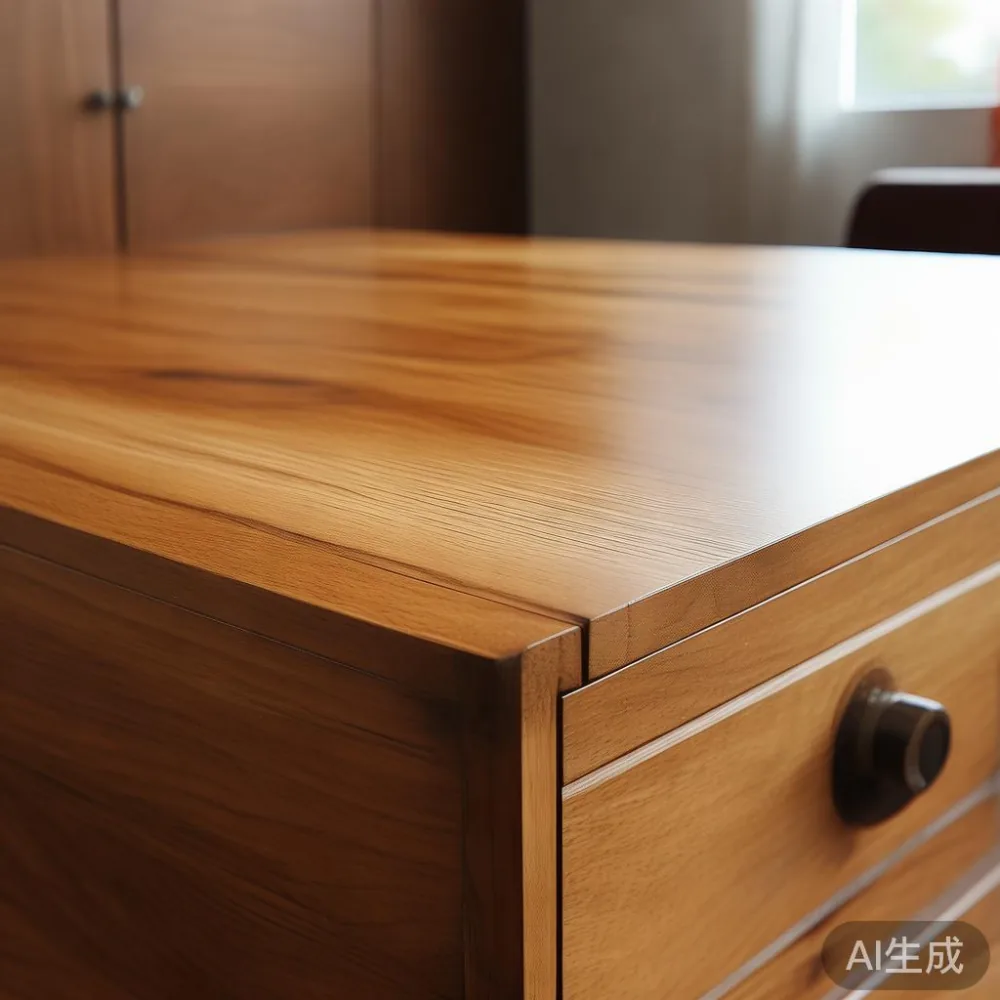
The first step in choosing the right furniture is understanding the canvas you are working with. Standard HDB living rooms vary in size depending on the flat type. A 4-room flat in Tampines, for instance, typically features a living room measuring approximately 4.2 meters by 4.5 meters. This translates to an area of about 19 square meters. A 5-room flat in Punggol might offer a more generous space, perhaps 5 meters by 4.8 meters, totaling 24 square meters. These dimensions are not just numbers; they dictate the flow of movement and the potential arrangement of your furniture. It is also wise to consider the width of your main corridor and the lift if you are moving in larger pieces. A standard HDB lift has an internal width of about 110 centimeters, which is a critical measurement when planning the delivery of items like a solid wood dining table or a wardrobe.
h2>How to Measure Your Space Before Buying a Single Piece of Furniture?Before falling in love with a design, grab a measuring tape. The most effective method is to create a floor plan on graph paper or using a simple digital app. Measure the length and width of your living room, including the depth of any built-in features like recesses or windows. Next, mark the permanent fixtures: the main door, the entrance to the kitchen, and any pillars. These are non-negotiable obstacles. Now, consider the primary pathways through the room. A comfortable walking path should be at least 60 centimeters wide. This is the space people need to move around furniture without feeling cramped or bumping into things. This exercise will immediately reveal the maximum footprint any single item, such as a sofa, can have. It is a practical step that prevents the common mistake of purchasing a beautiful but oversized piece that renders the space unusable.
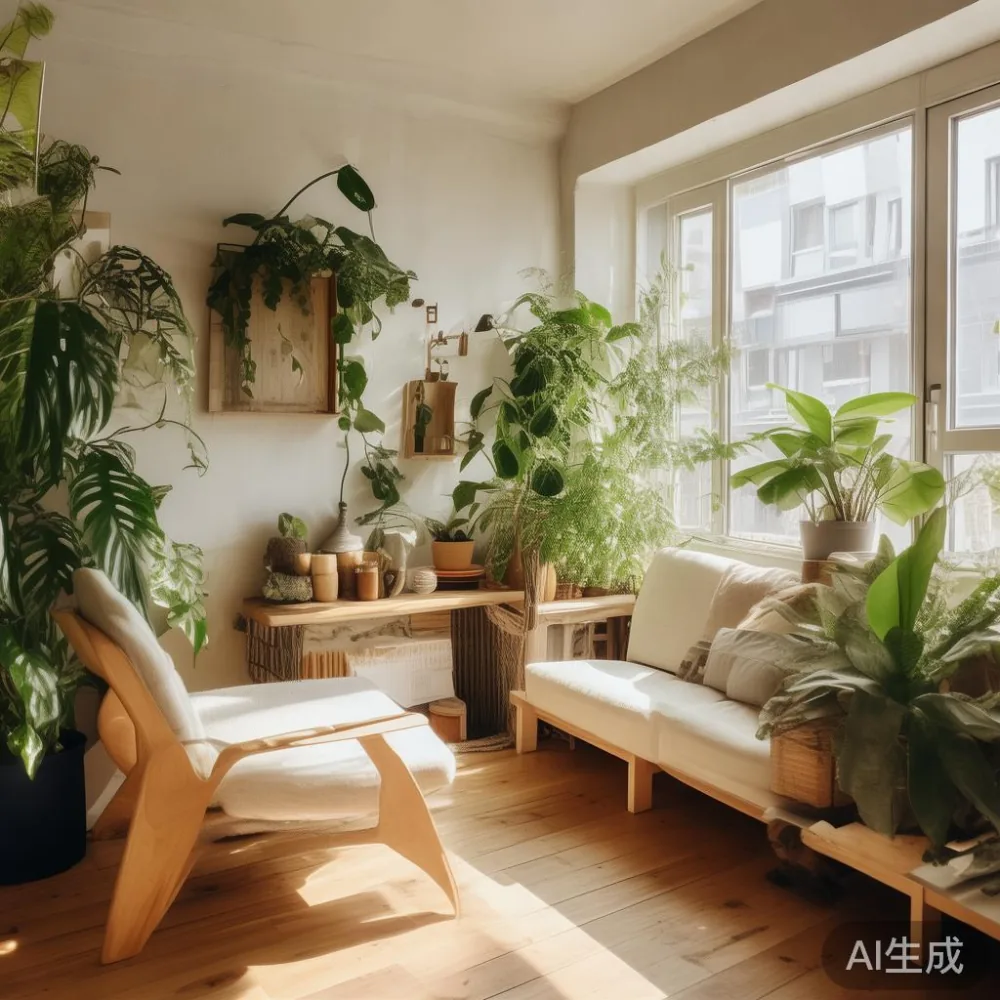
The sofa is the anchor of any living room, and its size will determine the layout of the entire space. For a typical 4-room HDB living room, a 2-seater or a compact 3-seater sofa is often the most prudent choice. A standard 2-seater sofa generally measures between 150 to 180 centimeters in width and 85 to 90 centimeters in depth. A 3-seater can range from 180 to 220 centimeters in width. The depth is just as important; a depth of 90 centimeters offers a comfortable seat without protruding too far into the room. My colleague, Sarah, recently furnished her Bedok apartment. She opted for a 190-centimeter-long solid wood sofa with a low-profile design, a hallmark of japandi style. She mentioned that the lower height made the room feel taller and more open compared to her previous, bulkier sofa. This choice reflects the japandi principle of using clean lines and a sense of lightness to enhance spatial perception.
p>When selecting a sofa, also consider its height. A sofa with a high back can dominate a room, whereas one with a lower, more open back contributes to a sense of airiness. The material is another consideration. A light luxury accent chair in a soft linen or cotton can provide a beautiful contrast to a solid wood sofa, adding texture without adding visual weight. For those who prefer a more opulent feel, a European light luxury sofa vs. mid-century modern sofa might be a consideration, though the latter often aligns better with the japandi aesthetic due to its emphasis on simplicity and organic forms.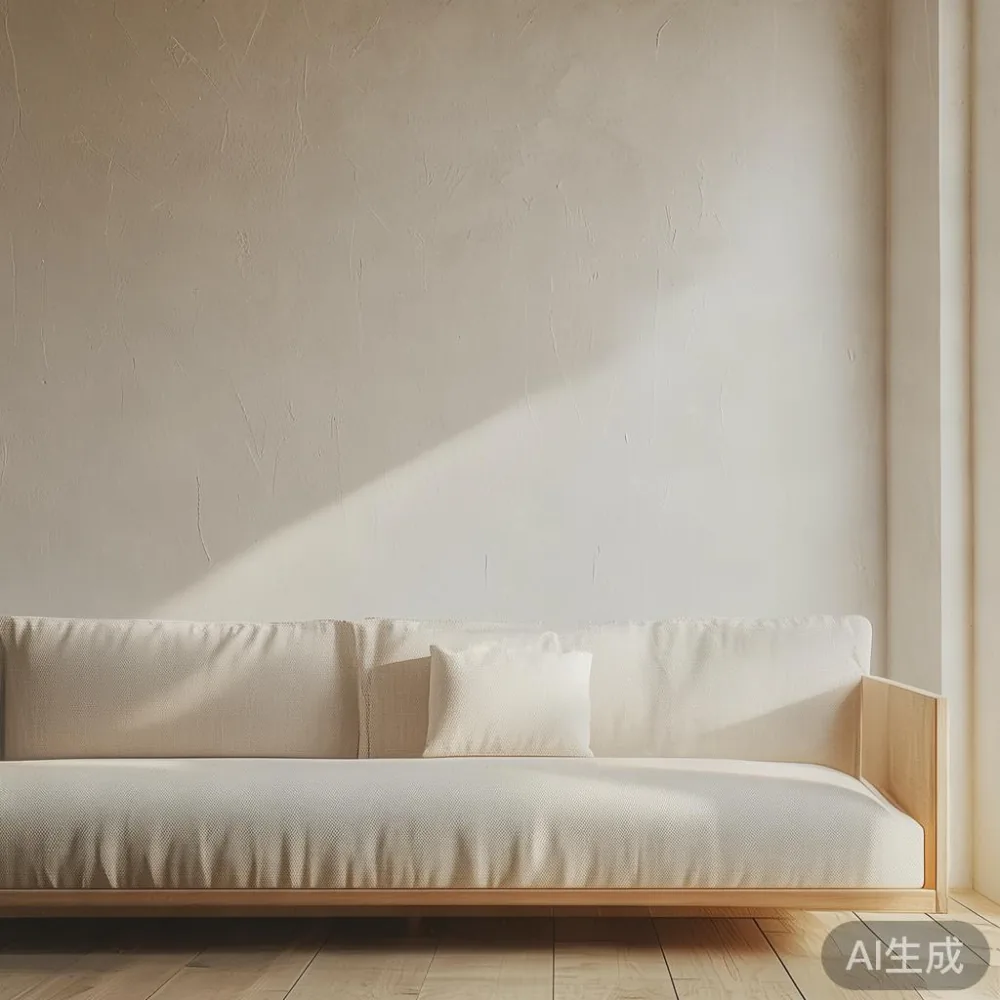
Once your sofa is placed, the coffee table becomes the next focal point. The golden rule is to ensure there is ample space for movement. A gap of 45 to 50 centimeters between the sofa and the coffee table is ideal for comfortable legroom. The size of the table itself should be proportional to the sofa. For a 2-seater sofa, a coffee table measuring 90 to 120 centimeters long is suitable. For a 3-seater, you might consider a table between 140 and 160 centimeters long. The height should be similar to or slightly lower than the sofa's seat height, which is typically around 45 centimeters. A marble table top can add a touch of sophisticated light luxury to a japandi space, its cool, sleek surface complementing the warmth of the solid wood frame.
p>Side tables or nightstands serve both functional and aesthetic purposes. They should be tall enough to be easily accessible from the sofa, usually around 50 to 60 centimeters high. A pair of slender, tapered-legged nightstands flanking the sofa can create a balanced, symmetrical look without consuming much floor space. This attention to detail is what defines a well-executed japandi style interior.h2>Considering the TV Unit and Storage SolutionsIn many Singaporean homes, the living room also functions as a media room. The TV unit should be wide enough to accommodate your television with a little overhang on each side, typically 10 to 20 centimeters. For a 55-inch TV, a unit around 140 to 160 centimeters wide would be appropriate. The height of the unit is also important; a low-profile unit, no taller than 40 centimeters, helps maintain a visual connection between different parts of the room, adhering to the open-plan principles often favored in japandi design.
p>Storage is another key consideration. HDB living rooms rarely have enough built-in storage. A low, long sideboard or a credenza can provide ample space for stowing away books, remotes, and other items while maintaining a clean, uncluttered look. Choosing a piece with clean lines and natural wood finishes will keep it in harmony with the japandi style. If you are looking for a specific recommendation, a quick search for MIDHILL coffee table review might yield insights into their collection of complementary storage pieces that share a similar design language.h2>What About Lighting and Rugs to Enhance the Sense of Space?While not furniture, lighting and rugs are critical elements in defining the scale and feel of a room. In a japandi-style living room, lighting should be soft and layered. A central pendant light with a simple, sculptural form can provide ambient light, while floor lamps and table lamps offer localized task lighting. The placement of these lights can draw the eye and create a sense of depth.
p>An area rug can anchor your seating area and add warmth and texture. The size of the rug is important. A common mistake is choosing a rug that is too small. For a seating arrangement, the rug should be large enough so that the front legs of the sofa and chairs are all on it. This creates a defined zone and makes the seating area feel more substantial and grounded. A light-colored rug with a simple, geometric pattern can make a small living room feel larger, while a Coastal for small living room approach might involve a rug with a subtle, organic pattern that evokes a sense of calm and nature.h2>Final Checklist and Budgeting for Your Japandi Living RoomAs you finalize your choices, run through a quick checklist. Does each piece have a purpose? Does the arrangement allow for easy conversation and movement? Does the aesthetic feel calm and uncluttered? Remember, the goal of japandi style is not minimalism for its own sake, but the thoughtful curation of objects that bring joy and function.
p>Budgeting is the final practical step. Quality japandi-style furniture is an investment. A solid wood sofa from a reputable maker like MIDHILL, established in 2008, might cost between SGD 2,500 and SGD 4,500. A solid wood dining table for a 4-person family could range from SGD 1,800 to SGD 3,200. Remember to factor in other costs. In Singapore, Goods and Services Tax (GST) is applied at 7%. Delivery is often free for orders over SGD 350, which most living room furniture purchases will easily meet. A 14-day return policy offers peace of mind, and a 10-year structural warranty is a sign of confidence in the product's craftsmanship. For example, if you are wondering is Italian light luxury bed worth it for a master bedroom, the longevity and warranty provided by a brand with a 15-year export history can be a strong point in its favor.p>Choosing the right furniture for your HDB living room is a journey of balancing aesthetics, function, and space. By focusing on scale and embracing the principles of japandi style, you can create a home that is not only beautiful but also a perfect reflection of the modern Singaporean lifestyle—sophisticated, practical, and deeply connected to nature.