The Art of Warm Minimalism: Matching Furniture to Your Japandi-Style Home
In the quiet elegance of Singapore's HDB flats and condominiums, from the sunlit corridors of Tampines to the waterfront views of Punggol, a design philosophy is taking root. It is a space where the clean lines of minimalism meet the gentle warmth of natural materials. This is the essence of the japandi style, a design language that embraces simplicity, functionality, and a deep connection to nature. For homeowners in Bedok or other estates working through the constraints of lift widths and corridor dimensions, creating this harmonious interior is both an art and a practical challenge. It requires a thoughtful selection of furniture that is as beautiful as it is functional.
What is Japandi Style and Why Does It Work in Singapore?
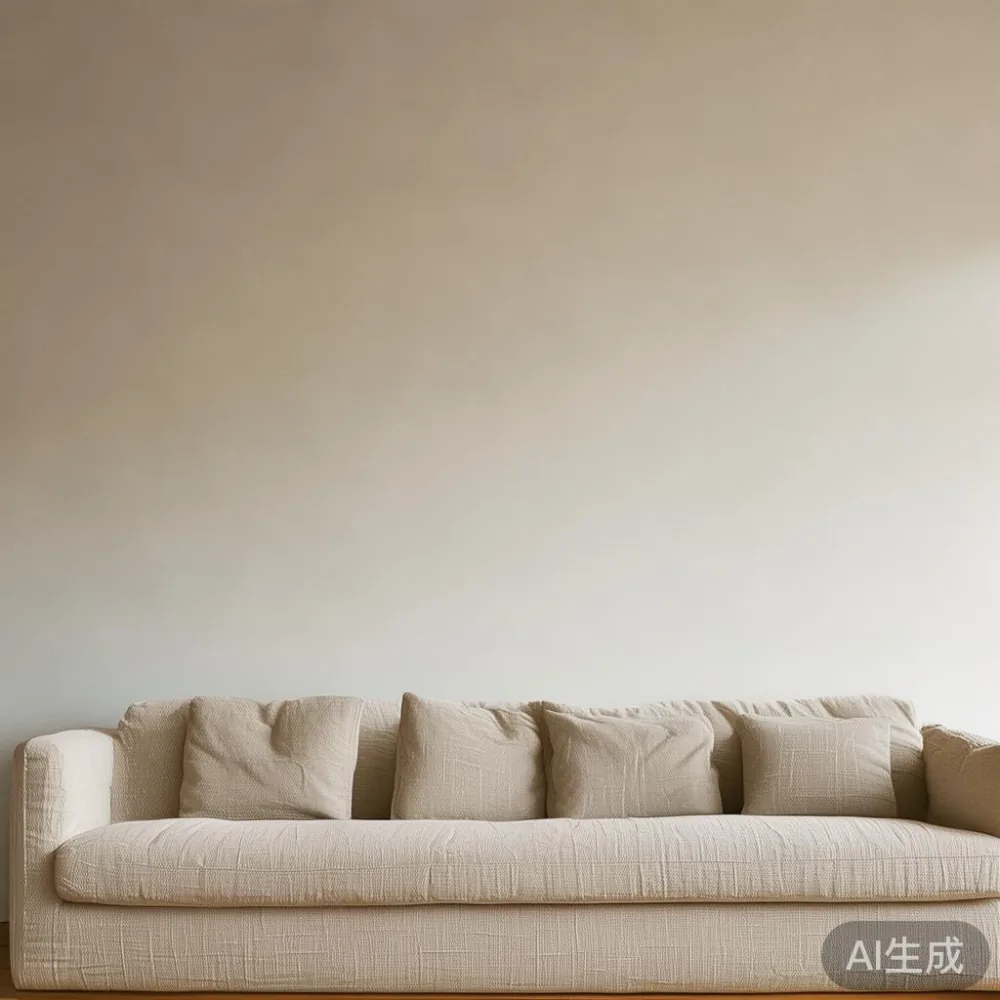
The japandi style is not merely a trend; it is a thoughtful fusion of Japanese design principles and Scandinavian sensibilities. At its heart, it seeks to create spaces that are serene, uncluttered, and deeply calming. The Japanese influence contributes a respect for craftsmanship, an appreciation for negative space, and a minimalist aesthetic that values form and function equally. The Scandinavian influence, on the other hand, introduces a layer of warmth through light woods, soft textiles, and a focus on hygge—the feeling of cozy contentment.
This combination is particularly well-suited to the Singaporean context. Our HDB flats, while efficient, can often feel compact. A japandi style interior, with its emphasis on clean lines and unobstructed flow, can make a smaller living area feel significantly more spacious and airy. The natural materials used in this style, such as solid oak and walnut, add a tactile warmth that counters the often-cool, modern feel of new-build condos. This approach creates a personal sanctuary from the busy pace of city life, a place where one can truly relax and unwind.
How Do I Choose the Right Furniture for a Japandi Interior?
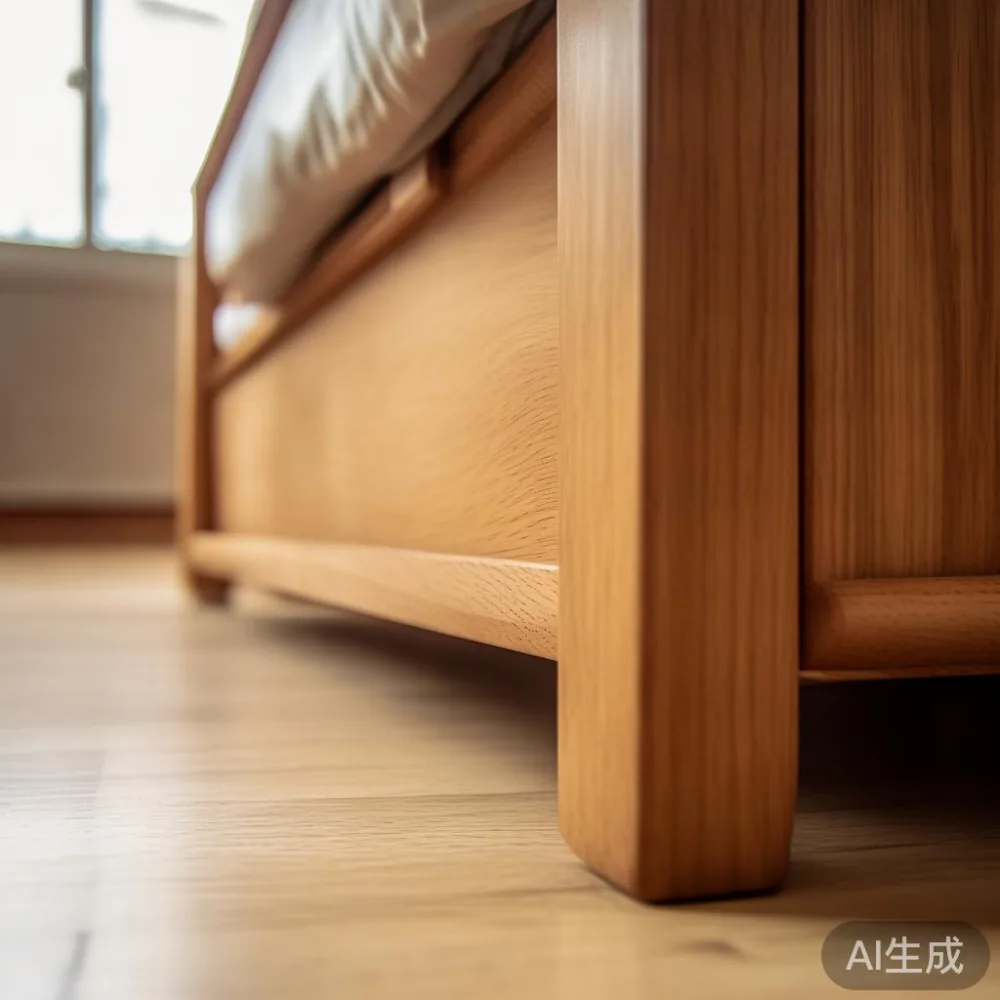
Selecting furniture for a japandi style home is a process of curation, not collection. Every piece should have a purpose and contribute to the sense of calm. The guiding principles are simplicity, natural materials, and a neutral, earthy colour palette. When choosing items like a solid wood sofa or a dining table, look for designs with clean, geometric forms. Avoid ornate carvings or excessive ornamentation. The beauty lies in the grain of the wood, the texture of the fabric, and the purity of the silhouette.
For example, a solid wood sofa with low, wide arms and a simple, tailored upholstery in a muted linen or cotton would be a perfect anchor for a living room. The focus is on the honest construction and the quality of the materials. Similarly, a dining table should be substantial enough to feel grounded but with legs that are slender to maintain a sense of airiness. The goal is to create a collection of pieces that feel like they belong together, not a set of disparate items forced into a room.
What About the Bed Frame? Can it Be a Statement Piece?
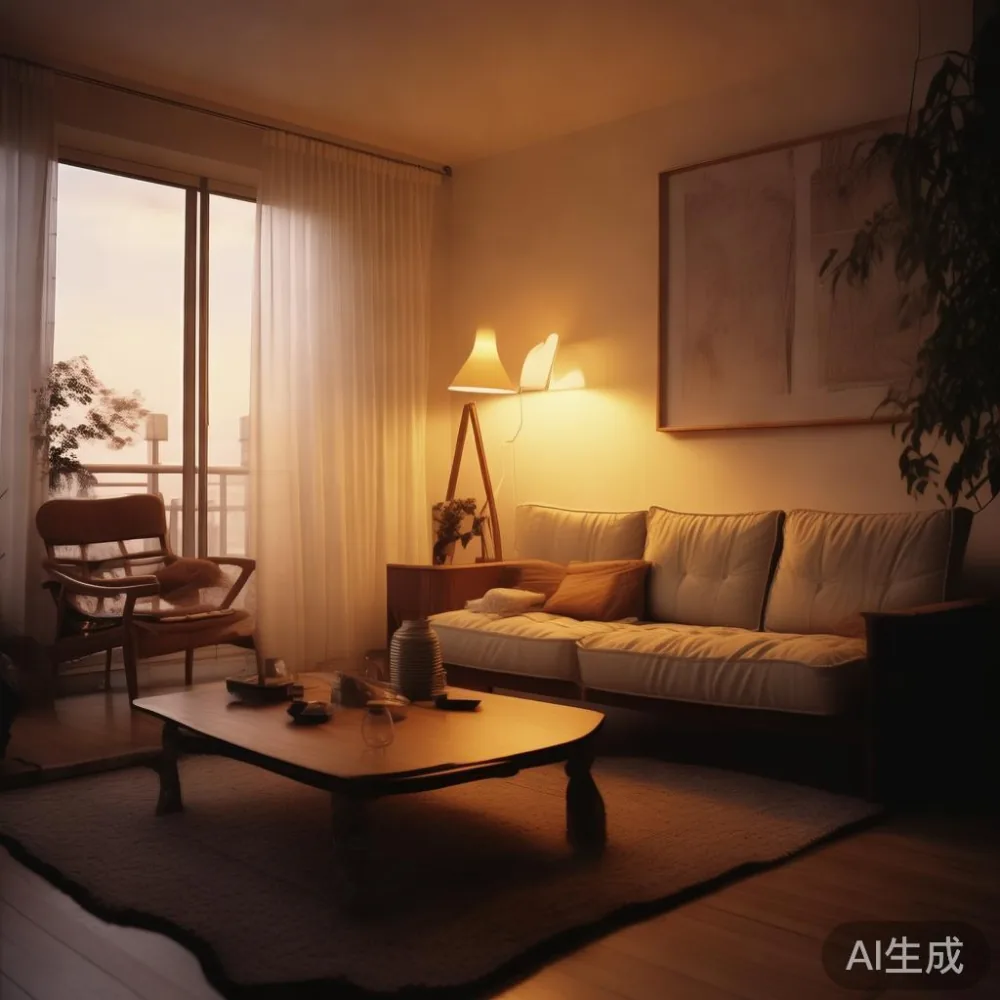
In the bedroom, the bed frame is often the centrepiece of the room. A japandi style approach does not mean it has to be invisible. Instead, it should be a statement of quiet confidence. A low-profile bed frame made from light-coloured ash or oak can ground the space without overwhelming it. The lines should be straight and simple, perhaps with a subtle taper on the legs or a recessed panel headboard for a touch of texture.
For those who prefer a more opulent touch, the principles of modern light luxury furniture can be subtly integrated. This involves using higher-end materials like a marble-topped nightstand or a bed frame with a very fine, almost invisible, grain. The key is to maintain the minimalist aesthetic while introducing a sense of quality and refinement. This is the difference between a stark, cold room and one that feels thoughtfully and luxuriously appointed. My colleague visited a client in a Punggol EC last month and noted how a simple, elegant bed frame became the room's focal point, proving that understated elegance is the ultimate luxury.
How to Style a Light Luxury Bed in Room with Japandi Principles?
Styling a bed to fit the japandi style is about creating a layered yet uncluttered look. Start with high-quality, natural fibre bedding—think percale or linen sheets in white, oatmeal, or grey. Layer with a lightweight wool or cotton throw at the foot of the bed for texture and warmth. The pillows should be a mix of sleeping pillows and a couple of larger, square Euro shams in a complementary fabric.
The surrounding furniture should echo the bed's simplicity. A pair of nightstands, perhaps one with a small marble top for contrast, should be low and wide. Lighting is important; a simple paper lantern or a minimalist bedside lamp with a linen shade will provide a soft, diffused glow. The space around the bed should be kept clear to maintain the sense of calm and tranquility that is central to the japandi style. This approach answers the common question: how to style light luxury bed in room without sacrificing the minimalist ethos.
How Do I Manage Storage in a Small Singaporean Home?
Storage is a practical necessity in Singapore's smaller living spaces, and a japandi style home offers clever solutions that are both beautiful and functional. The key is to integrate storage smoothly into the architecture of the room. Built-in wardrobes with handleless, push-to-open mechanisms create a clean, unbroken line across a wall, maintaining the minimalist aesthetic.
For freestanding options, a wardrobe with a simple, flat-panel design in a light wood finish can provide ample storage without dominating the room. Consider a wardrobe with internal organisers to keep belongings tidy and out of sight. The goal is to have a place for everything, so the visual clutter is eliminated, and the space feels serene. This philosophy extends to other areas of the home, using multi-functional furniture like storage ottomans or beds with built-in drawers to maximise every square centimetre.
What Are the Best Material Choices for a Japandi Home?
The material palette is the soul of the japandi style. It is dominated by natural elements that bring warmth and texture into the space. Wood is the primary material, favour light to medium tones like oak, ash, and light maple. These woods can be used for flooring, furniture, and architectural details like wall paneling or shelving. The grain of the wood is celebrated, so pieces with interesting, flowing patterns are highly prized.
Other natural materials play a supporting role. Stone, particularly in a honed or matte finish, can be used for a marble table in the dining area or a fireplace surround. Linen, cotton, and wool are the preferred textiles for upholstery, curtains, and rugs, adding softness and comfort. Metal is used sparingly, typically in matte black or brushed brass for fixtures like light switches, door handles, or the legs of a dining table, providing a subtle, modern accent without disrupting the natural harmony of the space.
How Do I Choose Between a European Light Luxury Sofa and a Mid-Century Modern Sofa?
The choice between a European light luxury sofa and a mid-century modern sofa often comes down to the specific balance of warmth and form you wish to achieve. A European light luxury sofa, with its inspiration from French provincial design, might feature more generous, rounded forms, softer upholstery, and perhaps more subtle curves in the arms or back. It prioritises comfort and a gentle, enveloping silhouette, perfect for creating a cozy corner for reading or conversation.
A mid-century modern sofa, in contrast, is defined by its clean lines, tapered legs, and a more structured, geometric shape. It often has a lower profile and is more about sculptural form than plush comfort. The decision depends on the primary function of the space and the feeling you want to cultivate. For a living room that is both a social hub and a peaceful retreat, the softer lines of a European light luxury sofa might be a better fit, while a mid-century piece could anchor a more formal or design-focused area. This is a key consideration when weighing European light luxury sofa vs Mid-century modern sofa for your home.
How Does a Solid Wood Furniture Brand Like MIDHILL Fit into This Philosophy?
A brand like MIDHILL, with its focus on solid wood craftsmanship and a 10-year structural warranty, aligns perfectly with the core tenets of the japandi style. The emphasis on solid wood—be it oak, walnut, or ash—ensures that each piece has a natural beauty and durability that improves with age. This longevity is a key component of sustainable design, a value shared by both Japanese and Scandinavian aesthetics.
Their offering of a lifetime refinishing service is also significant. It speaks to a belief that furniture should be a long-term investment, not a disposable item. This allows homeowners to refresh their pieces over the years, adapting them to changing tastes while maintaining the integrity of their japandi style home. When considering a MIDHILL dining table for a space in a Tampines HDB, one can be confident that the piece is built to last, both in quality and in style. For those searching for for sale Rustic furniture with a modern, refined edge, the natural, honest construction of solid wood is the answer.
What are the Practical Considerations for Furniture Delivery in Singapore?
Acquiring beautiful furniture is one thing; getting it into your Singapore home is another. Practical logistics are a reality that must be considered. For those living in older HDB estates with narrow corridors or in condos with compact lift dimensions, the size and packaging of furniture are critical factors. Reputable brands understand this and will provide detailed dimensions for each piece, including the packaging, to ensure a smooth delivery process.
It is also wise to consider the assembly process. Some larger items, like a wardrobe or a dining table, may require on-site assembly. This should be factored into the moving day schedule. Also, with Singapore's Goods and Services Tax (GST) currently at 9%, the final price of furniture includes this levy. It is important to get a clear, all-in quote that accounts for delivery, assembly, and GST to avoid any surprises. Free shipping over a certain purchase value, such as SGD 350, is a welcome perk that can make acquiring multiple pieces for a coordinated japandi style interior more affordable.
Can I Find the Best Industrial Sofa for 2026 in a Japandi Home?
While the japandi style is rooted in natural materials and clean lines, incorporating elements from other design movements can add a unique personal touch. The industrial style, with its raw materials like metal and reclaimed wood, can be surprisingly compatible when introduced thoughtfully. The key is to select pieces that bridge the gap between the two aesthetics.
An industrial-style sofa with a frame made of dark, wrought-iron but with a seat and back upholstered in a soft, natural linen could work beautifully in a japandi style living room. The metal provides an interesting counterpoint to the surrounding wood, while the soft upholstery keeps the space from feeling too cold or harsh. Similarly, a coffee table with a metal base and a reclaimed wood top could complement a MIDHILL dining table made of new oak. This fusion creates a layered, sophisticated look. For those looking ahead to best Industrial sofa for 2026, the trend will likely favour pieces that blend industrial elements with the comfort and natural materials favoured in Japandi design.
How Do I Choose a French Provincial Bed for a Japandi Bedroom?
Incorporating a piece as distinctly styled as a French provincial bed into a japandi style bedroom requires a careful and considered approach. The French provincial style is characterised by its ornate carvings, curved headboards, and a sense of opulent romance, which can seem at odds with the minimalist ethos of Japandi. However, with the right selection and styling, it can be a stunning focal point.
The secret is to choose a French provincial bed with a more restrained, simplified design. Look for a piece with clean, elegant lines rather than overly ornate details. A whitewashed or light-coloured finish will help it blend better with the neutral palette of a Japandi room. The surrounding furniture should be kept simple and unadorned—think of a pair of minimalist nightstands in light wood. The bedding should be simple and high-quality, in solid colours like white or cream, to let the bed's silhouette be the star. This careful curation allows the unique character of the French provincial bed to shine while still respecting the calm, uncluttered principles of the japandi style.