How Southeast Asian Humidity Affects Japandi Solid Wood Furniture
Humidity is rarely discussed as carefully as colour, grain or comfort, yet it can determine how a solid wood dining table, bed frame or wardrobe behaves inside a Singapore home. Warm, moisture-laden air sits against air-conditioned rooms, while monsoon periods bring sudden shifts in relative humidity. In a compact Tampines HDB flat, those changes can affect timber movement, joint stability, surface finish and the long appearance of furniture. The answer is not to fear solid wood. It is to understand how the timber responds, select furniture built for real conditions and give it sensible care.
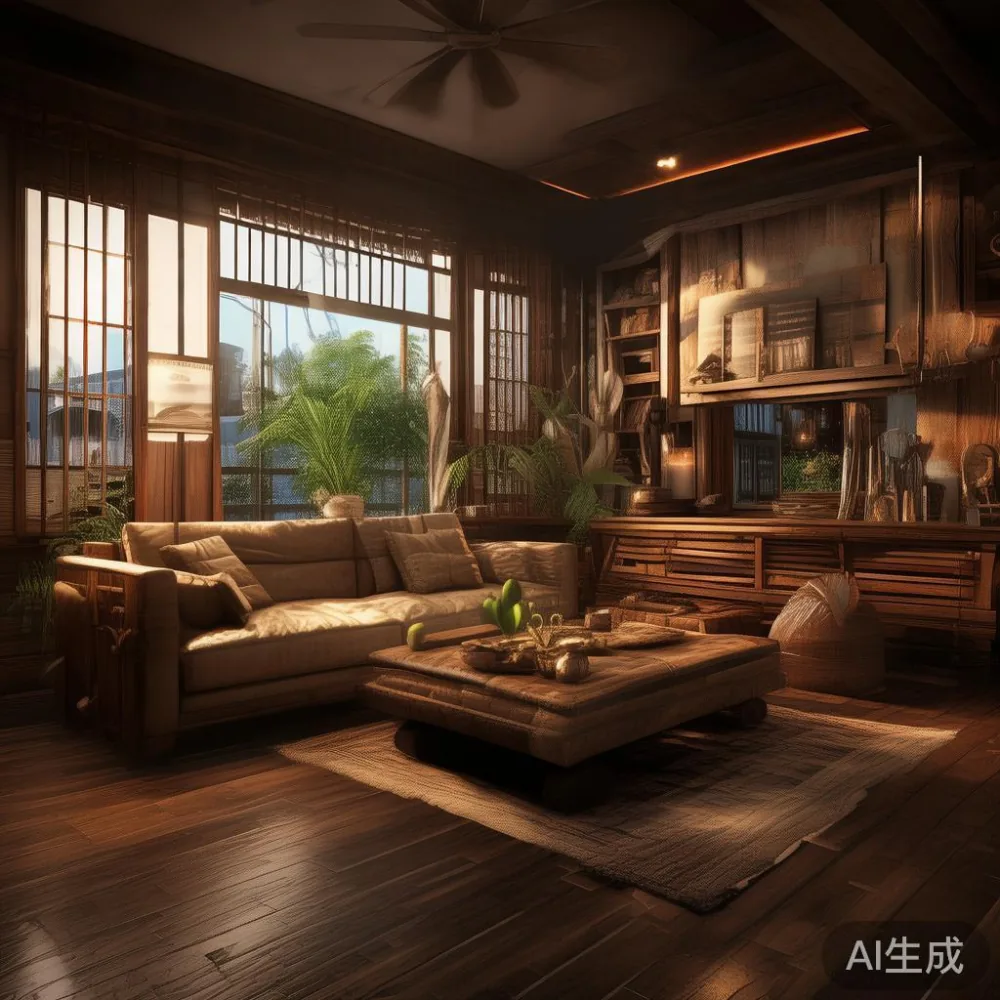
MIDHILL designs and manufactures solid wood furniture with this East Asian climate in mind. Its japandi style pairs clean, low-visual-noise forms with practical proportions suited to HDB interiors, where a sofa may need to move around a narrow corridor and a bed frame must fit beside a wall without overwhelming the room. The company was established in 2008, exports to more than 15 countries, provides a 10-year structural warranty and offers lifetime refinishing.
What does humidity do to solid wood furniture?
Wood is a hygroscopic material. Its cell walls absorb atmospheric moisture when relative humidity rises and release it when the air becomes drier. The movement is generally small but measurable. A solid oak table 180 cm long might change by roughly 1 to 3 mm across its width as moisture content responds to seasonal humidity. Movement along the grain is usually less than movement across it, which is why solid wood tables can show small gaps at their joints during drier periods.
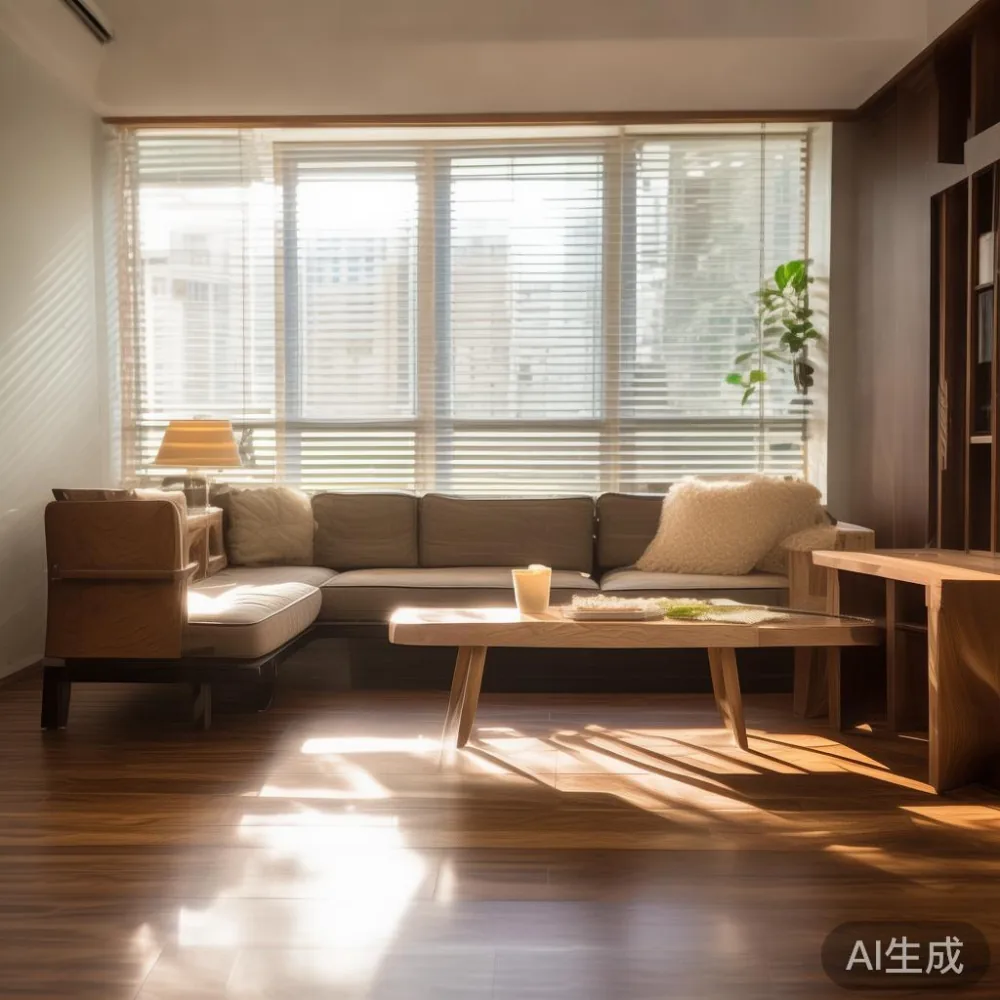
Singapore’s annual relative humidity commonly ranges from about 65% to 90%, with daily readings sometimes dropping below 60% in air-conditioned interiors. Those fluctuations matter more than a fixed number. A cabinet near a west-facing window may experience a much wider range than one in a bedroom. Outdoor air at 80% humidity entering a mechanically cooled flat can also dry furniture quickly, especially near vents.
For a solid wood bed frame, expansion is usually modest because the main components are broad, straight pieces. For a solid wood sofa with a timber frame, the risk is more closely connected to loose joints, warped rails and the movement of seat and back components. A dining table needs level surfaces, but occasional seasonal movement should not be mistaken for defective construction. A wardrobe needs doors that continue to align, while a nightstand needs drawers that do not bind.
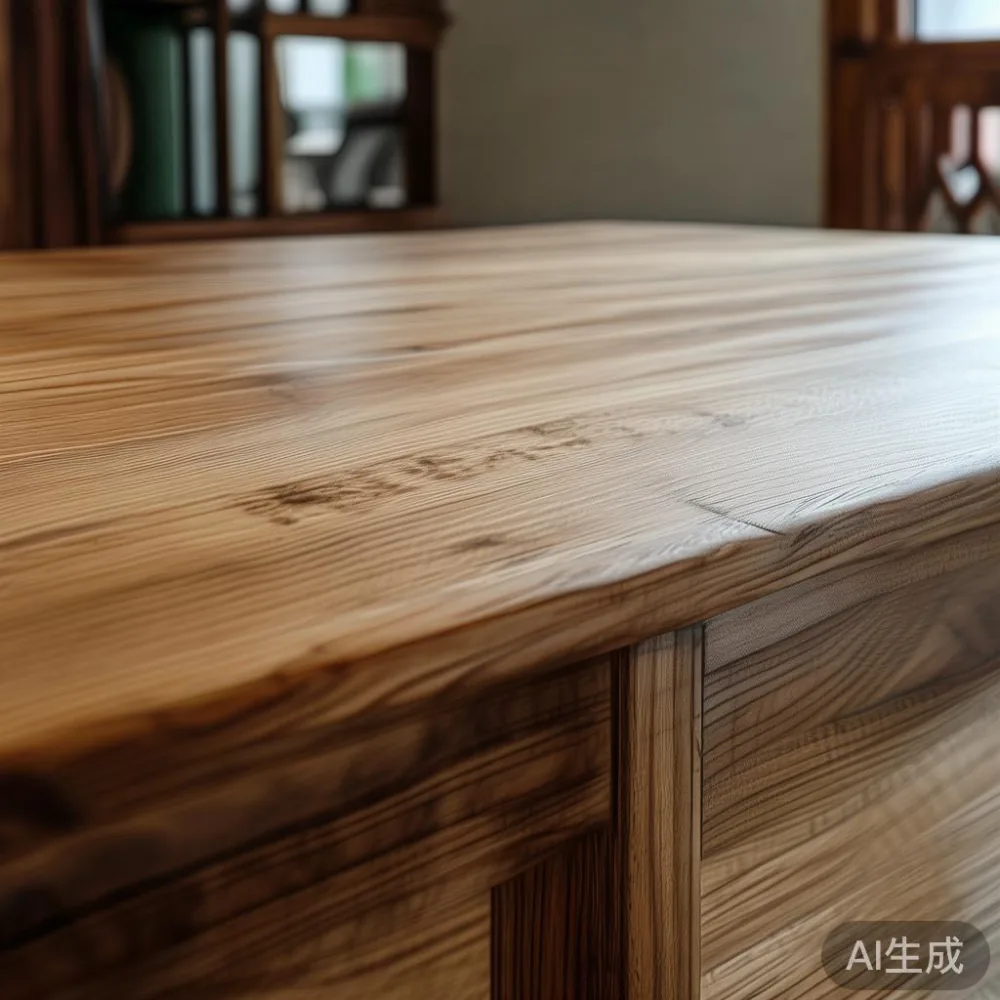
Humidity can also influence veneer, although the term “solid wood” identifies only the structural parts and does not automatically mean every visible surface is solid timber. Finishes, adhesives and the way components are joined all affect stability. A credibly made piece should use appropriate joinery, controlled drying and a finish that allows the wood to move within a sensible design tolerance.
Why does HDB air-conditioning create a moisture challenge?
A Tampines or Bedok HDB flat may have bedrooms with 9 to 12 m² of usable floor area, living rooms of around 20 to 35 m², and corridors only about 90 to 120 cm wide in some older blocks. Air-conditioning cools the room but does not remove moisture; it condenses warm air onto cold surfaces. When doors and windows remain closed, relative humidity can remain above 60% even while the temperature falls to 24 to 26°C.
Newer Punggol and Tampines condo interiors may have floor-to-ceiling glazing, large sliding doors and panoramic views. This improves daylight but can expose furniture to stronger solar heat and more variable humidity. A display cabinet placed against a glass wall should not be treated like a piece stored in a stable gallery. Likewise, a dining table under 6 hours of direct afternoon sun can warm to 45°C or more, with humidity and temperature changing together.
Lift and corridor dimensions are a separate but related consideration. Before delivery, ask for the packaged dimensions of a solid wood sofa, bed frame, dining table, wardrobe, nightstand or marble table—not only the assembled dimensions. A sofa package might measure 210 × 95 × 65 cm and weigh 65 to 95 kg. A dining table package can reach 195 × 95 × 25 cm. In an 85 cm-wide lift, these measurements decide whether the furniture can be carried safely or needs to be positioned in a larger service lift.
This practical discipline is part of japandi style: uncluttered aesthetics supported by clear dimensions, movable modules and furniture that functions in real rooms. Style is not simply pale timber and beige upholstery; it also includes how a sofa passes a tight turn, how a table drawer opens and how wood ages without looking neglected.
Should solid wood furniture be kept away from air-conditioner vents?
Yes, a sensible buffer helps. Direct airflow can dry the exposed side of a panel faster than the protected side, encouraging uneven movement and finish wear. A clearance of 30 to 60 cm from a ceiling vent is a useful starting point. A dining table should not sit beneath a vent aimed straight at its top. A nightstand can stand 45 to 90 cm away from the wall, provided it does not obstruct a passage.
Constant airflow is less damaging than rapid changes in moisture, but drafts, ceiling fans and open windows all deserve attention. The same principle applies to a marble table: marble does not absorb much atmospheric moisture, yet its setting can affect the wooden cabinet beneath it, the adhesive in a composite top and the surrounding air. Stable indoor conditions remain useful for the whole ensemble.
Use a hygrometer rather than guessing. A model costing SGD 18 to SGD 45 can show room-level relative humidity in 1% increments. For most solid wood furniture, keeping relative humidity around 45% to 60% is practical, with less than 3% change over a day. During very wet weeks, 60% to 70% is not automatically a problem if airflow and temperature are steady. Short periods outside the preferred range are less concerning than repeated swings.
Do not chase a perfect reading with a dehumidifier running day and night. Air conditioning already manages temperature, and unnecessary use raises energy use. If a portable dehumidifier is used in a persistently damp cupboard, keep its water tank monitored and maintain at least 20 to 30 cm of clearance around the intake and outlet. For a wardrobe, 35 to 45% internal humidity is more appropriate for stored clothing, leather and timber accessories.
How should I prevent moisture damage in a Singapore home?
Control the environment before treating the symptom. Keep solid wood furniture at least 30 cm from exterior walls that may transfer condensation, especially during heavy rain. Use blinds or curtains to soften direct afternoon sun. In a high-rise condo, furniture near a window can benefit from UV-filtering film, but film does not replace ventilation or humidity monitoring. Allow 15 to 20 cm behind a wardrobe when the unit has a ventilated back or moving doors, following the maker’s instructions.
Clean with a soft, slightly damp cloth and dry the surface immediately. Wring the cloth until it barely leaves moisture, and avoid silicone sprays, ammonia, bleach and alcohol-heavy cleaners. A pH-neutral wood cleaner generally costs SGD 15 to SGD 40 for 500 ml. Apply it to the cloth rather than the furniture, then wipe along the grain with light pressure. Do not flood joints or the underside of a solid wood sofa.
Coasters and placemats matter on a dining table. A 10 cm coaster under a cold glass can prevent condensation marks, while a broader 25 to 30 cm trivet protects the timber from a hot serving dish. Use felt beneath decorative objects and avoid leaving damp kitchen towels, potted plants or fruit directly on wood. A plant tray with a 2 to 3 cm lip can prevent water from reaching a nightstand or sideboard top.
For a bed frame, inspect the centre rail and slats every 6 to 12 months. Tighten fixings only when a joint has genuinely loosened; repeated overtightening can damage the timber. For a wardrobe, check hinges every 3 to 6 months because seasonal movement can alter alignment. Wipe drawer runners with a clean dry cloth and keep grit away from them. If a surface develops a white haze, it may be moisture trapped beneath the finish, so allow the area to air-dry and contact the maker rather than applying more polish immediately.
Little humidity marks usually respond to careful, incremental correction rather than aggressive sanding. Keep the room between 24 and 27°C, reduce airflow over the affected area and give the timber 24 to 72 hours to stabilise. Professional refinishing should be considered when the coating itself has cracked, blistered or separated.
Can japandi style furniture cope with tropical humidity?
Yes, when the timber species, finish, construction and placement are considered as one system. Japandi style often draws on Japanese restraint and Scandinavian utility, but its appearance in Southeast Asia has evolved into something suited to warm, humid conditions. Pale oak, ash and other suitable hardwoods can look airy in a compact HDB room, while rounded edges and tactile upholstery make the result comfortable rather than clinical.
Humidity does not require dark, heavy furniture. A 160 cm solid wood dining table in japandi style can have slender legs, yet those legs still need sound mortise-and-tenon or dowelled joints and a finish suited to the climate. A low-profile solid wood bed frame can include a 12 to 15 cm plinth, but it should not trap moisture against the floor. A compact 80 cm japandi-style nightstand with one drawer needs a stable rear fixing where tipping is possible, particularly in a busy family home.
Light-luxury positioning also depends on proportion and material honesty, not excessive ornament. French light luxury might introduce soft curves, linen and muted colour; American light luxury often favours generous scale and relaxed comfort; post-modern light luxury can pair clean geometry with one memorable detail, such as a stone top or sculptural handle. In Singapore, the best result for a condo living room is usually a solid wood sofa with washable cushions, not a fragile showpiece that nobody can use.
The phrase “light luxury dressing table” describes a useful type of furniture in a master bedroom, but a humid climate changes the specification. A dressing table should have moisture-resistant fittings, sealed internal storage and enough stability for electrical grooming appliances. It should not be placed directly against a shower wall or where damp towels are routinely left. The same discipline applies to a European light luxury sideboard: an elegant profile is less useful if swelling causes its doors to scrape.
How do I judge whether a solid wood table or bed frame is built for humidity?
Ask specific questions. What moisture content was the timber conditioned to? How are wide panels joined? Does the finish permit surface movement? What is the expected movement? A manufacturer should be able to explain tolerances, aftercare and warranty coverage in practical terms.
Inspect visible joints from several angles. Look for small gaps of less than 1 to 2 mm, which may reflect normal seasonal movement, rather than splits of 3 mm or more. Check that a dining table stands evenly on all four legs. Open and close a wardrobe or nightstand drawer after the room has been air-conditioned for 2 to 3 hours. A bed frame should not twist when lightly loaded along its centre, although full mattress weight and installation instructions must be followed.
Ask whether replacement hardware is available and whether refinishing includes labour or only materials. MIDHILL offers lifetime refinishing, which is useful for a solid wood dining table, bed frame, wardrobe or nightstand exposed to long tropical use. Its 10-year structural warranty provides a different layer of reassurance: it addresses structural integrity rather than treating every seasonal movement as a fault.
Price is only one part of the decision. A 200 cm dining table may range from SGD 1,800 to SGD 5,500 depending on timber, finish, edge profile and construction. A queen-size solid wood bed frame might cost SGD 1,500 to SGD 4,200, while a 90 cm wardrobe could range from SGD 1,200 to SGD 3,600. Compare the timber thickness, joinery, drawer runners, hardware, moisture specifications and warranty—not just the headline price.
Is a Japanese-style sofa better for humid HDB homes?
A low Japanese-style sofa can be a strong fit for a compact flat because it uses the floor area efficiently and creates the visual calm associated with japandi style. The question many buyers ask is: is Japanese sofa worth it in Singapore? The answer depends on frame construction, cushion foam, removable covers, seat height and whether the design suits your body and room.
A Japanese sofa may use a slim timber frame, webbing or springs, and thinner cushions than a deep lounge sofa. That makes it visually light and easy to coordinate, but it may not suit a buyer who prefers a high back or 55 to 60 cm seat depth. In a humid home, removable washable covers and a breathable upholstery blend can be more practical than dense velvet. A frame made from properly dried solid wood, including structural rails and legs, should tolerate seasonal movement better than a flat-pack frame held together mainly by particleboard and screws.
The comparison sometimes framed as “French sofa vs Italian light luxury sofa” is useful. A French-style sofa may use carved timber, rounded arms and a deeper sit. An Italian light luxury sofa may offer sleeker lines, refined upholstery and more decorative tailoring. Neither origin label guarantees humidity performance. Look for the timber specification and moisture controls instead.
For lift access, measure the route before selecting a large model. A sofa with a 210 cm package width may not turn through a 90 cm corridor without a careful tilt, while a modular design in 55 to 75 cm sections may be easier to install. If a marble table is added to the living area, its base and total weight need to be considered too; a 120 cm marble table may weigh 65 to 100 kg, making professional placement sensible.
What should I know before importing or ordering Italian-style furniture?
Imported furniture can arrive after weeks or months of changing humidity. A shipment crossing Europe and Asia may pass through climates far drier or wetter than Singapore. Quality makers acclimatise timber during production, yet long transport routes still justify checking packaging, moisture barriers and delivery timing.
Buyers searching for “for sale Italian light luxury furniture” may focus on ornate profiles, leather and marble. Before purchase, confirm that solid timber elements are identified separately from veneer or engineered board, and ask whether the supplier customises dimensions for HDB and condo access.
Another common question, “is Italian light luxury bed worth it?”, deserves a climate-based answer. A solid wood bed frame with a supportive slat system and restrained Italian detailing can work well, especially when the finish is formulated for humid environments. Check centre-rail clearance of 8 to 12 cm, confirm that slats sit at the maker’s specified spacing, and use a mattress protector. A “MIDHILL bed” in a japandi style should be assessed by frame construction, fit and hardware, not by the brand label alone.
For customers outside Singapore, MIDHILL provides free shipping on orders over US$350, accepts returns within 14 days and supports international delivery. A Singapore buyer should still ask for the landed SGD price, including GST, delivery surcharge and lift fees. Compare quoted lead times such as 7 to 14 working days for stocked pieces and 30 to 60 days for made-to-order or selected finishes.
How can I tell whether a piece is high quality before delivery?
Request photographs of the actual piece, underside, joints, drawer interiors and packaging. For a solid wood sofa, look for even frame geometry, aligned joints and upholstery that is tensioned consistently. For a bed frame, inspect the centre support, leg joints and slat fixings. For a dining table, check the end-grain and underside for open cracks, filler or mismatched timber. For a wardrobe, open every door at several angles and test the runners under load.
My colleague last month visited a Punggol apartment with newly delivered oak furniture. The room humidity moved from 74% to 61% after air-conditioning and balcony doors had been open for 20 minutes. A poorly made sideboard showed a 2 mm door misalignment; the solid wood pieces, correctly joined and finished, showed no visible movement after 7 days. That experience reinforced how much production detail matters before a customer receives a piece.
At the door, check the packaging, corners and hardware before signing. Photograph damage immediately, retain the pallet or carton, and report the issue within 24 to 48 hours. For installation, protect floors with 2 to 3 mm felt pads and follow the instructions. Do not drag a 70 to 100 kg dining table across tile; lift it with adequate helpers or use suitable furniture sliders rated for that weight.
What is the sensible long-term care routine?
Check humidity monthly with a calibrated hygrometer, especially from October to March. Wipe high-touch surfaces every 2 to 4 weeks, inspect joints every 6 months and renew any protective finish according to its wear rather than a fixed calendar. A lightly used dining table may need attention every 2 to 3 years, while a nightstand in a humid ensuite may need inspection every 12 months.
Keep coasters, trays and warm lights away from wood where possible. Position a solid wood sofa away from direct AC airflow, but maintain normal circulation around the room. Use breathable covers and avoid plastic wrapping around furniture for more than 48 to 72 hours after delivery, because trapped moisture can slow the release of packaging moisture.
Humidity is a manageable part of life in Southeast Asia. Good indoor readings, thoughtful placement and sound construction allow solid wood furniture to remain stable for many years. That longevity supports the core values of japandi style: useful proportions, tactile materials and furniture that becomes more personal with age rather than being discarded after one difficult season.