A 5-Year Cost Comparison: Veneer vs. Solid Wood Furniture in Singapore
For homeowners in Singapore, from the compact apartments in Tampines to the spacious condos of Punggol, furniture is a significant investment. It's not merely about aesthetics; it's about durability, functionality, and long-term value in a high-cost living environment. The choice between veneer and solid wood furniture can seem straightforward, but the financial implications over a five-year period reveal a more complex picture. This article provides a detailed, number-driven analysis to help you make an informed decision for your home.
Understanding the Materials: Veneer and Solid Wood
Solid wood furniture is crafted from a single piece of timber, such as oak, walnut, or teak. The structure, from the frame to the visible surfaces, is made of this solid material. A solid wood sofa, for example, will have a frame and legs carved from the same hardwood. This construction is inherently durable and allows for refinishing over its lifespan, which can span decades.
Veneer, on the other hand, is a thin layer of real wood applied over a core panel, which is typically made of Medium-Density Fibreboard (MDF), plywood, or particleboard. The visible surface looks like solid wood, but the underlying structure is different. A veneer dining table might have a beautiful oak top, but its legs and support frame are engineered wood. While this can reduce the initial cost, it raises questions about longevity and repairability.
How do I choose a coastal style for a living room?
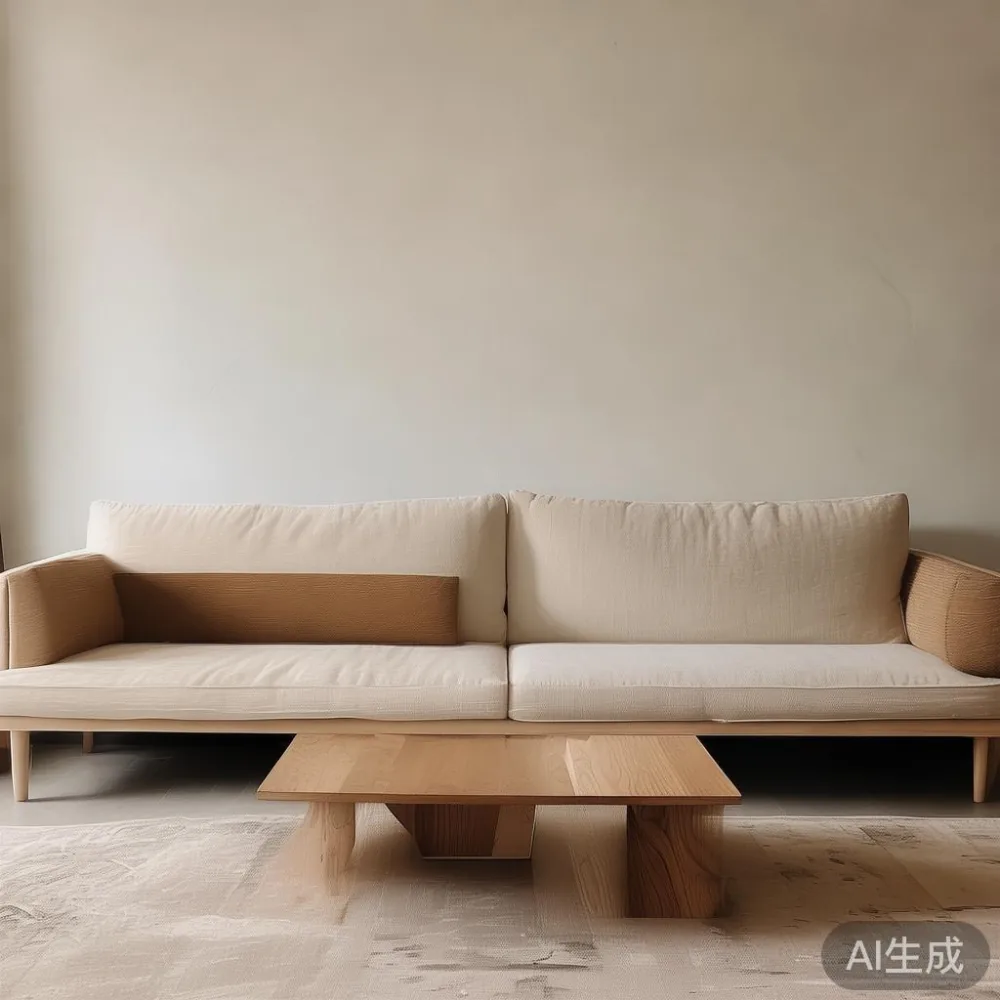
Choosing a coastal style for a living room involves selecting furniture with light, airy colours and natural textures that evoke a sense of calm and openness. Think of a white-painted solid wood sofa with linen upholstery, a marble coffee table with soft grey veining, and light oak nightstands. The key is to create a space that feels bright and uncluttered, reflecting the relaxed vibe of the sea and sand.
The Initial Investment: A Side-by-Side Price Comparison
The most immediate difference between veneer and solid wood furniture is the price. Let's compare the cost of important items for a typical Singaporean living room, priced in SGD before GST. We'll use a common size for a 4-room HDB flat or medium-sized condo.
Living Room Set (Sofa + Coffee Table + 2 Nightstands)
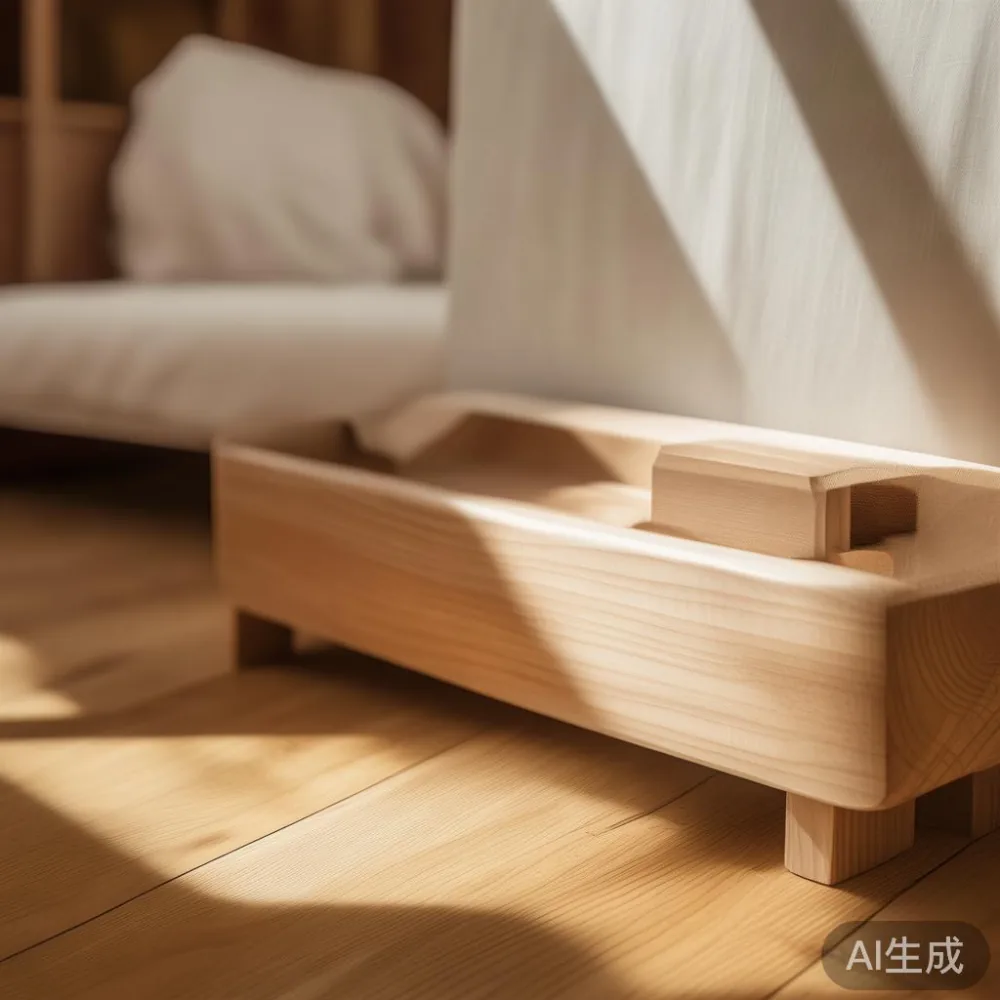
- Solid Wood Option: A solid wood sofa (220cm long) from a reputable maker like MIDHILL might cost around SGD 3,800. A matching marble coffee table could be SGD 1,200, and two solid oak nightstands might be SGD 400 each. Total: SGD 3,800 + SGD 1,200 + (SGD 400 x 2) = SGD 5,800.
- Veneer Option: A comparable-looking sofa with a veneered frame might cost SGD 2,200. A veneer coffee table with a marble-look top could be SGD 650. Two veneer nightstands might be SGD 150 each. Total: SGD 2,200 + SGD 650 + (SGD 150 x 2) = SGD 3,150.
Bedroom Set (Bed Frame + 2 Nightstands)
- Solid Wood Option: A queen-sized solid wood bed frame (160cm x 200cm) could be SGD 1,800. Two matching solid wood nightstands would be another SGD 400. Total: SGD 2,200.
- Veneer Option: A queen-sized veneer bed frame might cost SGD 1,100. Two veneer nightstands would be SGD 150. Total: SGD 1,400.
Dining Table and Chairs
- Solid Wood Option: A solid wood dining table (180cm long) for 6 people could be SGD 2,500. Six solid wood dining chairs might be SGD 250 each. Total: SGD 2,500 + (SGD 250 x 6) = SGD 4,000.
- Veneer Option: A veneer dining table with a marble-look top might be SGD 1,400. Six veneer chairs could be SGD 120 each. Total: SGD 1,400 + (SGD 120 x 6) = SGD 2,320.
Initial Total Cost (before GST):
- Solid Wood: SGD 5,800 (living) + SGD 2,200 (bedroom) + SGD 4,000 (dining) = SGD 12,000.
- Veneer: SGD 3,150 (living) + SGD 1,400 (bedroom) + SGD 2,320 (dining) = SGD 6,870.
With Singapore's 9% GST, the final initial outlay for solid wood would be approximately SGD 13,080, while the veneer set would be around SGD 7,488. The veneer option is significantly cheaper at the point of purchase, representing a saving of over SGD 5,500.
Year 1-3: Maintenance, Repairs, and Wear
The initial savings of veneer furniture can quickly be eroded by the need for repairs and maintenance, especially in Singapore's humid climate. Solid wood, while requiring care, is more forgiving and easier to restore.
My colleague, who lives in a Bedok condo, bought a veneer dining table three years ago. Within the first year, the humidity caused the MDF core to swell slightly at the edges, causing the oak veneer to bubble and peel. He had to hire a professional repair service to sand down the affected area and reapply the veneer, which cost him SGD 350. A solid wood table, on the other hand, might develop a slight patina or a small scratch, but these can often be buffed out with a wood polish, costing only SGD 50 for a good quality product.
For a solid wood sofa, minor scuffs on the wood frame can be touched up with a matching wood marker. A veneer sofa, however, if the surface layer is damaged, is often irreparable. You cannot sand and refinish a thin veneer without sanding through it to the engineered wood core. This means a damaged veneer section might require replacing the entire panel, a costly and complex job.
Over three years, let's estimate the additional maintenance costs:
- Solid Wood: Occasional polishing (SGD 50 per year) = SGD 150 total.
- Veneer: Minor repair on the dining table (SGD 350) + potential touch-up pens for the sofa (SGD 30) = SGD 380 total.
The veneer furniture has already lost a significant portion of its initial cost advantage.
Year 4-5: The Tipping Point and Replacement Costs
By the fourth and fifth years, the differences become even more pronounced. Solid wood furniture, if properly cared for, remains structurally sound and aesthetically pleasing. Veneer furniture, however, is more susceptible to long-term damage from environmental changes and daily use.
Consider the wardrobe. A solid wood wardrobe has a frame that will not warp, and its drawers will glide smoothly for years. A veneer wardrobe's particleboard sides can absorb moisture, leading to warping and a weakened structure. Drawer slides on cheaper veneer units are often plastic and can break, requiring replacement at a cost of SGD 80 to SGD 150 per slide.
Let's assume the worst-case scenario for the veneer set: the living room sofa's frame becomes unstable, and the veneer on the coffee table chips and peels beyond repair. Instead of repairing these items, a homeowner might consider replacing them.
- Replacement Cost for Veneer Items: A new veneer sofa (SGD 2,200) + a new veneer coffee table (SGD 650) = SGD 2,850 (before GST).
Now, let's compare this to the cost of refinishing the solid wood set. A key benefit of solid wood is that it can be completely refinished. This involves sanding down the existing finish and applying a new stain or lacquer. For our solid wood living room set, a professional refinishing service would charge approximately SGD 2,000 to give all pieces a fresh look. This is less than the cost of replacing just two items from the veneer set.
At the five-year mark, the total financial picture looks like this:
- Solid Wood Total Cost: Initial SGD 13,080 + Maintenance SGD 150 + Refinishing SGD 2,000 = SGD 15,230.
- Veneer Total Cost: Initial SGD 7,488 + Maintenance SGD 380 + Replacement SGD 3,103 (SGD 2,850 + 9% GST) = SGD 10,971.
While the veneer set appears cheaper at the five-year mark, this calculation assumes the homeowner only replaced two items. If the entire living room set or the bedroom furniture also needed replacement, the cost would skyrocket. Also, the solid wood furniture, now refinished, has a lifespan of another 10-20 years, whereas the newly purchased veneer set is already on the same depreciation cycle.
Long-Term Value and Resale Potential
When considering the total cost of ownership, one must also consider the residual value. High-quality solid wood furniture holds its value remarkably well. A 10-year-old solid wood dining table from a good maker can still be sold for 40-50% of its original price. A 5-year-old veneer dining table, however, has virtually no resale value. It is often considered used goods with a short remaining lifespan.
For a homeowner in Punggol planning to move to a larger private property in 10 years, having solid wood furniture can be a financial asset. It can be sold to fund the purchase of new pieces for the new home. Veneer furniture would likely be discarded, adding to waste disposal costs or requiring the new owner to bear the expense of replacement.
Also, the peace of mind that comes with a 10-year structural warranty, offered by makers like MIDHILL, is a significant factor. This warranty covers defects in the wood itself, not just the finish. Veneer furniture often comes with a much shorter warranty, typically 1-3 years, that covers manufacturing defects but not issues arising from humidity or normal wear and tear.
Conclusion: A Financial and Lifestyle Perspective
The five-year cost comparison reveals that while veneer furniture offers a lower initial price point, the long-term financial benefits of solid wood are undeniable. The additional costs for repairs, maintenance, and potential replacement can quickly close the initial gap. When factoring in the ability to refinish and the higher resale value, solid wood emerges as the more economically sound choice for the long-term homeowner.
Beyond the numbers, there is a lifestyle consideration. Solid wood furniture ages gracefully, developing a unique character over time. It aligns perfectly with the japandi style, which values natural materials, craftsmanship, and a sense of calm, enduring beauty. A japandi style living room, with its solid wood sofa and minimalist design, creates a sanctuary that is both functional and timeless. For those seeking light luxury, whether it's the understated elegance of French style or the clean lines of American post-modern, solid wood provides the quality and substance that supports such a sophisticated aesthetic.
In the context of Singaporean living, where space is at a premium and furniture must perform well in a humid climate, the durability of solid wood is a practical advantage. It's an investment that pays dividends in comfort, beauty, and financial stability for years to come.