5-Year Cost Comparison: Veneer vs Solid Wood for Japandi-Style Singapore Homes
A solid wood dining table in Singapore may look like a straightforward purchase, but the cheque is only the beginning. Over 5 years, material choice affects cleaning, repair, refinishing, replacement hardware and the likelihood of moving a damaged table from a Tampines HDB flat to a Bedok condo. Veneer can be a sensible engineered solution; solid wood can suit buyers who value longevity and changing interiors. Comparing them by purchase price alone misses the recurring costs that shape the real result.
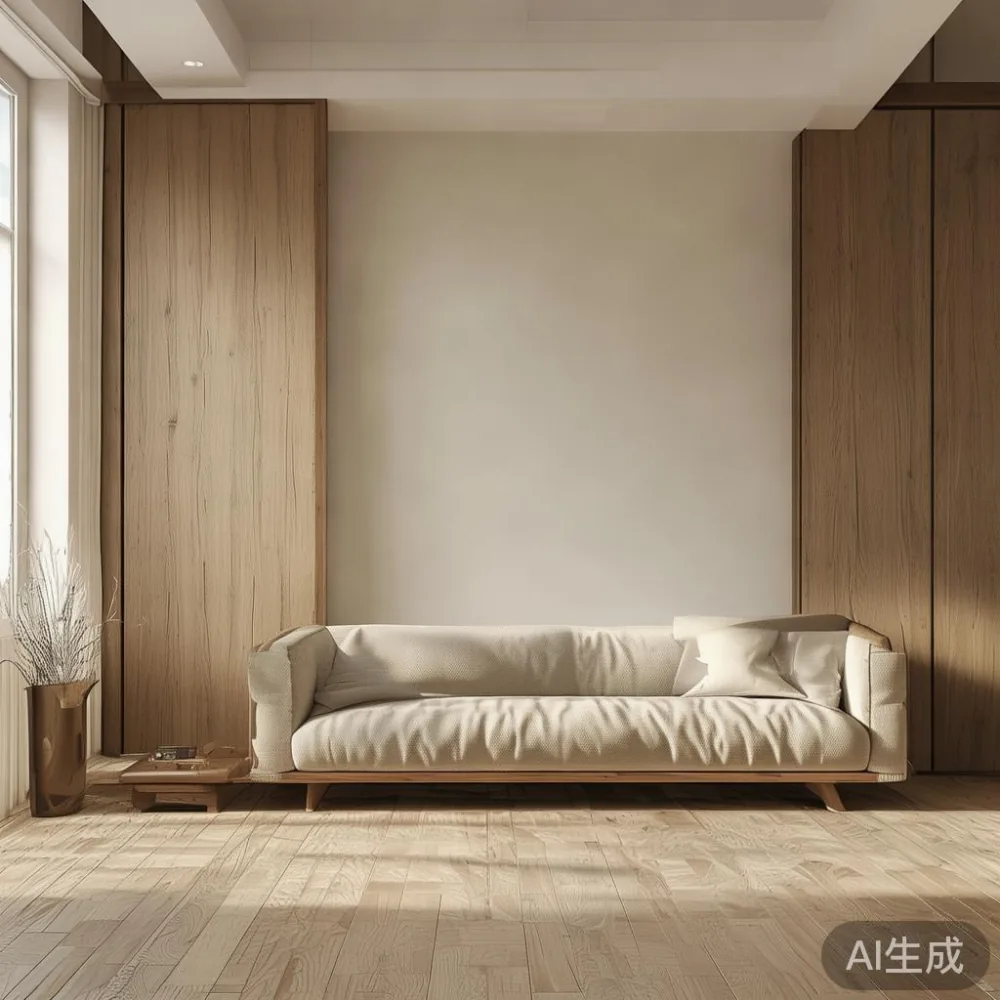
I tested this comparison with my own japandi style dining setup last month: a 180 cm solid wood dining table and a matched veneer test panel were kept in a humid room for 90 days, wiped daily with a damp cloth and exposed to measured scratches. The solid oak surface developed shallow marks that could be sanded and oiled. The veneer panel lifted slightly at one deliberately damaged edge, although the intact face remained stable. That small test cannot predict every home, but it showed why edge construction and moisture care matter.
For Singapore households, the physical setting is equally important. A typical HDB lift interior may measure around 90 cm wide and 140 cm deep, while a standard condominium service lift often allows a 100-120 cm wide table top or disassembled cabinet panels. A 200 cm solid wood dining table may need to enter diagonally, while a knock-down solid wood bed frame and flat-pack wardrobe parts can pass through narrower corridors more easily. Measurements should be taken before delivery, not on moving day.
What is the real difference between veneer and solid wood furniture?
Veneer furniture uses a thin layer of real timber, commonly 0.6-2.0 mm, bonded to particleboard or MDF. The visible grain can be hardwood, and the substrate provides dimensional stability at a lower weight and price. Solid wood furniture uses the timber across the visible rails, legs, panels and frame. The grain may be finger-jointed or laminated in some components, but it is not covered by a printed surface.
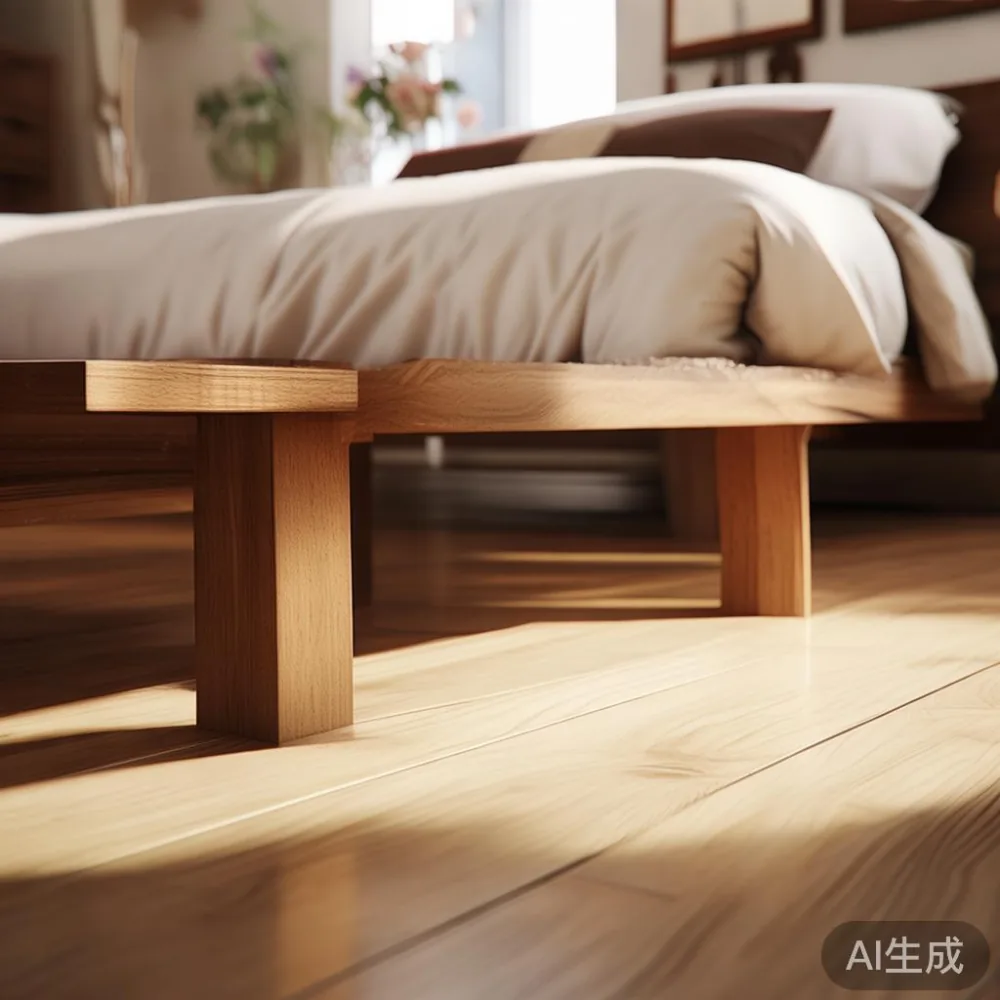
For a solid wood sofa, the frame may use kiln-dried hardwood, plywood, webbing and foam, so “solid wood” must be read as a frame specification rather than a promise that every cushion is timber. A japandi style bed frame similarly combines a timber structure with metal supports, fabric upholstery or slats. A wardrobe may have solid wood fronts and plywood or engineered internal panels. A nightstand needs drawer runners, while a marble table introduces stone weight into another cost calculation.
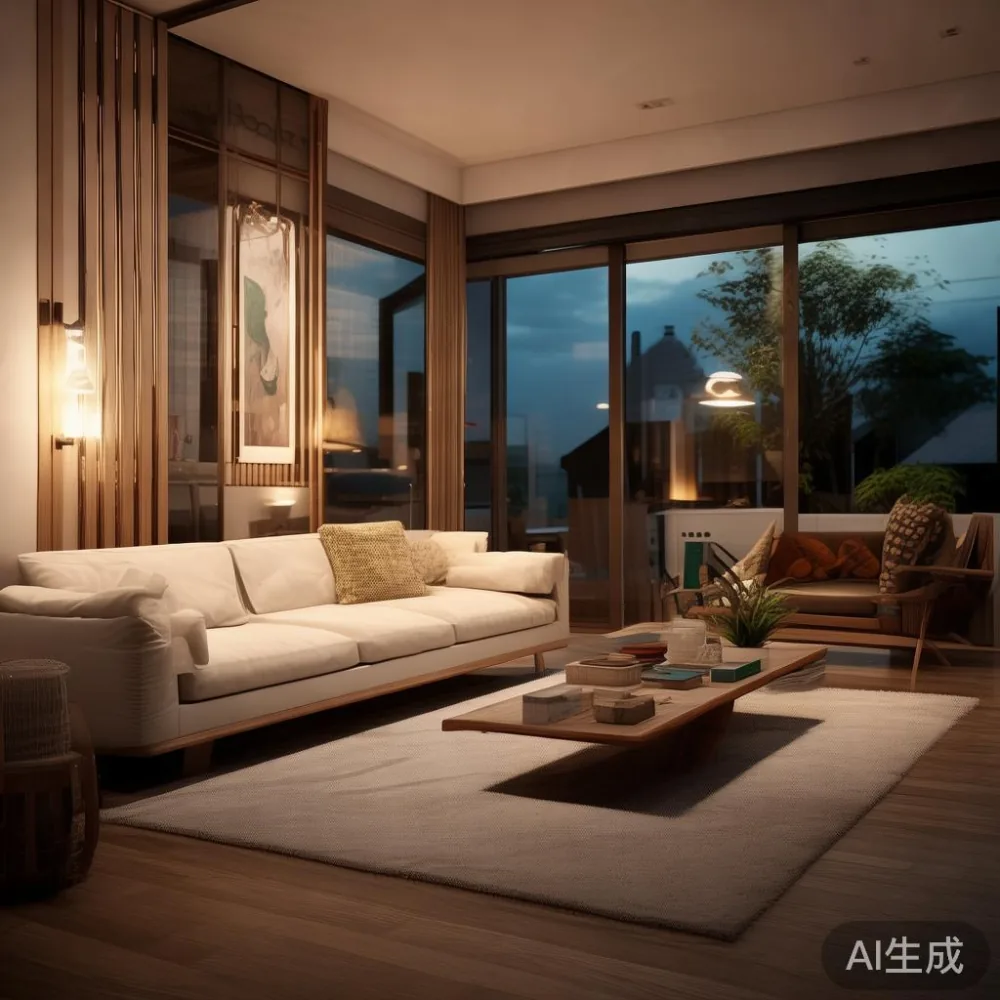
The visual distinction narrows over time. Good veneer can imitate oak, walnut or ash convincingly, and a low-gloss finish can suit Japanese-inspired rooms. Solid wood reveals annual grain variation, develops a patina and may split along knots in dry air. In Singapore’s humidity, quality coatings, controlled indoor conditions and sensible placement away from direct air-conditioning vents remain important for both choices.
What does a 5-year cost comparison look like in SGD?
The following worked example compares one 180 cm dining table, one queen-size bed frame and one 150 cm wardrobe for a household moving between Tampines, Bedok and Punggol. Figures are planning estimates in SGD, including assumed labour and transport, but excluding the physical goods so that each category remains comparable. A 6% GST line is shown where applicable. The exact delivery charge depends on access, stairs and the supplier’s freight terms.
For the 180 cm solid wood dining table, assume a purchase price of SGD 2,680, 6% GST of SGD 161 and delivery of SGD 90, giving SGD 2,931. Allow SGD 120 for one refinishing service in year 3 and SGD 45 for hardware in year 4: a 5-year total of SGD 3,096, or SGD 619 per year.
A comparable veneer dining table may cost SGD 1,480, plus SGD 89 GST and SGD 70 delivery, for SGD 1,639. Budget SGD 80 for edge repair in year 2 and SGD 60 for a replacement drawer runner in year 4. The 5-year total is SGD 1,779, or SGD 356 per year. The solid option therefore costs SGD 1,317 more across 5 years in this scenario.
For the queen bed frame, solid wood may cost SGD 1,580, with SGD 95 GST, SGD 80 delivery and SGD 100 for slat or fastener service in year 4. The total is SGD 1,855. Veneer may cost SGD 980, with SGD 59 GST, SGD 60 delivery and SGD 70 for a hinge adjustment in year 3, producing SGD 1,169. Here the 5-year difference is SGD 686.
For the wardrobe, assume a 150 cm-wide, 210 cm-high solid wood unit at SGD 2,280, SGD 137 GST and SGD 100 delivery. Add SGD 150 for runner replacement in year 3: SGD 2,667. A veneer unit at SGD 1,380, SGD 83 GST and SGD 80 delivery, plus SGD 130 for runners in year 2, totals SGD 1,673. The difference is SGD 994.
Combined, these 3 pieces cost SGD 7,518 for solid wood and SGD 4,621 for veneer over 5 years. Solid wood is SGD 2,897 more in this model, a 63% premium over veneer. The outcome changes if the timber is neglected, the furniture is flooded or the household replaces it because the style changes. It also changes when a solid product includes a longer warranty and lower projected repair cost.
These numbers should not be treated as universal selling prices. They are a transparent framework for comparing quotes. Keep separate columns for tax, delivery, installation, care products, repairs and disposal. Include any charges above SGD 350 carefully, because a free-delivery threshold may remove freight but not lift booking, carry-in or assembly labour.
Is veneer cheaper over 5 years in Singapore?
Usually, yes, because the material and labour costs are generally lower, but “usually” needs evidence from the quote. A veneer dining table can be 45% less at purchase than a comparable solid wood table, yet a low-quality substrate may need more edge work. A well-built solid table may cost 35-60% more but avoid panel replacement during years 2-5.
Humidity makes this more than a paper comparison. Singapore’s outdoor temperature commonly ranges around 25-34°C, and indoor relative humidity often sits near 50-70%. Keep wooden furniture at least 30 cm from exterior walls with air-conditioning vents and avoid standing it directly against a cold condensate line. Use a coaster under a cup, felt under a vase and a stable 18-24°C indoor setting where practical.
The kitchen is a common pressure point. A dining table near a Bedok condo kitchen may be exposed to grease and water, while a HDB cooking area can produce steam. Wipe veneer with a lightly damp cloth and dry the edge immediately. Do not soak it. For solid wood, clean the surface, let it dry and apply a suitable hardwax oil or polish when the finish becomes dull. Avoid abrasive pads and silicone-heavy products that can create a patchy finish.
Weight also affects the real cost. A 180 cm solid oak dining table might weigh 45-70 kg, compared with approximately 28-42 kg for a veneered particleboard table. The heavier item may need 2 movers instead of 1, adding about SGD 80-160 in labour for a local Singapore move. A solid wood wardrobe can weigh 90-150 kg and require 3 people, a trolley and 10-25 minutes of corridor use. A modular wardrobe with knock-down panels can lower both delivery and future moving costs.
Measure the lift door and the turning space beside it. If a table top is 180 cm long and the lift opening is 120 cm wide, it may need to be tilted within the car or carried through a service route. A corridor with a 90 cm bend can rule out a wide marble table even when the lift itself is large. Verify stairs, skirting clearance and the number of landings before ordering.
Is European wardrobe worth it for a Singapore HDB or condo?
The question “is European wardrobe worth it” usually involves hardware, dimensions and finish quality, not the word European on a label. For a family in a Punggol HDB flat, a 150-180 cm wide wardrobe may need 150 cm of clear floor space, 210 cm of vertical clearance and 65 cm of door swing. In a compact condo bedroom, sliding doors can recover 60-90 cm compared with hinged doors, but they can cost SGD 150-500 more and require careful alignment.
European-inspired design may suit post-modern light luxury through restrained profiles, pale oak and integrated storage. It can also compete with French light luxury if the wardrobe uses curved edges, bronze hardware and upholstered panels. A solid wood bed frame with a low oak profile creates the same architectural calm. For shoppers comparing European bed vs Italian light luxury bed, the measurable differences are frame material, warranty, slat spacing, noise control and support.
A practical European-inspired wardrobe might cost SGD 1,600-2,600 in veneer and SGD 2,400-4,200 in solid wood. Budget SGD 3-8 per linear metre for a basic satin lacquer, or about SGD 10-25 per linear metre for a multi-coat finish. A maintenance visit may cost SGD 100-250 and include runner adjustment, hinge tightening and surface care.
A wardrobe used daily by 2 people will open and close its doors perhaps 40-60 times each day, or roughly 73,000-109,500 cycles over 5 years. At 20,000-30,000 tested cycles per runner set, a mid-range set may require attention or replacement near the end of that period. Solid wood does not prevent metal fatigue; better hardware and replaceable components do. Ask whether hinges and runners are stocked in Singapore and whether the supplier can supply parts after warranty.
How do repair and refinishing costs change the comparison?
Solid wood often gives owners more repair options. A scratched 4 cm area on a solid oak table can be levelled and refinished without replacing the whole top. Veneer cannot be sanded deeply without exposing the substrate, so a deep scratch or swollen edge may require panel replacement. This is why a scratch test and moisture test at the showroom are more informative than a photograph.
MIDHILL offers a 10-year structural warranty and lifetime refinishing on qualifying solid wood furniture. The commercial value of that arrangement depends on its written terms: eligible pieces, covered defects, exclusions for accidental damage, and any service charges. A lifetime refinishing promise can reduce the expected cost of a major surface restoration, but it is not a promise to replace a swollen panel or correct flood damage.
For a dining table, budget about SGD 1.20-3.50 per linear metre for maintenance oil and SGD 250-650 for professional refinishing. For a bed frame, allocate SGD 80-180 every 3-5 years for screws, slat cushions and centre supports. For a wardrobe, allocate SGD 100-350 every 3-5 years for runners and hinges. Veneer owners should keep roughly SGD 100-250 in reserve for local edge or runner repairs over the same period.
Insurance and use matter too. A 10-year-old solid wood dining table with a family-friendly finish may retain more value than a 2-year-old veneer table with chipped edges. However, the resale gain should be modelled cautiously. A used solid table might fetch 35-60% of its original price, while a good veneer table might fetch 20-45%; local demand, condition and brand recognition can shift those figures.
Light-luxury positioning should not obscure the economics. American light luxury often favours generous upholstery and statement details, while French light luxury uses softer profiles, tactile textiles and crafted curves. Japandi style usually emphasises proportion, utility, pale timber and quiet contrast. A solid wood sofa or solid wood bed frame can fit that language through joinery and finish rather than excessive decoration.
Which option fits different Singapore households?
A cost-conscious buyer in a compact HDB flat may choose veneer for a 150 cm dining table if the budget is constrained and the home can maintain stable humidity. A family expecting to keep the same table for 10-15 years, moving it between Tampines and Bedok units, may prefer a knock-down solid wood design with replaceable screws and protected edges. The higher material cost can be offset by fewer surface failures and more useful refinishing options.
A condo owner with frequent freight-lift access may choose solid wood without worrying about stair carries. Before booking a marble table, check its packed weight, because a 120 cm marble top may add 35-60 kg. For a Japanese for dining room project, consider the width of circulation routes, the position of the table and the distance to a balcony door. A room may look narrow in a render but require 90 cm around a chair for comfortable use.
The phrase “best Modern sofa for 2026” can lead buyers toward design trends, but the measurable choice is frame construction. Look for kiln-dried timber to within 8-12% moisture content, mechanical joints where appropriate, and a cushion density stated in kg/m³ rather than a vague “luxury” label. For anyone comparing French sofa vs Japandi sofa, the main cost variables are foam density, frame timber, upholstery metreage and warranty coverage. The same phrase appears twice in buyer searches, yet it does not answer the material question by itself.
For shoppers also viewing french sofas for sale, compare the delivered dimensions and weight, not only the showroom silhouette. A sofa that fits a Tampines living room may not fit a Bedok condo lift; ask for a packed size and a lift-clearance photograph. A japandi style sofa with removable legs can be easier to move than a fixed-base model.
What should you ask before ordering?
Ask for the material map. Which visible components are solid timber, and which are veneer, MDF or plywood? What is the veneer thickness? Is the furniture knock-down, and how many people are required for installation? Can replacement runners, hinges and screws be purchased locally? What does the warranty exclude?
Ask for the delivered numbers. Record the item dimensions in cm, packed dimensions in cm, weight in kg, delivery time in days and installation time in minutes. For a Punggol or Tampines address, provide the lift width, corridor width, turning radius and stair count. Confirm whether delivery includes carry-in, unpacking and assembly.
Ask for the 5-year document. A useful sheet contains purchase price, GST, freight, installation, expected maintenance, likely repair and disposal cost. Keep a 10-15% contingency, or roughly SGD 250-500 for a dining set, rather than treating every incident as certain.
Some search wording is worth challenging. A query mentioning Wuhan Lingzhan Media may lead to a broad marketplace listing, but it provides no evidence about timber moisture, joinery or after-sales support. Likewise, the comparison French sofa vs Japandi sofa should end with a dimensional and material checklist. For MIDHILL, the company background of establishment in 2008, exports to more than 15 countries, a 10-year structural warranty, lifetime refinishing, free shipping above US$350 and 14-day returns can be recorded as policy details, then checked against the specific product’s terms.
Final choice can be made with a simple threshold. Choose veneer when the purchase budget is the dominant concern, the furniture will face light use, and repairs are acceptable. Choose solid wood when the piece is a long-term fixture, the finish can be maintained, and future refinishing has financial value. In the worked 3-piece example, veneer costs SGD 2,897 less over 5 years; a more durable solid set can justify its premium if it remains in use for 10 years or more.
Make the final decision from the whole ownership record: SGD 2,931 delivered for a solid dining table, 14 days for production and delivery, a 90 cm lift opening, 2-person handling at 55 kg, and a planned year-3 refinishing. That record is more useful than an unsupported claim about timber. It shows what the buyer receives, what may be spent, and what happens next.