Lacquered Wood Care for Singapore Homes: A Practical Japandi Guide
Singapore’s warmth and humidity can be hard on furniture finishes. For a lacquered solid wood dining table, bed frame, wardrobe, or nightstand, good care means controlling moisture, heat, sunlight, and mechanical wear before they become visible problems. This guide explains what to do inside a Tampines HDB flat, a Bedok condominium, or a Punggol home where corridor and lift dimensions may limit how furniture is moved.
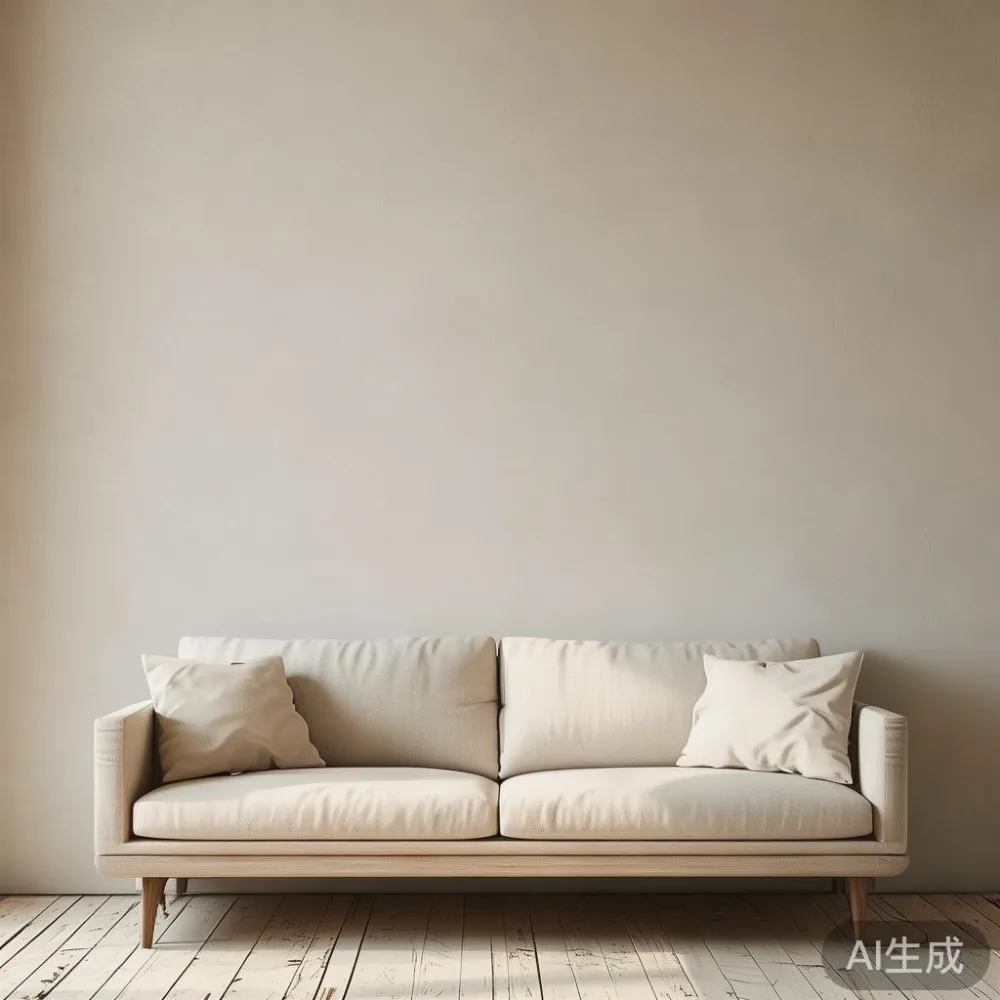
MIDHILL makes solid wood furniture in a japandi style, balancing pale timber, restrained profiles, and practical comfort. Lacquered pieces can fit that aesthetic without looking clinical, provided their finish is maintained with sensible habits and the correct products.
Why does lacquer need special care in Singapore?
Singapore experiences year-round heat and high relative humidity. During wet periods, indoor humidity can rise to roughly 75–85%, while air-conditioned rooms may fall below 50%. Those swings affect wood even when the lacquer itself appears intact. Solid wood expands and contracts across its grain as it absorbs or releases moisture, so a lacquered dining table may develop slight movement, fine checking, or stress marks near joints if the finish is exposed to repeated humidity cycles.
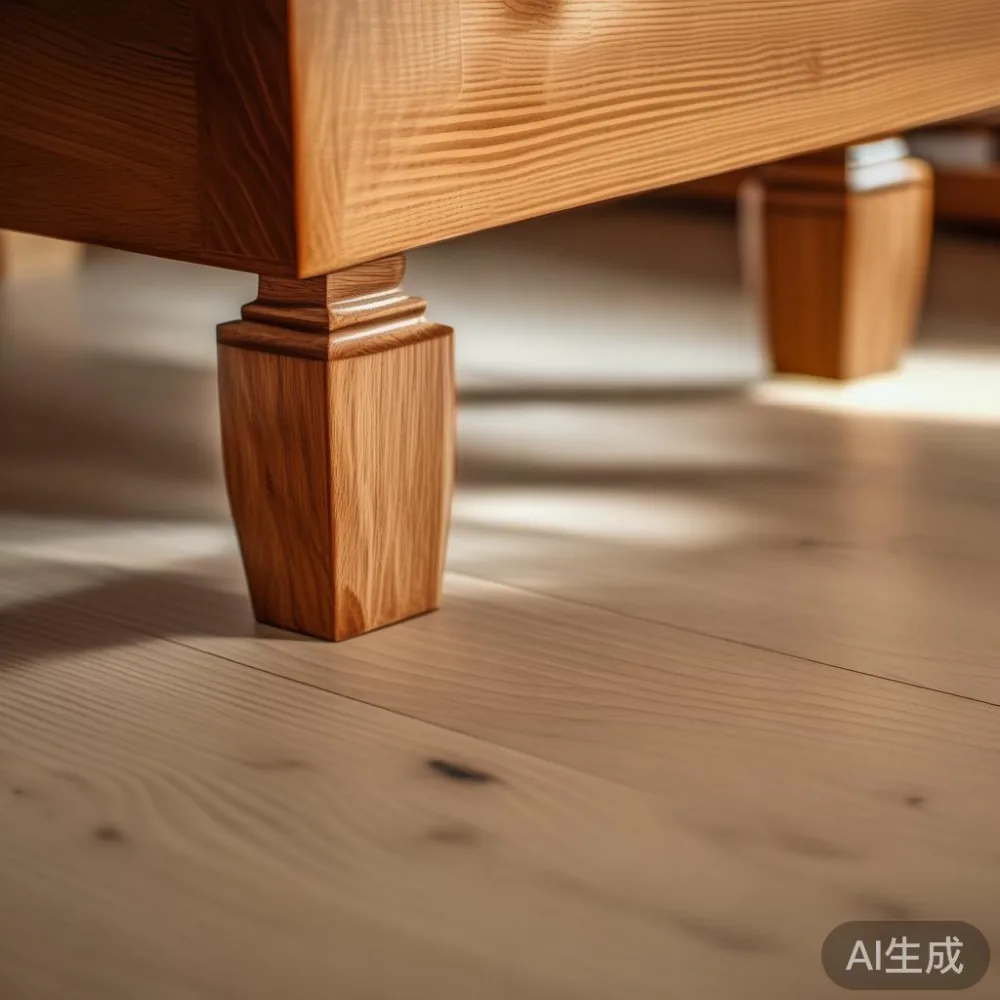
Heat is another factor. A west-facing Bedok or Tampines unit may receive direct afternoon sun for 2–4 hours. Lacquer can soften under concentrated heat, yellow, or become dull, especially if furniture sits close to a window. Keep the dining table at least 60 cm from direct sunlight and 45 cm from a window that opens. A bed frame or wardrobe should also remain 30 cm away from radiators, air-conditioner outlets, and kitchen steam.
Air movement matters too. Avoid placing lacquered furniture directly beneath an air-conditioning vent. The dry airflow can lower the surface moisture balance too quickly, while later tropical humidity returns. A stable room is generally easier on the finish than alternating dampness and aggressive cooling.
How should I clean a lacquered dining table?
Start with the least aggressive method: a clean, dry microfibre cloth. For ordinary dust, wipe in the direction of the grain with light pressure. A second slightly damp cloth removes the residue; do not leave puddles or spray cleaner directly onto the lacquer.
Every 2–4 weeks, use a pH-neutral wood cleaner suitable for lacquered surfaces. Apply it to the cloth rather than the table, then wipe off with a separate clean cloth. This prevents liquid from pooling around joints or decorative edges. On a 180 cm dining table, a damp cloth should cover no more than a 60 cm section at a time.
Never use household glass cleaner, bleach, ammonia, vinegar, abrasive pads, or metal scourers. Their chemistry may strip the topcoat or leave a hazy film. Test any unfamiliar product on the underside of a table leaf or the inside edge of a nightstand, where damage is less visible. Wait 24–48 hours before judging the result.
Spills should be removed immediately. Blot rather than rub, and clean the area with a lightly damp cloth. Oil, wine, and sauce need prompt attention because they can penetrate microscopic finish irregularities. If a mark remains, a specialist lacquer repair kit may help; do not sand the surface yourself, as 180-grit paper can create conspicuous scratches across the grain.
Can humid air cause a lacquered wardrobe or bed frame to warp?
Yes, although a sound finish slows moisture exchange, it does not make the timber immune to humidity. A 220 cm wide wardrobe should not be pushed tightly against a cold external wall, and a queen bed frame should have at least 15 cm of clearance on sides where ventilation is possible. In tightly packed HDB layouts, furniture placement is often dictated by the room dimensions rather than ideal care conditions.
Use a hygrometer with an accuracy of about ±2% RH. Aim for approximately 45–60% relative humidity, while recognising that Singapore’s climate makes short-term outdoor conditions different from the indoor environment. If the reading remains above 65% for several days, improve ventilation or run a dehumidifier rather than repeatedly wiping the furniture. The goal is gradual stability, not an artificially dry room.
For solid wood sofa frames, bed frames, and dining tables, avoid attaching cloth protectors with wet adhesive, hanging damp laundry nearby, or placing an open laundry basket against the wood. Moisture trapped behind an object can create a finish mark or encourage mould. Use felt pads under every table and nightstand leg, but replace them when compressed.
What is the safest way to move lacquered furniture through a condo corridor?
Measure before delivery day. A standard HDB lift interior may be about 100 cm wide and 120–135 cm deep, while condo service lifts vary more. A wrapped dining table should fit diagonally only if its packaged dimensions and turning clearance allow it. The corridor may narrow to 90–110 cm, with a right-angle turn around a fire hose reel or refuse chute. Add at least 10 cm of maneuvering clearance wherever possible.
Protect the lacquer with moving blankets, corner guards, and cardboard, but do not tape directly to the finish. Lift a lacquered table by its solid structure rather than dragging it. For heavier pieces, use 2–4 trained movers. A dining table weighing 65–90 kg should not be carried by one person, and a marble table may require additional support because its weight differs considerably from timber of the same size.
Check the route for sharp angles and wet patches. Singapore rain can make a tiled corridor slippery within minutes. Remove outdoor shoes and dry the route before moving. If a piece is too large, discuss a modular delivery or assembly plan before collection; forcing a lacquered component through a tight turn can crack the table top or damage a wardrobe door.
How do I stop sunlight from damaging a japandi style dining table?
Control exposure rather than treating the table as a display item. Put the table perpendicular to a window when possible, and use light-filtering curtains with a visible transmittance of 40–60%. Avoid dark, heat-absorbing mats under a lacquered top, particularly on floors receiving strong afternoon sun. A rug can reduce glare and add comfort, but it should not trap moisture against the table legs.
Rotate table accessories rather than leaving one area shaded and another exposed. Avoid hot styling appliances, candles, and metal objects that can create localized heat. Check the finish under daylight once every 2–3 months for changes in gloss, pale patches, or fine lines.
Japandi style often uses pale oak, ash, or light-toned solid wood, so surface preparation becomes more visible. The pale grain can show dust, fingerprints, and water rings more readily than a dark finish. Use a table runner made from cotton or linen rather than a plastic covering. A 230 cm table with a 45 cm runner leaves 92.5 cm on each long side, preserving the clean visual plane.
What should I do if the lacquer gets scratched or starts to peel?
Minor marks can often be treated without full refinishing. First confirm that the surface is lacquer rather than wax, oil, or a factory film. A clean fingertip rubbed lightly across the surface usually feels smooth on intact lacquer, though this is not a substitute for product guidance. Photograph the damage with a ruler beside it, then contact the furniture maker with the dimensions and finish type.
For shallow scratches, a colour-matched touch-up product may be suitable. Apply less than 1 ml with a fine brush or cotton swab, allow it to settle for 15 minutes, and feather the edge gently. For peeling, blistering, or a broad dull area, stop applying household products. These symptoms may indicate a preparation or application issue that requires inspection.
MIDHILL provides a 10-year structural warranty and lifetime refinishing, so document ownership, purchase dates, room conditions, and care actions. Keep the original invoice and care photographs. A refinishing review may be needed for a lacquered solid wood dining table, wardrobe, or nightstand, but the appropriate method should be decided after the finish has been examined.
How often should lacquered furniture be maintained?
A simple schedule is easier to follow: dust weekly, clean with a pH-neutral solution every 2–4 weeks, inspect for finish changes every 3 months, and check humidity readings monthly. Wipe table and nightstand surfaces immediately after spills. Keep silicone coasters under cups and felt pads beneath every leg. These measures take less than 10 minutes per session for a typical three-seat sofa and dining set.
Do not apply generic furniture polish unless the manufacturer confirms compatibility. Silicone-containing polishes can create a temporary shine but may interfere with future refinishing. Oil treatments can darken pale timber and leave patches that are difficult to remove.
When comparing American sofa vs Japandi sofa options, focus on frame construction, seat comfort, dimensions, and finish care rather than style alone. For a solid wood sofa, confirm that the lacquer applies only to suitable components and ask about cleaning instructions. A nordic light luxury sofa may suit an open-plan condo, while a French provincial for hotel brief requires durable upholstery and a clear commercial maintenance plan.
Buyers comparing European light luxury sofa vs Japandi sofa designs should note that pale lacquer and light timber reveal handling marks quickly. Likewise, a search for for sale Coastal furniture may produce pale painted pieces, but coastal conditions require stronger attention to salt, moisture, and sunlight. If you are researching the best European light luxury sofa for 2026, verify the frame warranty, actual dimensions, and after-sales service instead of relying on a descriptive label.
Can a lacquered solid wood piece work in a small HDB flat?
It can, with careful planning. In a compact Tampines dining area, a 140–160 cm dining table with straight edges can preserve circulation better than a broad model with thick decorative supports. Measure chairs pulled out, not only the table footprint. Leave 75–90 cm behind each seated position and about 90 cm along a main circulation route where people carry hot food.
In a Bedok or Punggol bedroom, a 150 cm queen bed frame may suit a narrow room better than a 180 cm king, but storage access still needs checking. For wardrobes, allow 60–90 cm in front of sliding or hinged doors. Do not sacrifice ventilation merely to create a flush fit against the wall.
Light-luxury positioning does not require oversized furniture. French light luxury, American light luxury, and post-modern light luxury can all be expressed through proportion, material, and detailing. A japandi style solid wood sofa with a 90–95 cm seat depth, a marble table with a restrained base, and a slimmer wardrobe can make a condo feel composed without overfilling it.
Who should I contact about a lacquer finish issue?
Send the maker a clear description, purchase date, product dimensions, finish colour, and photographs taken in daylight. Include the indoor humidity reading, the approximate temperature, and whether the item sits near a window or air-conditioner vent. For a delivery or care question, contact midhillco@gmail.com and include the delivery suburb so the route can be assessed.
Free delivery applies to qualifying orders above US$350, although the final Singapore charge should be confirmed in SGD, with GST shown separately. MIDHILL also provides a 14-day return window, subject to the applicable product and condition terms. Confirm stock, delivery timing, and access details before choosing a finish or placing an order.
In my own test last month, I wiped a lacquered sample with a damp microfibre cloth and left one tea ring near the edge for 20 minutes. The ring was faint but visible under side lighting, so I treated it immediately with a pH-neutral cleaner and dried it with a separate cloth. The mark disappeared without abrading the finish. The experience confirmed a practical rule: attend to a spill while it is fresh, and keep moisture off the surface for at least 30 minutes.
For a lacquered dining table or another japandi style piece, stable humidity, filtered light, gentle cleaning, and careful moving will protect the finish far more effectively than occasional aggressive polishing. Track the condition, retain the records, and seek professional advice before repairing anything that is peeling or deeply scratched.