Lacquered Furniture Care for Singapore’s Humid Interiors
Singapore’s warmth and humidity can be hard on furniture finishes. Lacquer may look smooth and glass-like when new, but repeated exposure to moisture, sunlight, salt air and trapped dust can leave dull patches, fine cracks or sticky areas. For solid wood furniture in HDB flats and private condos, a sensible care routine protects both the surface and the investment without turning upkeep into a full-day chore.
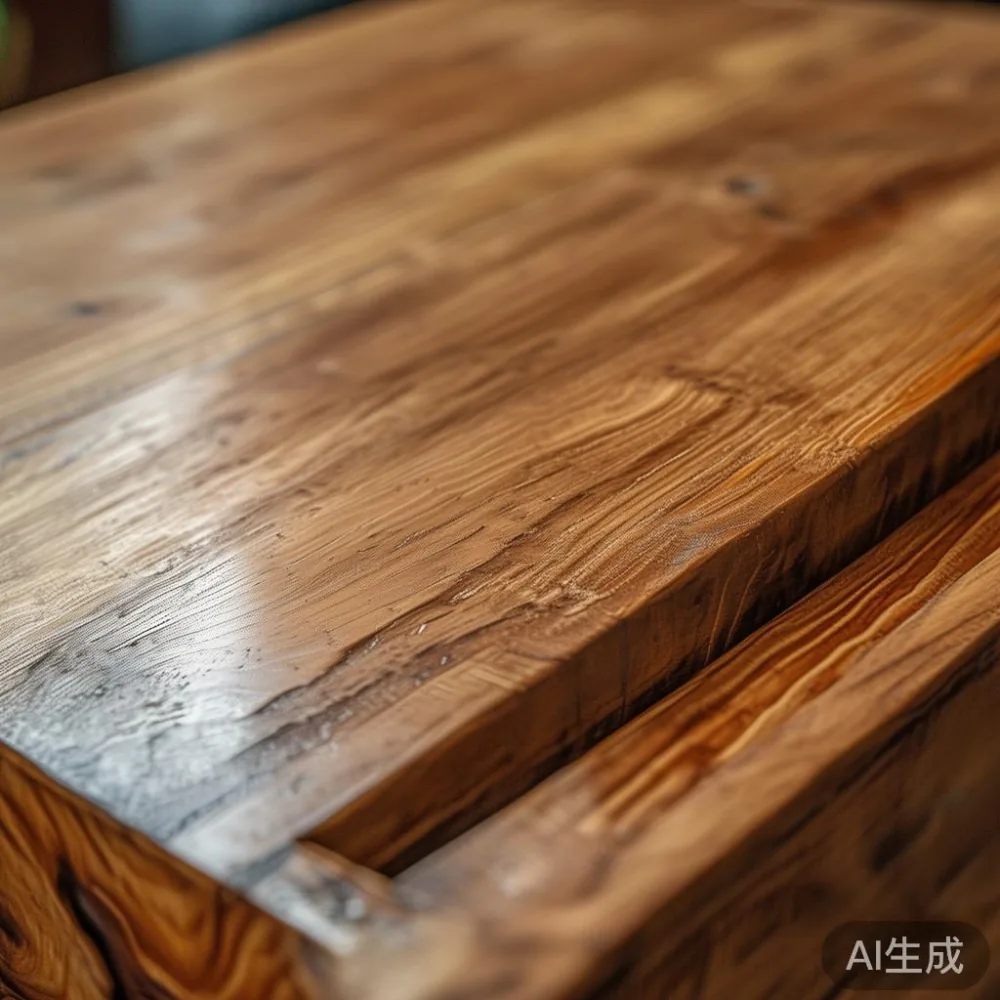
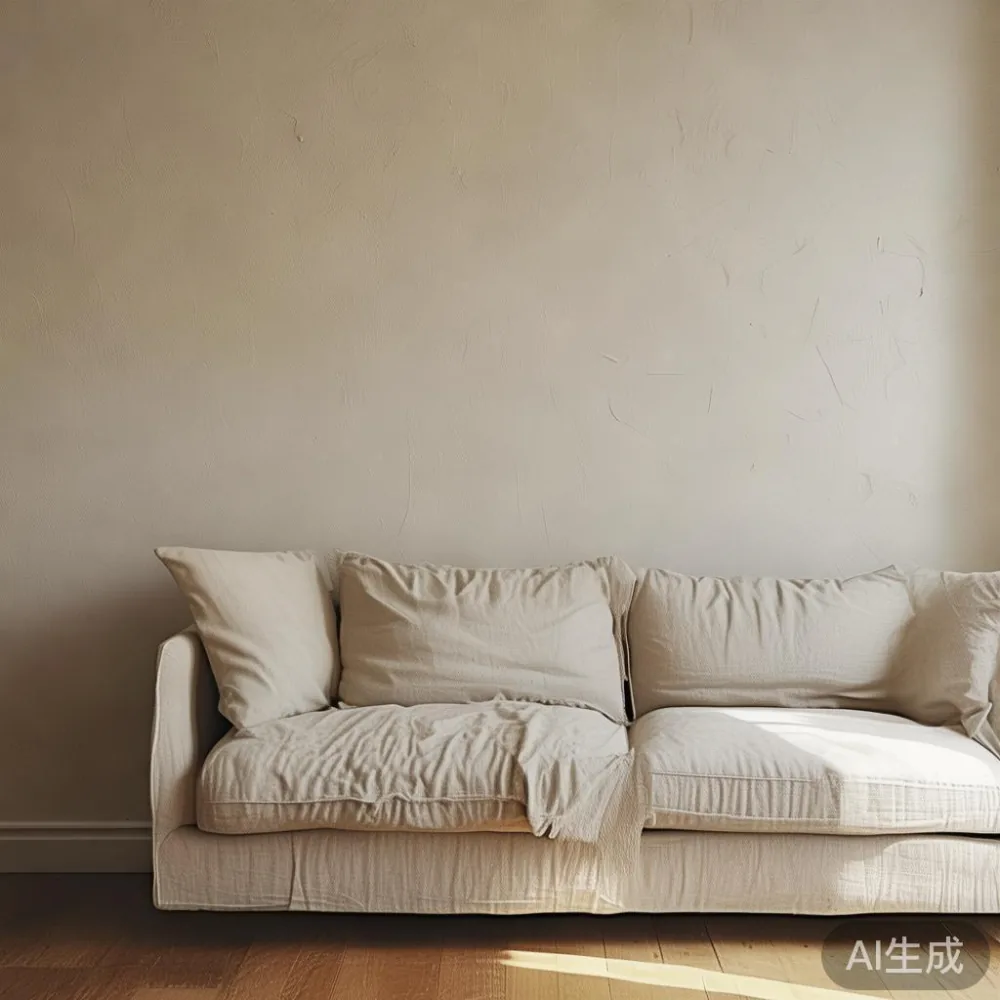
MIDHILL designs in a japandi style, balancing pale timber, restrained forms and practical comfort for urban homes. That approach suits Singapore particularly well: a solid wood sofa, bed frame, dining table, wardrobe or nightstand can feel airy in a Tampines flat while providing durable storage and seating for daily use. The finish matters just as much as the timber beneath it.
Why does lacquer need special care in Singapore?
The island’s climate spends much of the year at high relative humidity. Air-conditioned rooms are often cool, but the air near windows, balconies and lift lobbies can still be damp. Lacquer is less porous than unfinished timber, yet its edges, joints and small surface defects can admit moisture if the coating is already weakened.

Watch for changes over a 2-week period rather than waiting until the finish looks visibly damaged. Wipe the same surface at the same time each day and compare it under the same light. A finish that becomes cloudy, tacky or patchy after wiping may be retaining moisture. Sunlight is another concern: direct rays can fade colours unevenly, especially in west-facing Bedok units and condos with broad glass panels.
Good airflow matters too. Keep lacquered pieces at least 30 cm away from exterior walls, air-conditioning vents and humid display areas where possible. For a dining table positioned near a balcony door, use curtains or UV film and leave a 15 cm gap between the table edge and a sheer curtain. These habits reduce daily moisture exposure without preventing the furniture from being used.
What cleaning kit should a Singapore home keep ready?
Prepare a small care kit with 2 soft microfibre cloths, 1 plain bowl, lukewarm water, mild pH-neutral soap and 1 soft-bristled brush. Avoid acidic cleaners, alcohol-based products, ammonia, bleach, silicone polishes and aerosol wax unless the lacquer manufacturer specifically permits them. A standard household disinfectant may sanitise a surface but leave a residue that attracts dust.
For routine cleaning, mix about 5 ml of mild soap with 500 ml of lukewarm water. Dip the cloth rather than spraying the furniture, then wipe with clean, damp microfibre. Follow with a second dry cloth. Test an inconspicuous area first, using a 10 cm square beside the back or underside, and allow 24 hours before treating the full panel.
Never use a soaked cloth, steam cleaner or abrasive pad. Excess water can travel through lacquer cracks and swell the solid wood core. For a marble table used as a side surface, separate advice applies: stone needs its own pH-neutral cleaner, and standing water should not sit near the marble-to-timber junction.
How often should lacquered furniture be wiped down?
A weekly wipe is appropriate for an active dining table or nightstand. For a solid wood sofa, clean exposed lacquered arms and frames every 7-10 days and vacuum upholstery separately. A wardrobe may need only a light dusting every 2 weeks if its doors are closed, while visible door fronts can be wiped every 14 days.
In HDB corridors and lift lobbies, airborne dust settles quickly on dark lacquer. Check visible surfaces every 7 days during the first 3 months after delivery. In a Punggol home with new construction or renovation nearby, inspect more often because fine plaster dust can feel abrasive when rubbed.
Use a dry microfibre cloth for routine dust. When a mark remains, use the diluted soap solution rather than increasing pressure. Circular scrubbing can create shiny “swirl” patches that differ from the surrounding satin finish. Wipe in straight, consistent movements along the grain or panel direction.
How can I remove stains without damaging lacquer?
Begin with the mildest option: a soft cloth barely dampened with plain water. Let it rest for 60 seconds, then dry the area immediately. For fingerprints on a lacquered nightstand, 1 drop of mild soap in 250 ml of water is usually enough. More aggressive stain removers can soften the coating or bleach pigment.
Do not place boiling water, hot pans, nail polish remover or perfume directly on the finish. A 70°C spill may cause lacquer to blister or lift long before it stains. Use a coaster with a minimum diameter of 8 cm and a heat-resistant barrier, such as cork or felt. For dining-table use in a compact condo kitchen, keep wet dishes and fruit baskets on trays rather than sliding them over the top.
If a mark remains after 3 gentle attempts, stop. Repeated treatment can erase the original sheen. Photograph the mark under daylight, note its approximate size in cm, and contact the furniture supplier for finish-specific advice. This is especially important for a lacquered dining table whose top was made in a different batch from the frame.
Is light luxury sofa worth it for a humid apartment?
The question of whether is light luxury sofa worth it in Singapore depends on finish quality, frame construction and the supplier’s after-sales support as much as appearance. A European light luxury sofa vs Nordic sofa comparison often turns on profile, comfort and internal joinery. A Nordic-leaning solid wood sofa may use visible timber framing, while a French or American light luxury sofa may have deeper upholstery and a more formal silhouette.
Both can work in japandi style interiors if the room remains uncluttered. Check whether lacquer is used on external frames, internal drawer parts or only decorative panels. Lacquered external surfaces require regular humidity control; upholstered interiors need airflow and periodic cleaning. Upholstery should be at least 5 cm clear of a wall if air circulates poorly behind it.
For dimensions, allow 90 cm of clear walking space beside a sofa in a common HDB living room and approximately 60 cm between a sofa arm and a coffee table. In a lift or corridor, confirm that the packaged sofa fits before delivery. MIDHILL’s 10-year structural warranty gives buyers time to evaluate frame stability, while lifetime refinishing is useful for future lacquer or timber maintenance.
What should I know about delivery, dimensions and installation?
Singapore’s HDB corridors and older lift shafts can be narrower than showroom floor plans suggest. Measure the lift door, turning space and the narrowest corridor point before choosing a large wardrobe or bed frame. Add 5-10 cm of clearance for packaging, gloves and turning angles rather than relying on the furniture’s bare dimensions.
A typical HDB lift door may be around 80-90 cm wide, but building-specific measurements vary. For a condo, record the service lift maximum load, door width and protected flooring route. Confirm whether stairs or a crane are required. Solid wood dining tables, wardrobes and bed frames are heavier than flat-pack equivalents, so a 2-person delivery team may be necessary.
For a dining table with a 180 cm top, a 90 cm-wide lift doorway may still permit entry when the table is turned on its side, provided there is enough ceiling height and floor space. For a 120 cm nightstand, standard doors are less demanding, but the 25-30 kg packed weight can still challenge a manual move.
Some Singapore listings use phrases such as for sale Rustic furniture, but rustic styling does not guarantee tropical durability. Ask for lacquer composition, timber species, moisture content, care instructions and warranty terms. A French for dining room approach may add pale woods, linen textures and matte finishes, while keeping practical Singapore requirements in view. Local prices should be stated in SGD, including GST where applicable.
Can wardrobe and bed-frame finishes stay in good condition?
A lacquered wardrobe needs both surface care and stable internal humidity. Leave doors open for 15-20 minutes after the air conditioner switches off, but do not run a dehumidifier directly against the panels. Check the top and base for condensation every month, especially in ground-floor Bedok homes or units near an exterior car park.
For a lacquered bed frame, wipe the headboard every 7 days and inspect the foot area every 30 days. Keep bedding from touching humid walls. If a solid wood bed frame has an engineered centre section, avoid placing it near a persistent leak and ask the maker about seasonal movement in the timber.
Anyone learning how to choose Italian light luxury wardrobe should compare drawer runners, hanging space, moisture resistance and finish repairability. Allow at least 60 cm in front of wardrobe doors for use, or 90 cm where opposite furniture prevents full opening. A light-coloured japandi style wardrobe will show dust and water marks sooner than a darker finish, making the 14-day cleaning rhythm worthwhile.
How do I style an American bed in an apartment?
When considering how to style American bed in apartment layouts, start with the room’s clear dimensions rather than adding many decorative objects. A queen bed measures about 152 x 203 cm in Singapore, and its mattress should have 5 cm of space on each side where possible. For a narrow HDB bedroom, a 140 x 200 cm bed may create a more comfortable 60 cm path along one side.
Pair the bed with simple japandi style elements: pale timber, blackened metal details, woven baskets and off-white textiles. A low lacquered nightstand can add storage without making the room feel crowded. If the floor is vinyl rather than tile, use a 170 x 230 cm rug beneath the bed so at least 50 cm extends along the sides and 70 cm appears at the foot.
Use blackout curtains with a 3-5 cm gap from the wall to slow heat transfer and reduce UV exposure. Keep the headboard 10 cm away from an air-conditioning outlet if the direct airflow causes lacquer or timber to warm rapidly. The aim is comfort, circulation and a light-luxury mood without decorative clutter.
When should a lacquered finish be refinished?
Inspect lacquered furniture every 6 months. Fine scratches under 0.5 mm rarely require professional work; deeper splits, lifting edges or widespread cloudiness need assessment. Do not apply furniture wax over lacquer without checking the original finish specification. Wax can create a patchy appearance and makes later refinishing more difficult.
Minor marks can sometimes be addressed with a manufacturer-approved touch-up product, but colour and sheen vary with age and exposure. Photograph the affected area in daylight and at night, then contact the supplier. MIDHILL offers lifetime refinishing, which can be valuable for a solid wood sofa, dining table or wardrobe purchased for long-term use.
Also verify whether the lacquer is a sprayed, brushed, hand-rubbed or conversion-cured finish. Different systems respond differently to heat, alcohol and water. A 10-year structural warranty addresses construction rather than accidental finish damage, so a written care guide helps prevent misunderstandings.
What is a practical care schedule for a Singapore household?
Use a 7-day cycle for frequently touched lacquer: wipe a dining table after dinner, inspect a nightstand and clean reachable sofa-frame surfaces. Every 14 days, dust wardrobe fronts and the lower edges of furniture. Every month, check under cabinets, behind the bed and near balcony doors for moisture or insects.
Every 3 months, clean window-side surfaces with diluted mild soap and review any fading or condensation. Twice a year, inspect lacquer joints, corners and undersides under bright light. Maintain indoor relative humidity around 50-60% where practical, using a dehumidifier only when readings exceed 60% for sustained periods.
Keep plants on trays and move them 30 cm from lacquered panels if watering causes drips. In a lift or corridor, protect floors with 2 mm protective pads and remove packaging after delivery. These steps preserve the clean geometry associated with japandi style while supporting a French light luxury, American light luxury or post-modern light luxury interior.
For direct questions or care documentation, MIDHILL can be contacted at midhillco@gmail.com. Delivery to Singapore usually takes 7-14 working days after order confirmation, though remote addresses or made-to-order pieces can take 21-30 days. Returns are accepted within 14 days under applicable conditions, and shipping is free for orders over US$350, with the Singapore checkout confirming any local GST and delivery charge in SGD.
Lacquered furniture does not need constant intervention. It needs gentle cleaning, controlled moisture, limited direct heat and periodic inspection. Those 10 minutes each week protect the clarity of the finish and help a solid wood bed frame, nightstand, wardrobe, dining table or sofa remain suitable for years of Singapore living.