How Southeast Asian Humidity Affects Solid Wood Furniture in Singapore
Singapore’s warm, humid climate can change solid wood furniture more than many homeowners expect. In an HDB flat at Tampines, a dining table near the kitchen may experience sharper daily moisture changes than a wardrobe in an air-conditioned bedroom. In a Bedok condo, high-rise construction, sealed windows, and continuous air conditioning can create a different environment again. Punggol homes may face afternoon sun, balcony airflow, monsoon rain, and air-conditioner cycles that repeatedly wet and dry exposed timber.
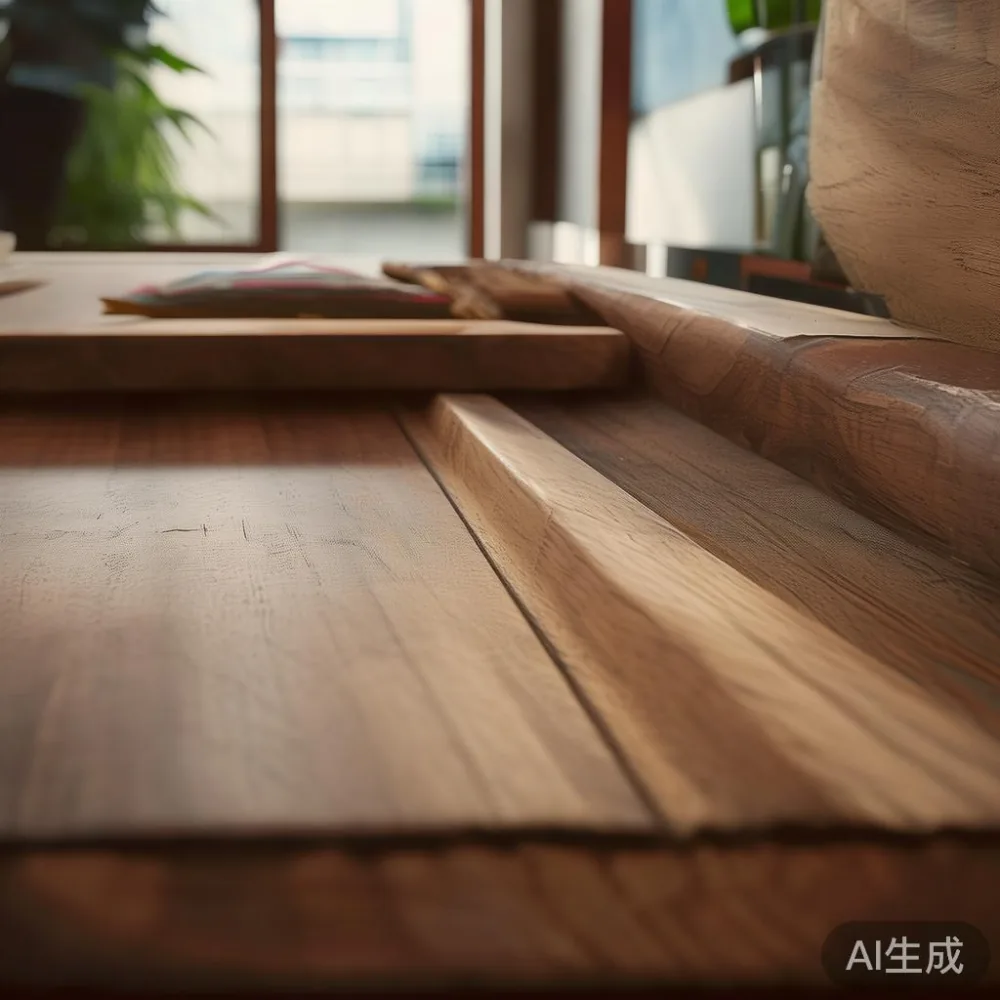
Humidity does not automatically ruin solid wood. Timber naturally exchanges moisture with the surrounding air. The concern is uncontrolled movement: swelling, shrinkage, joint movement, surface checking, mould in damp crevices, and finishes that trap moisture. The practical solution is not to fear Singapore weather, but to control indoor conditions, choose suitable species and joinery, protect hidden surfaces, and maintain a sensible care routine.
MIDHILL designs for compact urban interiors with a japandi style vocabulary: pale tones, clean lines, tactile timber, restrained ornament, and functional proportions. That approach suits Singapore rooms where circulation space matters. A 160 cm dining table can seat 6 people yet leave only 60 cm to pass behind a chair. A 180 cm wardrobe may look generous in a showroom but obstruct a condo corridor corner. Climate planning and spatial planning must work together.
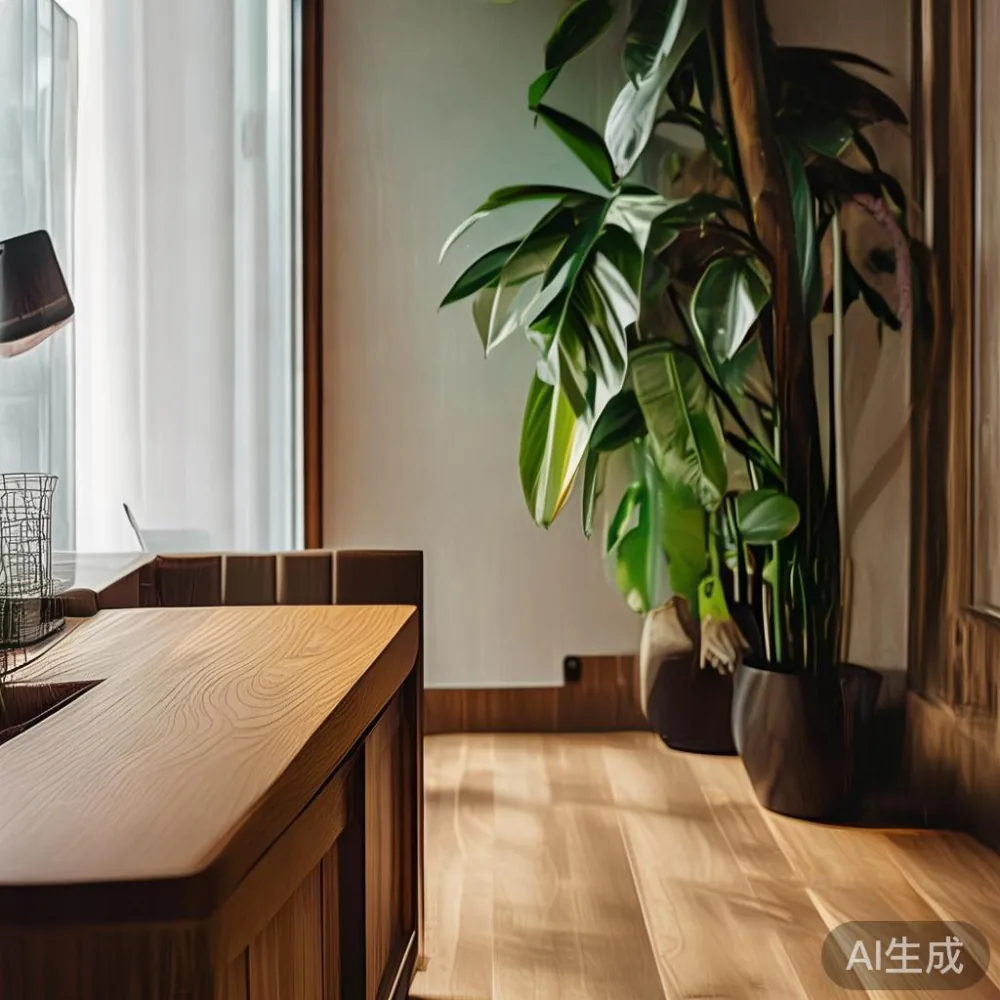
Why does humidity make solid wood furniture move in Singapore?
Wood contains bound moisture in its cell walls. As relative humidity rises, fibres absorb water and swell; as humidity falls, they lose moisture and shrink. Across the grain, movement can be noticeably greater than along the grain. A 180 cm oak board might change width by roughly 2–4 mm during a substantial seasonal swing, depending on species, thickness, and finish. Small movements are normal. Large or uneven movements create stresses around screws, dowels, tenons, and panel edges.
Singapore’s monthly relative humidity commonly ranges from about 65% to 90%, while apartment interiors often become much drier when air conditioners run. Outdoor readings are only part of the picture. Lift lobbies, corridors, and rooms may be 5–10°C cooler than outside and can have different moisture conditions. A polished surface may also respond differently from an exposed end grain. Veneer-backed panels generally have less dimensional movement than thick solid timber, but an all-solid carcass still reacts to room conditions.
Air movement accelerates moisture exchange. A bedside table placed 20 cm from a return air vent can dry faster than one along a wall. Placing a solid wood bed frame or wardrobe against an exterior wall may expose it to rain-driven humidity before the room stabilises. The useful target is not merely an outdoor weather report; it is a reasonably stable indoor environment, often around 45–65% relative humidity for furniture comfort.
Which Singapore rooms create the greatest moisture risks?
Kitchens and bathrooms can introduce short bursts of high humidity from cooking, washing, drying laundry, and showering. If a marble table sits close to a wet preparation area, its stone, metal supports, timber tray, and storage components can each respond differently. Keep marble and timber 60–90 cm from splash zones where possible. Use a range hood or extractor and wipe standing water from surfaces within 10 minutes.
Bedrooms can face the opposite problem. A room at 18°C under prolonged air conditioning may have low relative humidity. Warm, dry discharge air pulls moisture from exposed wood, wallpaper, leather, and joinery. Set a practical cooling range near 23–26°C, avoid blowing directly onto furniture for 18–24 hours, and leave circulation space around the unit. A hygrometer placed near a bed frame or nightstand is more useful than one near the bathroom or window.
In HDB flats, compact layouts can make dehumidifiers difficult to position. A unit should have at least 20 cm clearance at intake and 30 cm at outlet. Raise its feet by 3–5 cm from a smooth floor so air can enter evenly. If furniture blocks every vent, humidity can remain higher at floor level even when the main volume feels comfortable.
Can japandi style furniture work in Singapore’s humid climate?
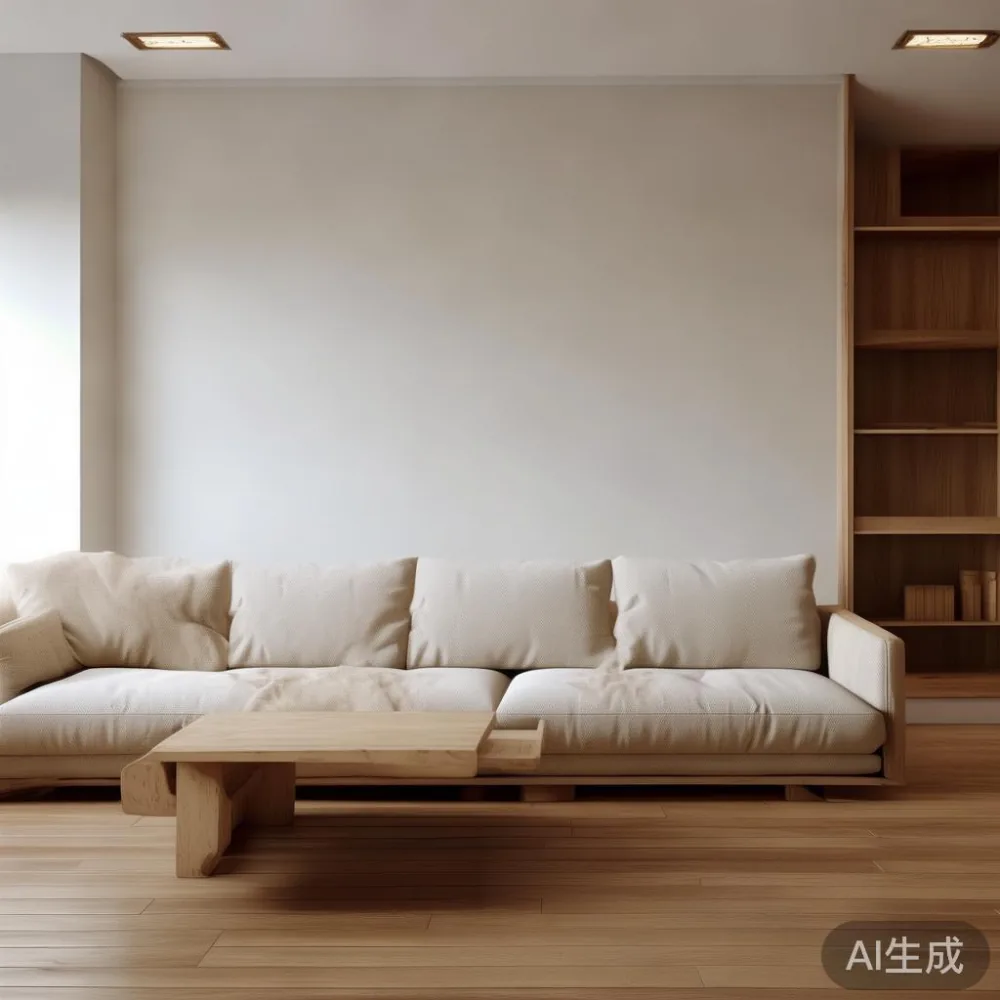
Yes, provided the timber, finish, and placement are suited to local conditions. Japandi style does not require one fixed colour or species. It can combine warm oak, ash, teak-toned timber, matte finishes, woven textiles, ceramics, and simple functional storage. In an HDB living room, a low solid wood sofa with shallow arms can preserve a 75–90 cm route to the balcony or kitchen. Slim tapered legs allow air to circulate below, while a removable upholstered section can be cleaned without dismantling the timber frame.
For dining, a 180 × 85 cm table gives 6 place settings but still needs about 90–100 cm of clear passage on the main access side. Japandi style often uses rounded corners, which are practical in family spaces with children. Avoid placing the table within 30 cm of curtains that may touch the floor. Outdoor-rated lacquer can help on a balcony, but no finish makes timber completely moisture-proof.
For storage, a 120 cm wardrobe may suit a compact bedroom if it stands clear of an inward-swinging door by 5 cm. Use adjustable feet or a moisture-resistant plinth where floor conditions vary. Nightstands should not be wedged tightly between a bed and wall; allow roughly 3–5 cm at the back for airflow and inspection.
What should I do before accepting a large furniture delivery?
Measure the route before ordering, including the HDB common corridor, lift lobby, staircase turns, and the narrowest doorway. Record the lift’s internal width and depth rather than relying on published building dimensions. A furniture package should be about 5–10 cm narrower than the lift opening for safe angling, and its longest rigid component should not exceed the lift car’s usable diagonal once doors and protective panels are accounted for.
Leave about 20 cm beyond the package width during maneuvering. For a sofa, remove legs and cushions if designed to detach. For a bed frame, check whether the headboard is one fixed piece. For a dining table, lifting panels can reduce the entry width, but confirm whether the construction is intended to separate. For a wardrobe, flat-pack boxes may enter more easily than a completed carcass.
Protect indoor floors with cardboard, foam, or rated furniture sliders. One person should guide from the lift lobby while another manages the doorway and lift controls. Avoid sliding an unprotected solid wood bed frame across a corridor floor; dragging can damage joints and finish. Keep the original packaging until assembly is complete, then remove or recycle it responsibly.
Singapore delivery timing and access rules vary by address, lift booking, and building management. Confirm the delivery window in writing and add at least 1–2 working days for a condo or HDB requiring a loading-bay booking. Check whether GST is included in the quoted price and whether a stair carry or special-lift fee applies.
How can I protect a solid wood sofa, bed frame, dining table, wardrobe, and nightstand?
Start with placement. Keep furniture 30–60 cm from exterior windows where condensation is common, and at least 10 cm from walls where a gap improves inspection and airflow. Do not place wet umbrellas, laundry, or damp towels against a wardrobe. Wipe drinks immediately because water can penetrate small finish defects or edge joints. Use coasters and trays on a dining table or marble table rather than leaving rings overnight.
Clean timber with a soft, damp cloth wrung properly, followed by a dry cloth. Avoid soaking cloths, ammonia-heavy cleaners, abrasive pads, and silicone furniture sprays. Clean upholstery according to its removable cover label, and allow it to dry fully before reinstalling it.
For an Italian light luxury dressing table, inspect the marble top, timber drawer fronts, and metal hardware separately. Marble tolerates surface moisture well but is vulnerable to acidic stains and impact at vulnerable edges. Keep perfume, hairspray, acidic cleaners, and excess humidity away from its base and joints. If choosing an Italian light luxury dressing table for a compact bedroom, check the mirror swing and chair clearance before ordering.
For bedroom planning, a search for how to style light luxury bed in room is useful for scale, but humidity needs a place in the plan. Leave 5–10 cm behind the headboard if the wall receives occasional moisture, and do not block the bed’s rear cable route or air-conditioner airflow. A solid wood bed frame should be assembled according to the maker’s instructions so seasonal movement is not restrained by tight fixings.
For living rooms, a search for how to style American sofa in room often focuses on pillows and colour. In Singapore, keep the sofa away from wet entry areas and use a washable throw during humid months. A restrained design can borrow French light luxury, American light luxury, or post-modern light luxury without making a small room crowded.
What humidity and temperature should I aim for indoors?
A relative-humidity range of roughly 45–65% is a practical starting point for furniture and comfort. Keep readings within about 5% points of a seasonal target rather than trying to chase a number that changes every hour. If a bedroom reads 78% repeatedly, inspect ventilation, laundry drying, window condensation, and leakage before buying another piece of furniture. If it remains below 40%, review air-conditioner settings and room-closing habits.
Temperature stability matters too. A 7–10°C overnight difference can be harder to manage than a slightly high daytime reading. Aim for gradual changes rather than repeated cooling and reheating. A dehumidifier may help in enclosed wet rooms, while a humidifier is rarely required in most Singapore flats. Use either device with a separate hygrometer and avoid direct airflow toward timber.
Wait before unpacking newly delivered furniture if the package feels noticeably cold or damp. Allow 12–24 hours in a dry, ventilated room before assembly when possible. This helps surfaces equalise and prevents trapped packaging moisture from contacting wood. Do not store boxed furniture beside a washing machine or under a balcony where rain may reach it.
What should a local furniture warranty cover?
Read the terms for moisture, finish, movement, and care. A structural warranty should distinguish a manufacturing defect from damage caused by flooding, prolonged wetting, neglected cleaning, or an unsuitable environment. Confirm what happens if a component cracks, a joint loosens, or a surface finish develops a defect, and how replacement parts are handled across Singapore and export destinations.
For MIDHILL, the stated 10-year structural warranty and lifetime refinishing offer a practical framework for long ownership, but care still matters. Ask whether refinishing includes transport, labour, and the selected finish. Photograph the furniture after delivery, keep care instructions, and document any moisture incident with dates and readings.
Delivery terms also need clarity. Free shipping over US$350 appears on the brand’s stated policy, but for Singapore orders request the local SGD total, GST treatment, delivery days, access charges, and return arrangements. A clear invoice can prevent disputes over curbside delivery, lift usage, and damage discovered after the package is opened.
How do I recognise early signs of moisture-related movement?
Look for doors that no longer sit flush, drawer fronts that catch, uneven gaps, small end-grain checks, or a surface that feels cool and damp. White spotting may appear where moisture has interacted with finishes or dirt. A musty smell near a wardrobe plinth can indicate trapped water, but clean the area and improve airflow before assuming the timber is permanently damaged.
Do not immediately sand or fill a movement joint. Measure the gap, record the room humidity, and contact the maker with photographs. If a component has been soaked, dry it gradually. A fan at normal room conditions is safer than a heat gun held close to timber. Keep the item off a damp floor until the surface is dry and the room reading has stabilised.
What did I learn from a recent Singapore home visit?
Last month I visited a 3-room HDB flat in Punggol to inspect a 180 cm solid wood dining table. The family had placed it beside a sliding door facing the afternoon sun. The hygrometer showed 82% relative humidity after rain, while the bedroom measured 47% because the air conditioner had run overnight. The table was not failing, but a drawer had developed a slight rub and one end looked darker.
Moving the table 45 cm away from the window, using coasters, and opening the sliding door for 30 minutes after cooking improved the immediate environment. The family also changed the air-conditioner setting from 20°C to 25°C at night. Within 2 weeks, the rub had eased. The visit showed that stable habits often work better than repeatedly worrying about one damp afternoon.
That same week, a delivery to a Tampines lift lobby demonstrated why measurements matter. A packaged bed frame entered a 90 cm lift with only about 6 cm of angular clearance, so the carton had to be turned carefully. In a Bedok condo, a marble table package required a second person to manage the glass top and protect the corners. Good planning protects furniture, corridors, lift walls, and delivery crews at the same time.
Where can I compare solid wood furniture without overspending?
Compare the total price in SGD, not only the promotional price. Ask for dimensions in cm, solid-wood coverage, veneer details if any, finish type, drawer construction, door clearances, and delivery days. For example, a dining table under 2000 Post-modern furniture may use mixed materials, while a solid wood carcass offers different moisture behaviour and repair options. Check every specification before assuming that similar appearance means similar construction.
A shopping comparison for the best Italian light luxury bed for 2026 should examine slat spacing, centre support, headboard clearance, and warranty terms. A separate search for the best Mid-century modern sofa for 2026 can be useful for shape and seating, but ask whether the frame is solid timber, how the upholstery is fixed, and whether the sofa is intended for humid-room use. A search for the best Mid-century modern sofa for 2026 should also include lift access, not only visual proportions.
For a 14-day return check, photograph the furniture in its delivered position, measure the access route, and keep all packaging. Confirm whether returns require the original finish, whether lift fees are refunded, and how items collected from a HDB block are handled. Store care notes with the invoice so future refinishing requests can be matched to the original production batch.
What is the sensible Singapore furniture routine?
Check humidity 2–3 times during the first month after delivery, then weekly in wet seasons. Keep readings near the furniture, not only on a phone weather app. Wipe surfaces monthly, inspect joints and undersides twice a year, and move items that repeatedly develop dampness. Leave space around wardrobes and bed frames where the layout allows it.
Choose furniture that suits the room’s real dimensions. A japandi style solid wood sofa should have enough clearance to walk around; a japandi style dining table should preserve a practical passage; a japandi style wardrobe should align with doors and windows. The right proportions make a Singapore interior calmer and prevent furniture from becoming a moisture trap.
Most importantly, remember that solid wood is designed to endure changing conditions when those changes are managed. Pair careful ventilation with moderate indoor humidity, sensible placement, regular wiping, and clear warranty support. The furniture can retain its warmth and texture for years without being treated as if Singapore were a dry showroom.