Japandi Style: Caring for Solid Wood in Singapore
Humidity, heat, condensation, and frequent hand contact can make lacquer care in Singapore less straightforward than in a temperate country. A lacquered solid wood sofa, bed frame, dining table, wardrobe, or nightstand can remain handsome for years when the finish is protected with a measured routine, but repeated moisture exposure can cause clouding, blistering, peeling, or swelling around joints.
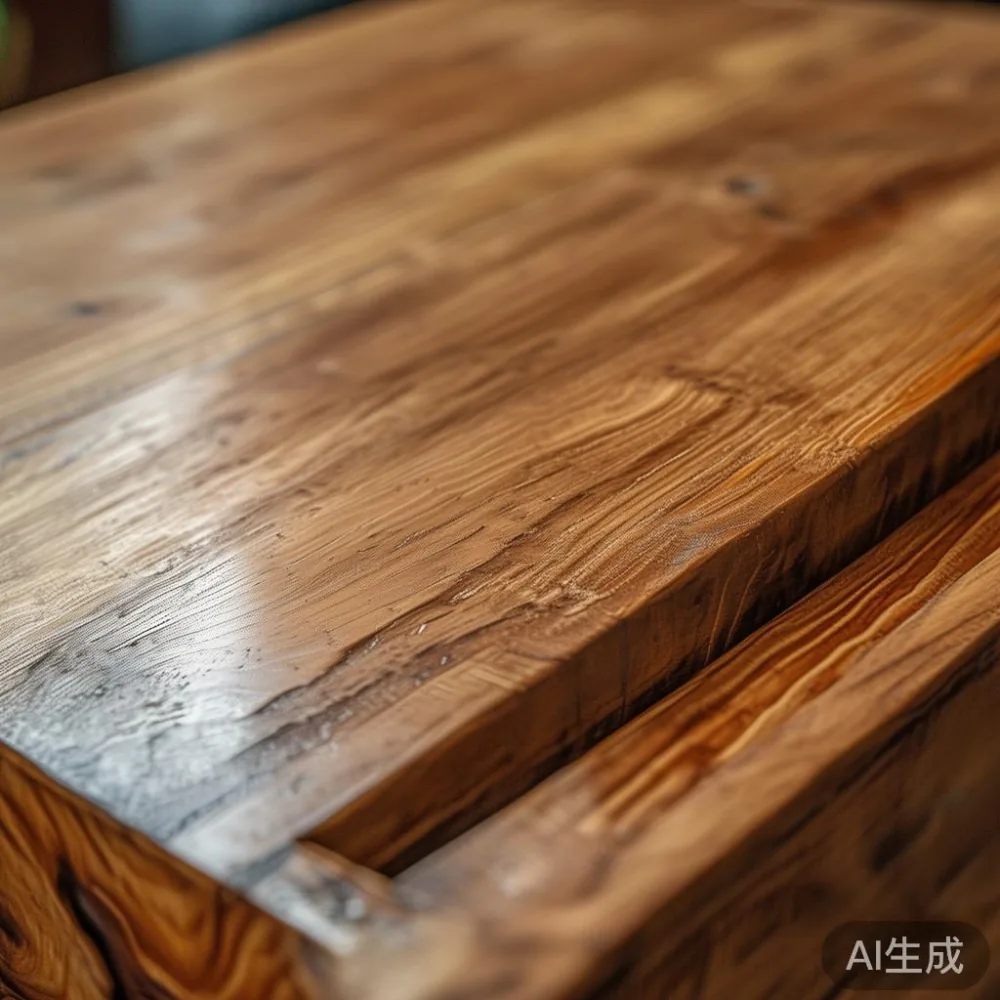
This guide focuses on lacquered furniture in a tropical climate, with practical details for HDB flats and condos in Tampines, Bedok, Punggol, and other high-density Singapore neighbourhoods. It also considers narrow lift doors, corridor turns, delivery timing, and the reality that air-conditioned rooms are not always dry.
MIDHILL has made solid wood furniture since 2008 and exports to more than 15 countries. Its 10-year structural warranty covers the frame, while lifetime refinishing makes lacquer maintenance a long-term consideration rather than an afterthought.

Why does lacquer behave differently in Singapore?
Lacquer is a clear or coloured surface coating applied over prepared timber. Unlike an untreated solid wood surface, it should not absorb moisture as readily. However, the coating can still be affected by prolonged dampness, sudden temperature changes, and physical impact.
Singapore’s outdoor relative humidity commonly ranges from about 65% to 90%, while daytime temperatures often reach 31–34°C. Inside an HDB flat, a lacquered dining table may sit near a window receiving morning light, humid evening air, and condensation from a cold drink. The local problem is not simply visible water. It is repeated movement between damp and dry conditions.
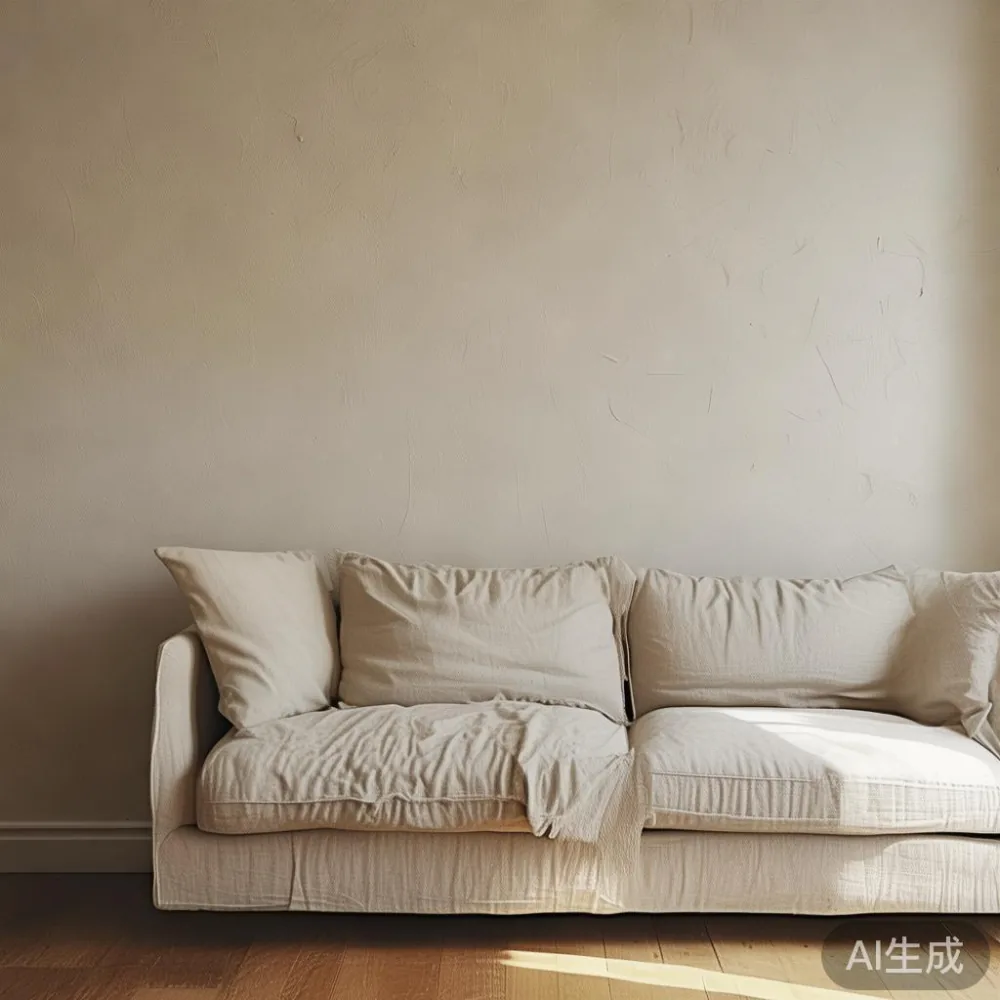
Keep the indoor relative humidity between roughly 45% and 60% where practical. A hygrometer costs around SGD 12–35 and gives a more useful reading than guessing. Position it near the lacquered piece for 24 hours before deciding whether adjustment is needed. Air-conditioning often lowers humidity during the day, but a sudden switch from a cool room to a warm corridor can create condensation on doors, wardrobes, and bedside cabinets.
For a japandi style interior, the visual language is restrained: pale timber, clean joints, low-profile forms, and few unnecessary finishes. Lacquer can support that calm appearance, provided the surface is not exposed to standing moisture. The material should look quiet and tactile, not sticky, hazy, or damaged.
How should I clean a lacquered surface safely?
Begin with a dry, soft microfibre cloth. Dust grit before wiping because particles dragged across lacquer can create fine scratches. For routine cleaning, dampen the cloth with clean water and wring it until it is almost dry. The cloth should leave no visible bead of water on the surface.
Dilute a pH-neutral soap by adding about 5 ml to 500 ml of lukewarm water. Apply it to the cloth rather than the furniture, then wipe the area and remove residue with a second barely damp cloth. Test an inconspicuous 10 cm × 10 cm section for at least 24 hours, especially with an unfamiliar lacquer or a newly refinished item.
Do not use vinegar, lemon juice, ammonia, bleach, alcohol-based glass cleaner, abrasive pads, or household oil. Even though a small splash may seem harmless, repeated exposure can dull the sheen or soften the coating. Avoid silicone furniture sprays because they can create a greasy film that attracts dust.
Clean spills promptly. Wipe a water ring within 2 minutes rather than waiting 2 hours. For sticky residue, place a barely damp cloth over the spot for 30 seconds, then lift it and clean gently. Do not scrub aggressively. Lacquer can lift if it is warmed and pulled at the edge.
A lacquered nightstand next to a bed may collect hand oils, lint, and medication residue. A weekly wipe is usually enough. A dining table needs the same discipline: use a placemat at least 30 cm × 40 cm beneath hot pots, coasters under vessels, and felt pads beneath decorative objects. Heat accelerates coating damage more than ordinary household pressure.
What humidity level should I maintain inside a Singapore flat?
Measure before moving the furniture. A compact hygrometer near a wardrobe or dining table can show whether the problem is seasonal condensation, poor ventilation, or air-conditioning. Aim for 45–60% relative humidity and a stable room temperature near 24–27°C where possible.
Do not place a lacquered wardrobe directly against an exterior wall that remains damp, or beside a bathroom in a HDB flat where steam travels through the doorway. Maintain at least 10 cm of clearance from cold walls and 20–30 cm from windows if condensation forms. Use the exhaust fan during showers and keep the door closed for the first 10 minutes of cooling.
In a Punggol or Tampines HDB home with corridors exposed to rain, bring parcels and damp groceries into the living area before unpacking. A lacquered bed frame should be positioned away from an air-conditioner’s direct discharge; aim for roughly 1 metre of clearance if cold air repeatedly beads on the headboard.
For occasional high humidity, a dehumidifier with a 12–20 litre daily extraction capacity can maintain a 20–30 m² room. Running it for 3 hours after wet-weather days may be enough. Place the unit so that its outlet does not point directly at furniture. Excessively dry air can make exposed timber move, so the objective is stability rather than chasing the lowest possible reading.
Can sunlight fade or warp a lacquered dining table?
Yes. Ultraviolet radiation can alter pigments and weaken surface polymers over time, while concentrated heat can soften lacquer or create a cloudy patch. Use curtains or blinds when direct sun reaches a table for more than 2 hours per day. Rotate dining chairs monthly so one side does not receive all the light and wear.
For a solid wood sofa, bed frame, dining table, wardrobe, nightstand, or marble table, avoid keeping the same object in exactly the same position for years. A light-luxury scheme still benefits from this simple movement. In French light luxury rooms, pale upholstery and reflective surfaces make sunlight more noticeable; in American light luxury interiors, leather or textured fabrics need similar protection from heat.
When choosing a new piece, inspect the finish under daylight and under a warm lamp. A post-modern light luxury treatment may show controlled variation in sheen, but it should not contain bubbles, ripples, pinholes, or tackiness. Rub a clean coin lightly over an inconspicuous edge to check for adhesion, without scratching the face.
A coffee table is a useful test surface because it receives cups, keys, newspapers, and laptop heat. A Modern light luxury coffee table with a lacquered top should have sealed edges and enough room for coasters. Keep the centre free from stacked magazines and avoid placing a hot laptop directly on it; use a protective mat at least 38 cm × 28 cm.
How should I move lacquered furniture through narrow lifts and corridors?
Measure the route before delivery day. Record lift door width and depth, the diagonal clearance inside the lift, corridor width, door width, turning radius, and the height of any overhead pipe. A typical HDB lift may offer roughly 90–110 cm of door width, but internal dimensions and building access vary. A condo corridor may be 1.2–1.5 m wide, with turns that make the larger measurement misleading.
For a lacquered bed frame, carry the headboard and side rails separately when the manufacturer permits. Keep panels upright instead of dragging them across a corridor. If assembly is required, protect finished surfaces with blankets or cardboard, and pad corners with 5–10 mm foam. Never tape directly onto lacquer; low-tack painter’s tape can still leave an adhesive mark after 24 hours.
Protect a marble table with a fitted blanket and edge guards. Stone is much heavier than appearance suggests: a 120 cm × 60 cm marble top may weigh 50–80 kg depending on its thickness. Use at least 4 trained people for a top above 60 kg, or professional movers with insured equipment.
Singapore delivery commonly takes 7–14 days for in-stock items, while made-to-order pieces may require 30–60 days. Confirm the access measurements at least 3 days before arrival. If the item cannot pass a lift or turn, the delivery team should discuss stair carry or a safe unpacking point rather than force the package.
Those instructions matter when comparing a European bed vs Nordic bed for a compact room. A European bed may provide a generous 160–180 cm width and articulated support, while a Nordic bed often uses lighter visual lines. Neither measure alone determines whether it fits: a 180 cm × 200 cm mattress needs more turning space than a 160 cm × 200 cm frame.
Is a lacquered finish suitable for a bedroom in Bedok or Tampines?
It can be suitable if the bedroom is dry, ventilated, and kept within a sensible humidity range. A lacquered bed frame should not sit beside an uninsulated exterior window or directly against a wall carrying condensation. Allow 15–20 cm behind a headboard where possible so air can circulate and damp patches can be checked.
This question also invites the phrase is Japanese bed worth it, although buying decisions should follow room measurements and local comfort. A Japanese-style platform may sit low and suit a japandi style bedroom, but its slatted base, floor clearance, and mattress compatibility still need checking. Compare slat spacing, total load capacity, noise, and warranty terms rather than relying on a country label.
Check under a wardrobe every 3 months during humid months. Look for mould, musty odours, peeling edges, or swollen timber. If moisture is present, remove stored clothing, improve airflow, and contact the maker before applying another product. Excessive lacquer build-up can restrict the timber beneath it, so old coatings should be assessed by a refinisher rather than sanded casually.
For a suitable project brief, ask for luxuriously restrained luxury light luxury furniture with a clear maintenance history. The wording may sound repetitive, but the practical point is to request a finish specification, care products, and repair policy in writing. A supplier should explain whether touch-ups are included, how colour matching is handled, and how lacquer is protected during delivery.
What should I do if lacquer becomes cloudy, sticky, or scratched?
Stop using damp cloths and heat. Place the piece away from direct sunlight and keep the room around 24–27°C. Cloudiness may be caused by moisture trapped beneath the coating, but it can also result from incompatible cleaners or an old repair layer. Do not assume that a household oil treatment will repair it.
For a superficial scratch, clean the area, then use a lacquer-safe touch-up product matched to the sheen. Apply less than 1 ml with a cotton swab and wait 24–72 hours before judging the repair. Deep scratches exposing wood need professional attention because sanding through the layers can expose a pale patch.
Blistering, lifting, or a sticky patch across several square centimetres indicates a more serious adhesion problem. Move books and objects away from the zone, improve ventilation, and contact MIDHILL or the original supplier. Do not press the blister closed with a hot iron or cover it with tape. Photograph the affected area under daylight and include a ruler so the repair team can assess its size.
Small dents may sometimes be reduced by controlled heat and pressure, but this is risky on lacquer. A 10–15 cm piece of foam, an iron set to low heat, and several 30-second intervals are not automatically safe; an improper temperature can create a permanent mark. Professional restoration is more sensible around a premium bed, wardrobe, or dining table.
How can I keep a japandi style room fresh without damaging the finish?
Use the room’s materials to reduce friction. Washable cotton throws, wool or linen cushions, ceramic trays, and wicker baskets complement a japandi style interior while protecting furniture. Choose seat pads at least 45 cm × 45 cm for dining chairs and rotate them every 6 months so pressure and colour do not concentrate in one area.
Keep floor dust controlled. A lacquered wardrobe in a Punggol home may be near the main dust path, especially during the dry 12-month renovation period or monsoon haze. Vacuum nearby floors with a soft brush twice a week and wipe the lacquer every 7–10 days. Do not push wardrobes across the floor to clean behind them; lift the base or use felt sliders rated for the load.
On a solid wood sofa, vacuum upholstery with a brush attachment every week and blot spills rather than rubbing. Keep at least 5 cm between the sofa and a wall so the back panel can dry after cleaning. For a lacquered bed frame, check the underside after rain-heavy weeks and remove any fabric or bags that trap moisture.
A dining table benefits from a simple rule: coasters for condensation, placemats for heat, and no abrasive newspaper directly on the lacquer. Read a newspaper on a 40 cm × 30 cm mat. Clean the surface after 7 days in high-use areas, or sooner after food or oily hand contact.
Italian light luxury coffee table design may include marble, brass, or lacquer accents, so each material needs its own protection. Use pH-neutral stone cleaner on marble, keep acid-based liquids away, and never pour water onto a natural-stone top. Use coasters on lacquer. For a small Japanese-inspired side table, the same care plan takes only 2 minutes after meals.
What is a sensible maintenance schedule for a Singapore household?
Check humidity and visible finish every week in humid periods. This takes about 3 minutes: inspect windows, wipe condensation, and look at edges near the dining table or bed frame. Clean high-touch lacquer every 7–14 days. Vacuum fabric-adjacent furniture weekly and inspect under cabinets every 90 days.
During wet weather, run ventilation or a dehumidifier for 3–4 hours after rain and keep furniture 20 cm from windows. Every 6 months, move small objects, inspect seals and edges, and check for pests. Schedule a professional lacquer assessment every 2–3 years for a dining table in a frequently used home, or sooner if the finish is exposed to cooking, construction dust, or coastal damp.
Review the maker’s care instructions annually. MIDHILL provides lifetime refinishing, and its 10-year structural warranty gives long-term confidence in the underlying furniture. Finish colour can still change through UV exposure, so photographs taken under the same lighting every 6 months provide a useful record.
Remember the commercial safeguards as well: MIDHILL offers free shipping for orders above US$350, equivalent to a reference of about SGD 460 before exchange-rate movement, and a 14-day return window. For a Singapore purchase, confirm the exact SGD total, GST treatment, delivery lead time, access charges, and return collection terms before checkout.
Good lacquer care is not about keeping a tropical home climate-controlled around the clock. It is about preventing standing water, reducing abrupt moisture changes, controlling heat, and addressing small marks promptly. With those habits, lacquered furniture can retain its clean lines and tactile finish while fitting naturally into the practical rhythms of a Singapore home.