Lacquered Wood in a Tropical Home: Care for Japandi Style Furniture
Singapore’s warmth and humidity can be demanding on furniture. Lacquered solid wood may look glossy, calm and precisely finished in a showroom, yet heat, moisture, coastal air and daily use can gradually affect its appearance. For households in Tampines, Bedok and Punggol, where rooms often receive strong sunlight and HDB windows may open directly onto humid corridors, sensible lacquer care is about controlling exposure, wiping spills promptly and using products suited to the finish.
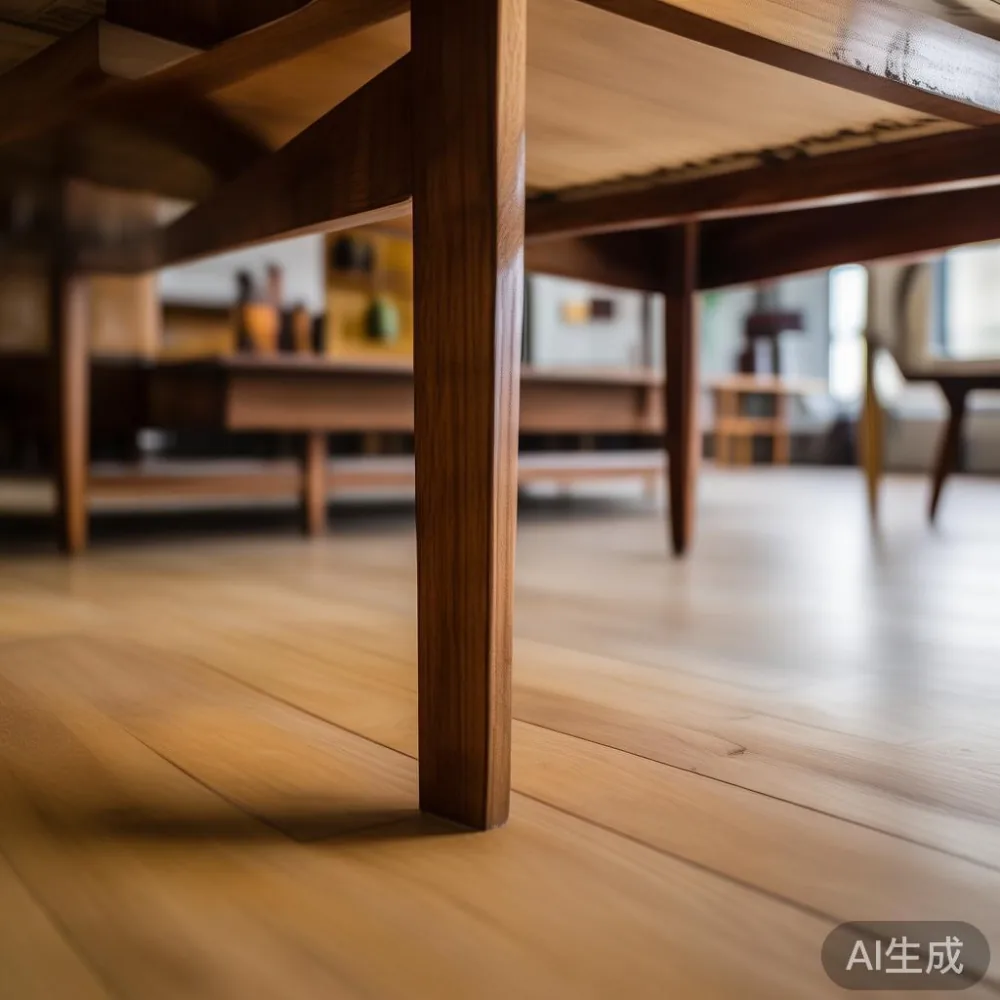
MIDHILL designs japandi style furniture around natural timber, balanced proportions and practical surfaces. The same approach works well in Singapore: protect the wood without covering it in excessive products, respect the coating manufacturer’s instructions and build a routine that is realistic for a busy flat. This guide explains how to identify lacquer, what to do after fingerprints or spills, and how to protect a solid wood sofa, bed frame, dining table, wardrobe, nightstand or marble table.
What Is Lacquer, and Why Does Humidity Matter?
Lacquer is a clear or coloured surface coating applied to wood or another prepared substrate. It can be solvent-based or water-based, and it may be matt, satin or gloss. A 1.5 mm oak dining table with lacquer is not maintained in exactly the same way as a 1.5 mm oak dining table with hard-wax oil. If you cannot identify the finish, test only a small hidden area near the back or underside with a lightly damp cloth.
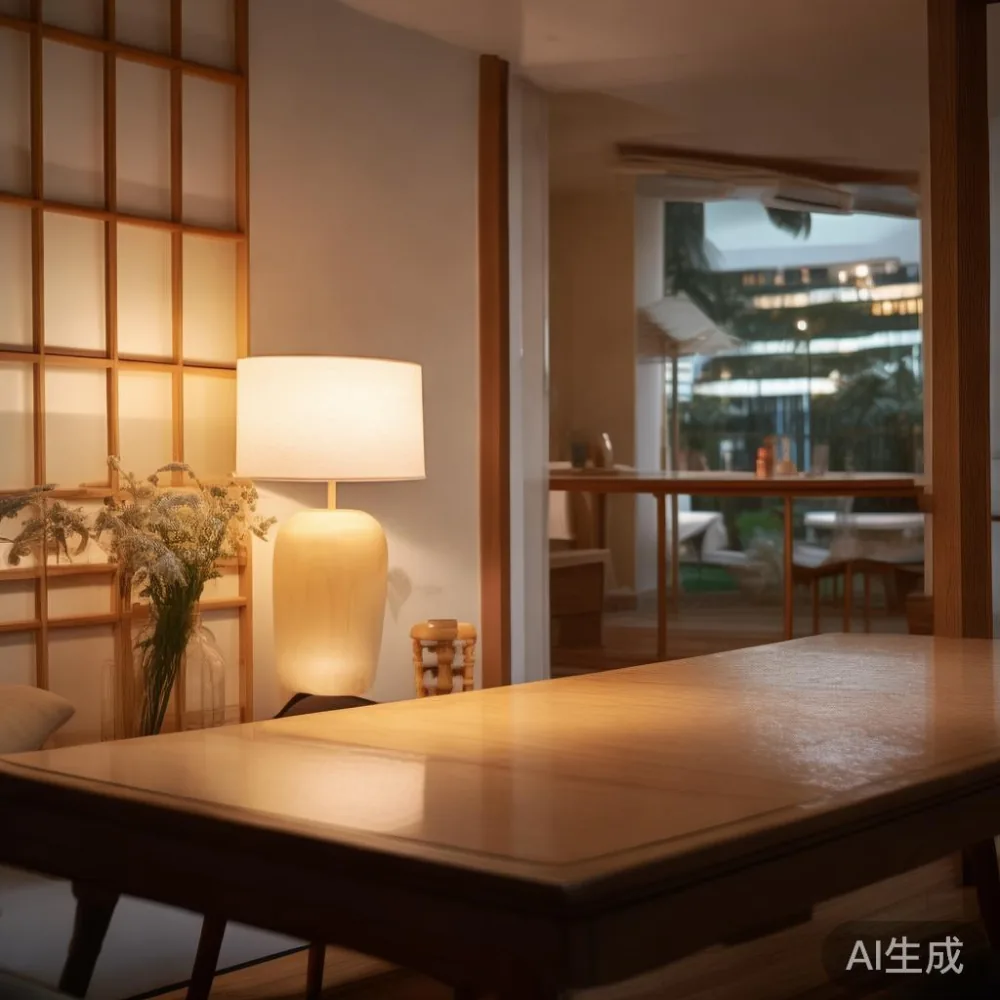
Singapore’s relative humidity commonly fluctuates with rainfall, air-conditioning and ventilation. An air-conditioned bedroom might sit near 55% relative humidity, while a corridor or balcony area can feel much damper during a storm. Wood naturally expands and contracts as moisture changes, so lacquer should be kept away from standing water and prolonged dampness. Use a hygrometer costing about SGD 25 to SGD 45 if you want a rough indoor reading. Aiming for roughly 45% to 65% relative humidity helps reduce movement, although lacquer quality, ventilation and the furniture’s exposure still matter.
Keep lacquered pieces at least 30 cm from an air-conditioning vent, 60 cm from a window that receives direct sun, and 15 cm from an exterior wall where condensation is likely. In a compact HDB dining area, this may mean rotating a table rather than pushing it permanently against a sunlit window. These distances are practical guides rather than guarantees.
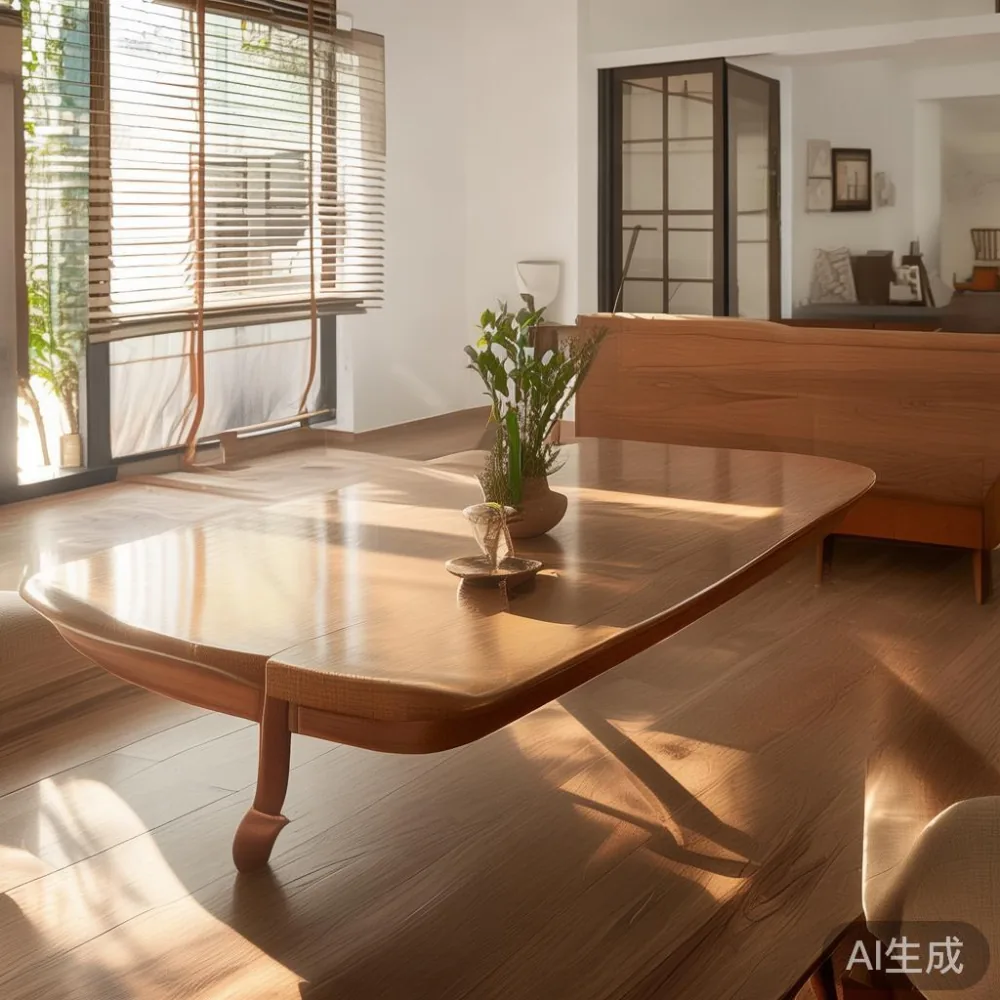
How Should I Clean a Lacquered Dining Table?
Start with a soft, lint-free microfibre cloth. A clean cloth alone removes approximately 90% of ordinary dust and fingerprints. Add a small amount of mild dish soap to a bowl containing about 500 ml of lukewarm water, dampen the cloth and wring it out. The cloth should be barely moist, not dripping. Wipe in the direction of the grain, then use a second dry cloth to remove residue.
Do not use ammonia, bleach, vinegar, concentrated alcohol, abrasive pads or “furniture polish” unless the lacquer supplier specifically approves it. Citrus-based household cleaners can soften some coatings. A silicone spray may leave a greasy film, while damp cloths held against lacquer for several minutes can encourage swelling beneath the finish.
Spills need speed rather than aggressive scrubbing. Blot a water ring with a dry cloth. For a sticky drink, lift residue gently with a plastic scraper, then wipe with the diluted soap solution. Avoid pressing hard on a coated surface because a hard ring can polish or dull a small patch. If a dining table carries a hot dish, use a trivet with at least 2 cm of clearance. A ceramic or glass coaster measuring 10 cm by 10 cm is useful for an SGD 8 cup; a paper pad adds another layer of protection.
MIDHILL dining tables should arrive with care instructions for the exact finish used. Follow those instructions over generic advice, especially for a high-gloss lacquer or a pale, open-grain wood. For collection from a Foshan factory through an authorised Singapore distributor, retain the finish specification with the receipt.
How Do I Stop Heat and Sunlight from Damaging Lacquer?
UV exposure can fade a finish and make nearby timber look uneven. In a Tampines flat facing west, late-afternoon sun can heat a dark dining table by more than 10°C compared with a shaded wall. In a Bedok condo with floor-to-ceiling glazing, a solid wood bed frame or wardrobe near the glass may also experience repeated heat cycles.
Install a sheer curtain or UV film that blocks a meaningful share of visible and infrared light. For a typical 1.8 m by 0.9 m dining table, position it away from the strongest sun path if the room permits. A lamp should also remain at least 30 cm from lacquered timber; a halogen or very hot LED fitting can discolour or soften the coating locally.
Do not attempt to repair yellowing with bleach or sunlight. Lacquer can change colour after years of use, particularly with warm Asian wood tones. If a spot suddenly changes and feels soft, tacky or odorous, stop using the surface and seek a finish specialist. Heat damage may look like a pale, uneven patch around a lamp base. That is different from ordinary fading, which is usually gradual.
What Is the Safest Way to Remove Scratches?
Fine surface marks often respond to careful hand polishing. A 2,000-grit wet polishing cloth can improve a tiny mark on a hard, gloss lacquer, but the method varies by coating. Use only a product labelled for the specific lacquer, apply it to a 5 cm by 5 cm test area and avoid the corners or edges where the coating is usually thinner.
For a deeper scratch exposing timber, do not sand blindly. Sanding can create a flat patch and remove more lacquer than the original defect. Contact the supplier for advice on spot repair or a refinishing assessment. If the furniture carries a 10-year structural warranty, that covers structural integrity rather than every cosmetic scratch; care guidance should be checked for the precise lacquer coverage.
Small felt pads beneath table legs reduce vibration and movement. Choose pads rated for the actual load: a 70 kg dining table with six chairs may place roughly 12 kg on each leg, while a 3 kg bedside stool requires much less. Replace a compressed 20 mm pad every 6 to 12 months. Do not trap grit beneath the pad, because it can act like sandpaper.
How Do You Care for a Lacquered Wardrobe and Bed Frame?
For a lacquered wardrobe in a humid HDB bedroom, open the doors for 10 to 15 minutes after air-conditioning stops. This lets moisture move away from the internal panels. Keep laundry, damp towels and bedding boxes away from the back, and leave about 10 cm of clearance from a wall where airflow is possible.
Do not wipe a closed wardrobe with a very wet cloth. Moisture trapped around handles, hinges and lacquer joints can leave tide lines. Instead, spray a little mild cleaning solution onto a cloth rather than the cabinet, never directly onto the surface. The same rule applies to a lacquered bed frame, especially the headboard and footboard where hands and bedding oils repeatedly touch the finish.
Check drawer runners and cabinet hinges every 6 months. A 60 cm wide wardrobe may have several moving parts, and friction can leave wear marks near handles. If a runner becomes stiff, clean the accessible track with a dry brush rather than oiling it. Oil attracts dust and may stain the lacquer.
A bed frame should not be pressed tightly against an air-conditioning wall outlet. Warm, humid corners encourage mould, and cleaning mould around a lacquered piece with aggressive chemicals can damage the coating. Correct the source of dampness and use a labelled biocide where needed.
What Should I Do with a Marble Table or Stone Top?
A marble table needs different care from lacquered wood. Marble is porous, and acids can etch the surface even when it looks polished. Wipe wine, cola, lemon juice and vinegar within 1 minute. Use a neutral pH stone cleaner, available for approximately SGD 12 to SGD 30, and a soft cloth. Never use bleach on marble because it can corrode the stone or dull resin treatments.
Keep separate cloths for timber and stone, about SGD 8 for a dedicated microfibre set. Keep a trivet under a hot pan; marble can conduct heat and crack if the temperature changes sharply. For a 100 cm round marble table, allow at least 5 cm of space between the edge and nearby timber furniture.
Sealing helps, but it does not make marble stain-proof. Ask the supplier whether the marble table has been sealed and how often maintenance is recommended. Re-sealing may be needed every 12 to 24 months depending on the stone, finish and use, rather than on a fixed calendar for every product.
Can Japandi Style Furniture Work in a Small Singapore Flat?
Yes. Japandi style combines clean lines with natural wood and restrained visual detail. That makes it practical for an HDB living room, where every centimetre affects circulation. A solid wood sofa with arms measuring 82 cm can fit a 3 m wide living area, although the actual dimensions should be checked against the lift and corridor route.
Measure the route before delivery, including the lift door, turning space and corridor width. A package 65 cm wide may pass through a lift opening of 70 cm, but the packaged length and diagonal movement still matter. Record narrow points during the viewing appointment. A delivery crew may need an extra 15 to 30 minutes for a tight HDB route.
Protection and proportion are equally important. A low japandi style bed frame with a 28 cm high headboard can avoid a visually heavy wall. A lacquered wardrobe in pale oak can blend with light walls, while a dark marble table adds contrast without requiring several colours. Keep lacquered surfaces uncluttered, use one tray for daily objects and leave open space around the piece.
For a bedroom layout, the phrase how to style European sofa in bedroom describes a useful visual exercise, though a full-size sofa in a small room may reduce circulation. A compact bench or occasional seat can be more sensible. Similarly, an Italian light luxury sofa has a strong silhouette, but its dimensions and delivery access must suit the room rather than the label alone.
Light-luxury design should also be lived with. French light luxury, American light luxury and post-modern light luxury can all suit japandi style when they leave breathing room around the furniture. The target is a composed room, not a showroom. A 45 cm round side table, a 30 cm lamp and 2 or 3 simple objects can make a nightstand feel considered without overcrowding a 9 m² bedroom.
How Often Should I Clean and Inspect Lacquered Furniture?
Use a light dusting routine once a week and a damp cleaning every 2 to 4 weeks in a normally conditioned home. A kitchen or dining table may need more frequent attention after meals. In a humid room, inspect the finish every 3 months for dull patches, lifting edges, soft spots or trapped moisture.
Wipe lacquered and solid wood pieces with separate cloths. Keep about 5 cm of bare wood between a marble table edge and a lacquered cabinet where possible. Use felt pads under nightstands, dining chairs and small tables, and replace them when they no longer sit flat. A typical 1.2 m high nightstand may weigh 18 kg; heavy felt rated above 25 kg provides suitable support.
Pay attention to lacquer edges. High-contact areas include a dining table’s front edge, a wardrobe handle zone, the top of a nightstand and the arm of a solid wood sofa. If a mark resists the damp-cloth method, test a compatible cleaner rather than repeating a stronger product. One careful attempt is less risky than several solvent applications in the same week.
For shoppers comparing finishes, a Modern light luxury nightstand can be chosen with a matte lacquer for a softer japandi style appearance. Searches for top 10 Modern furniture often prioritise appearance, so check lacquer type, wood species, dimensions and care provisions before selecting. A listing for modern Italian light luxury furniture should disclose whether the “lacquered” surface covers solid timber, veneer or another substrate. Likewise, anyone looking for the best French wardrobe for 2026 should compare internal storage, door alignment, moisture care and warranty terms, not just the outer finish.
What Should You Check Before Delivery?
Ask for the finish name, cleaning instructions and expected furniture dimensions. For a lacquered dining table, confirm whether the lacquer is matt, satin or gloss. For a bed frame, check the headboard height and the distance from the wall. For a wardrobe, request the door swing and drawer extension. For a nightstand, ask for the internal dimensions; a 50 cm wide unit may only offer a 42 cm usable drawer opening.
Check the delivery route and any stair or lift restrictions. In Singapore, GST is already reflected in the displayed consumer price, but the final quotation should still state the total clearly. If the item is below the qualifying threshold for free shipping over US$350, a local delivery charge may apply. Confirm the currency, delivery window and return terms in writing.
MIDHILL offers a 10-year structural warranty and lifetime refinishing on qualifying products, subject to the applicable terms. A 14-day return period gives time to inspect the furniture, although a lacquered piece should be assessed for damage, odours and finish consistency before returning it. Free shipping over US$350 is another condition worth checking against the quoted order value.
My own test was on a lacquered oak dining table in a humid room. Last month I visited a Singapore home where the table sat beside a west-facing window. I left a 100 ml glass of cold water on it for 20 minutes, blotted it and wiped the mark once with a barely damp cloth. The visible ring disappeared without aggressive polishing. I also placed a damp folded cloth against the underside for 5 minutes; the timber showed no obvious swelling after drying, but the test confirmed why excess water should never remain against the coating. Every finish behaves differently, so a hidden-area test remains sensible.
What Is the Simple Care Routine for a Lacquered Surface?
Move the furniture away from direct heat and persistent dampness. Dust weekly with a dry microfibre cloth. Clean with mild soap and a nearly dry cloth every 2 to 4 weeks. Blot spills immediately, especially water, alcohol, oil and acidic liquids. Use coasters, trivets and rated felt pads, and inspect edges every 3 months.
For lacquer, restraint is usually more effective than a strong chemical. Keep rooms reasonably ventilated, avoid solvent cleaners and do not leave wet cloths sitting against wood. For japandi style furniture, this maintenance supports the calm, natural look that makes solid timber, gentle contrast and careful spacing work so well in Singapore homes. The goal is not a permanently untouched surface, but a finish that ages evenly while remaining comfortable, useful and visually quiet.