Japandi Style Furniture for Warm Minimal Interiors in Singapore
A warm minimal interior is not an empty room. It is a carefully measured environment where pale timber, soft textiles, functional storage and a few sculptural pieces create calm without feeling cold. For Singapore homes—especially HDB flats in Tampines, Bedok and Punggol, plus compact condos—the challenge is balancing visual lightness with the storage, durability and dimensions needed for everyday life.
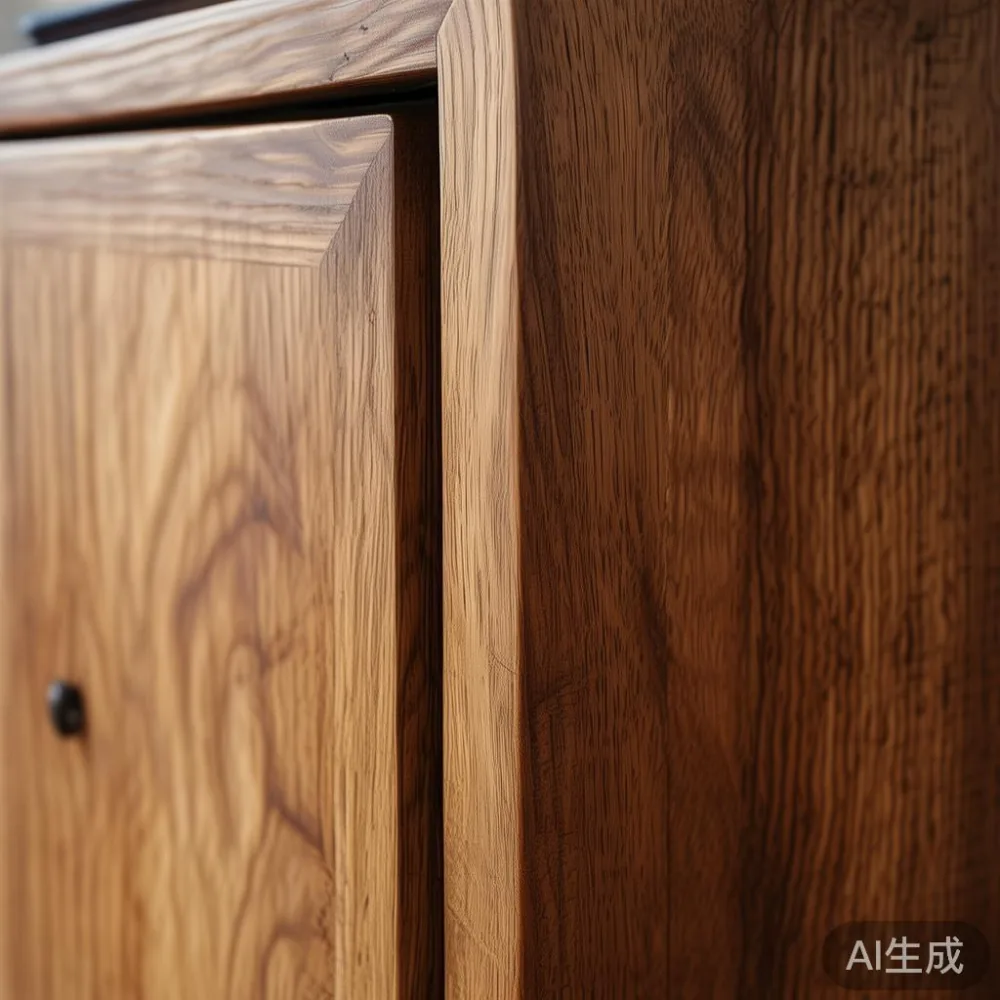
The guiding style is japandi style: Japanese restraint combined with Scandinavian warmth. Low profiles, clean lines and honest materials work particularly well here because they can make a 900 sq ft flat feel more open while still accommodating a solid wood sofa, dining table, bed frame, wardrobe, nightstand and marble table. This guide explains how to select each piece, measure a route into the home, and create a look with lasting appeal.
What Does Warm Minimalism Mean in a Singapore Home?
Warm minimalism relies on proportion, texture and material contrast rather than ornament. A room may contain 7 to 12 main furniture pieces, but each should earn its place. Pale oak, ash, beech and light walnut prevent the palette from becoming stark, while blackened metal, matte ceramics, woven baskets and linen add definition.
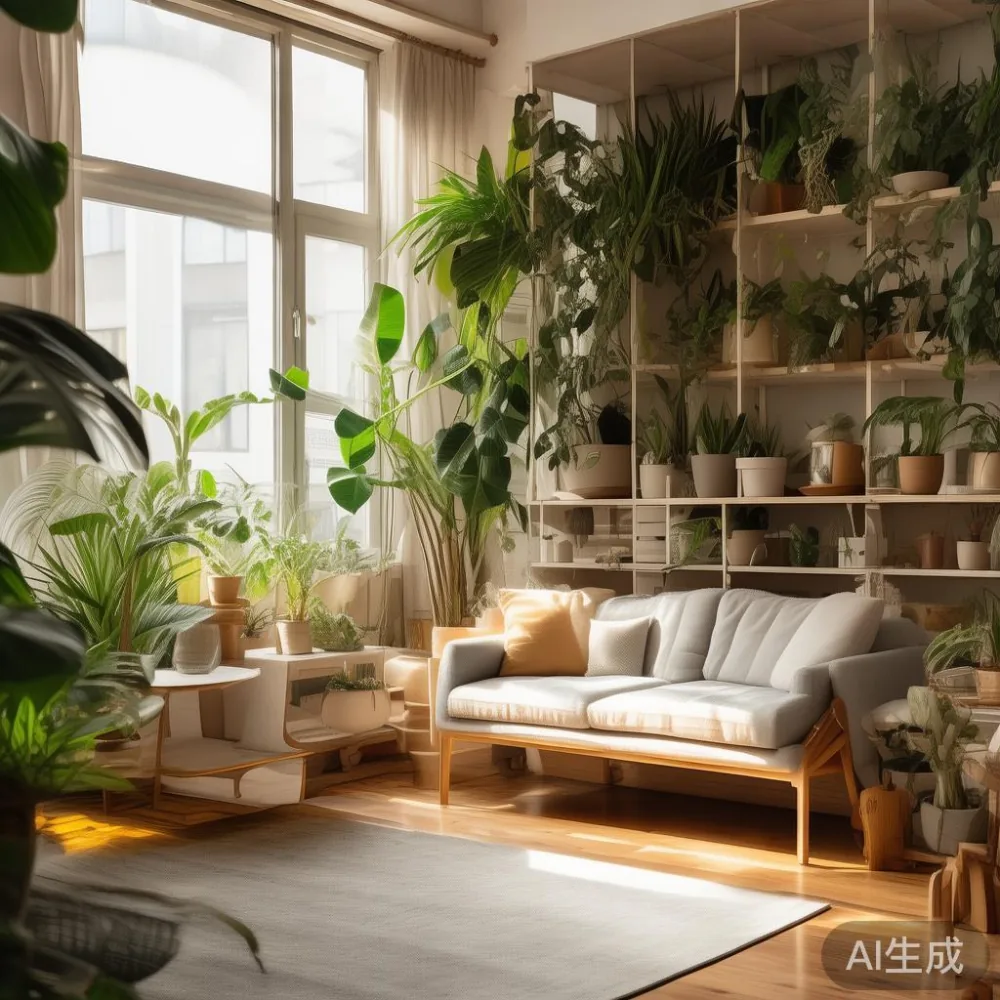
For an HDB living room, a solid wood sofa with a timber base and neutral cushions is more practical than a visually bulky upholstered model. In a condo dining area, a round table may improve circulation compared with a rectangular one. Bedrooms benefit from a bed frame with a low headboard, and a slim nightstand can preserve space beside a 120 cm mattress.
The target is visual quiet, not literal emptiness. Leave approximately 20 cm between major furniture and walls where possible, maintain 75 cm around a dining chair’s rear zone, and allow at least 60 cm in main circulation routes. These figures help prevent the room from becoming congested after adding side tables and storage.
How Do You Choose Furniture for a Japandi Style Living Room?
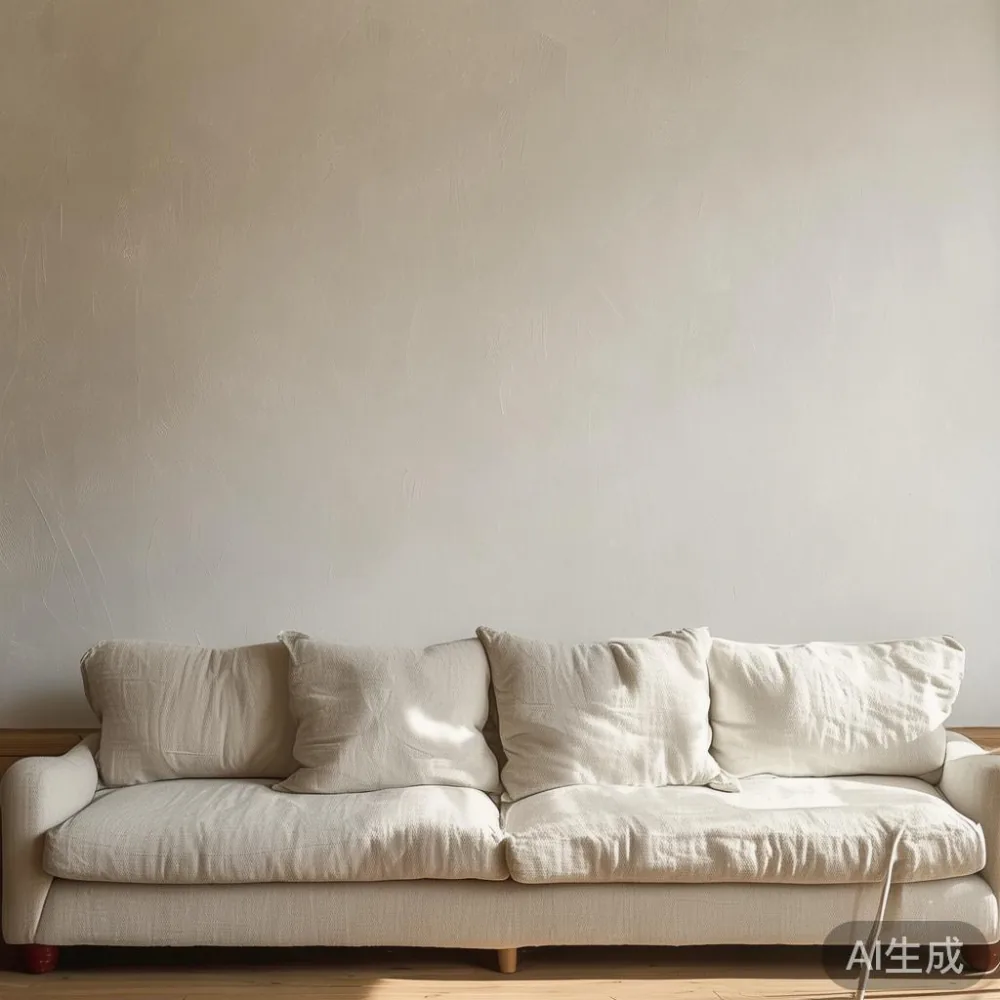
Begin with the largest fixed elements. Check whether the sofa should face the TV, maintain conversation with the dining table, or sit near a window. A 180 cm solid wood sofa suits a room with roughly 3.2 m of usable wall length; a 200 cm model needs closer to 3.6 m once side tables are included.
Choose a frame with straight or gently tapered legs, visible joinery, and a seat height around 40 to 44 cm. Low backrests keep sightlines open, while oatmeal, warm grey, taupe and muted olive fabrics soften pale timber. Avoid matching every element to the same brown tone. A light oak dining table can sit beside a walnut-toned bed frame, provided both retain similar grain intensity.
Storage should be integrated but not hidden behind elaborate decoration. A TV console measuring 160 to 200 cm can anchor one wall while providing closed storage for cables and remotes. An Italian light luxury TV console is a useful reference for polished proportions and restrained detailing, but a locally sized unit must still respect Singapore lifts and HDB corridors.
Keep the coffee table visually light. A 100 x 55 cm timber table works in front of a 180 cm sofa, while a 90 cm round option suits a narrower layout. If a marble table is preferred, choose one with a slim top around 20 to 25 mm and rounded corners. Marble is durable and easy to wipe, although it is heavy, so confirm that two people can carry it safely and that the lift can support its packed weight.
Can a Warm Minimal Room Still Have Character?
Yes. Character comes from tactile contrast and a controlled selection of objects rather than crowded surfaces. Use one ceramic vessel, a framed print measuring 40 x 50 cm, or a woven basket around 35 cm in diameter. A warm lamp with a linen shade can soften evening light without adding visual clutter.
Material pairing is particularly effective. Pair oak with brushed brass, black steel with warm linen, and matte plaster walls with natural woven fibres. French light luxury styling can inform curved arms, elegant profiles and muted cream upholstery, but the room should remain uncluttered. One upholstered lounge chair can introduce softness without competing with the sofa.
For a dining room, French provincial dining table inspiration can provide turned legs or softened edges, but a restrained silhouette fits warm minimalism better than heavy carving. Choose a table between 140 and 160 cm for four people, or 180 to 200 cm for six. Allow 55 cm of table width per diner and at least 90 cm between the table edge and a nearby wall or cabinet.
Lighting should operate in 3 layers: ceiling illumination, task lighting and low accent lighting. A 2700 K bulb produces warm white light and complements oak, walnut and brass. Set a dining pendant roughly 65 to 75 cm above the tabletop. In a compact flat, a 35 to 45 cm pendant may feel too large, so select a smaller profile or use a track system.
Which Wood Tone Suits Warm Minimal Interiors Best?
Oak is the safest multi-purpose choice because its pale grain suits both Japanese restraint and Scandinavian warmth. Light walnut adds depth and works well against cream or greige walls. Beech and ash can also provide a clean appearance, but samples should be checked under the room’s actual evening lighting.
Consider the floor before purchasing large pieces. Matching a walnut bed frame with medium-brown flooring can make the room feel visually heavy unless white or light neutral textiles bridge the difference. Warm minimalism generally benefits from one dominant timber tone and one contrasting tone used sparingly.
Solid wood construction offers benefits relevant to Singapore’s humid climate: stability, repairability and a long service life. Ask for details on timber moisture treatment, joinery, drawer runners and finish type. A matte water-based finish is easier to maintain around food and daily wear, while a lightly oiled surface can be refinished. MIDHILL provides a 10-year structural warranty and lifetime refinishing on qualifying furniture, which makes ongoing maintenance less disruptive over a 10- to 15-year ownership period.
Dimensions matter more than decorative grain. A 160 cm dining table suits a compact dining zone, while a 180 cm wardrobe can dominate a bedroom narrower than 3 m. At the other end of the room, a 45 cm nightstand offers enough space for a lamp, book and phone without obstructing the walkway.
How Do You Move a Solid Wood Table Into an HDB Flat?
Measure before ordering. Record the packaged length, width and height, then compare them with the route from the building entrance to the flat. A dining table may fit an HDB stair route diagonally, but a wardrobe assembled inside the room is often more practical. Ask the supplier whether the item is flat-packed, knock-down or delivered as one rigid piece.
Lift doors on many Singapore buildings measure around 90 cm wide, with a depth near 110 to 140 cm; individual blocks vary, so check the posted dimensions and concierge requirements. Corridors may offer only 120 to 150 cm of turning space. A 160 cm solid wood dining table should therefore have detachable legs or be split into two sections.
I tested this process last month while visiting a colleague’s new Bedok flat. We measured the lift at 88 cm wide and 130 cm deep, the corridor turn at 135 cm, and the kitchen doorway at 82 cm. Their 180 cm table arrived in 2 cartons, each under 120 cm long, and the detachable legs made the route manageable. A packaged wardrobe with fixed side panels would not have passed the tightest turn.
For heavier pieces, compare the carton weight with the lift capacity, commonly around 1,000 to 1,500 kg in Singapore buildings. Protective corners, blankets and a clear delivery window reduce damage risk. If a lift booking is needed, allow 2 to 4 extra days for the building to schedule it.
How Do You Size a Wardrobe and Bed Frame for a Compact Bedroom?
Start with the bed because it fixes the remaining floor area. A queen mattress measures approximately 152 x 191 cm in Singapore. A 160 cm-wide bed frame leaves about 6 cm on each side if the mattress is 152 cm wide, but a wall-side frame needs room for the mattress to be inserted and for bedding to be changed.
A low-profile bed frame at 28 to 35 cm high creates a visually calm japandi style bedroom. A floating design with concealed support can make the floor appear more continuous, although the structure should include accessible storage or adequate ventilation beneath the mattress.
For wardrobes, a sliding-door model can reduce the clearance needed at the front. A 150 cm-wide unit may suit a 2.5 to 3 m bedroom, while a 180 cm model is better for a larger room or a walk-in dressing area. Allow 75 to 90 cm in front of hinged doors and 60 cm for sliding panels. Internal layouts should include at least 50 cm hanging space for most garments, shelves for folded items and a drawer zone no deeper than 55 cm.
A search for the best Vintage wardrobe for 2026 can be misleading because “vintage” describes a look rather than a measurable construction standard. Focus instead on stable timber, durable hardware, smooth drawer movement and repairable panels. MIDHILL’s wardrobe collection can be specified in a restrained finish that works with warm minimal interiors rather than relying on distressed decoration.
At the bedside, choose a nightstand between 35 and 50 cm wide. Its top should align with the mattress for convenient reach, usually around 55 to 60 cm from the floor. One small unit may be sufficient if the bed frame includes integrated ledges, but retaining both nightstands often creates better symmetry.
Which Lighting and Decor Finish a Japandi Style Home?
Keep décor low, soft and tactile. A paper or rice-cloth pendant over the dining table introduces Japanese character without requiring dense ornament. Linen curtains hung close to the wall can make a window feel larger; place the pole 10 to 15 cm beyond the frame and let the panels extend to the floor.
Use artwork sparingly. One 50 x 70 cm print with a pale timber frame is enough above a sideboard. Avoid combining striped cushions, floral patterns, carved furniture and multiple metallic finishes in a single 3 m visual zone.
Comparison shopping can clarify a major decision. A European light luxury sofa vs Japandi sofa is not simply a question of price. The European reference may offer deeper seating, rounded upholstery and decorative stitching, whereas a Japandi design normally uses lower profiles, exposed timber and cleaner geometry. A Singapore family should compare seat depth, cushion support, dimensions and cleaning requirements before choosing the aesthetic.
For a compact living room, French provincial for small living room ideas can be adapted through one curved occasional chair or a round side table, not through an entire matching suite. Likewise, an Industrial for dining room direction works through blackened steel legs, simple geometry and one pendant, balanced by timber and warm fabric.
Plants provide softness without ornament. Choose species that suit bright rooms with indirect light, and use planters measuring 20 to 30 cm in diameter near the floor. Keep the total height of a floor lamp around 150 cm beside a low sofa so it does not block windows.
How Much Should You Budget and What Should Delivery Include?
A practical warm minimal package can be built at different levels. A solid wood dining table may begin around SGD 1,290, a bed frame around SGD 990, a wardrobe around SGD 1,590, and a nightstand around SGD 390. Upholstery, timber species, dimensions and storage add to the final figure, so request a written quotation based on the actual specification.
For one HDB dining room, a 160 cm table, 4 chairs and a 150 cm sideboard might total approximately SGD 3,200 to SGD 5,400. A complete bedroom with a queen bed frame, 2 nightstands and a 150 cm wardrobe may range from SGD 3,600 to SGD 6,800. These are planning ranges rather than fixed offers, and GST should be stated clearly on the final order.
MIDHILL exports to more than 15 countries and serves Singapore customers through online ordering. Current arrangements include free shipping for orders over US$350, although the checkout should confirm the SGD threshold, GST and any destination-specific charges. The stated 14-day returns policy gives buyers time to assess colour, dimensions and suitability; retain protective packaging until the furniture has been checked.
Standard production and delivery commonly require about 15 to 35 days, while made-to-order pieces can take 30 to 60 days. Custom sizes and finishes may extend the schedule by 7 to 14 days. For HDB moves, choose a delivery window that allows at least 2 hours of access and reserve the lift with the concierge if required.
Before payment, obtain dimensions for the assembled item, packaged dimensions, weight, delivery timing, warranty coverage and care instructions. A warm minimal interior succeeds through coordination: every piece should fit its route, suit its function and contribute a calm material rhythm. With solid wood, measured proportions and restrained styling, the result can remain welcoming for years rather than looking like a temporary showroom arrangement.
Product information, current prices and delivery terms can be reviewed at www.midhill.co.