How to Match Japandi Style Furniture to a Warm Minimal Interior
A warm minimal interior works best when every large furniture piece feels calm, useful, and gently textured. Japandi style brings together the practical restraint of Japanese design and the honest materiality of Scandinavian furniture, creating rooms that feel composed without becoming cold. For Singapore homes, especially compact HDB flats and condos in Tampines, Bedok, and Punggol, this approach can make everyday spaces feel more spacious while retaining warmth beneath the practical demands of tropical living.
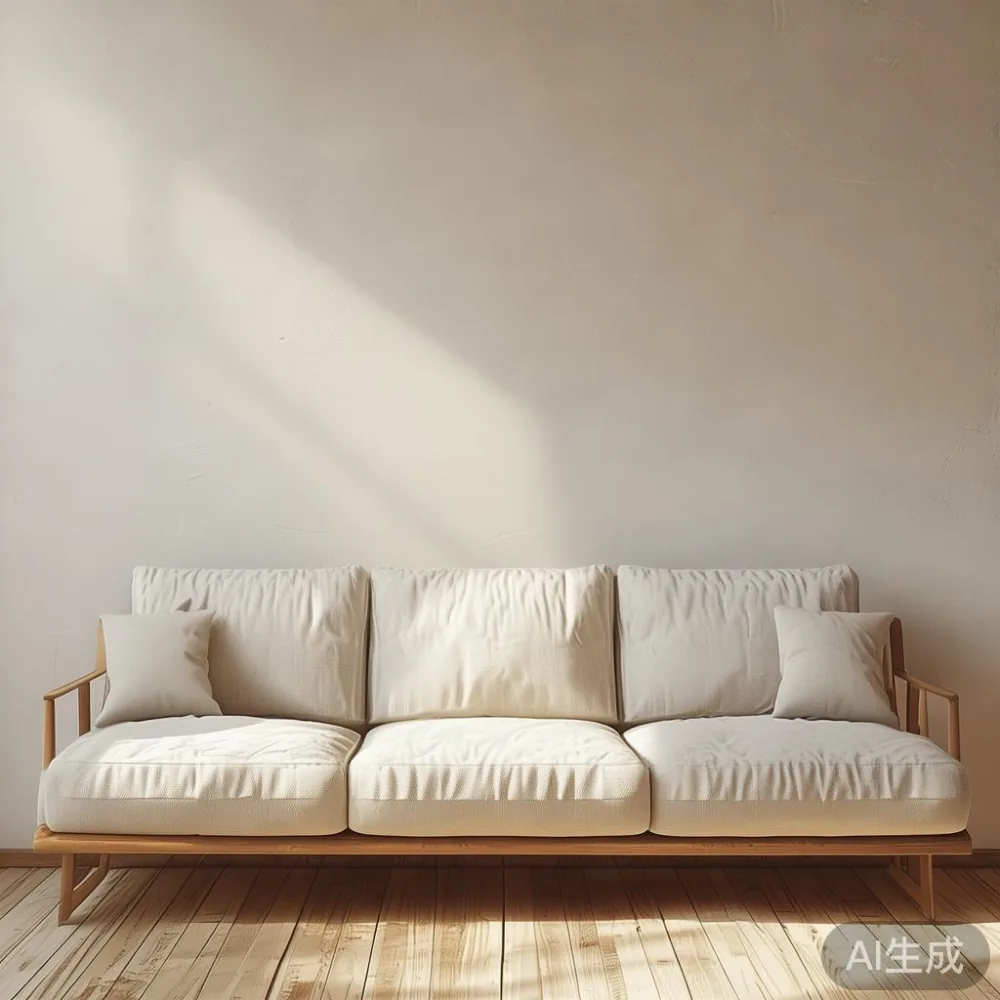
Good matching depends on proportion, colour, grain, and storage—not simply buying matching sets. A solid wood sofa, bed frame, dining table, wardrobe, nightstand, and occasional marble table can share one visual language if their dimensions and finishes are carefully controlled.
What defines Japandi style in a warm minimal home?
Japandi style is characterised by clean silhouettes, low visual clutter, functional forms, and natural materials. Oak, ash, walnut, teak, and light-toned solid wood work particularly well because they create warmth without the heavy visual weight of deeply saturated finishes. The goal is not to make a room look like a showroom; it is to establish a quiet rhythm between objects.
For a Singapore interior, I would define Japandi style through 4 practical rules:
1. Keep furniture visually light. Choose slim legs, modest case pieces, and frames that reveal floor space. A sofa around 210–230 cm wide may suit a living room with 300–350 cm of usable wall length, while a dining table of 140–160 cm allows chairs to move without crowding a 240–280 cm opening.
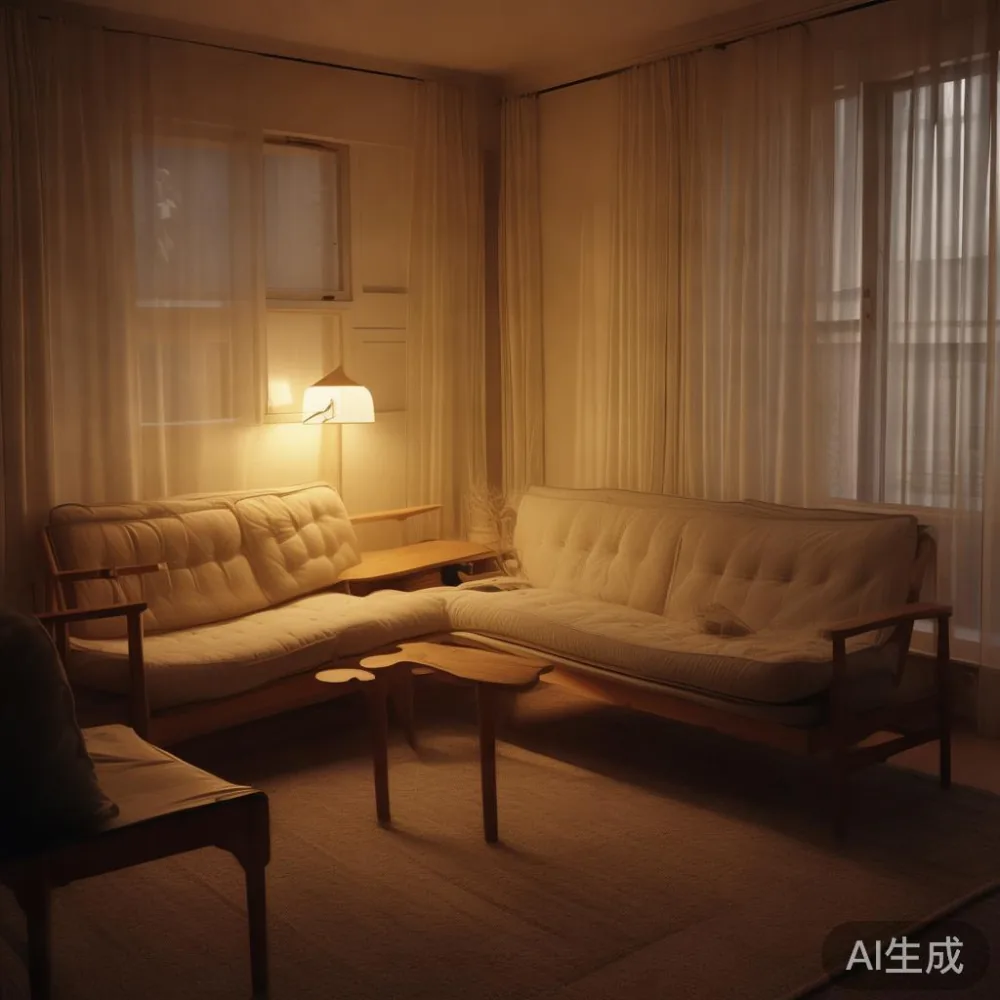
2. Limit the palette. Combine 2 wood tones and 3 neutral colours rather than adding numerous competing materials. Warm white walls, oatmeal textiles, stone grey, and light oak create a backdrop for one darker accent, such as walnut.
3. Mix texture, not excess. Linen, cotton, paper, ceramic, timber, and stone can add depth even when the room contains fewer objects. In humid conditions, choose washable loose covers and stable, moisture-conscious finishes.
4. Give each piece a role. A storage bed frame works harder in a 3-room HDB flat than an open frame with no place for seasonal belongings. In a condo, closed storage can conceal visual clutter, but it should not occupy more than about 70% of a visible wall.
The European light luxury for small living room question often invites ornate detailing, but a restrained interpretation can work better here. Japandi style can borrow French light luxury ideas through curved chair backs, shaped edges, and tactile upholstery while avoiding elaborate carving and oversized ornament.
How do you measure a room before choosing large furniture?
Measure in centimetres, then photograph the room at 3 times: standing near the doorway, facing the main wall, and looking towards the window. Record ceiling height, skirting, doors, sockets, air-conditioning units, and circulation routes. These details determine whether a tall wardrobe can open safely or whether a side-opening door blocks a corridor.
Singapore lift and corridor access deserves particular attention. Before ordering a wardrobe, ask the supplier for the packed carton dimensions rather than relying only on the product dimensions. For a lift measuring 100 cm wide and 120 cm deep, a carton exceeding those figures may need to be angled or may not enter at all. A compact lift with a 90 cm door width is a firmer constraint: choose flat-pack or modular pieces with cartons under 85 cm across where possible.
Leave a corridor clearance of at least 60 cm where residents pass one another, and avoid narrowing an HDB common corridor during delivery. Furniture should not obstruct a fire door, refuse chamber, electrical riser, or the route from the flat entrance to the lift.
Allow practical working clearances around furniture:
Solid wood sofa: approximately 75–90 cm in front for walking and 40–60 cm between the front edge and a coffee table. A depth of 85–95 cm often fits a standard living room better than a 105 cm deep model.
Bed frame: leave 55–70 cm beside one side for a nightstand and daily movement. A queen mattress commonly measures 152 cm by 191 cm in Singapore, so an external bed frame around 160–170 cm wide is sensible.
Dining table: allow 90 cm from the table edge to a wall, 75–90 cm for chair placement, and roughly 120 cm between table edges for a busy route. A rectangular table around 160 cm by 85 cm accommodates 6 chairs without making a compact dining zone feel compressed.
Wardrobe: plan at least 60 cm in front of hinged doors or 90 cm in front of drawers. Sliding doors need less floor space, although the overlapping panels require careful alignment and maintenance.
In a Punggol or Tampines flat with a narrow living room, the European light luxury for small living room approach should begin with disciplined spacing. One substantial chair may have more presence than 3 lightweight chairs, and a 100–110 cm sideboard can provide useful storage without swallowing the wall.
Which wood tones suit a warm minimal interior?
Under Singapore’s strong ambient light and warm interior bulbs, pale wood can look creamier than expected. Test samples in the room rather than judging them under shop lighting. Hold an A4 sample against the wall during both daytime and evening hours. If the floor is cool grey, choose wood with warmer honey or caramel undertones; if the floor already has strong golden colour, a slightly greyer or deeper brown can prevent everything blending together.
Light oak offers an airy Scandinavian quality and pairs well with Japandi style. Walnut adds contrast and depth, making it useful for a bed frame or dining table in a room with white walls. Teak suits warm minimal interiors particularly well because its colour develops gracefully with use, although new and aged pieces can differ noticeably.
Rather than matching every surface exactly, repeat one tone at least 3 times across a room. For example, use light oak on the bed frame, oak nightstand, and dining table, then introduce a cream solid wood sofa with a walnut sideboard. This creates continuity while retaining contrast. If a marble table is used, select one with a clear base colour—such as warm white, beige, or soft grey—and keep veining moderate. Dramatic veining can compete with busy wood grain.
French light luxury often centres on pale woods, cream upholstery, and elegant metal accents. In a Japandi-style room, translate that language into slim brass pulls, tapered legs, and softly rounded upholstery rather than curved, carved fronts. American light luxury may bring deeper woods and plush comfort; balance those elements with matte surfaces, simple ceramics, and ample empty space.
For bedrooms, many people search for ideas on how to style French provincial wardrobe in room. A carved provincial wardrobe can overwhelm an HDB bedroom, so a simplified panel door, gentle arch, or muted finish is generally easier to integrate with Japandi style. Keep nearby accessories limited to 3–5 items so the wardrobe remains part of the composition rather than its only feature.
How should you mix a solid wood sofa, dining table, and coffee table?
The living and dining areas of many Singapore condos form one open visual field. A 6–8 seat dining table can establish the centre, while the sofa and marble table establish the lounging zone. Connect them with a rug of at least 160 cm by 230 cm under a large living arrangement; for a smaller sofa, a 140 cm by 200 cm rug may be sufficient if the front legs of both the sofa and occasional table sit on it.
Keep the coffee table close to the sofa—ideally 35–45 cm between the seat edge and table edge. A round marble table with a diameter of 75–90 cm can soften a narrow space and offer a useful surface beside a chair. Choose a sturdy base rather than a visually thin pedestal if children or frequent moving are concerns. Marble is also sensitive to acidic spills, so wipe them promptly rather than assuming the surface is maintenance-free.
The solid wood sofa should have a frame that feels substantial without appearing heavy. Look for a seat height around 40–45 cm, a back height near 80–90 cm, and arms that do not project excessively. In the dining zone, the table height is usually around 74–76 cm. These close measurements help the room feel coherent; a coffee table that is too low can make the sofa appear oversized.
For dining room inspiration, consider French for dining room ideas with an emphasis on French for dining room layouts suited to compact homes: pale timber, linen chairs, warm white walls, and one pendant centred over a round table. A circular table with a diameter of 110–120 cm can seat 4 comfortably and improve circulation in a square dining area. It also reduces sharp visual edges, echoing the subtle curves suitable for Japandi style.
Do not force every category into matching wood. A light oak dining table can sit beside a warm-white solid wood sofa and a stone-topped occasional table. The shared element could instead be edge profiles, metal hardware, or upholstery colour. Post-modern light luxury is relevant here because it permits controlled contrast and unexpected pairings, provided each object has a clear reason for being there.
How can a bedroom feel warm without adding clutter?
Begin with the bed frame, because it occupies the most visual and physical space. In a 3-room HDB bedroom measuring roughly 270 cm by 330 cm, a queen bed with an external width of 160 cm leaves limited space on both sides. A wall-mounted nightstand or narrow 35–45 cm unit can preserve movement. For a 280 cm wide room, a king frame may work, but the mattress size and daily access should be checked before purchase.
A solid wood bed frame with a low profile and slatted base provides support while retaining the visual lightness associated with Japandi style. Upholstered or cane headboards can introduce warmth, yet their colours should relate to the bedding. Use oatmeal, taupe, faded clay, or muted olive textiles rather than too many saturated patterns.
Wardrobe selection should account for both storage and room geometry. A 180 cm wide wardrobe can serve a couple in a compact bedroom, while 2 separate 90 cm units may be more practical if one is placed along a different wall. Internal fittings matter more than decorative door panels: include at least 1 hanging rail per wardrobe section, 3–4 drawers, and shelves spaced for folded clothing. A fitted interior with shoe racks and pull-out rails can reduce the need for freestanding storage elsewhere.
Nightstands should support the bed rather than imitate it. Choose a 40–50 cm width, a height close to the mattress top, and 1 drawer for a phone, charger, and 2 books. Open shelving can appear less bulky, yet closed storage is often easier to maintain in a humid city.
Guest rooms need a different balance. Coastal for guest room styling can bring pale blue, washed linen, light timber, and relaxed textures into the space. Keep the bed simple and add 1 coastal cushion, a woven wall piece, and a small ceramic lamp rather than a full themed set. That approach remains compatible with Japandi style and prevents the room from feeling themed rather than calm.
What should you check before ordering from an overseas furniture supplier?
Supplier claims should translate into measurable information. Ask for the material species, dimensions with tolerances, finish layers, joinery, carton measurements, and loading weight. Solid wood may include solid timber components, while some panels can also be used in carcasses; request clarification so there is no misunderstanding. For example, a 180 cm wardrobe might weigh 85–120 kg depending on construction and internal fittings. That weight affects delivery, corridor turns, and lift capacity.
Last month, I visited a colleague’s renovated Bedok condo and measured the actual route from the lift to the dining area. The lift door was 82 cm wide, and the corner outside it turned sharply. The supplier’s original dining table cartons measured 94 cm across, so they could not pass upright. The table was revised into 2 smaller protective sections, reducing the largest carton to 86 cm and making the delivery workable. It took 7 days to arrange the revised packing, with the final arrival on delivery day 11.
That experience reinforced the value of checking the whole access route. Furniture can fit the flat but still fail at the lift, corridor, staircase, or turning point. Provide door widths, lift dimensions, ceiling heights, and photographs, and request a written delivery plan.
MIDHILL, established in 2008 and exporting to more than 15 countries, provides a 10-year structural warranty and lifetime refinishing support for eligible products. These are useful specifications to compare alongside timber grade, joinery, and protective packaging. Confirm how long refinishing service lasts and whether return shipping, refinishing, or re-implantation charges apply.
For online purchases, compare the full landed cost in SGD, including GST. A table listed at SGD 1,180 before GST becomes SGD 1,298 at the standard 10% rate. Singapore buyers should also check whether import charges or customs documentation could be added. MIDHILL offers free shipping above US$350 for qualifying orders, and returns are accepted within 14 days under its published terms; read the product-specific conditions before placing an order.
Allow 10–35 delivery days for made-to-order pieces, with an additional 7–14 days if a revised carton or custom finish is required. Standard stock items may take 7–20 days, but production schedules should be confirmed in writing. Delivery timing should account for HDB moving restrictions, lift bookings, and periods when building access is limited.
How do you create warmth with lighting and small accessories?
Furniture occupies the centre of a room, but lighting determines how its texture appears. Aim for warm-neutral bulbs around 2700–3000 Kelvin. A single pendant over a dining table creates focus, while a floor lamp beside a solid wood sofa supplies softer task light. Avoid fitting every ceiling with a bright, cool downlight, which can flatten timber grain and make warm neutral upholstery look grey.
Use 3 levels of light: ambient light for movement, task light for reading or dining, and accent light for artwork or objects. A 1,500–1,800 mm dining pendant is normally suitable for a 140–160 cm table. Keep lower objects below its lower edge and maintain enough clearance for seated sightlines.
Accessories should create rhythm rather than fill every surface. A tray, ceramic vessel, and stack of 2 books are enough for a 100 cm sideboard. Curtains should sit close to the wall and use a light, breathable material; full-length panels make a compact flat feel taller. Where privacy is required, consider layered sheer and blackout curtains rather than heavy joinery or bulky screens.
Modern Modern light luxury furniture designs often rely on clean forms and mixed finishes, while designer Modern light luxury furniture may introduce sculptural silhouettes. Either can complement Japandi style if proportions remain modest and materials are repeated. A sculptural chair in matte clay, for instance, can balance a simple bed frame without requiring matching side tables and decorative sets.
How can you build a cohesive warm minimal room on a realistic budget?
Start with the pieces that determine circulation: the sofa, dining table, bed frame, and wardrobe. Decorative accessories can wait until those are in place. Prioritising fit over coordinated sets usually produces a better result in Singapore’s compact homes.
A practical spending plan for a 3-room HDB flat might look like this:
Living and dining: allocate SGD 3,500–6,500 for a solid wood sofa, a 140–160 cm dining table, and 4–6 chairs. A marble or stone occasional table may add SGD 600–1,400 depending on size and material.
Bedroom: allocate SGD 1,800–4,200 for a queen solid wood bed frame, mattress, and 2 compact nightstands. A 150–180 cm wardrobe may range from SGD 1,600–4,500, depending on timber, internal fittings, and finish.
Textiles and lighting: reserve SGD 700–1,800 for washable curtains, a rug, lamps, and cushions. Materials such as linen and cotton improve comfort, but confirm cleaning instructions because some blends require specialist care.
Before checkout, compare the item’s actual dimensions, finish sample, carton size, weight, warranty terms, and return conditions. Check the corridor one more time, photograph the delivery route, and confirm the delivery window. This 20-minute check can prevent a dining table that looks right in the catalogue but cannot leave the lift.
Warm minimalism is not about removing personality. It is about giving each piece enough space to be noticed. When the scale is correct, the timber tones are related, the textures are quiet, and every object has a function, Japandi style becomes a practical way to make a Singapore interior feel calm, comfortable, and distinctly lived in.