Caring for Lacquered Surfaces in Singapore's Tropical Climate
Moving into a new apartment in Tampines last year, I was thrilled to furnish my home with a stunning solid wood dining table from a brand I admired. The piece, with its deep, glossy black lacquer finish, was the centerpiece of my dining area. However, within 3 months, I noticed small, hazy patches forming on the surface, particularly near the window where the afternoon sun streamed in. My colleague, who has lived in a Bedok condo for over 8 years, warned me that this was a common issue with high-end furniture in our climate. 'You need a specific care routine,' she said, 'not just a quick wipe.' This experience sparked a deep get into understanding how to protect the beauty of japandi-style lacquer in the unique environment of Singapore, from HDB flats in Punggol to condos in the city center.
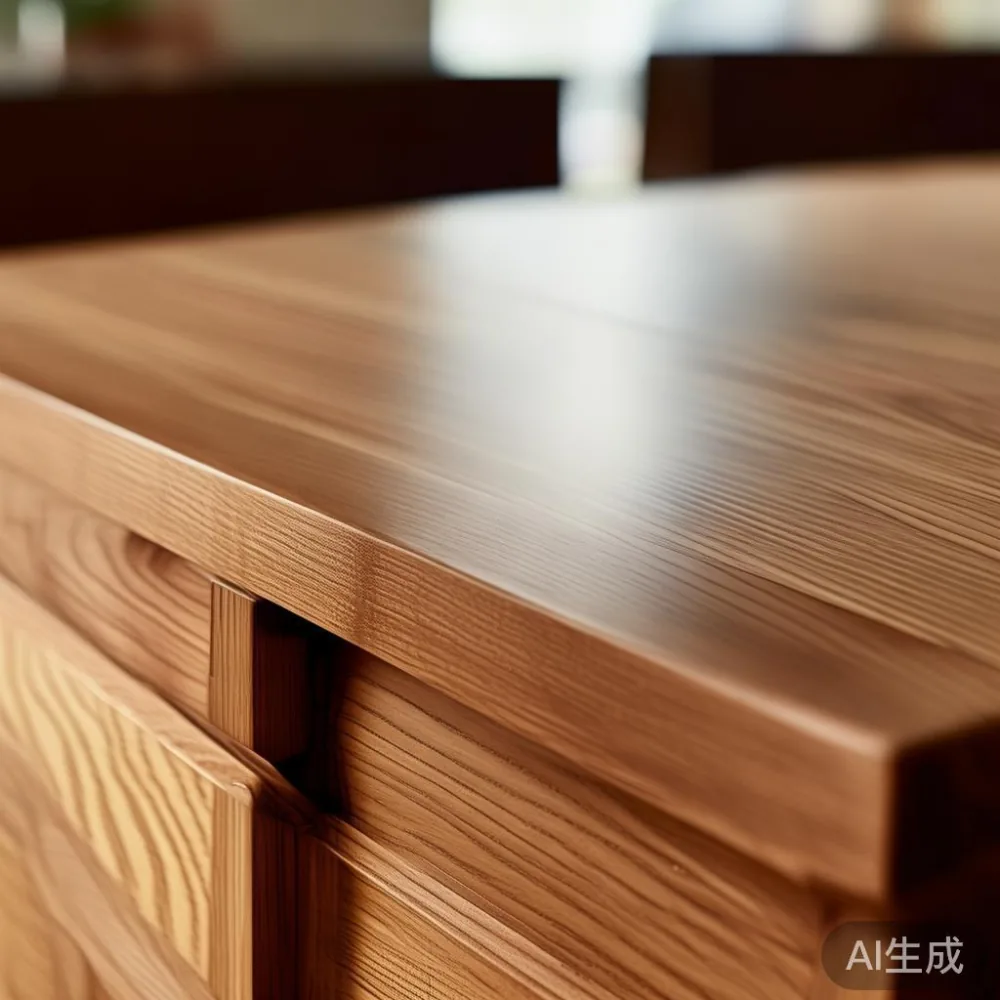
Understanding the Challenge: Lacquer and Singapore's Climate
Lacquer is a beautiful, durable finish often used on high-end japandi-style furniture. It creates a hard, glass-like surface that highlights the natural grain of the wood underneath. This finish is a hallmark of light luxury, seen in French-inspired pieces and American post-modern designs alike. However, lacquer is also sensitive. Singapore's climate presents a formidable test for any lacquered surface. The average relative humidity hovers around 80%, often spiking to 90% during the monsoon season from November to January. This constant moisture, combined with ambient temperatures that rarely dip below 26 degrees Celsius, can wreak havoc on improperly cared for furniture.
The science behind the damage is straightforward. Lacquer is a polymer film. When the air is saturated with moisture, the wood underneath the lacquer can absorb it. As the wood expands and contracts with humidity changes, it puts stress on the rigid lacquer layer. This can lead to several common problems. The most visible is 'blushing' or 'blooming,' where moisture gets trapped under the finish, creating a cloudy, white haze. This is what I first noticed on my dining table. More severe issues include 'crazing,' where fine cracks appear in the lacquer, or 'checking,' where larger cracks form, exposing the wood beneath. The UV radiation from Singapore's intense sun is another culprit, causing the lacquer to fade, yellow, or become brittle over time. A wardrobe placed near a window can lose its deep, rich colour within a year if not protected.
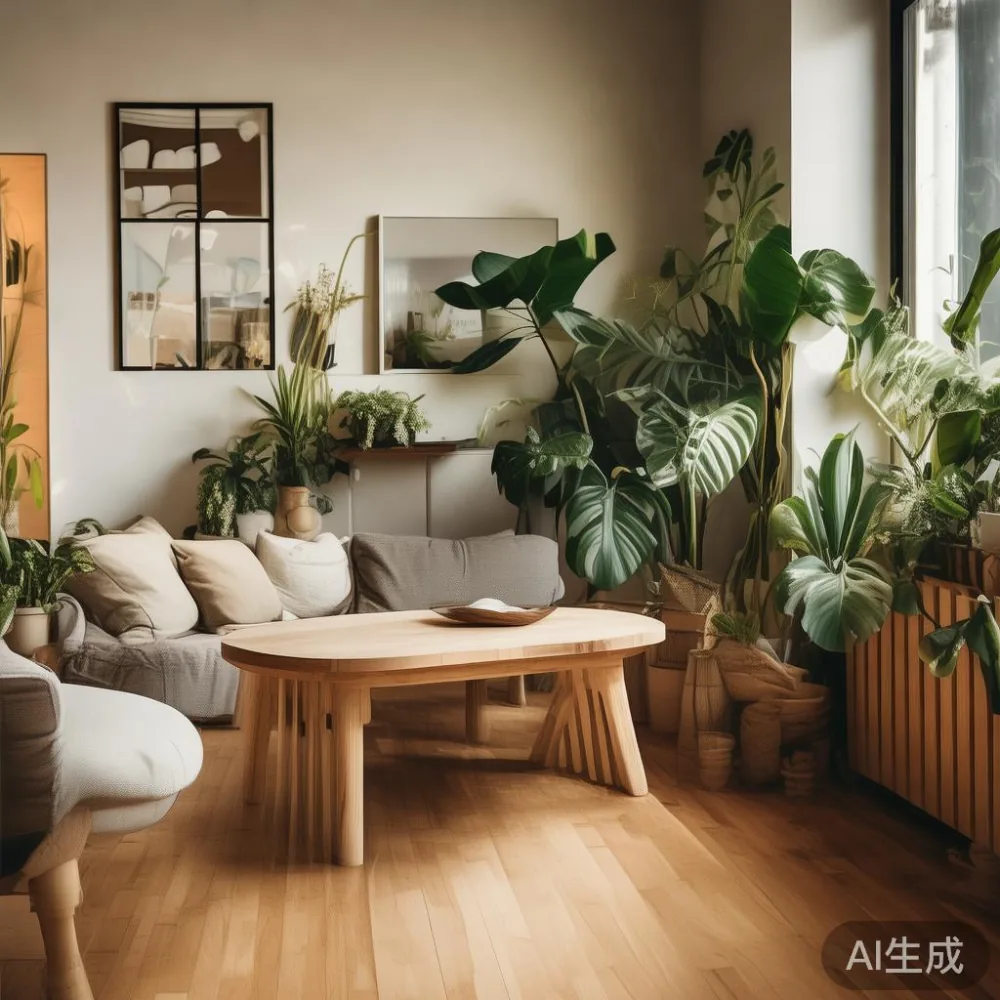
Daily and Weekly Maintenance: The Gentle Touch
Preserving the integrity of your japandi-style furniture begins with a consistent, gentle maintenance routine. The goal is to remove dust and grime without scratching or damaging the delicate lacquer finish. For daily upkeep, a simple microfiber cloth is your best friend. Microfiber traps dust particles effectively without the need for chemical sprays. Use a dry cloth for light dusting. For a weekly clean, slightly dampen the cloth with distilled water. Tap water contains minerals that can leave behind a filmy residue on the lacquer, especially after it has dried in our humid air. Wring the cloth out thoroughly until it is only slightly damp, not wet. Always wipe in the direction of the wood grain to avoid creating fine scratches that can catch more dust over time.
Avoid using all-purpose household cleaners, vinegar solutions, or ammonia-based products. These chemicals can strip away the protective layers of the lacquer, leaving the wood underneath vulnerable. The same goes for abrasive sponges or scouring pads, which will permanently mar the surface. If you spill something on your solid wood sofa or marble table, act immediately. Use a clean, dry cloth to blot the spill. For sticky substances like juice or wine, a cloth lightly dampened with distilled water followed by a dry buff is usually sufficient. Never let a liquid sit, as it can seep into the smallest imperfection in the lacquer. My colleague in Bedok keeps a dedicated set of soft cloths just for her furniture, ensuring no harsh chemicals ever come into contact with her beautiful pieces.
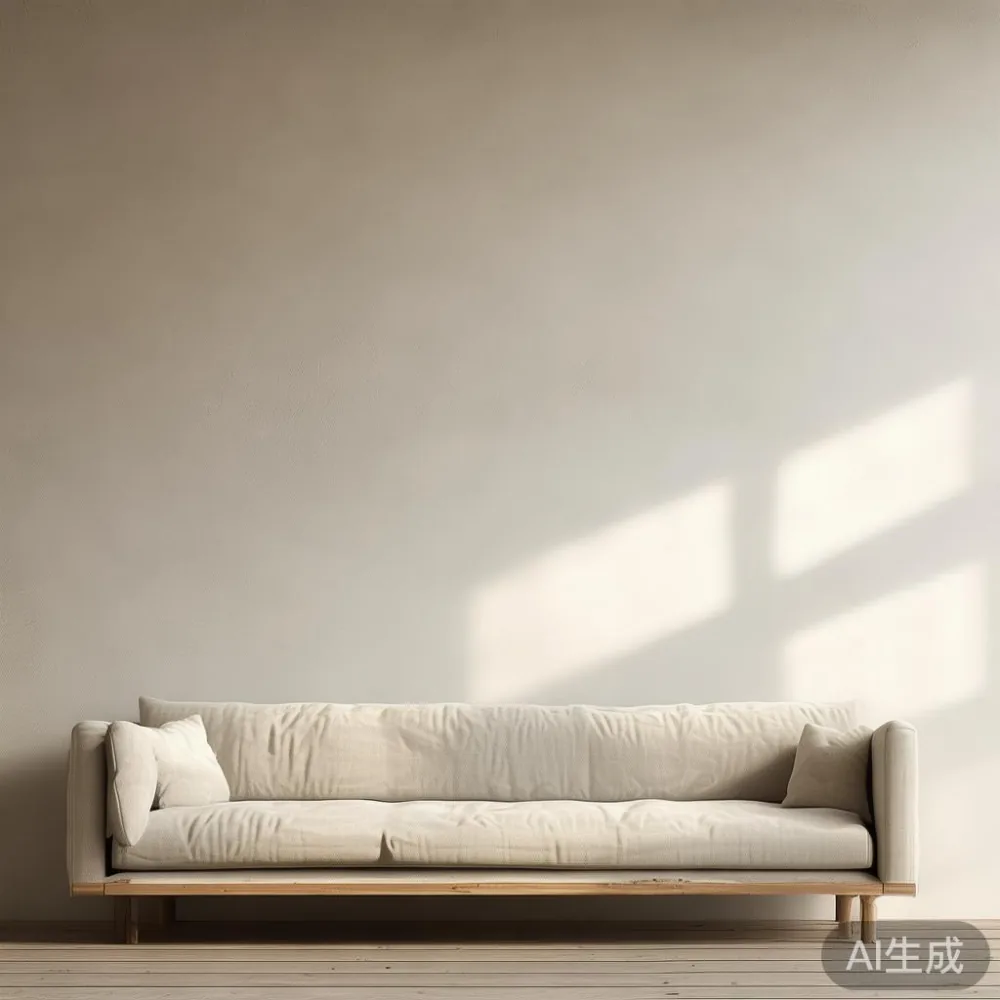
Environmental Control: Creating a Microclimate for Your Furniture
While you can't control Singapore's weather, you can control the environment immediately around your furniture. This is especially important for larger pieces like a bed frame or wardrobe. Placement is key. Avoid placing any lacquered furniture directly in front of an air-conditioning vent. The constant, direct blast of cold, dry air can cause the lacquer to contract too rapidly, leading to stress cracks. Similarly, do not position furniture under a window where it receives direct, unfiltered sunlight for several hours a day. The UV rays will fade the colour and degrade the lacquer over time. If you must place a piece near a window, use high-quality, UV-protective window film to block out the harmful rays.
For those living in HDB flats where air-conditioning is used throughout the night, consider the placement of your nightstand. Placing it directly under the AC unit can expose one side to a constant, drying current. Instead, position it a few feet away to allow for more even air circulation. In condos with better climate control, managing the humidity is still beneficial. Using a dehumidifier in the room, particularly during the wettest months, can help maintain a more stable humidity level, ideally between 45% and 55%. This creates a safer microclimate for your japandi-style furniture, reducing the stress on the wood and the lacquer finish. A small dehumidifier, costing around SGD 150 to SGD 250, can make a significant difference in the longevity of your investment.
Dealing with Humidity Spikes and Stains
Despite your best efforts, you may encounter issues. The most common problem in our climate is the dreaded 'blushing' or 'hazing' of the lacquer. This appears as cloudy, white patches that seem to come from nowhere. The cause is almost always trapped moisture. To treat this, you need a product specifically designed for lacquer. A high-quality lacquer polish or a dedicated furniture restorer can often resolve minor hazing. Apply a small amount to a soft, clean cloth and buff the affected area gently in a circular motion. The solvents in the polish can help to reintegrate the moisture into the lacquer film, restoring its clarity. For more severe blushing, you might need to consult a professional furniture restoration service.
Water rings, often white rings left from a glass or cup, are another frequent issue. These are caused by moisture trapped under the finish. The trick is to gently draw the moisture out. Place a clean, thick cotton cloth over the stain and, with a warm (not hot) iron on a low-steam setting, press down on the cloth for 5-10 seconds. Move the iron and cloth frequently to avoid scorching the wood. The heat and cloth will help to evaporate the trapped moisture. For stubborn stains, you can try a mixture of equal parts baking soda and non-gel toothpaste. Apply a small amount to a soft cloth and rub gently in a circular motion, then wipe clean with a damp cloth and buff dry. Always test any cleaning method on an inconspicuous area, like the inside of a drawer or the back of a nightstand, first.
How Often Should I Polish My Lacquered Furniture in Singapore?
This is a question I hear frequently from clients. The answer depends on the piece and its location. For a heavily used dining table that is exposed to food and drink, a monthly polish with a high-quality furniture wax or cream polish is a good practice. This adds a protective layer and helps to nourish the wood. For a solid wood sofa that sees less direct contact, polishing every 2 to 3 months is usually sufficient. The key is to choose the right product. Look for a polish specifically formulated for lacquer or French polish finishes. Avoid silicone-based polishes, as they can build up a cloudy film over time and make future refinishing more difficult. A good quality polish will cost between SGD 40 and SGD 80 per tin and should last for several months.
When polishing, less is more. Apply a dime-sized amount to a soft, lint-free cloth and work it into the surface in a thin, even layer. Let it sit for a minute or two, then buff it off with a clean, dry cloth until the surface is gleaming. This process not only protects the lacquer but also enhances the deep, lustrous finish that is characteristic of japandi-style design. For a wardrobe that is mostly closed, the interior lacquer is less prone to environmental damage, so polishing the exterior every 3 to 4 months is often enough. The goal is consistent, gentle care rather than aggressive, infrequent treatments.
Long-Term Care and Professional Refinishing
Even with the best care, a lacquered surface will eventually show signs of wear. This is where the value of a good warranty and professional services becomes apparent. Many reputable brands, including those that focus on American post-modern light luxury, offer services like lifetime refinishing. This means that when the lacquer becomes too worn or damaged to restore at home, a professional can strip it and reapply a new finish, in effect returning the piece to its original condition. This is a significant investment that can extend the life of your furniture for decades.
My colleague's 10-year-old dining table, which she purchased for SGD 3,500, recently underwent this process. The constant use and Singapore's climate had worn down the finish in high-traffic areas. She contacted the manufacturer, who sent a technician to her condo. The process took 2 days. The technician carefully removed the old lacquer, sanded the wood, and applied 5 new coats of a high-gloss lacquer, allowing each coat to dry for 24 hours. The result was a finish that looked brand new. For a piece like this, the cost of refinishing was approximately SGD 1,200, a fraction of the price of a new, comparable dining table. This level of aftercare is a hallmark of quality furniture and provides peace of mind for a long-term investment.
Choosing the Right Japandi-Style Furniture for Singapore
Prevention is always better than cure. When selecting new furniture for your Singapore home, choosing pieces designed with our climate in mind is a smart first step. Look for japandi-style furniture that uses high-density, stable hardwoods like teak or oak. These woods are less prone to the extreme expansion and contraction that can damage lacquer in fluctuating humidity. Also, inquire about the type of lacquer used. A multi-layered, catalyzed lacquer is more durable and moisture-resistant than a traditional shellac or nitrocellulose lacquer.
When considering a new sofa, think about how it will fit into your living space. A standard 3-seater sofa is typically 180 cm wide, 90 cm deep, and 85 cm high. This is a common size for Singapore living rooms, but always measure your space, including the width of your lift if you live in an HDB flat, to ensure it can be moved in. For those looking for a statement piece, a marble table can add a touch of luxury, but be aware that marble is porous and requires its own specific care regimen to prevent staining. If you are on a budget, you might search for options under 2000 Japanese furniture, but ensure that even at a lower price point, the quality of the finish and construction is high to withstand our environment.